
China's J-20 stealth fighter maker says modular tooling cuts its set-up costs by a fifth
Chengdu Aircraft says reusable assembly modules trim tooling costs about 20% and lead times 25%, a claim tied to faster fighter output that no one has audited.
TAIPEI —
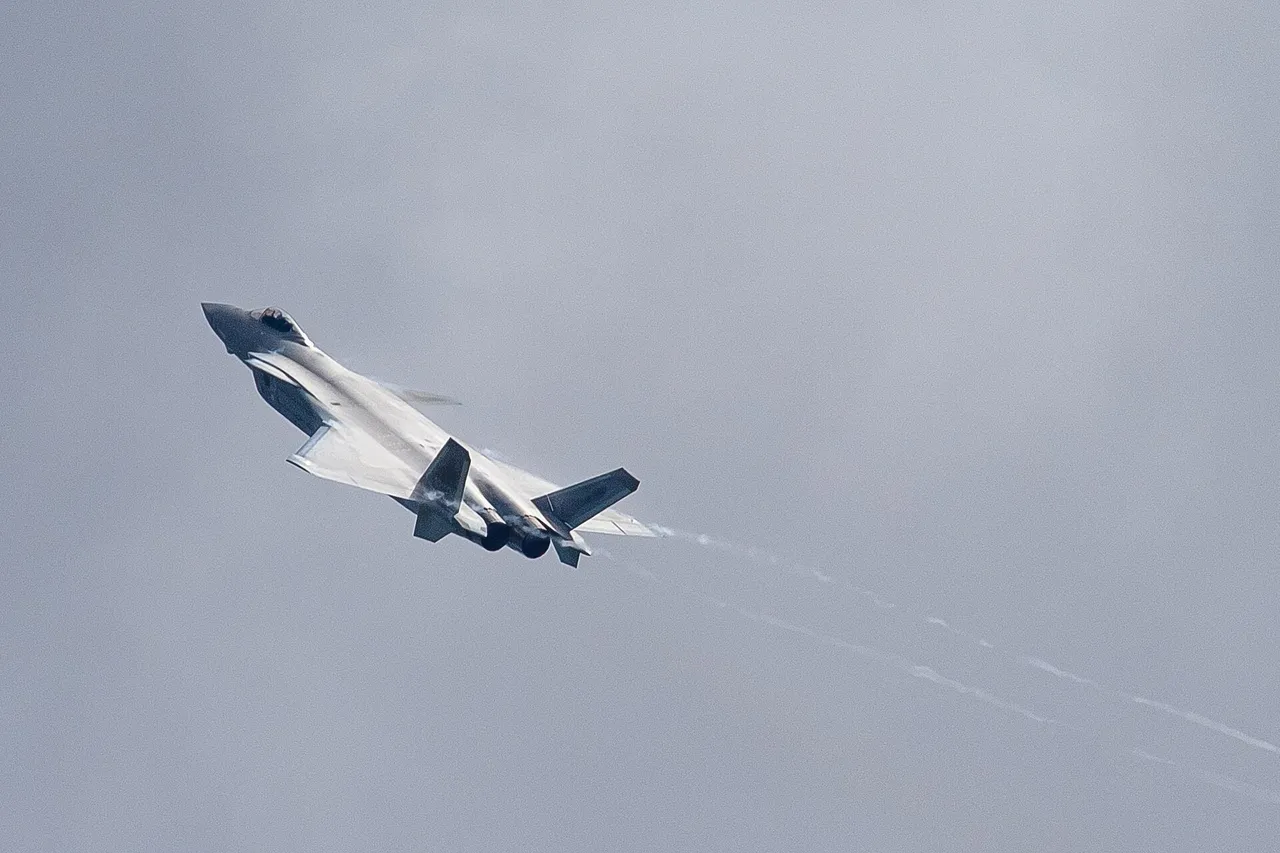
Chengdu Aircraft Corporation, the subsidiary of the state-owned Aviation Industry Corporation of China (AVIC) that builds the J-20 stealth fighter and the J-10 family, says it has switched to a modular system for the fixtures, platforms and handling equipment used to assemble its aircraft. The claims were posted on AVIC's official Weibo account on 15 October and carried by the state-run Global Times the following day.
According to the company's account, engineers grouped tooling into five categories: assembly fixtures, work platforms, transport vehicles, support frames and lifting rigs. They then standardised the structures those categories have in common into 163 shared basic modules, and say the overall reuse rate of those modules now tops 80 percent. Only the adapter parts that touch a particular airframe have to be designed afresh, so proven modules can be paired with a small number of new pieces instead of building a complete tooling set for every project.
The figures AVIC released are specific. It says tooling development costs have fallen by about 20 percent and development cycles have been cut by roughly 25 percent. Modular coverage is put at 80 percent for reconfigurable flexible assembly tooling and 90 percent for work platforms, while standard designs are used for 84 percent of transport vehicles, 60 percent of support frames and 87 percent of lifting rigs. In some research projects where the same tooling serves several aircraft, the company reports direct savings of more than 20 percent.
Wang Ya'nan, chief editor of the Chinese magazine Aerospace Knowledge, told the Global Times that the approach pays off most when production capacity has to expand quickly. He said its rollout suggests Chengdu has already assessed its near-term equipment needs and prepared in advance for large orders at short notice. That is a Chinese commentator's reading, not a disclosed production plan.
Independent outlets that picked up the report urged caution. TheDefenseWatch stressed that the percentages describe tooling alone and should not be read as a matching fall in the cost of building a J-20 or J-10. It noted that the reporting gives no aircraft-level costs, no figure for what the new system cost to introduce, and no count of the production lines that use it.
Defence Security Asia likewise pointed out that the numbers come from the manufacturer and have not been externally audited, and that nothing in the disclosure shows an increase in fighter deliveries. In its assessment, the change matters because it could shorten the time needed to prepare equipment for new production lines, aircraft variants or revised schedules. Engines, supply chains, skilled labour and quality control remain separate limits on how many finished jets actually reach units.
The disclosure comes as outside analysts watch Chinese fighter output closely. Defence Security Asia described the development as adding an industrial variable to assessments of how fast Chinese airpower can grow, rather than any change in fighter performance or deployment.
For Taiwan, the pace at which China can build and field fighters such as the J-20 and J-10 bears directly on the air balance across the strait. The Chengdu figures cannot be verified and say nothing about aircraft numbers, but they show where Beijing's aviation industry says it is investing: in the ability to scale up and switch production lines faster. The real test will be visible in delivery rates and squadron conversions, not in percentages released through state media.
Sources
More in Industry
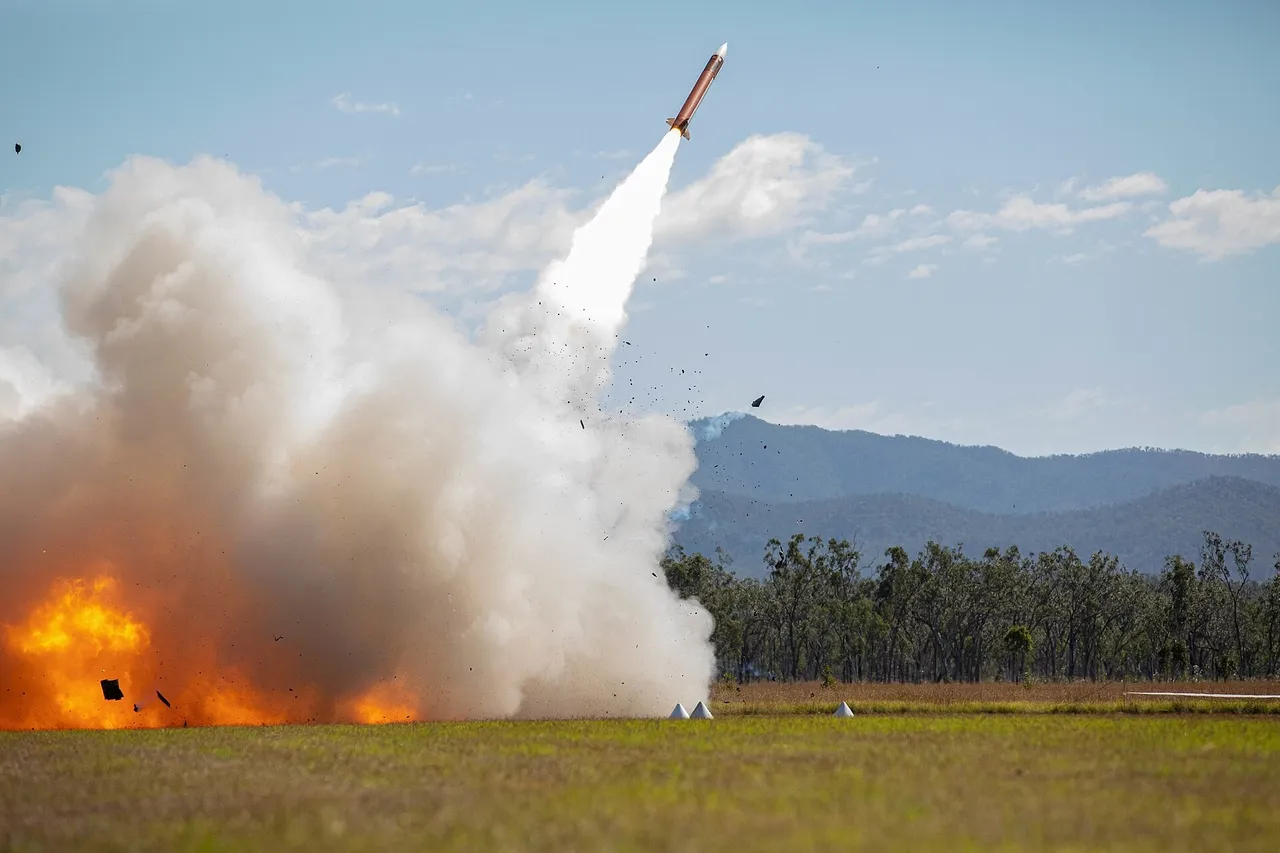
Lockheed pours $300m into Texas missile parts plant as Taiwan waits on Patriot deliveries
The Grand Prairie expansion feeds the PAC-3 MSE, THAAD and PrSM lines as the Pentagon pushes interceptor output towards 2,000 a year, while Taiwan's own Patriot order is still waiting.
TaiwanDefence · 1d ago · 3 min read
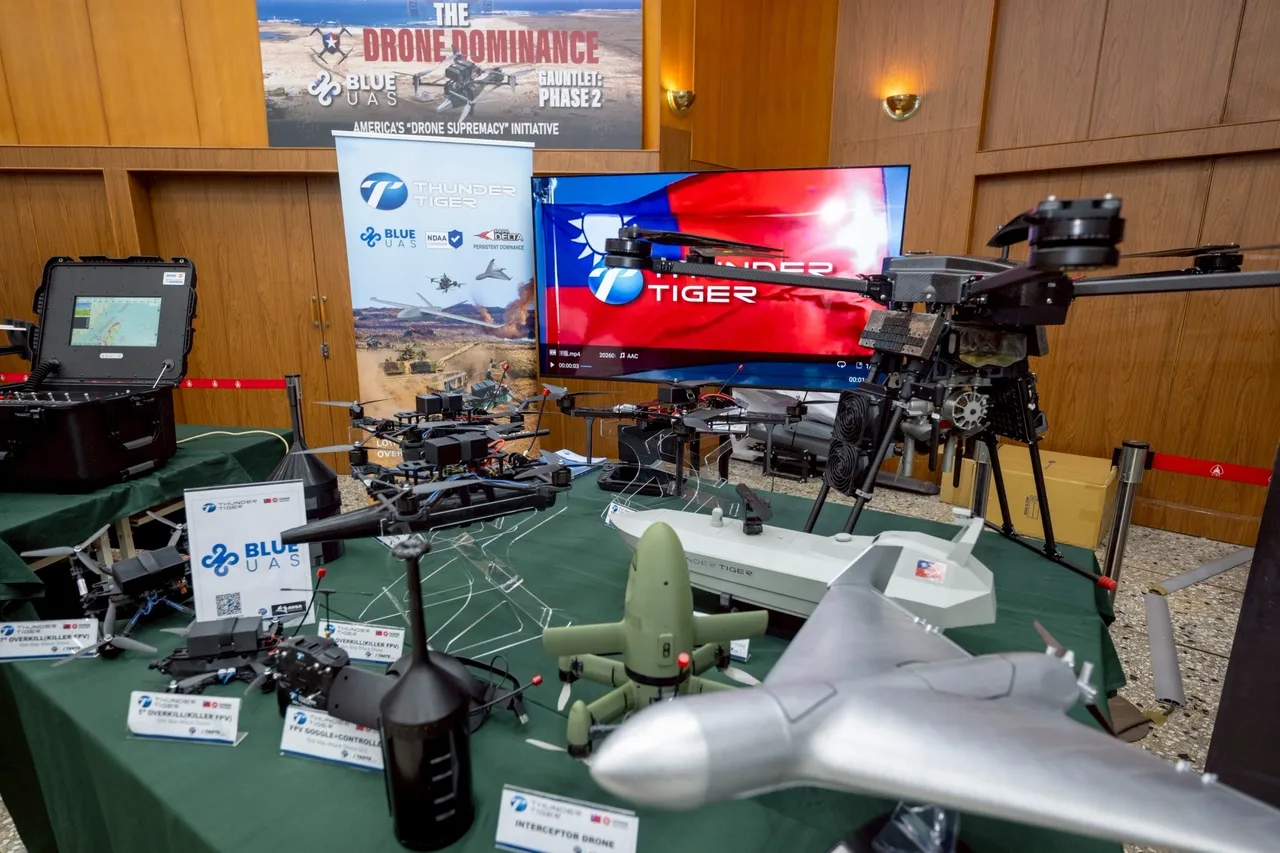
Thunder Tiger says it has delivered all 1,520 drones in its first Pentagon order
The Taiwanese drone maker and two partners have finished deliveries under the first phase of the US Drone Dominance Program and now want a share of phases three and four.
TaiwanDefence · 1d ago · 3 min read
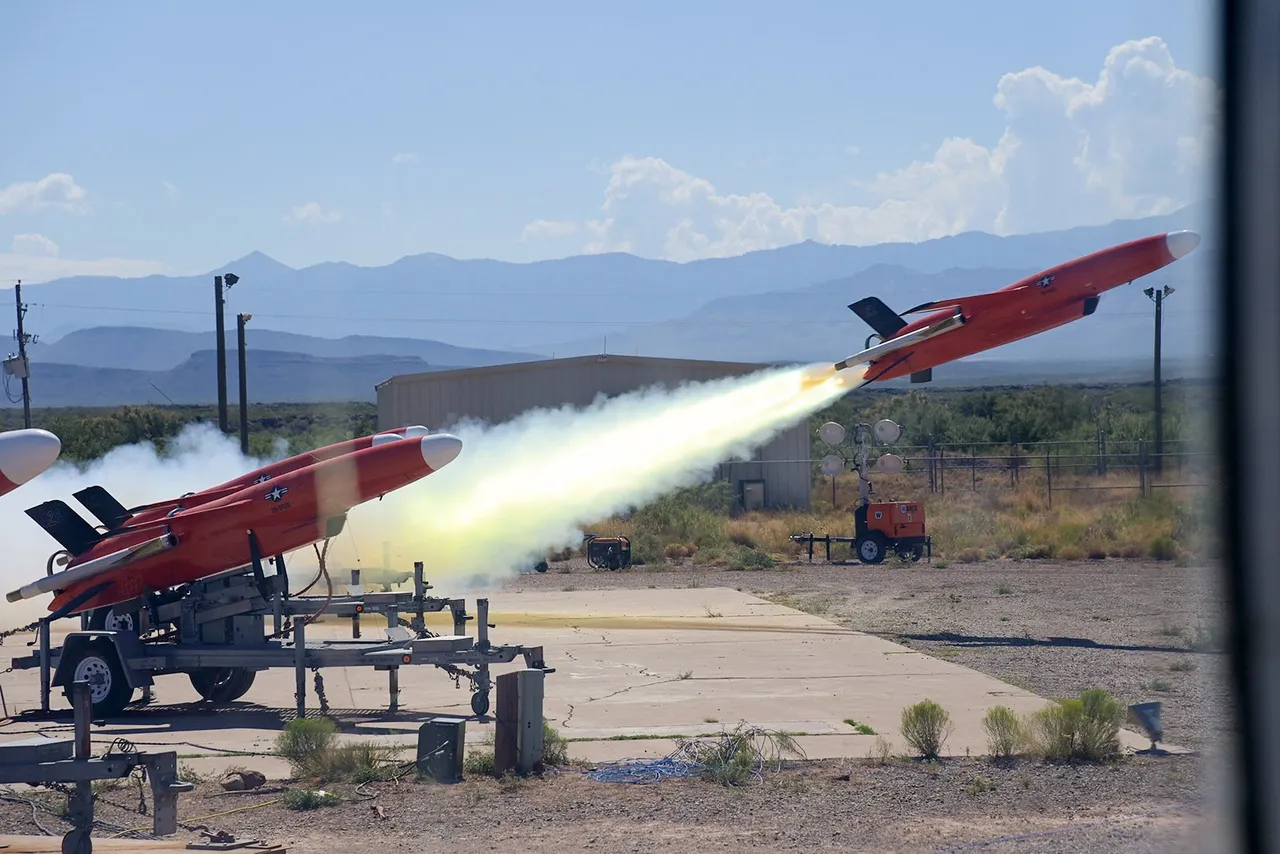
Taiwan-US Mighty Hornet IV attack drone clears southern flight tests
Kratos and Taiwan's NCSIST say the jet-powered loitering munition met every mark in recent southern trials, including strong winds, and is aimed at runway-free coastal defence.
TaiwanDefence · 1d ago · 2 min read
Discussion (0)
Comments are not currently available.