
Chinese state TV airs H-6K bombers with YJ-21 hypersonic anti-ship missiles under their wings
Taiwanese reporting says the footage shows the missile settling into an air-launched role, while a retired general argues Taiwan's air defences can still intercept it.
TAIPEI —
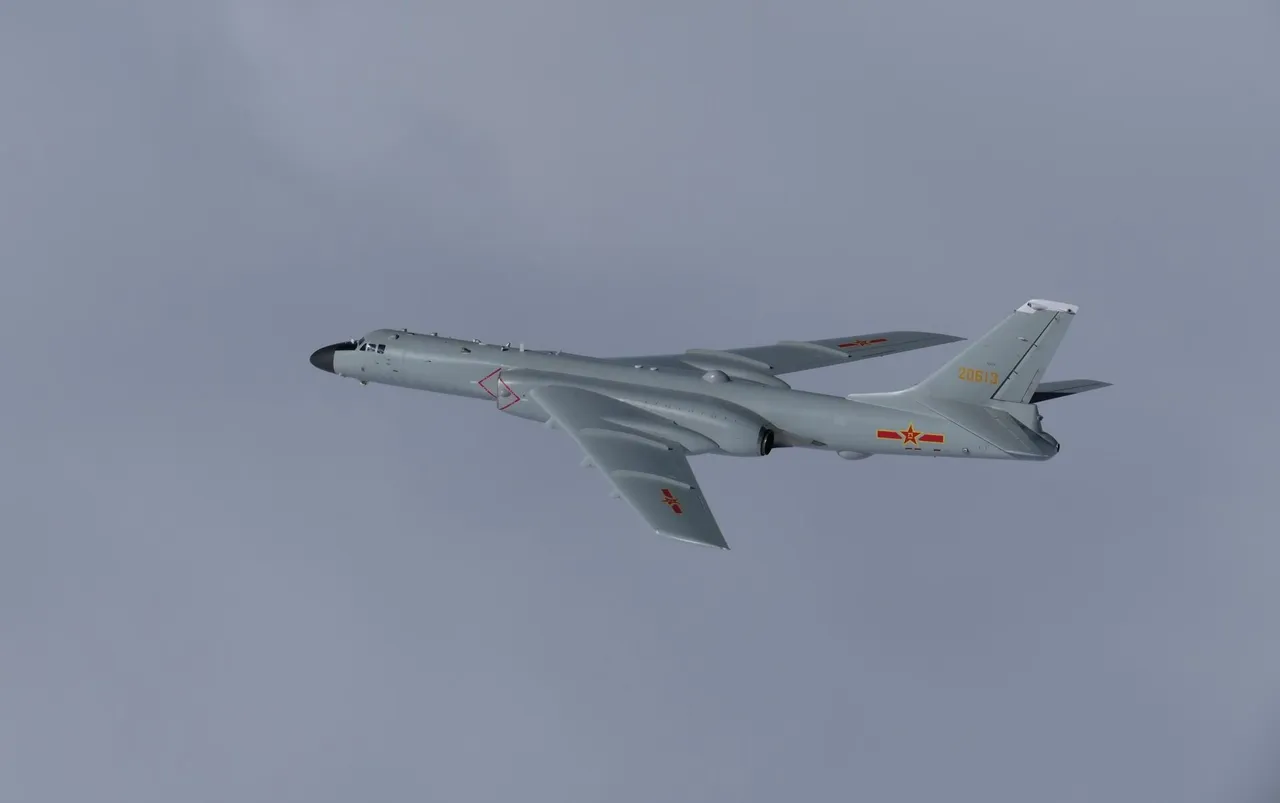
China Central Television's military channel has aired footage of People's Liberation Army Air Force H-6K bomber units on holiday combat-readiness duty, with missiles under the wings that Taiwanese defence reporters identify as the air-launched version of the YJ-21 hypersonic anti-ship missile. Meihua News reported on 16 October that the weapons looked different from the YJ-12 supersonic anti-ship missile the bomber has usually been seen carrying.
The Liberty Times, reporting on 17 October, went further. It said the state broadcaster had for the first time shown an H-6K releasing and firing the missile in flight, and described the release as a sign that a missile once carried only by the Type 055 large destroyer now has a routine air-launched anti-ship role. In the paper's assessment, that stretches the PLA's precision strike reach beyond the first island chain and bears directly on the defence of Taiwan.
Whether the footage is truly a first is less clear, and the two reports differ on the point. Meihua noted that a PLA Air Force video released on 1 May 2024 already showed an H-6K dropping a large missile in the air, that the weapon appeared at the Beijing military parade on 3 September 2025, and that a training round marked 2PZD-21 drew attention around the 2022 Zhuhai air show. Some outlets call the air-launched variant the KD-21. Chinese authorities have not released full performance data for it.
Outside estimates cited by both outlets put the missile's range at 1,000 to 1,500 kilometres. Meihua described a solid rocket motor and a double-cone body, with hypersonic speed and manoeuvres in the final phase of flight. A retired Taiwanese general quoted by the Liberty Times said the missile climbs to the edge of the atmosphere, reaches about Mach 12 as it re-enters, and slows to roughly Mach 6 in its terminal phase as air resistance builds, a slowdown it needs in order to skip and change course.
The same officer said the threat to Taiwan should not be underestimated. Combined with the H-6K's combat radius, the missile would let the PLA strike from outside Taiwan's air-defence network. In a conflict, he said, it could be used against the Chiashan air base in eastern Taiwan, underground shelters and command centres, or against US carrier strike groups sailing to help.
He argued that the terminal slowdown also gives defenders a clear window. Against a missile aimed at an American carrier, he pointed to the SM-6 Block IA interceptor carried by US Aegis warships. Over Taiwan itself, he said the Patriot PAC-3 and the Tien Kung III built by the National Chung-Shan Institute of Science and Technology provide cover, and that the Strong Bow programme, an extended-range Tien Kung III, has lifted intercept altitude to 70 kilometres. That would allow an engagement early in the glide, before the missile begins its sharpest manoeuvres.
Meihua placed the YJ-21 within a broader PLA build-up of long-range anti-ship weapons, from land-based ballistic missiles such as the DF-21D, DF-26 and DF-17 to missiles carried by warships and bombers. It said the YJ-21 entering service would not necessarily retire the ramjet-powered YJ-12, which is estimated to have a range of about 500 kilometres, because the two weapons fly differently and suit different missions.
For Taiwan, the larger point is the message rather than the novelty. Beijing is presenting a bomber-launched hypersonic weapon as part of normal readiness, while every performance figure in circulation remains an outside estimate and the case that Taiwan can intercept it rests on the view of one retired officer rather than on published test results.
Sources
More in Cross-Strait
Taiwan air force and navy scramble as nine PLA aircraft and six warships operate around the island
Five aircraft crossed the median line in the day to 6 a.m. on 17 October as Taipei answered with CAP fighters, navy ships and coastal missile systems.
TaiwanDefence · 3h ago · 2 min read
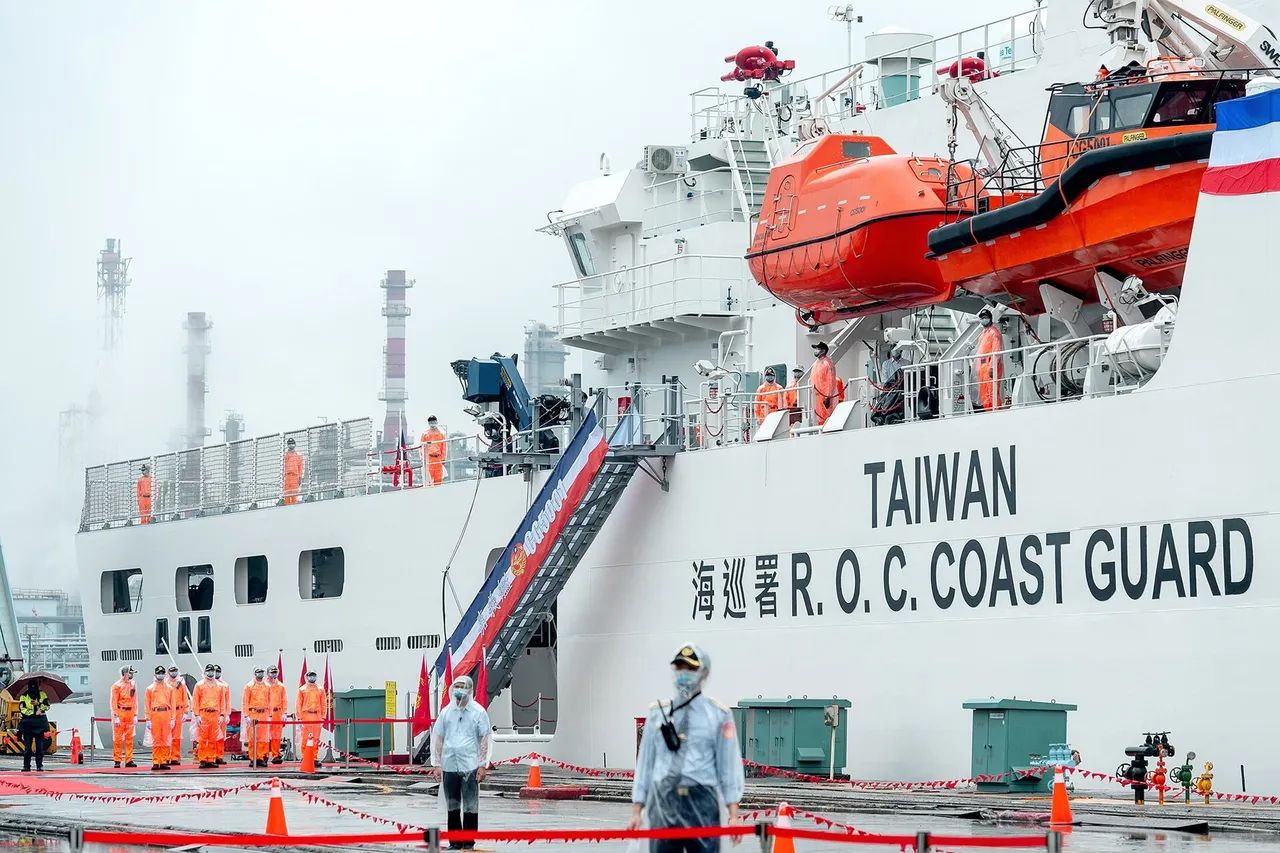
Taiwan coast guard shadows two Chinese coast guard ships in a Pratas standoff that ran into the night
China Coast Guard ships 3301 and 3303 entered the restricted waters around the Taiwan-held atoll on Friday afternoon, the 11th such incursion there this year.
TaiwanDefence · 22h ago · 2 min read
Taiwan watches for large-scale PLA drills as peak season nears
Taiwan's MND is monitoring possible PLA encirclement drills as the November-December peak season nears, alongside Liaoning western Pacific training and cognitive warfare.
TaiwanDefence · 1d ago · 2 min read
Discussion (0)
Comments are not currently available.