
Lockheed pours $300m into Texas missile parts plant as Taiwan waits on Patriot deliveries
The Grand Prairie expansion feeds the PAC-3 MSE, THAAD and PrSM lines as the Pentagon pushes interceptor output towards 2,000 a year, while Taiwan's own Patriot order is still waiting.
TAIPEI —
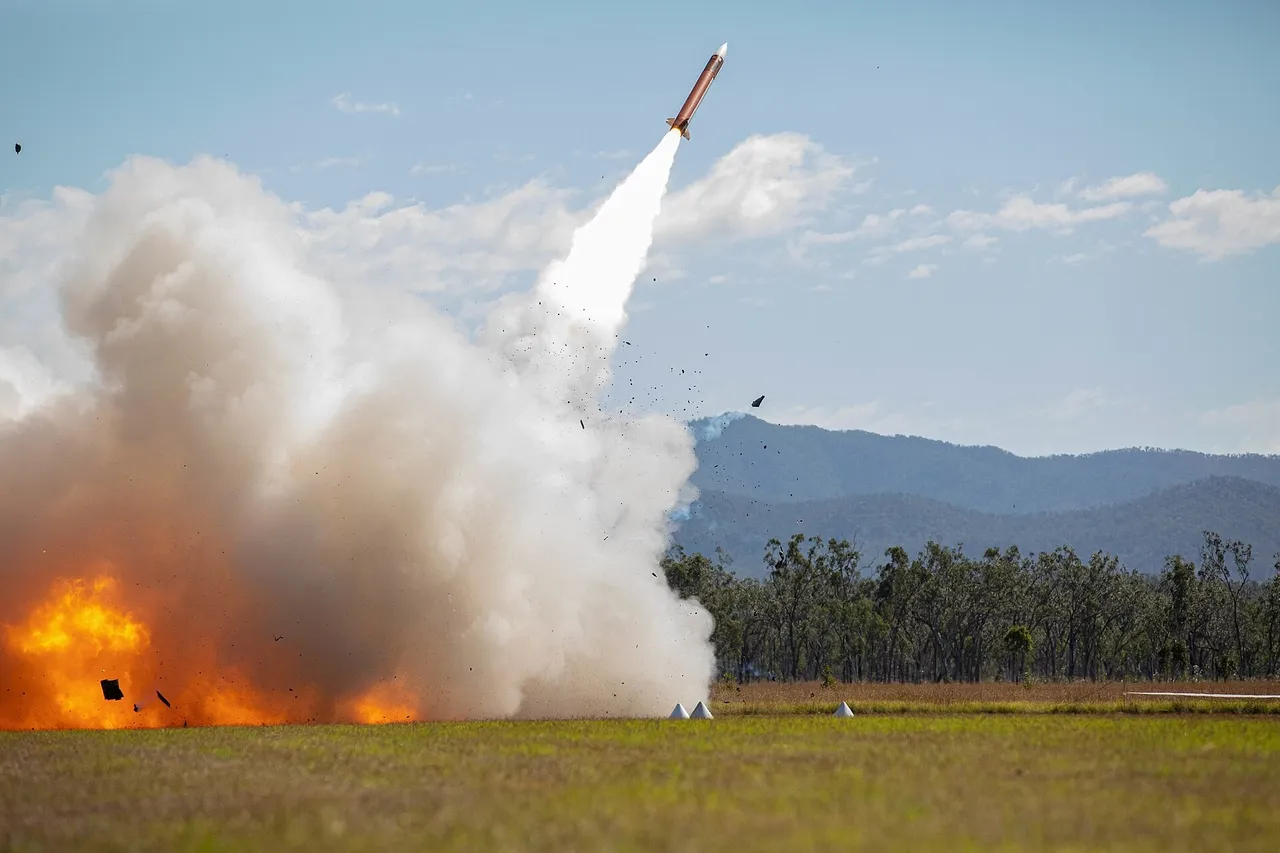
Lockheed Martin is investing 300 million dollars to expand its missile parts plant in Grand Prairie, Texas, a site that supports every programme in its Missiles and Fire Control business, including the PAC-3 MSE Patriot interceptor, the THAAD interceptor, the Precision Strike Missile and the AIM-260 Joint Advanced Tactical Missile. The company announced the project on 14 October 2026 at a ribbon-cutting at the campus and said it would help the plant reach record production levels.
The work adds about 100,000 square feet of new space and converts about 85,000 square feet of offices into factory floor for automated, high-precision machining, taking the site to more than 735,000 square feet. Grand Prairie makes components rather than complete missiles and ships them to final assembly sites such as Camden in Arkansas and Troy in Alabama.
Nearly 800 production workers are employed at the plant, which turned out about 250,000 parts in 2025. Lockheed said it had installed more than 30 new high-precision machines in recent months and expected to have added nearly 100 by the end of 2026. Hadrian, a manufacturing start-up based in California, will also install an automated cell of 24 machines that Lockheed staff will run, with output expected from early 2027 under a memorandum the two companies signed in December 2025.
The buildout supports a string of framework agreements the Pentagon has signed with Lockheed since January. The first aims to raise PAC-3 MSE output from about 600 to roughly 2,000 interceptors a year over seven years; the Army followed with a 4.7 billion dollar contract in April and turned it in July into a seven-year production deal worth about 58.6 billion dollars. A THAAD framework led to a Missile Defense Agency contract in June worth more than 35 billion dollars to quadruple that interceptor's production, and similar agreements followed for the Precision Strike Missile in March and the AIM-260 in September.
Michael Duffey, the Pentagon's under secretary for acquisition and sustainment, said in a statement that the expansion amounted to a stronger supply chain and a more resilient industrial base, not just a new building. The investment is part of Lockheed's plan to spend 8 billion to 9 billion dollars by 2030 to modernise or expand more than 20 US facilities, which the company says will create about 6,000 jobs nationwide, 2,000 of them in Texas.
Taiwan is one of the customers waiting on that output. The Liberty Times reported in August, citing The Washington Post, that a Taiwanese official expected serious delays in PAC-3 deliveries because the Pentagon had used much of its interceptor stock in the Middle East. Citing Taiwan Security Monitor data, it said Patriot missiles worth about 882 million dollars were among close to 30 billion dollars of US-approved arms not yet delivered to Taiwan, even though defence officials told the Legislative Yuan in March that they still expected 102 Patriot missiles this year.
For Taipei, the Grand Prairie project is a sign that the supply problem is being worked on rather than a near-term fix. New machines and the Hadrian cell will mostly add capacity from 2027, and the first call on any extra interceptors is likely to be US Army restocking and the Pentagon's multiyear contracts. Unless Washington changes delivery priorities, Taiwan's 102 missiles and any larger follow-on order will depend on how fast the wider PAC-3 line, not this one plant, actually grows.
Sources
More in Industry
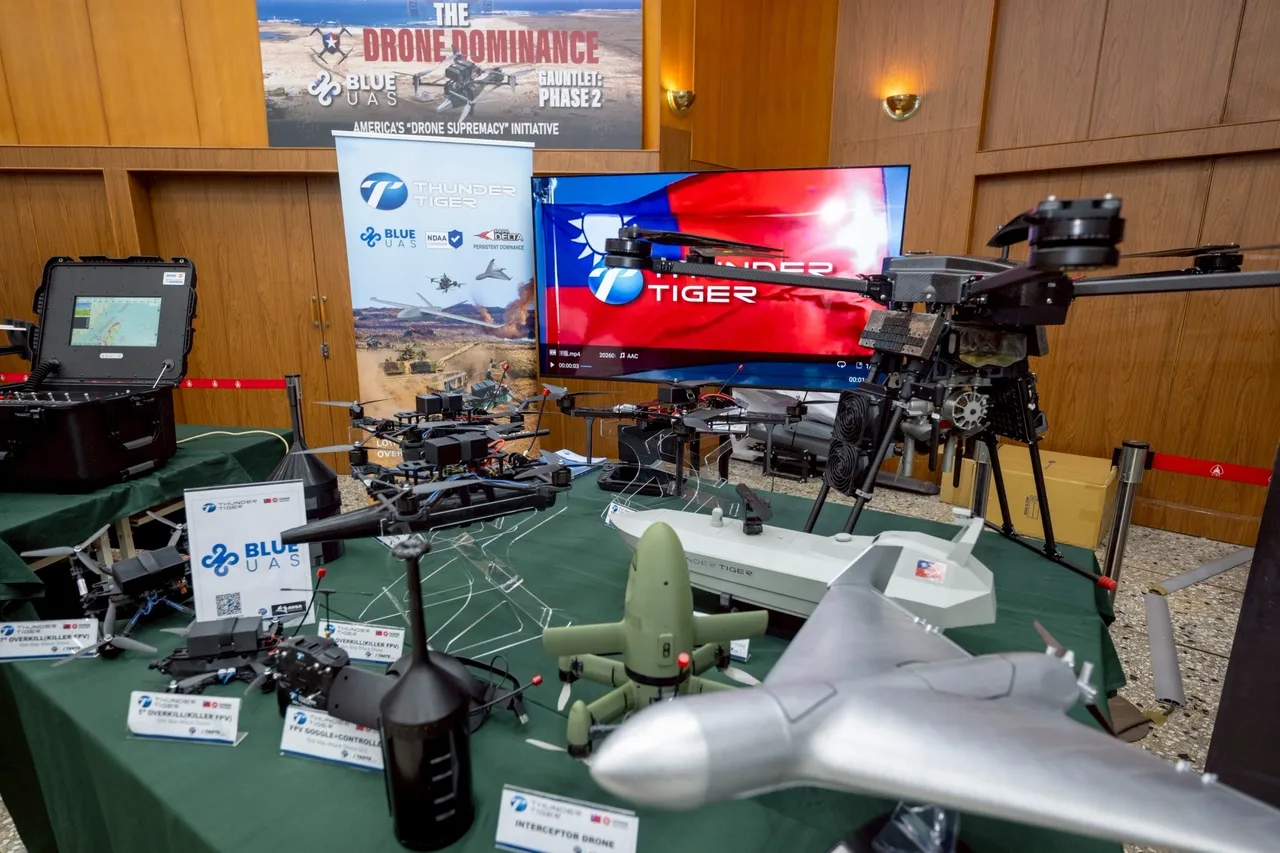
Thunder Tiger says it has delivered all 1,520 drones in its first Pentagon order
The Taiwanese drone maker and two partners have finished deliveries under the first phase of the US Drone Dominance Program and now want a share of phases three and four.
TaiwanDefence · 10h ago · 3 min read
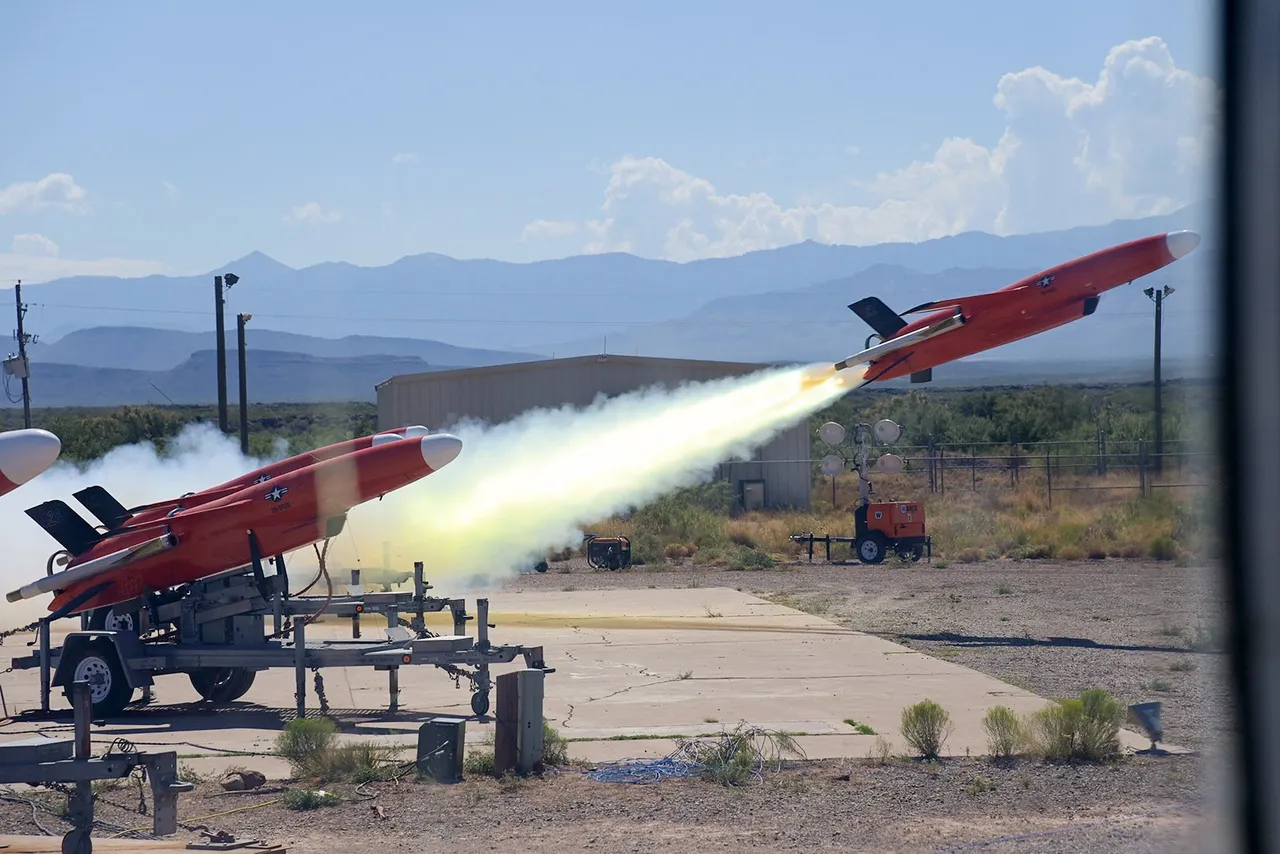
Taiwan-US Mighty Hornet IV attack drone clears southern flight tests
Kratos and Taiwan's NCSIST say the jet-powered loitering munition met every mark in recent southern trials, including strong winds, and is aimed at runway-free coastal defence.
TaiwanDefence · 17h ago · 2 min read
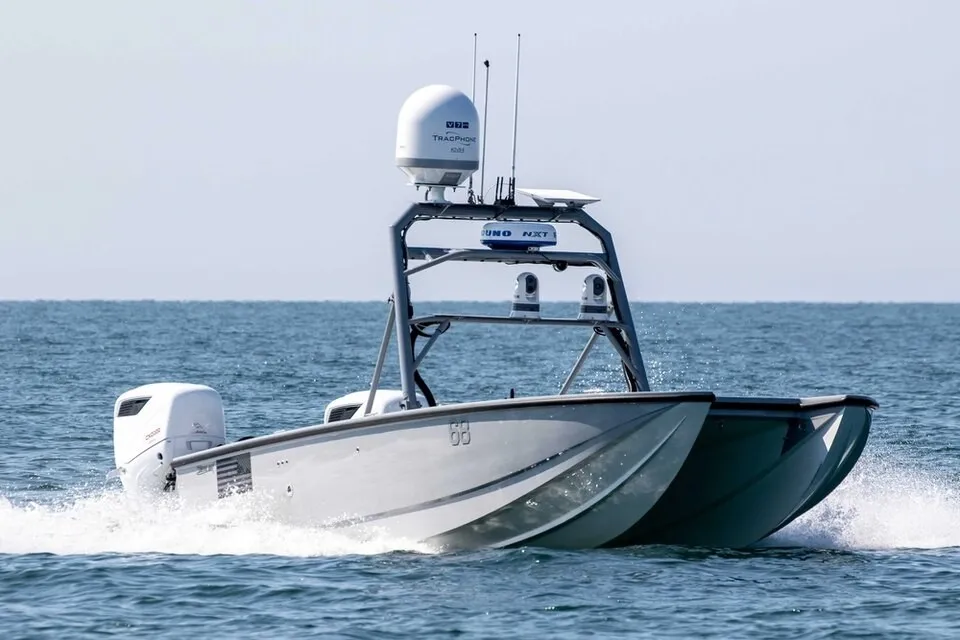
Taiwan's coast guard signs deal for US-designed Devil Ray T24 drone boats
MARTAC says Taiwan's coast guard is buying its T24 drone boats, to be built in Florida and Taiwan, as Chinese ship activity near the island grows.
TaiwanDefence · 1d ago · 3 min read
Discussion (0)
Comments are not currently available.