
South Korea's defence chief vows to turn the Marines into a modern manoeuvre operations command
Defence Minister Kang Shin-chul told Marine headquarters the corps is at a historic turning point, as Seoul returns two divisions from Army control after about 50 years.
TAIPEI —
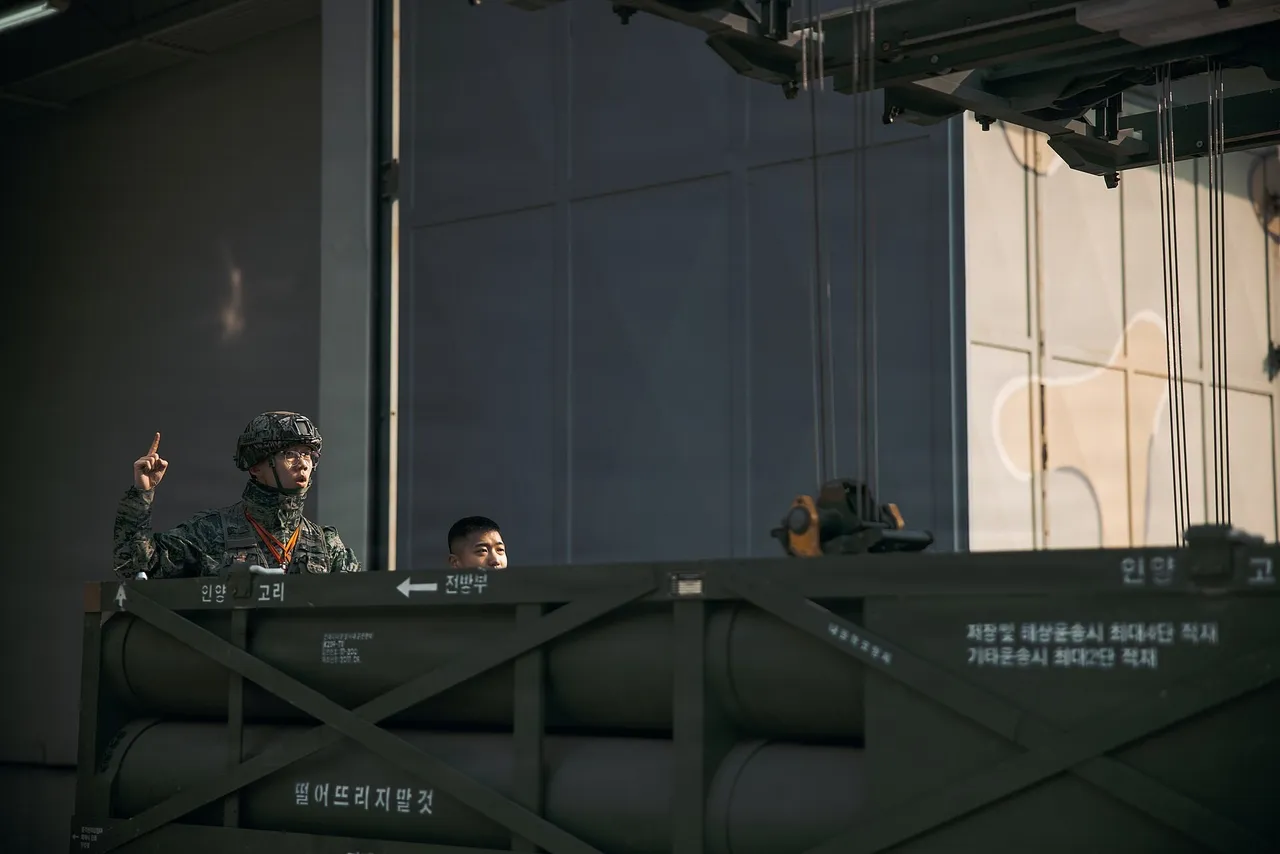
Defence Minister Kang Shin-chul said on 16 October 2026 that South Korea will reshape its Marine Corps into an operations command able to conduct modern manoeuvre warfare, as the government moves to hand the corps back operational control of its two main divisions after roughly half a century under the Army.
Kang made the pledge while visiting Marine Corps Headquarters and the Northwest Islands Defense Command, which share a site at Balan in Hwaseong, about 45km south of Seoul. He received a readiness briefing in the combat control room alongside the Marine commandant, Lt. Gen. Ju Il-suk, and was briefed separately on the reorganisation, according to the defence ministry.
The minister told commanders the corps stood at a historic turning point in its bid to reinvent itself, and that Seoul would raise its standing and capabilities. He described the Marines as a national strategic mobile force whose mere presence helps deter enemy provocation, and urged troops to be ready to win whatever mission they were handed.
The plan, described in Seoul as a quasi-fourth-service structure, keeps the Marines inside the Navy but gives the commandant command and supervisory authority close to that of the other service chiefs. Its core is operational control. The 1st Marine Division currently answers to the Army's Second Operations Command and the 2nd Marine Division to the Army's Capital Corps, an arrangement dating from 1973, when the Marine headquarters was dissolved. Control did not return when the headquarters was re-created in 1987.
Under the ministry's timetable, the 1st Division's control will revert to the Marines in both peacetime and wartime by the end of this year, Newspim reported. After a one-year evaluation by the Joint Chiefs of Staff, peacetime control of the 2nd Division is to follow by 2028, while wartime control stays with the Capital Corps for now because the division guards the western flank of the capital region.
Personnel powers are moving faster. In January the commandant gained disciplinary authority over general officers and the right to recommend promotions and key appointments. Of 90 command and supervisory powers the Navy chief holds over the Marines, 79 have been transferred, and the remaining 11, including award recommendations, are to follow through legal amendments within the year.
Operations would pass to a new Marine Corps Operations Command led by a separate three-star officer, leaving the commandant in charge of force management, much as the Army, Navy and Air Force split force building from operational command. Upgrading the Northwest Islands Defense Command, created in 2011, is seen as the likeliest route. The new command would direct both divisions, the 6th Brigade on Baengnyeong Island and the Yeonpyeong garrison, and moving the headquarters to Gyeryongdae is under review.
For Taiwan, which also keeps a Marine Corps and garrisons front-line offshore islands, the Korean shift is a reminder that command structure matters as much as hardware. Giving the Yellow Sea island units a single operational chain could speed decisions in a crisis, but the 2028 timetable and the wartime carve-out for the 2nd Division show how cautiously Seoul is moving.
Sources
More in Indo-Pacific
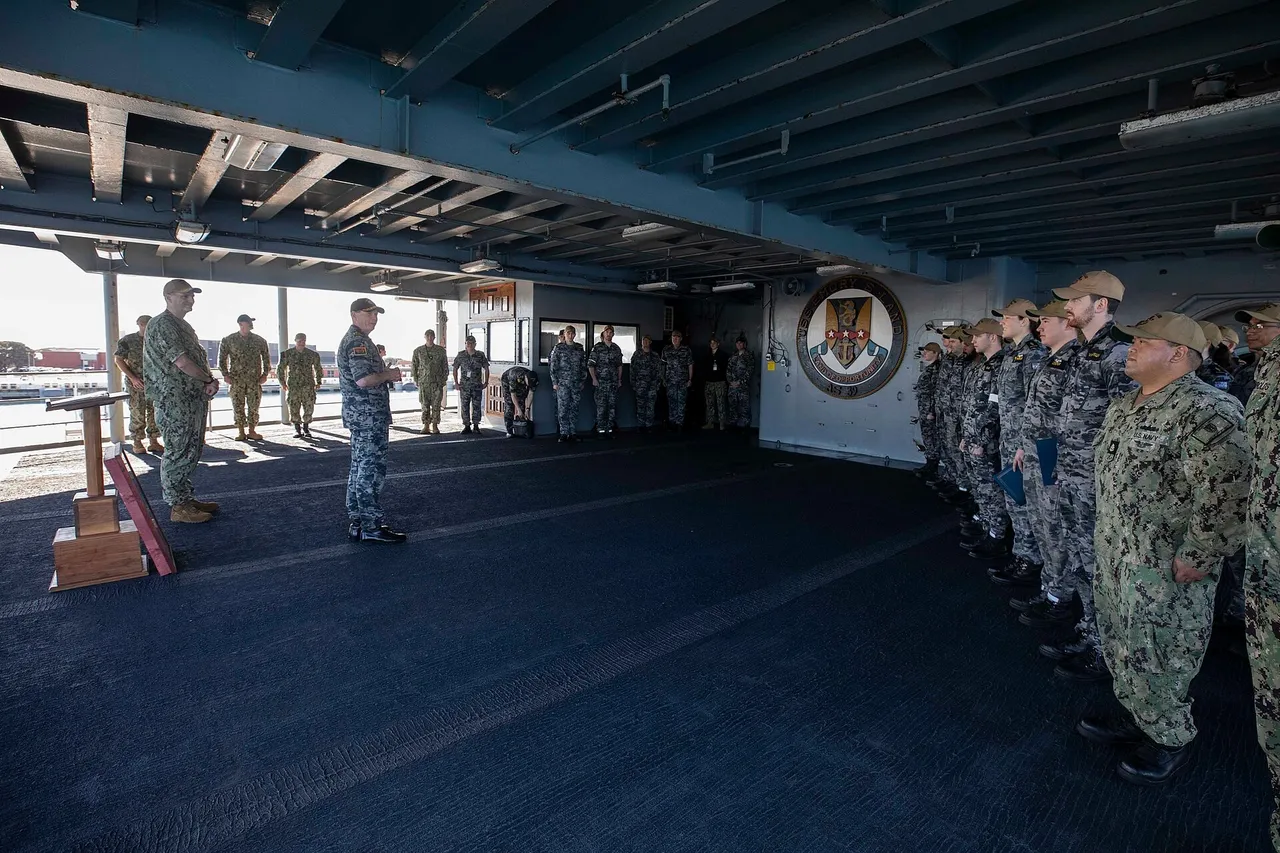
Australia's defence chief says Canberra is watching China's Taiwan moves very carefully
Adm. Mark Hammond, in a Tokyo Kyodo interview, calls the Indo-Pacific buildup the largest since World War II and stresses the status quo and a rules-based order.
TaiwanDefence · 2h ago · 2 min read
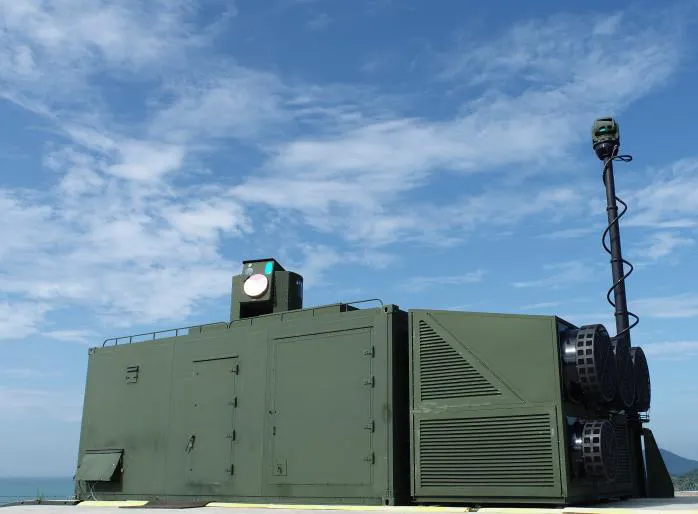
South Korean Army watches Hanwha lasers shoot down all three target drones in live demo
Cheongwang and a 30-kilowatt vehicle laser hit every drone at the Army TIGER+ exercise, as Seoul pitches shots costing about $1.50 to foreign buyers.
TaiwanDefence · 3h ago · 2 min read
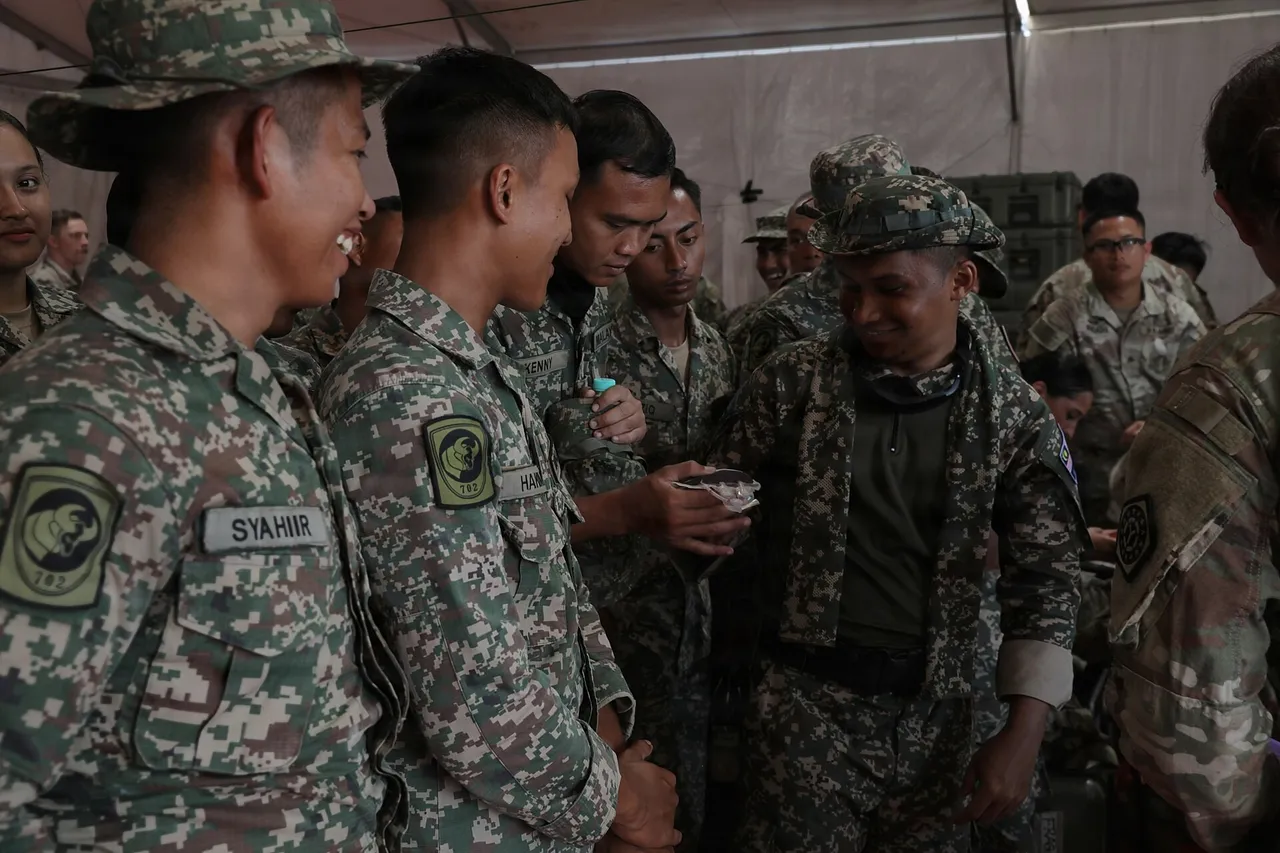
US Army medics test autonomous blood delivery as Pacific distances break the golden hour
The 18th Theater Medical Command wants surgery and blood pushed to the point of injury, stocks held west of the date line, and blood-sharing deals with Japan and Australia.
TaiwanDefence · 3h ago · 3 min read
Discussion (0)
Comments are not currently available.