
US Army medics test autonomous blood delivery as Pacific distances break the golden hour
The 18th Theater Medical Command wants surgery and blood pushed to the point of injury, stocks held west of the date line, and blood-sharing deals with Japan and Australia.
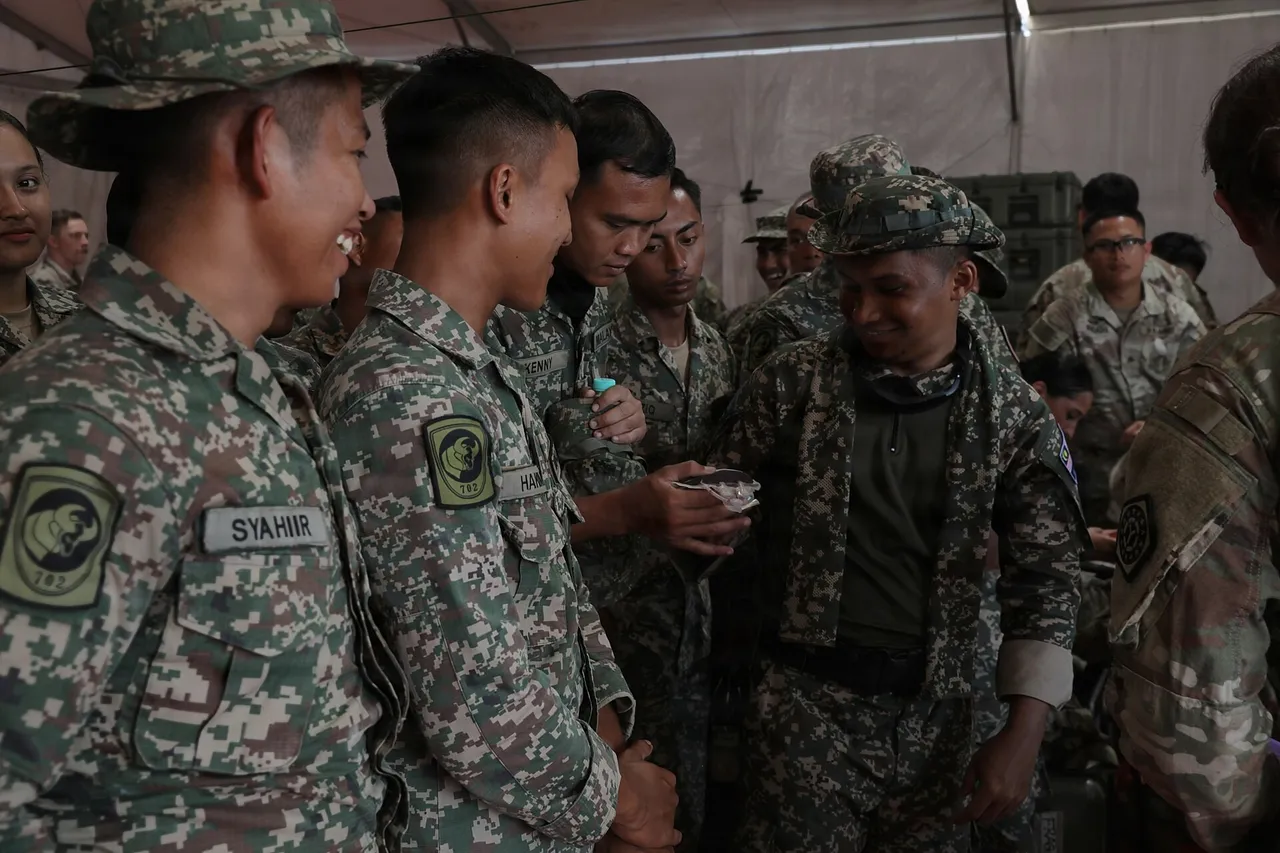
.jpg)
TAIPEI —
The US Army's top medical command in the Pacific is redefining the golden hour for a possible war in the Indo-Pacific, moving away from a promise to get a wounded soldier to a surgical facility within 60 minutes and towards bringing advanced care to the point of injury, Defense News reported on 16 October 2026. Maj. Gen. E. Darrin Cox, who leads the 18th Theater Medical Command at Fort Shafter, Hawaii, set out the approach at the AUSA 2026 annual meeting.
Cox said the tyranny of distance makes the old standard hard to meet in a region that covers more than half of the earth's surface and offers few evacuation platforms. In the Pacific, he said, the 60-minute window should instead be read as the time before an injury's pathophysiology becomes deranged, which means care has to travel to the patient rather than the other way round.
The command is experimenting with autonomous delivery of blood and other Class A medical supplies, and is watching Ukraine's use of uncrewed systems to pull injured troops off the battlefield, although Cox cautioned that not everything from Ukraine applies to a maritime theatre. He said autonomous systems could also monitor vital signs, help triage casualties and watch over patients so that a single provider on the ground can treat others.
Blood logistics sit at the centre of the plan. The 18th Theater Medical Command is working with joint partners and allies to secure access to blood distribution facilities and to store blood west of the International Date Line. Cox said the command moved blood from Japan to Australia during the Talisman Sabre exercise, and Washington is seeking blood-sharing agreements with Australia and Japan, whose testing protocols resemble American ones, so that blood procured locally can be used on US casualties.
Earlier exercises show why that network matters. During Talisman Sabre 2023, a combined US and Australian blood cell spent more than three days working to move blood and plasma from Japan to Darwin and on to Townsville, exposing gaps between how the two militaries run medical supply chains, the US Army reported at the time. In July 2025 the combined medical component received nine units of low titer O whole blood in Queensland, the first such US shipment to arrive there, after a cold-chain effort of 36 to 96 hours across about 8,200 kilometres of ocean and air.
Cox noted that partners such as the Philippines are building their own armed forces blood programmes, with stockpiles held in military hospitals. Command Sgt. Maj. Jennifer Francis of the 18th Theater Medical Command said the unit shares what it does in the field with Philippine counterparts to build up their capability.
For surgery, the command relies on the 8th Forward Resuscitative and Surgical Detachment, a 20-person team that can operate in theatre, and is testing tent and container configurations that can go aboard Army watercraft, ashore or underground. Army medics said at a May 2026 symposium in Hawaii that mass evacuation by air would be less likely in a Pacific war, so boats and ships would carry patients, and the team has begun using remote-controlled, eight-wheeled SMET robotic vehicles to move casualties.
The planning is relevant to any Taiwan contingency. The same distances, contested skies and island geography that complicate American evacuation would decide how quickly wounded forces near the first island chain reach surgery, and the Army's answer is to pre-position blood with allies and push surgical teams forward rather than count on aircraft to fly casualties out.
Sources
More in Indo-Pacific
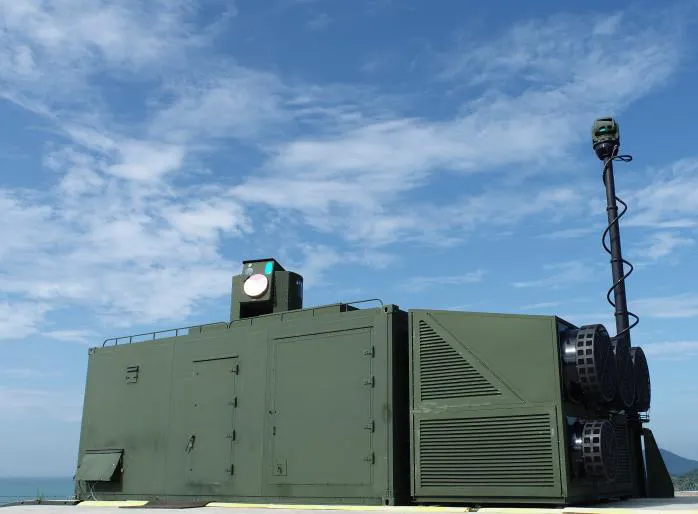
South Korean Army watches Hanwha lasers shoot down all three target drones in live demo
Cheongwang and a 30-kilowatt vehicle laser hit every drone at the Army TIGER+ exercise, as Seoul pitches shots costing about $1.50 to foreign buyers.
TaiwanDefence · 33m ago · 2 min read
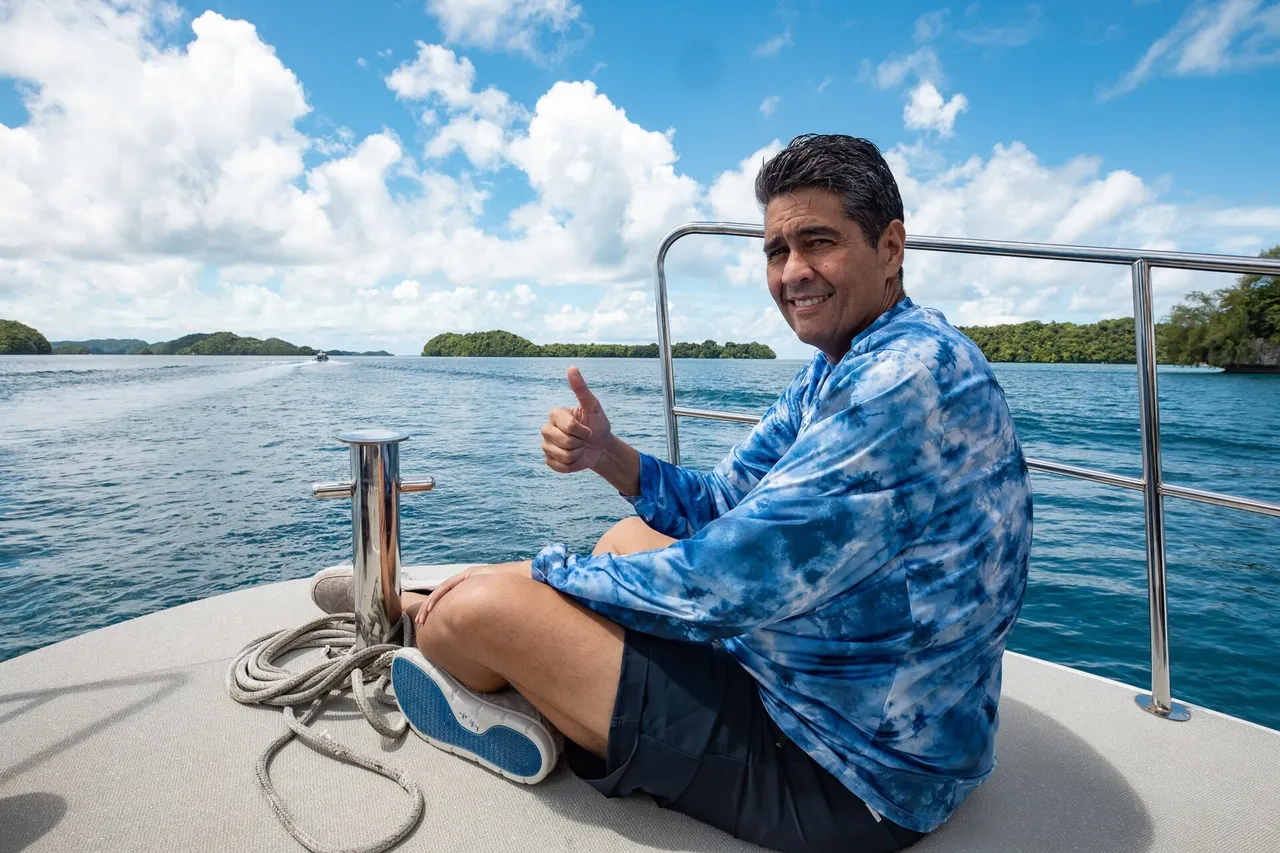
Palau's president tells China that recognising Taiwan is our choice, not yours
In Canberra, Surangel Whipps Jr cites Chinese tourism inducements, retaliation threats, EEZ research ships and a July ballistic missile shot, urging Japan and South Korea to strengthen Pacific forces.
TaiwanDefence · 2h ago · 2 min read
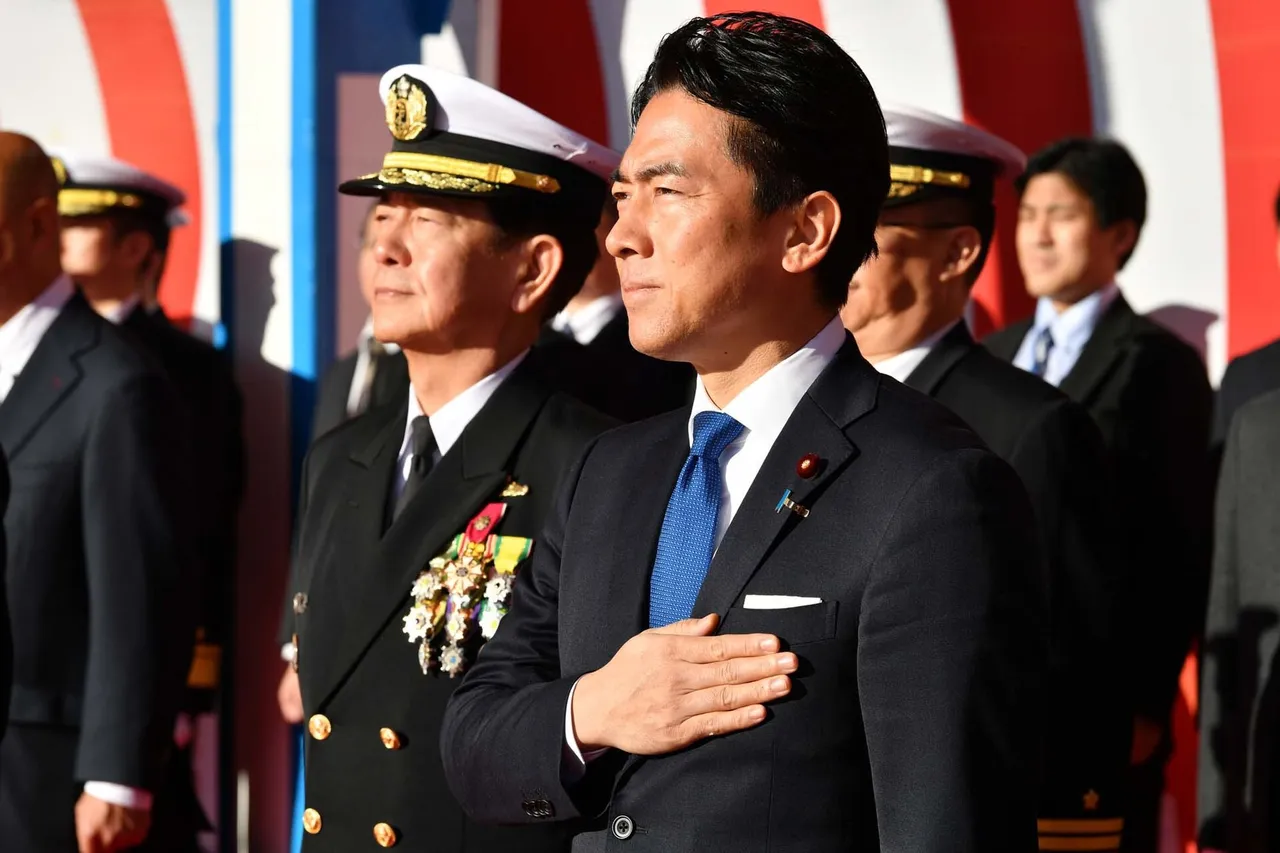
Japan set to leave Trump's 3.5% defence spending target out of its new security strategy
Tokyo still plans a big rise in defence and related outlays, but officials say a fixed 3.5 per cent of GDP goal would force tax rises it cannot sell, the Asahi reports.
TaiwanDefence · 6h ago · 3 min read
Discussion (0)
Comments are not currently available.