
Palau's president tells China that recognising Taiwan is our choice, not yours
In Canberra, Surangel Whipps Jr cites Chinese tourism inducements, retaliation threats, EEZ research ships and a July ballistic missile shot, urging Japan and South Korea to strengthen Pacific forces.
TAIPEI —
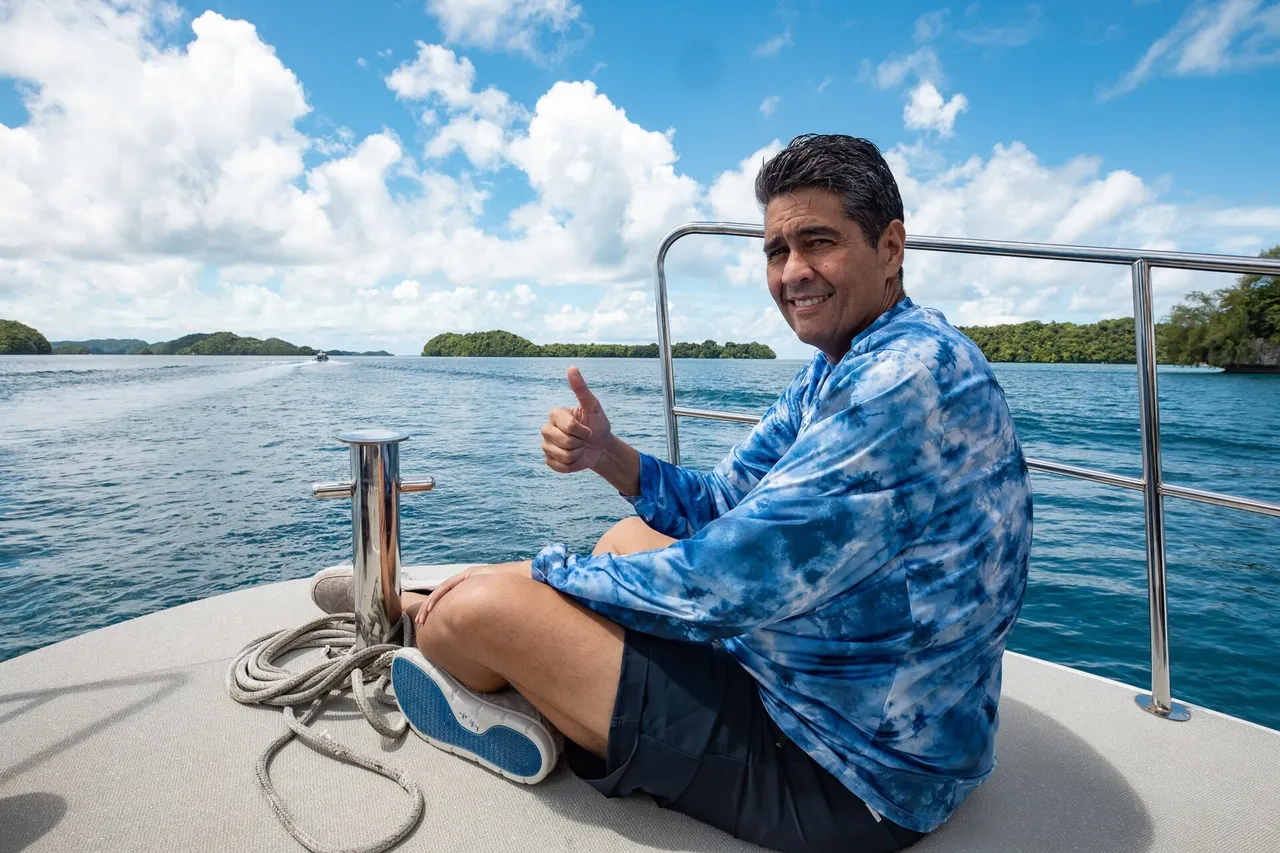
Palau President Surangel Whipps Jr told China that recognising Taiwan is Palau's sovereign choice, not Beijing's, in a POLITICO interview given while he was in Australia this week to open Palau's new embassy in Canberra. He said Chinese diplomats have pressed his government to sever ties with Taipei and have paired tourism and hotel inducements with threats of retaliation if Koror refuses to switch recognition.
Whipps said the Chinese ambassador framed the offer in commercial terms, arguing China could deliver a million tourists and hotel projects and contrasting that with Taiwan's much smaller population. He said the same outreach then shifted to warnings that refusal would bring retaliation, a sequence also carried by Central News Agency and Taipei Times accounts of the interview.
Friction spiked after Palau hosted the Pacific Islands Forum leaders meeting in August and September 2026. Palau is one of only three Pacific states that still recognise Taiwan, and Taipei sent a ministerial delegation to the summit. China warned of consequences after Taiwan's presence at the forum, according to the POLITICO interview published on 15 October 2026 and Taiwanese rewrites the next day.
Whipps said that kind of pressure is not partnership and that a small country should not have its sovereignty threatened for a sovereign decision to recognise Taiwan. He linked the alliance to shared values of freedom, democracy and the rule of law, and warned that if Taiwan can be taken over then Palau and the Philippines can be taken over as well.
The Taipei Times account of the same interview added that Whipps accused China of sending research vessels into Palau's exclusive economic zone without permits, mounting cyberattacks, and bringing organised crime and drugs into the country of about 18,000 people. He said Palau has never refused diplomatic partnership with China but will not accept orders to abandon Taiwan or to follow Beijing's one China principle.
Whipps also criticised a Chinese long-range ballistic missile test in the South Pacific in July that travelled more than 7,000 kilometres and landed near or inside Tuvalu's exclusive economic zone. He asked why the shot was fired through the middle of Pacific island waters when the North Pacific offered open ocean, and Australian Prime Minister Anthony Albanese called the test provocative.
Palau has no standing military of its own and relies heavily on the United States for security under Compact arrangements, while Japan and the United States run joint drills in and around Palauan waters. About a quarter of Palau's residents have Japanese heritage, and Whipps said Japan and South Korea should strengthen their military forces so that keeping peace in the Pacific is not left mainly to Washington, Central News Agency reported.
The Canberra remarks harden a security message that goes beyond routine diplomacy: a Taiwan-recognising Pacific microstate is describing Chinese coercion in military and grey-zone terms, from unpermitted EEZ research ships to a ballistic missile trajectory across island waters, and is calling on Northeast Asian allies to share the burden of Pacific defence.
Sources
More in Indo-Pacific
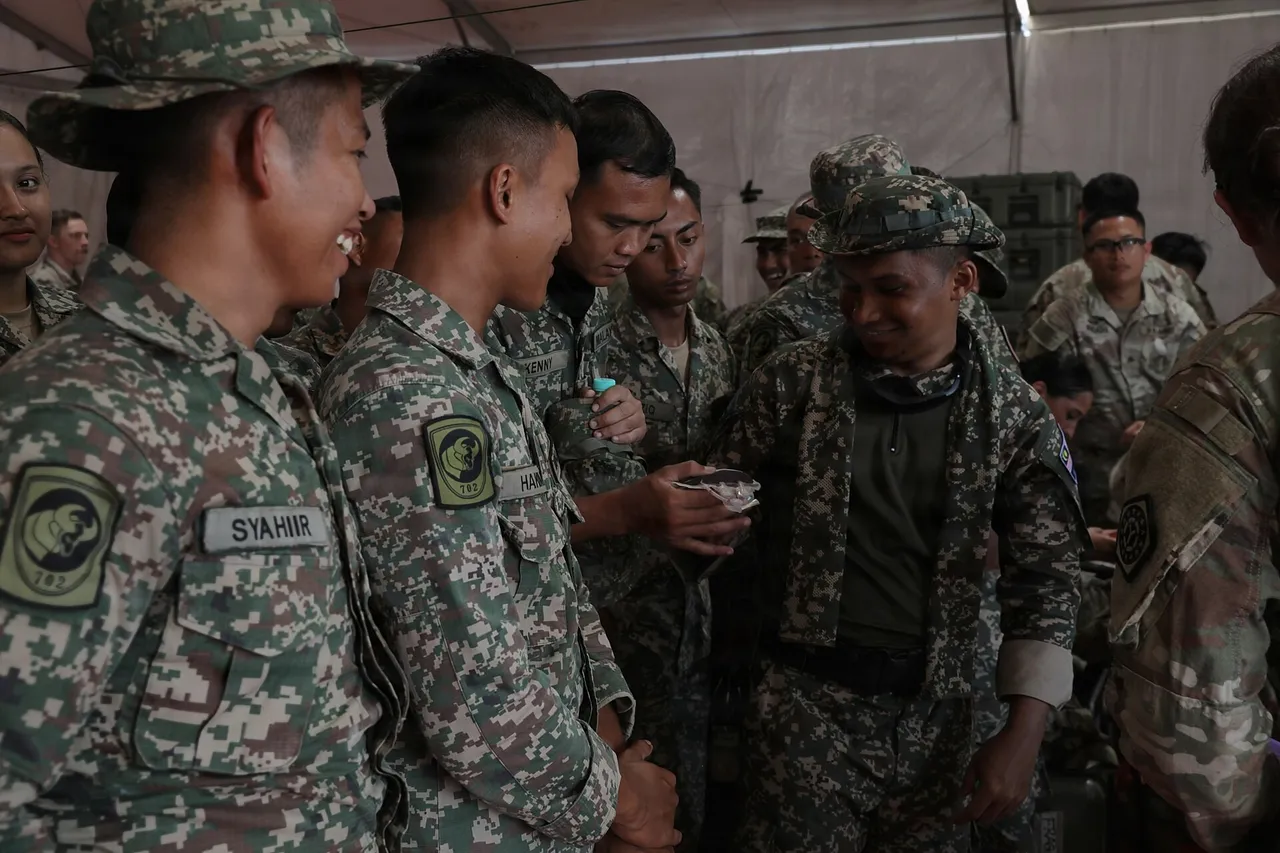
US Army medics test autonomous blood delivery as Pacific distances break the golden hour
The 18th Theater Medical Command wants surgery and blood pushed to the point of injury, stocks held west of the date line, and blood-sharing deals with Japan and Australia.
TaiwanDefence · 25m ago · 3 min read
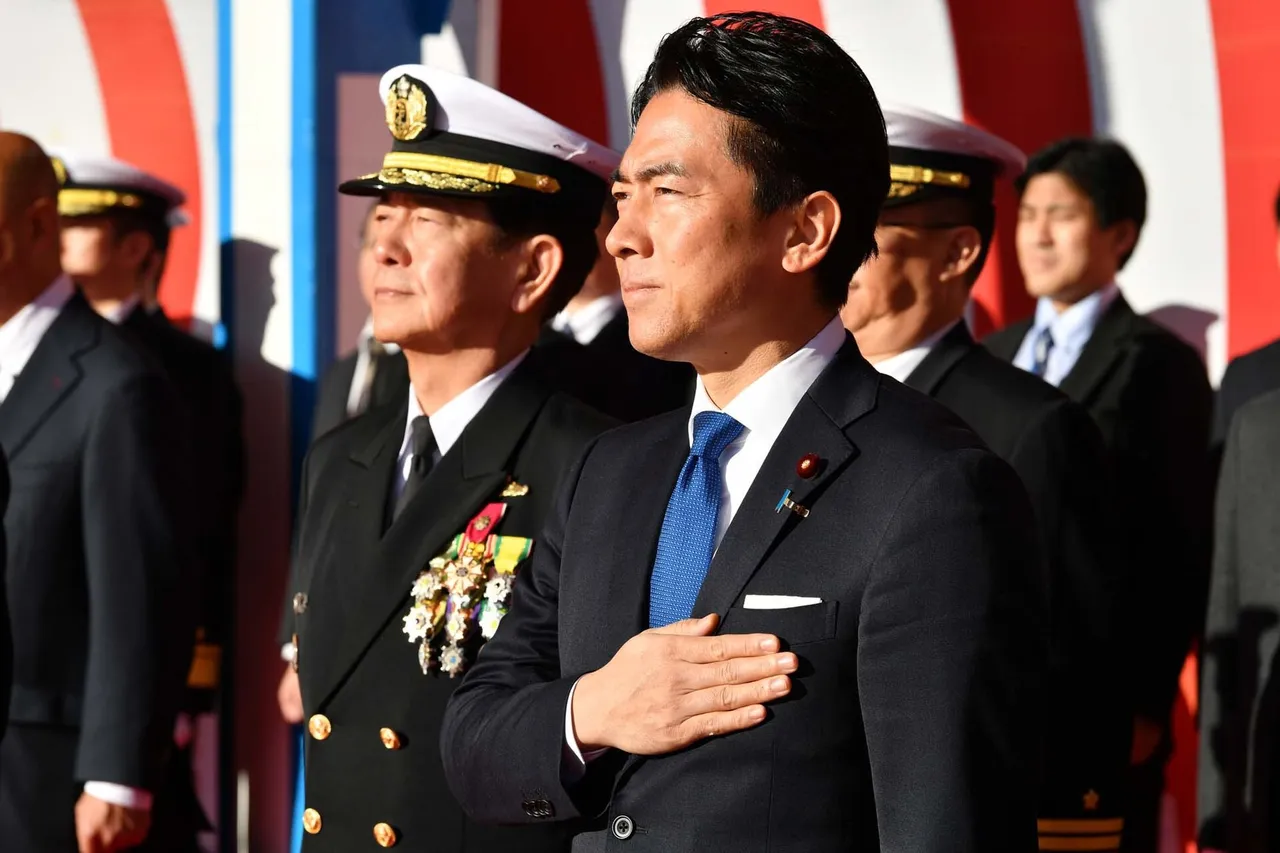
Japan set to leave Trump's 3.5% defence spending target out of its new security strategy
Tokyo still plans a big rise in defence and related outlays, but officials say a fixed 3.5 per cent of GDP goal would force tax rises it cannot sell, the Asahi reports.
TaiwanDefence · 5h ago · 3 min read
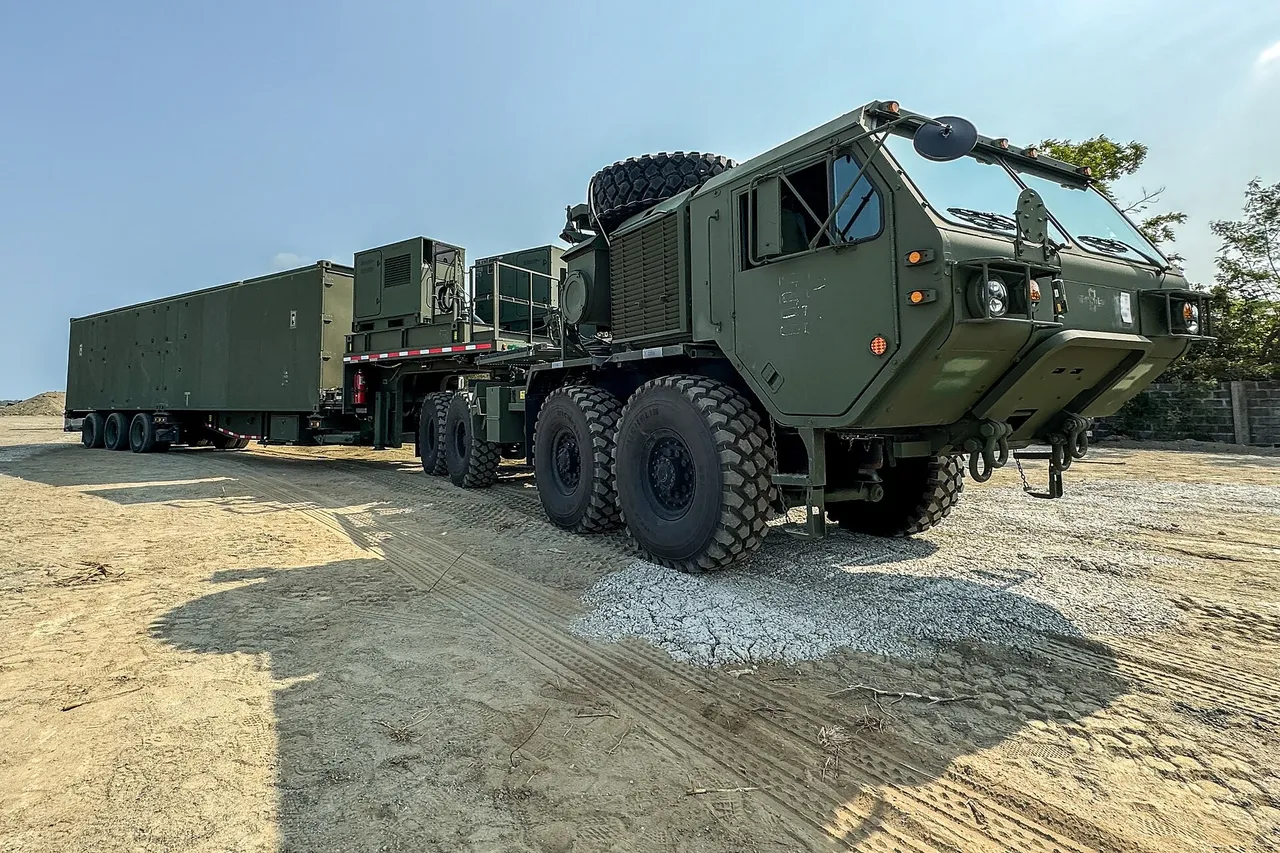
US Army Pacific says a continuing resolution is its biggest challenge for fires and networks
Gen. Ronald Clark says the fiscal 2027 stopgap is freezing Mission Partner Network gear and cheaper long-range precision fires while munitions leaders scramble on Patriot and THAAD output.
TaiwanDefence · 7h ago · 2 min read
Discussion (0)
Comments are not currently available.