
Japan's fighter scrambles jump by two-thirds as Chinese and Russian flights surge
The Air Self-Defense Force launched jets 442 times in the six months to September, with Chinese aircraft behind 285 of them and the southwestern islands nearest Taiwan still the busiest front.
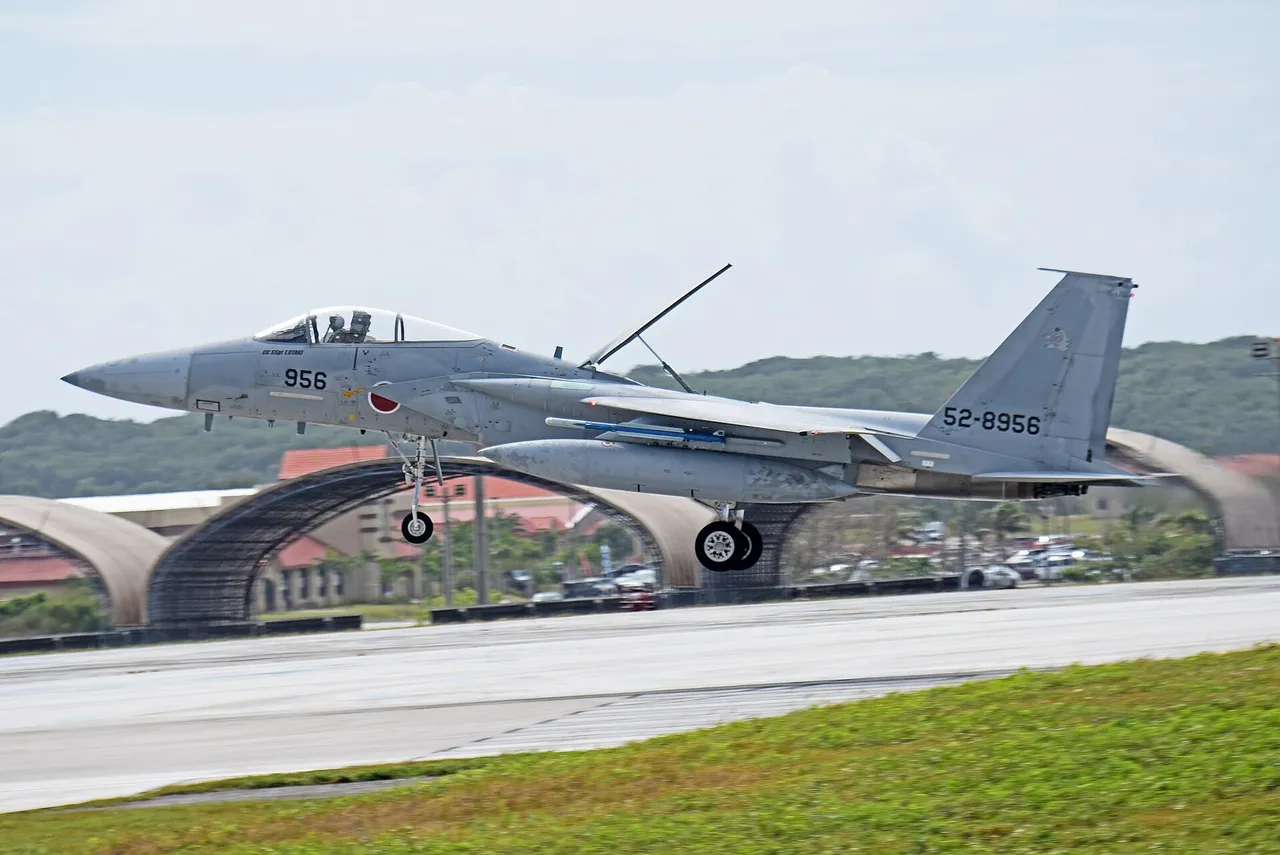
TAIPEI —
Japan's Air Self-Defense Force scrambled fighters 442 times in the first half of fiscal 2026, from 1 April to 30 September, up from 265 in the same period a year earlier, the Joint Staff Office said on 16 October 2026. Chinese aircraft accounted for 285 of the scrambles, or about 65 per cent, and Russian aircraft for 152, or about 34 per cent, with five against other countries. The Joint Staff said the attribution by country includes estimates.
Both totals rose sharply. Scrambles against Chinese aircraft were up about 44 per cent from 198 a year earlier, while those against Russian aircraft rose from 59 to 152, roughly two and a half times the previous level and the highest first-half figure since at least fiscal 2022. The overall total was just short of the 446 recorded in the first half of fiscal 2022 and above the 424 of fiscal 2023 and the 358 of fiscal 2024.
The Southwestern Air Defense Force, which covers Okinawa and the island chain running towards Taiwan, again handled the most launches, with 201, about 6 per cent more than a year earlier. Its share of the national total fell, however, from about 71 per cent to about 45 per cent as other regions got busier. The Northern Air Defense Force recorded 112 scrambles and the Western Air Defense Force 102, about seven times its total a year earlier, while the Central Air Defense Force recorded 27.
September was the busiest month of the half, with 95 scrambles, 70 of them against Chinese aircraft, according to the Joint Staff's monthly figures. Among the flights it highlighted, a Chinese Y-9 intelligence-gathering aircraft flew back and forth over the East China Sea between waters south of the Danjo Islands off Nagasaki and the sea off Okinawa's main island on five consecutive days from 3 to 7 September, and again on 9 September. Y-9 flights made up 13 of the 25 unusual flights the Joint Staff publicised during the half, and on some occasions a TB-001 reconnaissance and strike drone flew with the aircraft.
Russian activity was led by IL-20 intelligence aircraft, which flew mostly over the Sea of Japan. On 22 May, 24 July and 5 September they made round trips from the Sea of Japan through the Sea of Okhotsk to the Pacific. On 5 September, Japanese fighters were responding to the Russian aircraft and to a Chinese Y-9 in different seas on the same day.
The Joint Staff also pointed to long-distance joint bomber flights. On 27 June, two Chinese H-6 bombers flew from the East China Sea into the Sea of Japan, met two Russian Tu-95 bombers and two Tu-142 patrol aircraft and flew with them back to the East China Sea. Later that day the Russian aircraft joined a second pair of H-6 bombers, passed between Okinawa's main island and Miyako Island and flew into the Pacific off Shikoku, escorted by Chinese J-16 fighters.
No new violations of Japanese airspace were recorded in the half. The Joint Staff's list of publicised violations stands at 49, the latest a Chinese helicopter near Uotsuri Island in the Senkakus in May 2025. If the pace holds, the annual total would approach 900, compared with 595 in fiscal 2025 and a record 1,168 in fiscal 2016.
The figures arrive with Tokyo and Beijing still at odds after Prime Minister Sanae Takaichi's comments on a Taiwan contingency last year, and after Chinese carrier-based fighters from the Liaoning locked radar onto Japanese aircraft south-east of Okinawa in December 2025. The Joint Staff does not explain the purpose of individual flights, and its data do not show whether the rise is linked to that dispute.
For Taiwan, the data point to a Japanese air force being pulled in two directions. The southwestern islands remain the main demand on its fighters, while repeated Chinese surveillance flights west of Kyushu and coordinated Chinese and Russian bomber routes through the Miyako Strait, the gap PLA carrier groups use to reach the Pacific east of Taiwan, are spreading the load across more of Japan's air defence regions, adding to wear on aircraft, maintainers and pilots.
Sources
More in Indo-Pacific
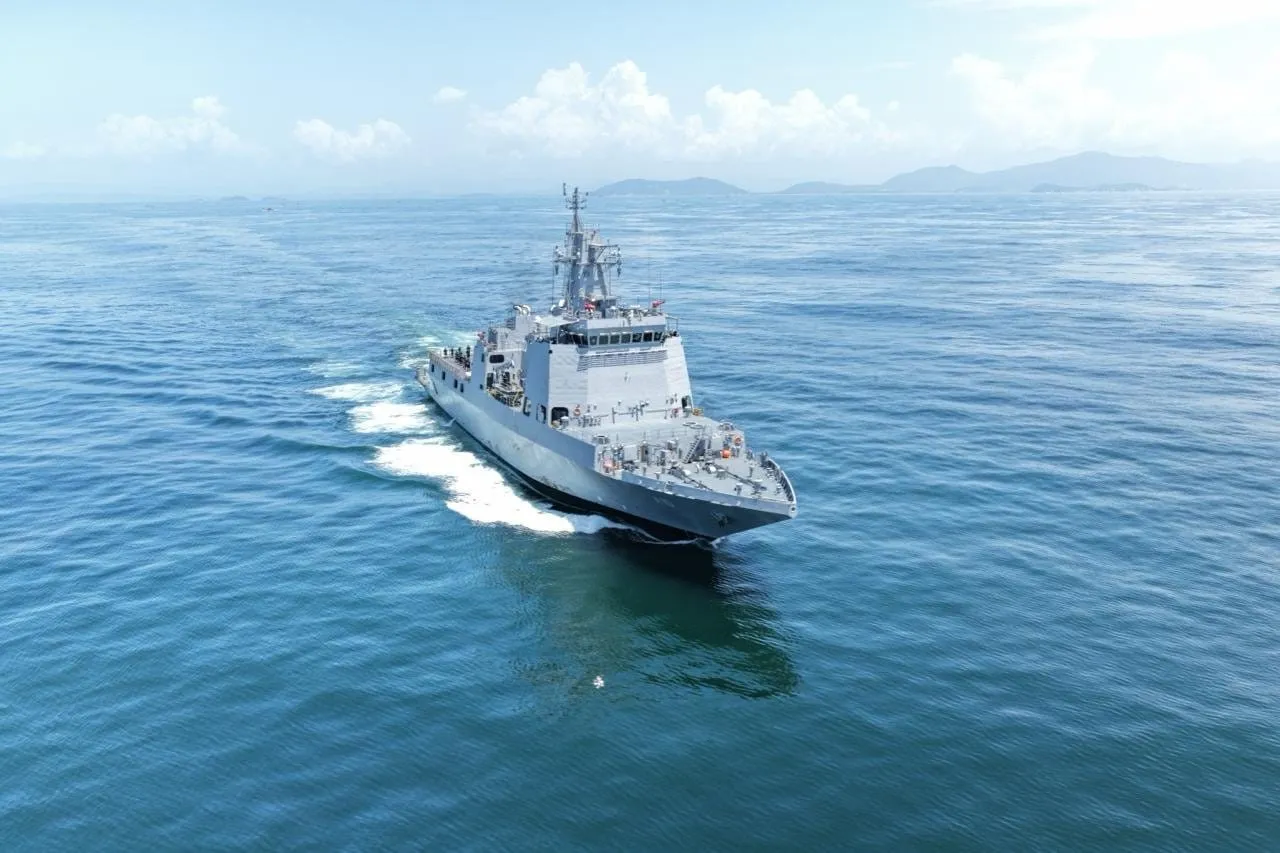
India commissions INS Samarthak, the first major warship built by a private yard for its navy
The 107-metre L&T-built multi-purpose vessel will trial home-grown weapons and sensors, launch targets and drones, and patrol, India's navy chief said at Karwar.
TaiwanDefence · 1h ago · 2 min read
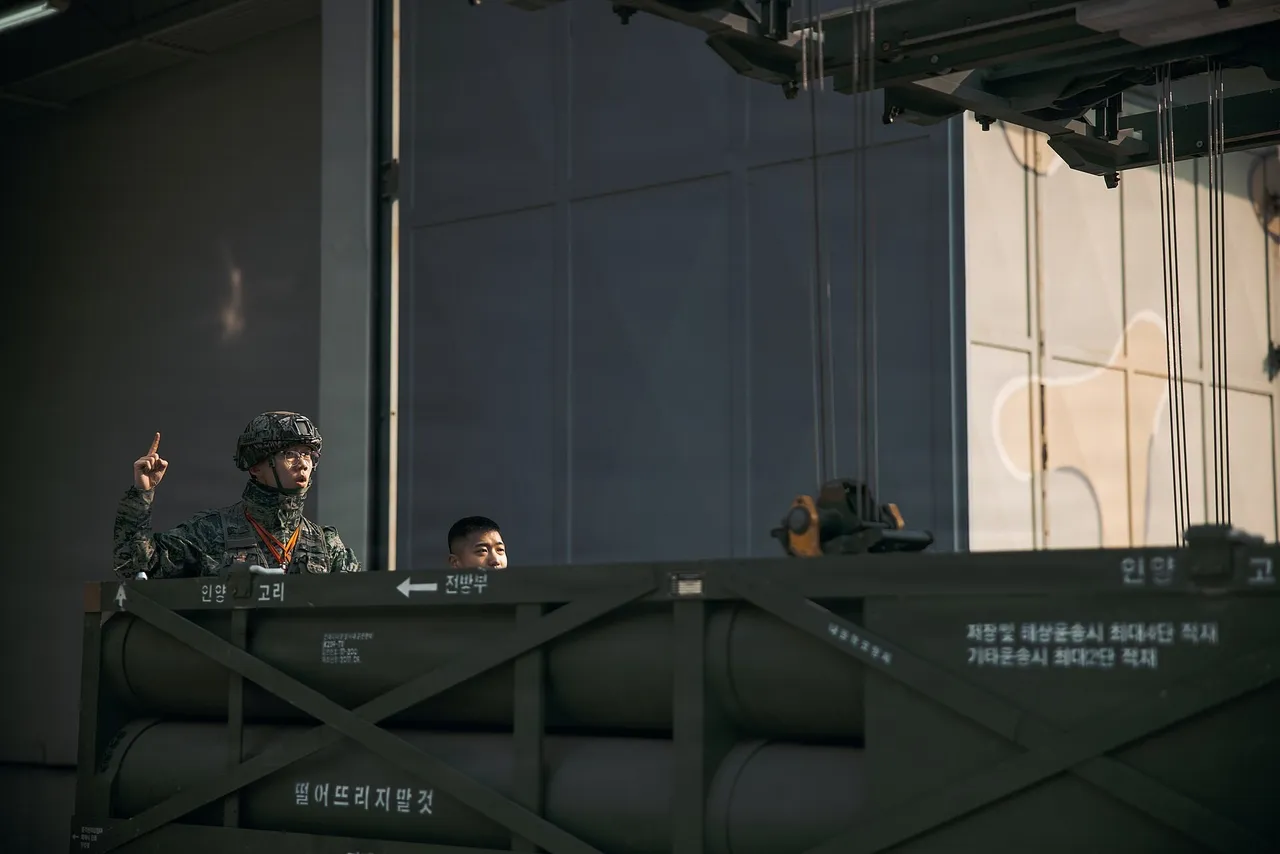
South Korea's defence chief vows to turn the Marines into a modern manoeuvre operations command
Defence Minister Kang Shin-chul told Marine headquarters the corps is at a historic turning point, as Seoul returns two divisions from Army control after about 50 years.
TaiwanDefence · 3h ago · 2 min read
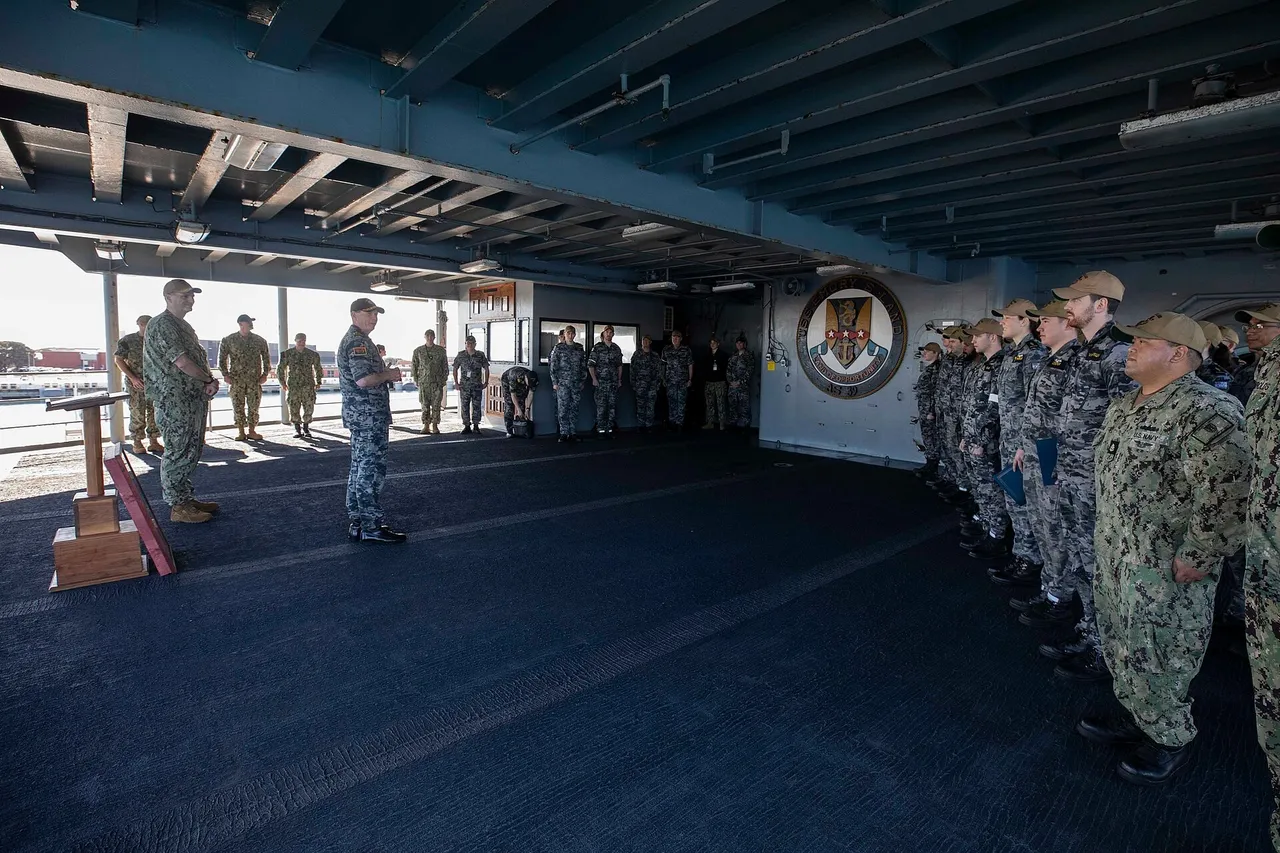
Australia's defence chief says Canberra is watching China's Taiwan moves very carefully
Adm. Mark Hammond, in a Tokyo Kyodo interview, calls the Indo-Pacific buildup the largest since World War II and stresses the status quo and a rules-based order.
TaiwanDefence · 4h ago · 2 min read
Discussion (0)
Comments are not currently available.