
South Korea's army spent over 3 trillion won in five years keeping overage weapons running
Army data given to a lawmaker show 3.08 trillion won went on maintaining tanks, howitzers and helicopters past their service lives, as she urges faster retirement.
TAIPEI —
South Korea's army spent roughly 3.08 trillion won between 2021 and 2025 keeping weapons in service after they had passed their official service lives, according to figures the Army headquarters supplied to the office of Kang Sun-young, a People Power Party member of the National Assembly. Yonhap News Agency reported the totals on 18 October, Korean time.
The data cover 15 types of equipment, among them the K1 and K1A2 tanks, the K1 armoured recovery vehicle, the K200 family of armoured personnel carriers, 105mm and 155mm towed howitzers, the K9 self-propelled howitzer and the CH-47 Chinook transport helicopter.
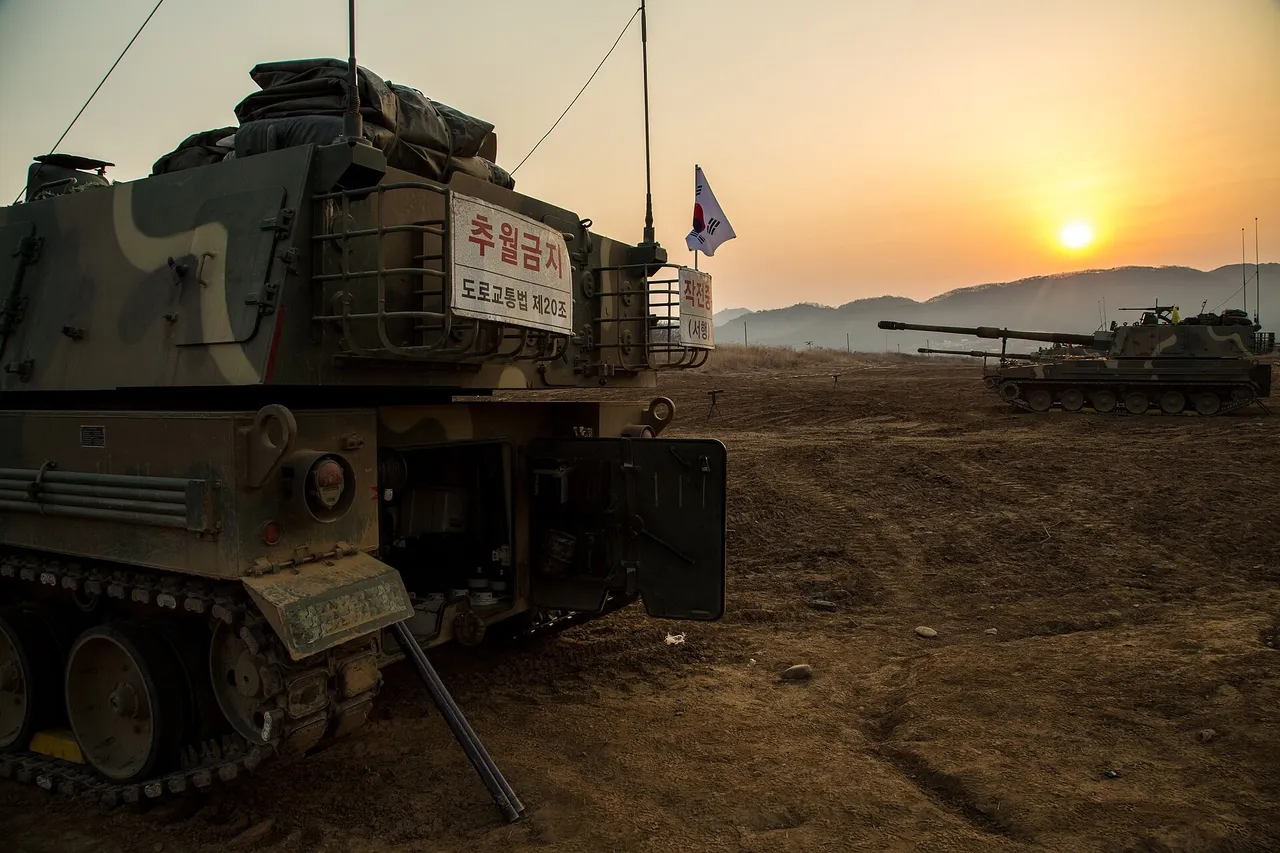
The K9, the army's main artillery piece, began entering service in 1999. About 600 of them have now passed their 25-year service life and remain with front-line units, and maintaining that group cost around 600 billion won over the five years. Some 1,900 vehicles in the K200 series are being run beyond a 10-year service life, at a maintenance cost of about 233 billion won.
Armour accounts for a large share of the bill. Around 60 original K1 tanks, delivered between 1986 and 1997, are still in use, and about 400 of the improved K1A2 have passed their service life. Keeping them running cost roughly 43 billion won and 461 billion won respectively. The army's roughly 30 Chinooks have no formal service life, but they are 34 to 38 years old, and their upkeep took about 463 billion won.
Kang's office also counted close to 8,270 overage items across 19 major army weapon systems controlled by the Joint Chiefs of Staff. Where no service life is set, it counted equipment more than 25 years old. Some 1,300 105mm howitzers and 1,600 155mm howitzers, types first acquired in the 1940s before the Korean War, are still partly in use.
The same lawmaker raised the issue in June using defence ministry data. That earlier tally put about 760 of the army's roughly 1,800 tanks, or 42 percent, beyond a 25-year service life. It said some 105mm guns built in 1942 were still in service, and that the oldest towed guns sit mainly with mobilisation units meant to reinforce front-line formations in a war.
An army official told Yonhap that overage equipment goes through depot and field maintenance to keep its performance and extend its life, so that operations are not affected. Kang argued that managing weapons this way out of more than 70 years of habit wastes maintenance money and leaves the army behind changes in how wars are fought. She also warned that a growing technology gap with the navy and air force could weaken joint operations.
She said the army should keep only what might be needed as stock for any future arms control talks with North Korea, retire the remainder decisively and replace it with modern systems.
Replacements are in development. Chosunbiz reported in May 2025 that Hanwha Aerospace's K9A2 upgrade would add an unmanned turret that loads both shells and propellant automatically, cutting the crew from five to three and raising the maximum rate of fire to about nine rounds a minute, up from five or six. Hanwha was aiming to finish that model by 2026 and to complete a longer-range K9A3 with a 58-calibre barrel by early 2030.
The figures show how much it costs to keep a very large ground force running on ageing equipment. How quickly the army retires older vehicles and guns will shape whether its spending goes into readiness or into keeping legacy fleets alive, a question many Indo-Pacific armies with mixed old and new inventories also face.
Sources
More in Indo-Pacific
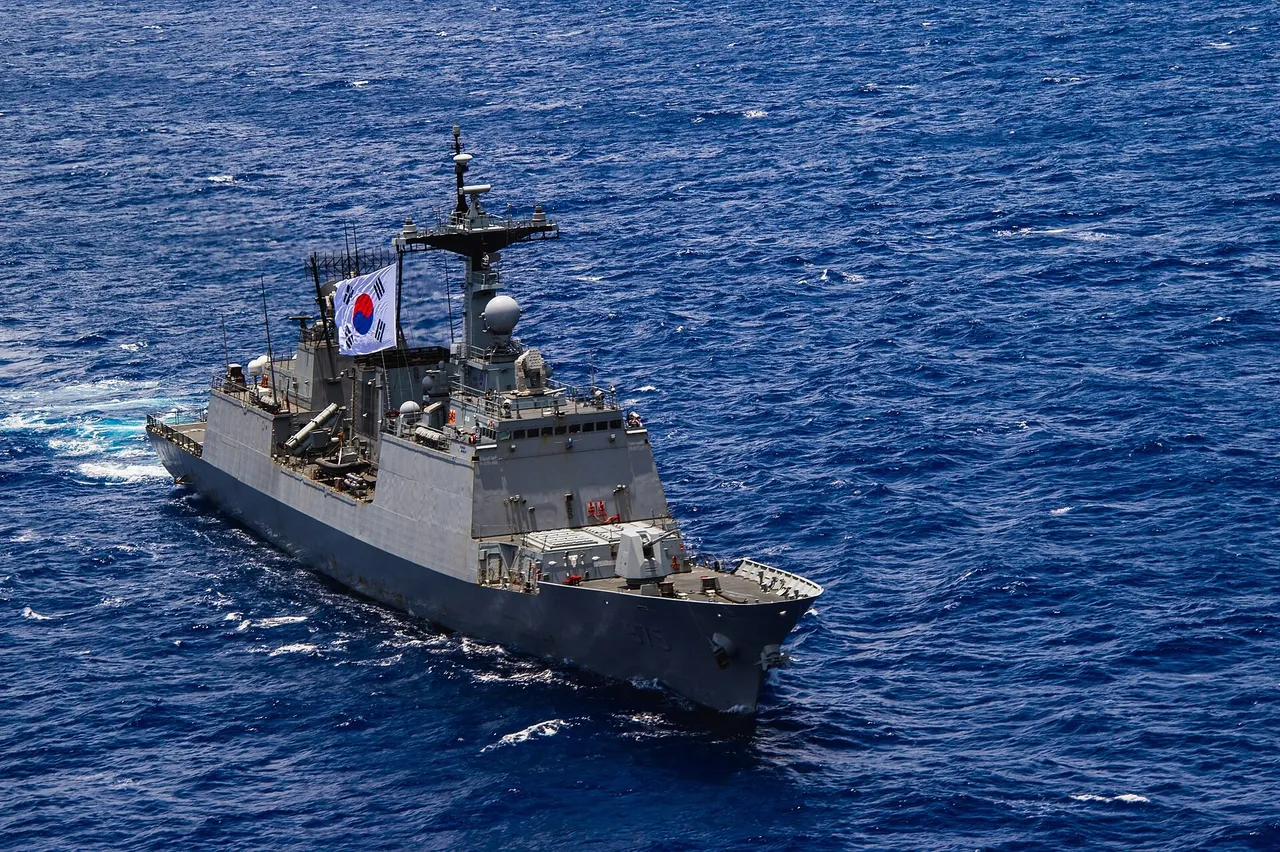
South Korea weighs a P-8 patrol plane and a wider zone toward Hormuz for its anti-piracy naval unit
Seoul's defence ministry is preparing to extend the Cheonghae Unit's mandate, while critics warn that stretching it to the Gulf of Oman would be a deployment by the back door.
TaiwanDefence · 1h ago · 3 min read
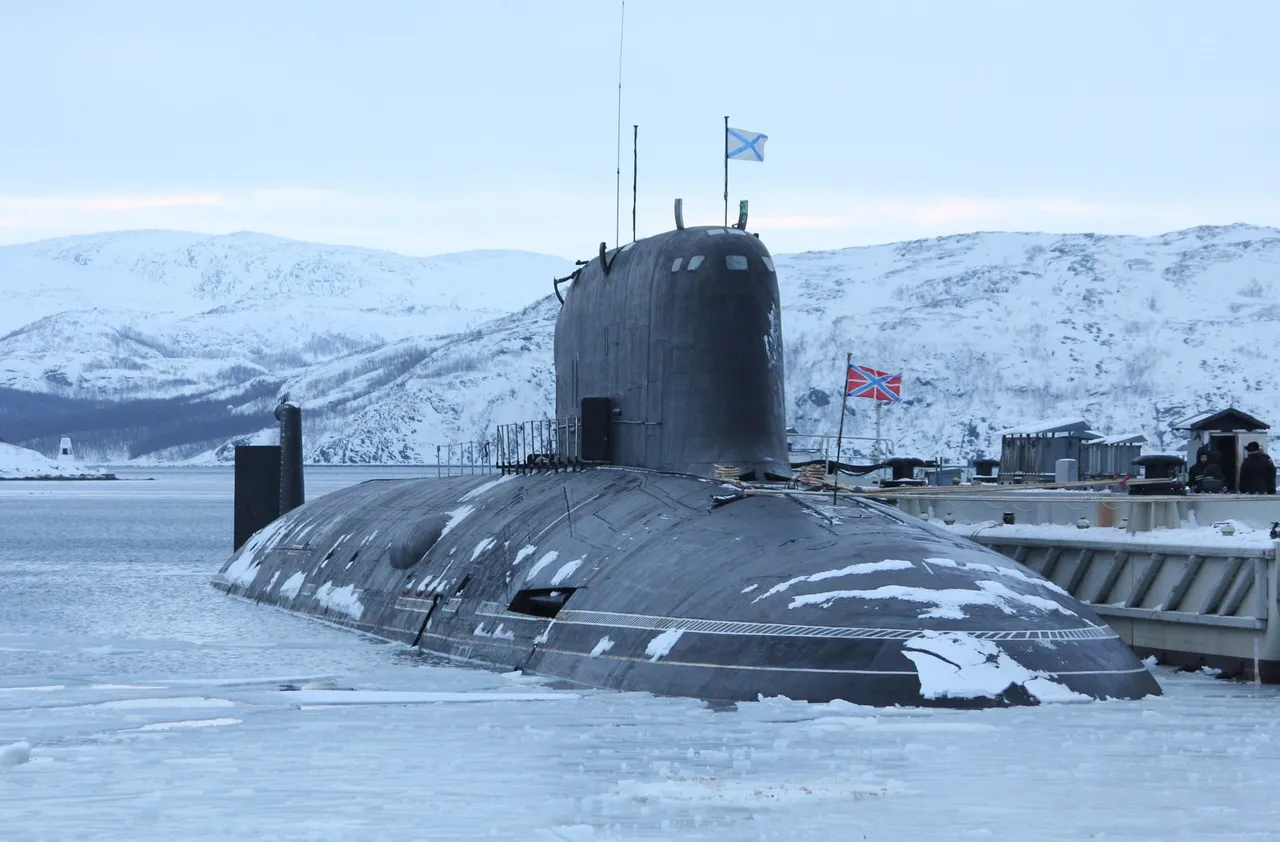
Russian military says its nuclear submarine hit sea and land targets with cruise missiles in a Pacific drill
Moscow says the Yasen-M submarine Novosibirsk, firing while submerged, hit a mock warship 170 km away and a Kamchatka range target over 1,200 km away.
TaiwanDefence · 3h ago · 2 min read
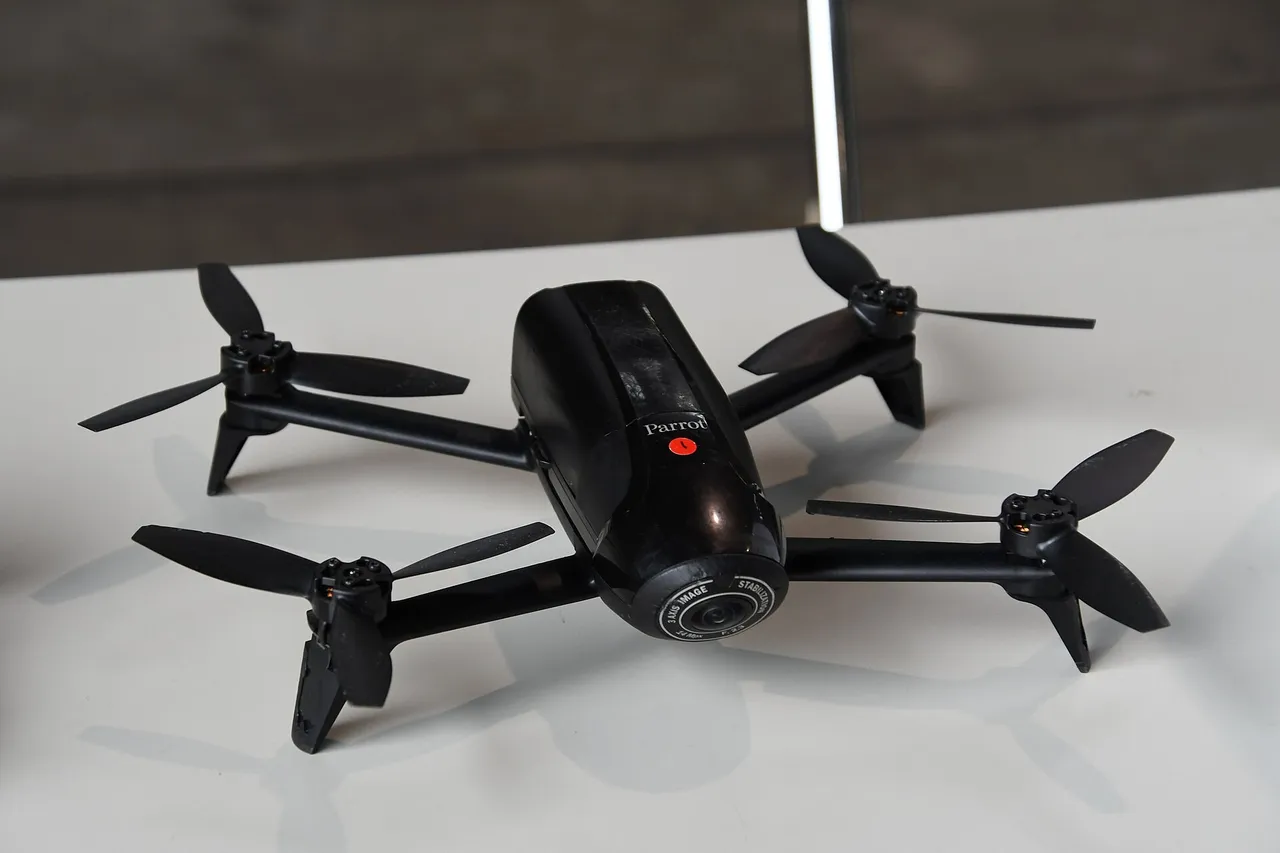
Japan's defence ministry asks start-ups for cheap military drones built from Japanese parts
The first call under a new start-up scheme seeks attack drones costing under 5 million yen and interceptors for Shahed-type threats.
TaiwanDefence · 7h ago · 3 min read
Discussion (0)
Comments are not currently available.