
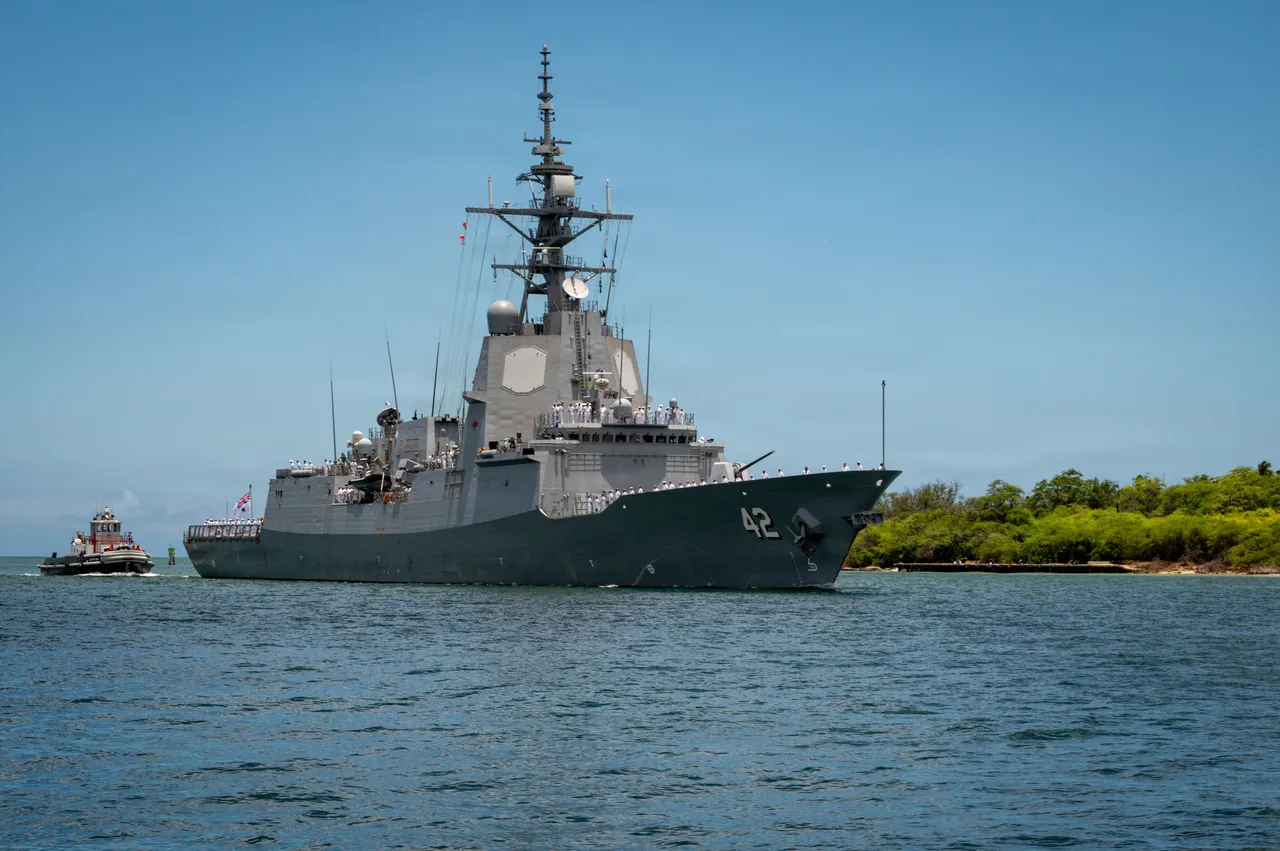
Australia's HMAS Sydney returns after a 131-day Indo-Pacific deployment
The Hobart-class destroyer ended its regional presence cruise at Fleet Base East after RIMPAC, allied exercises, and a South China Sea meeting with HMAS Stuart.
_arrives_in_Pearl_Harbor_for_RIMPAC_2026.jpg)
TAIPEI —
The Royal Australian Navy destroyer HMAS Sydney returned to Fleet Base East on 18 October 2026 after 131 days operating across the Indo-Pacific, according to an Australian Department of Defence release republished by National Tribune and Mirage News. Defence framed the cruise as a regional presence deployment meant to show commitment to regional security, deepen ties with allies and partners, and sharpen the navy's warfighting proficiency.
The release said the deployment ended with the ship's company reuniting with family and friends in Australia. While at sea, Sydney worked with partner nations including the United States, Japan, Canada, New Zealand, the Republic of Korea, Spain, Chile, Italy and Indonesia, spanning both bilateral and larger multinational serials.
The Hobart-class guided-missile destroyer took part in Exercise Rim of the Pacific, described by Defence as the world's largest international maritime exercise, as well as Pacific Dragon, Pacific Vanguard and Nichi-Gou Trident. Those activities ranged from integrated air and missile defence to higher-end maritime warfighting alongside allied crews across the northern and western Pacific.
Fleet Commander Rear Admiral Anita Williams said the cruise showed Australia's ongoing commitment to working with regional partners for a secure, stable and prosperous Indo-Pacific. She said the crew had strengthened professional relationships throughout the region and demonstrated the navy's ability to contribute to collective maritime security.
After the Hawaii-centred and western Pacific exercises, Sydney rendezvoused with Anzac-class frigate HMAS Stuart in the South China Sea for regional presence activity and to exercise rights and freedoms under international law, the return release said. CONTACT magazine earlier reported that the two Australian ships trained together in international waters there, including anti-submarine warfare, aviation operations, boarding drills, cross-deck professional exchanges and ship-handling manoeuvres.
CONTACT said Stuart's commanding officer, Commander Aaron Scott, highlighted the value of working with another Australian warship after weeks of partner engagement, citing advanced boarding practice, anti-submarine work and engineering education sessions. Sydney's commanding officer, Commander Hayden Jenkins, linked the South China Sea meeting to a distributed maritime task group posture and to demonstrating presence, professionalism and readiness in the Indo-Pacific.
Defence said Sydney completed 17 replenishment-at-sea operations, including two helicopter resupply evolutions, to sustain the ship across thousands of nautical miles. Jenkins said high-end exercise work included a naval strike missile firing and a Hellfire engagement by the embarked MH-60R Seahawk during RIMPAC, which Defence presented as evidence of readiness and lethality on the cruise.
CONTACT reported that Sydney had sailed from Fleet Base East on 9 June for RIMPAC and Pacific Dragon off Hawaii, then continued through Guam for Pacific Vanguard and Nichi-Gou Trident before entering the South China Sea. Stuart had sailed from Fleet Base West on 27 August, visiting Malaysia and conducting other engagements before meeting Sydney. Commander Joint Operations Vice Admiral Justin Jones said the paired deployments reinforced Australia's reliability as a security partner and supported near-persistent presence called for in the 2026 National Defence Strategy.
The homecoming closes more than four months of distributed tasking that linked Hawaiian multilateral exercises to South China Sea presence with a second Australian surface combatant. Defence said the cruise reinforced the Royal Australian Navy's ability to operate with allies and partners across the Indo-Pacific while keeping a persistent and credible maritime presence in support of Australian interests.
Sources
More in Indo-Pacific
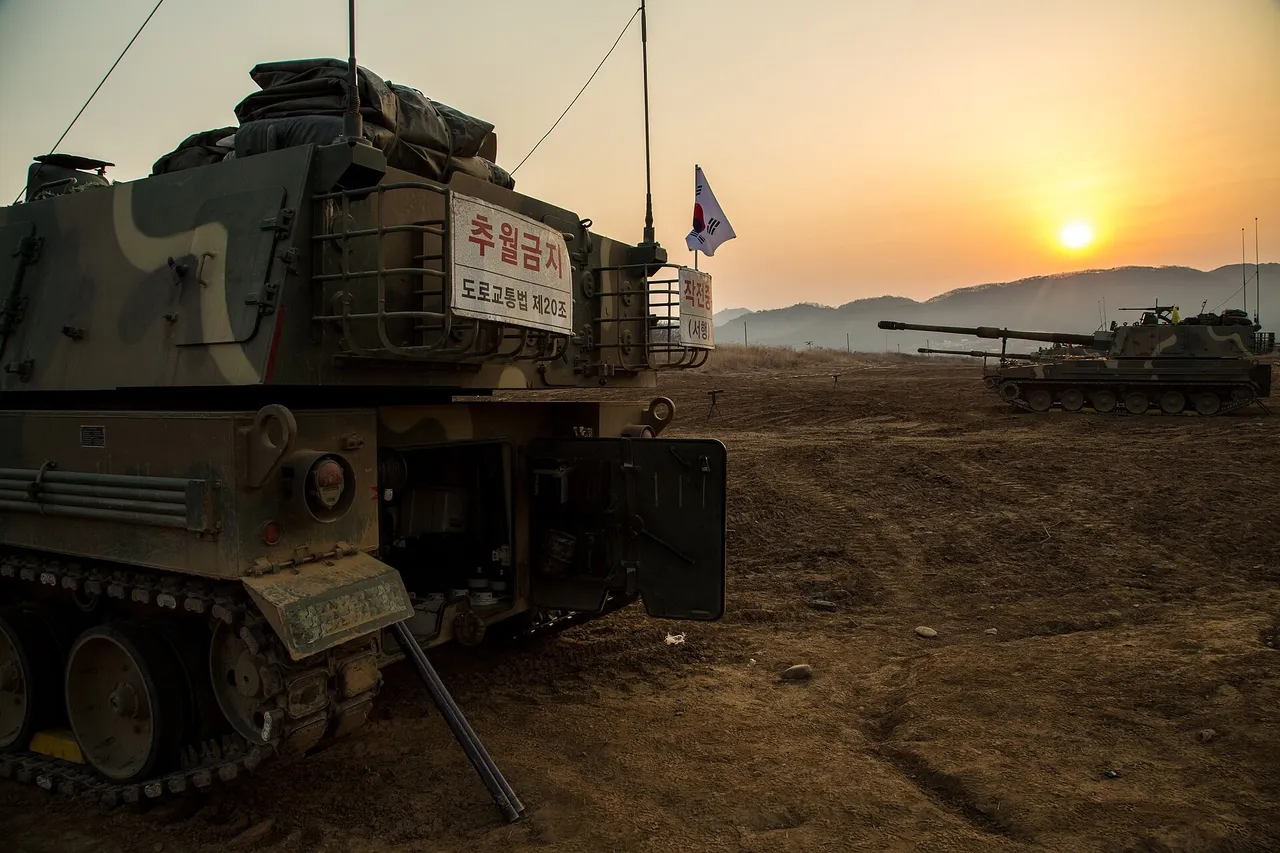
South Korea's army spent over 3 trillion won in five years keeping overage weapons running
Army data given to a lawmaker show 3.08 trillion won went on maintaining tanks, howitzers and helicopters past their service lives, as she urges faster retirement.
TaiwanDefence · 3h ago · 3 min read
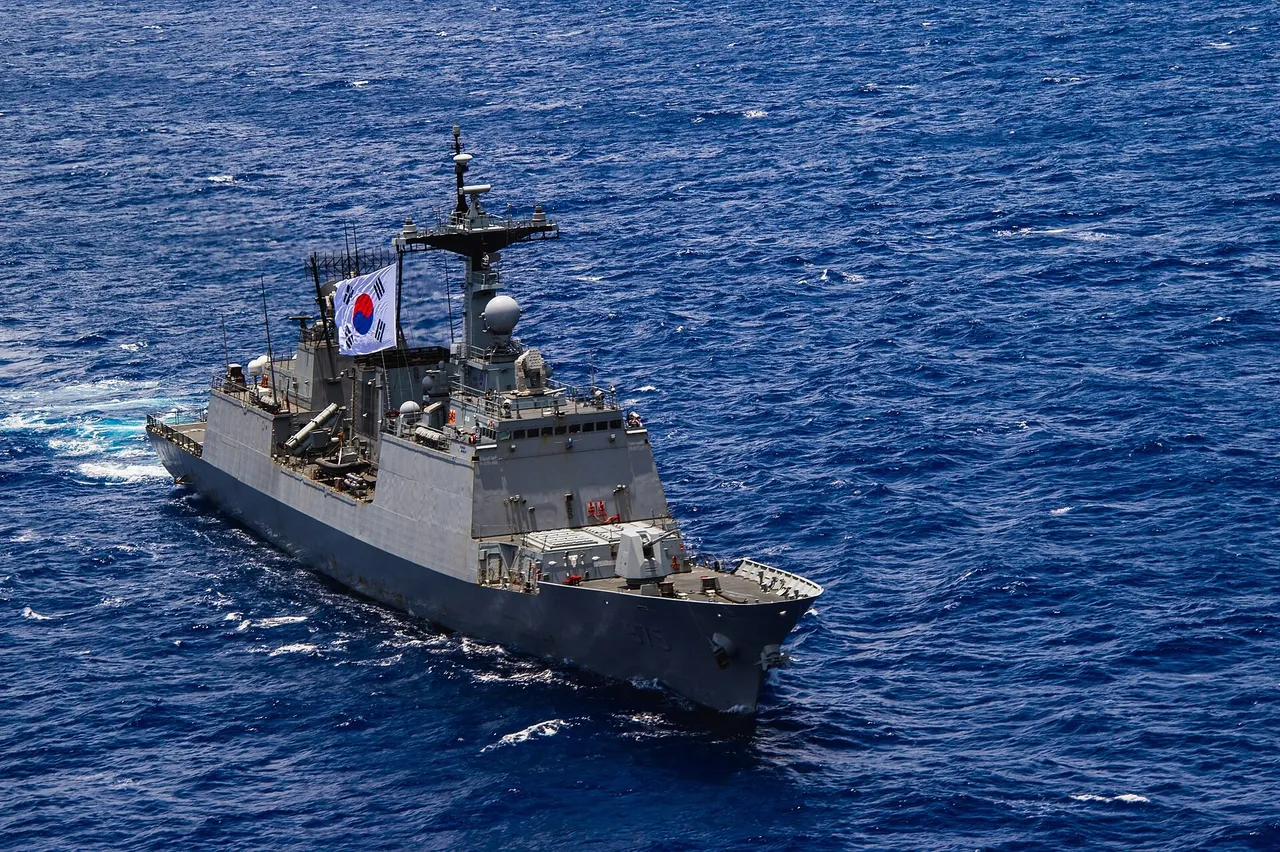
South Korea weighs a P-8 patrol plane and a wider zone toward Hormuz for its anti-piracy naval unit
Seoul's defence ministry is preparing to extend the Cheonghae Unit's mandate, while critics warn that stretching it to the Gulf of Oman would be a deployment by the back door.
TaiwanDefence · 4h ago · 3 min read
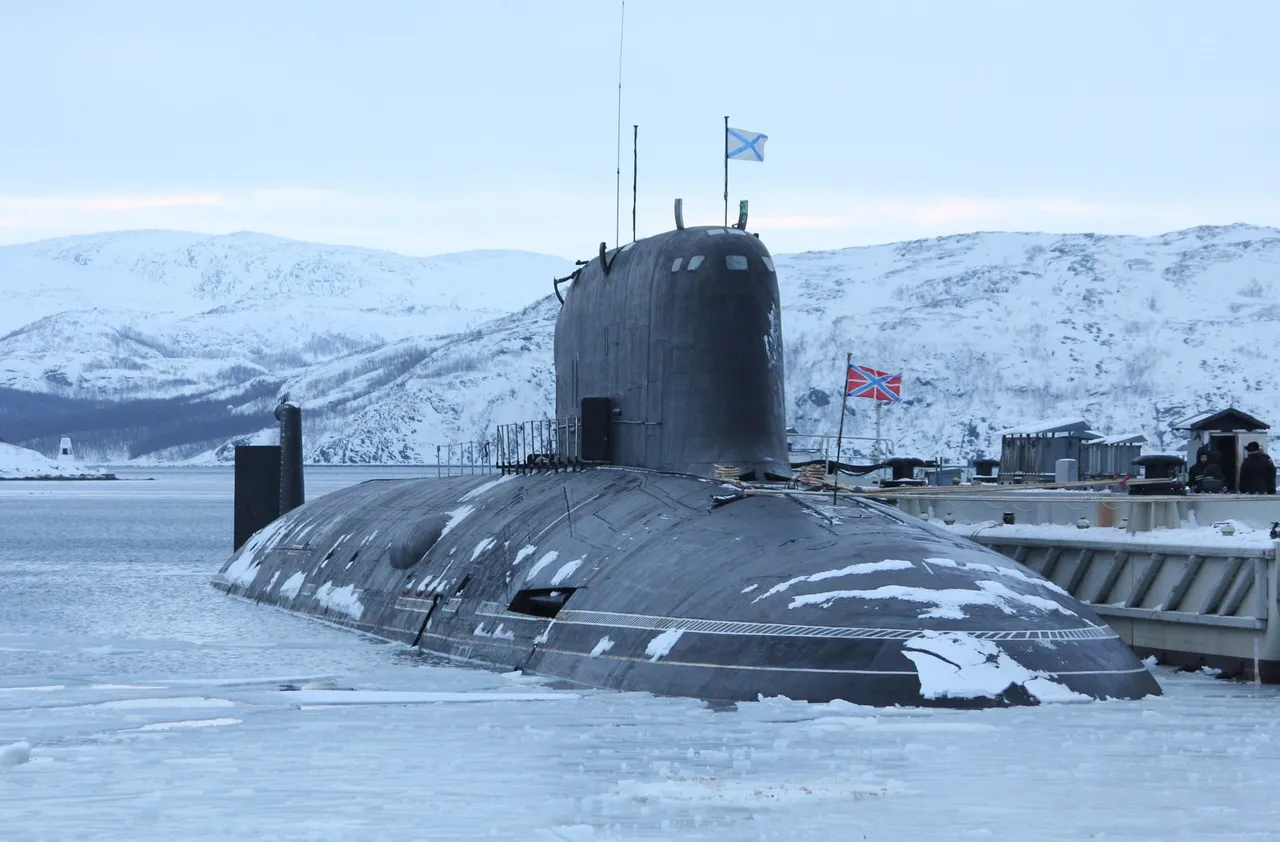
Russian military says its nuclear submarine hit sea and land targets with cruise missiles in a Pacific drill
Moscow says the Yasen-M submarine Novosibirsk, firing while submerged, hit a mock warship 170 km away and a Kamchatka range target over 1,200 km away.
TaiwanDefence · 6h ago · 2 min read
Discussion (0)
Comments are not currently available.