
Taiwan's army sounds out industry for robot vehicles to carry wounded troops off the battlefield
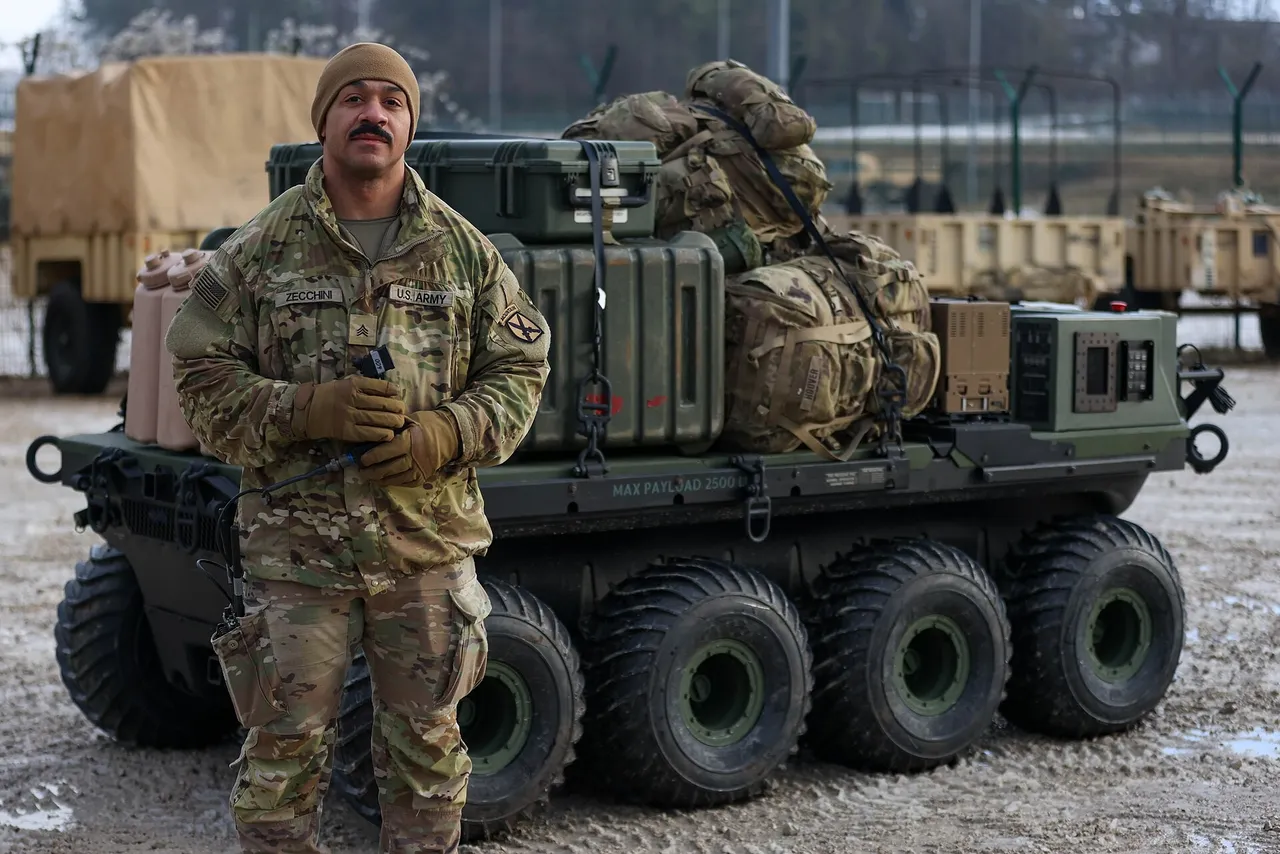
The army wants wheeled ground robots that can haul 250 kg of casualties, blood and medical supplies over rough terrain, even if satellite navigation is jammed.
TAIPEI —
Taiwan's army has asked domestic and foreign companies for information on wheeled unmanned ground vehicles that could evacuate wounded soldiers and carry medical supplies in the field, the Liberty Times reported on Oct. 18. The request is a market survey rather than a tender, and the army has not decided how many vehicles it wants, how much it will spend or when it would buy them.
The solicitation was posted on Taiwan's government e-procurement system by the Army Command Headquarters, with the medical department of the Army Logistics Command listed as the contact. It opened on Oct. 12 and runs until Oct. 23. The notice says the army wants to judge whether such vehicles are feasible for field medical support, casualty evacuation, the transport of medical materiel and related logistics, and to learn what mature products, integration skills, supply sources, rough prices and maintenance support exist at home and abroad.
According to the notice, the vehicles would carry casualties on stretchers, move medicines, medical equipment and other supplies, and transport blood products together with cold-chain storage gear. They should accept interchangeable mission modules so that one platform can switch between evacuation, resupply and other support tasks. The army also lists the terrain they must handle, including mountains, hills, towns, narrow lanes, mud, gravel, standing water, damaged roads and unpaved tracks.
The Liberty Times, citing the solicitation documents, said the army is mainly considering four-wheel, six-wheel and eight-wheel drive designs. Each vehicle should carry a payload of at least 250 kg, operate across a radius of at least 30 km and travel up to about 50 km on a full load and full charge. Power could come from batteries, a hybrid system or a conventional fuel engine.
The army is asking for more than a remote-controlled cart. The newspaper said companies are invited to propose autonomous navigation, route planning, obstacle detection and a follow-me mode, and that the vehicles should keep working even if an enemy jams or spoofs satellite navigation signals. The medical fit could include stretchers, oxygen cylinders, drip stands, patient monitors and blood cold-chain equipment. The army also hopes for protection against small-arms fire, fragments and blast.
At present, the Taiwanese military moves its battlefield wounded mainly with medics, hand-carried stretchers and ambulances, before transferring them to field aid stations or hospitals, while routine supplies travel in vehicles with drivers. The Liberty Times said unmanned vehicles could fill gaps in transport for high-risk forward areas, where exposing medics and drivers to fire is most costly.
The war in Ukraine has made the case for such machines. Ukraine's Ministry of Defence said in September 2026 that its forces had carried out more than 25,000 logistics and evacuation missions with unmanned ground vehicles in August alone, a 3.3-fold rise on January. It said its DELTA battle-management system had logged about 112,000 such missions since the start of the year, with the robots delivering ammunition, water and food and bringing out wounded troops from the most dangerous sectors.
Ukraine has also started buying these vehicles through formal channels. Its ministry said the Defence Procurement Agency had announced a first tender for unmanned ground vehicles built to technical and tactical specifications set by the ministry, a step from improvised front-line use towards standardised fleets.
For Taiwan, the solicitation is an early step. The army stressed that the exercise is limited to market research and technical data collection, and that any requirement, specification, quantity, budget and procurement method would be set later in approved plans and formal tender documents. The notice is also classified as a sensitive case, with its detailed documents available only through a separate request.
Sources
More in Army
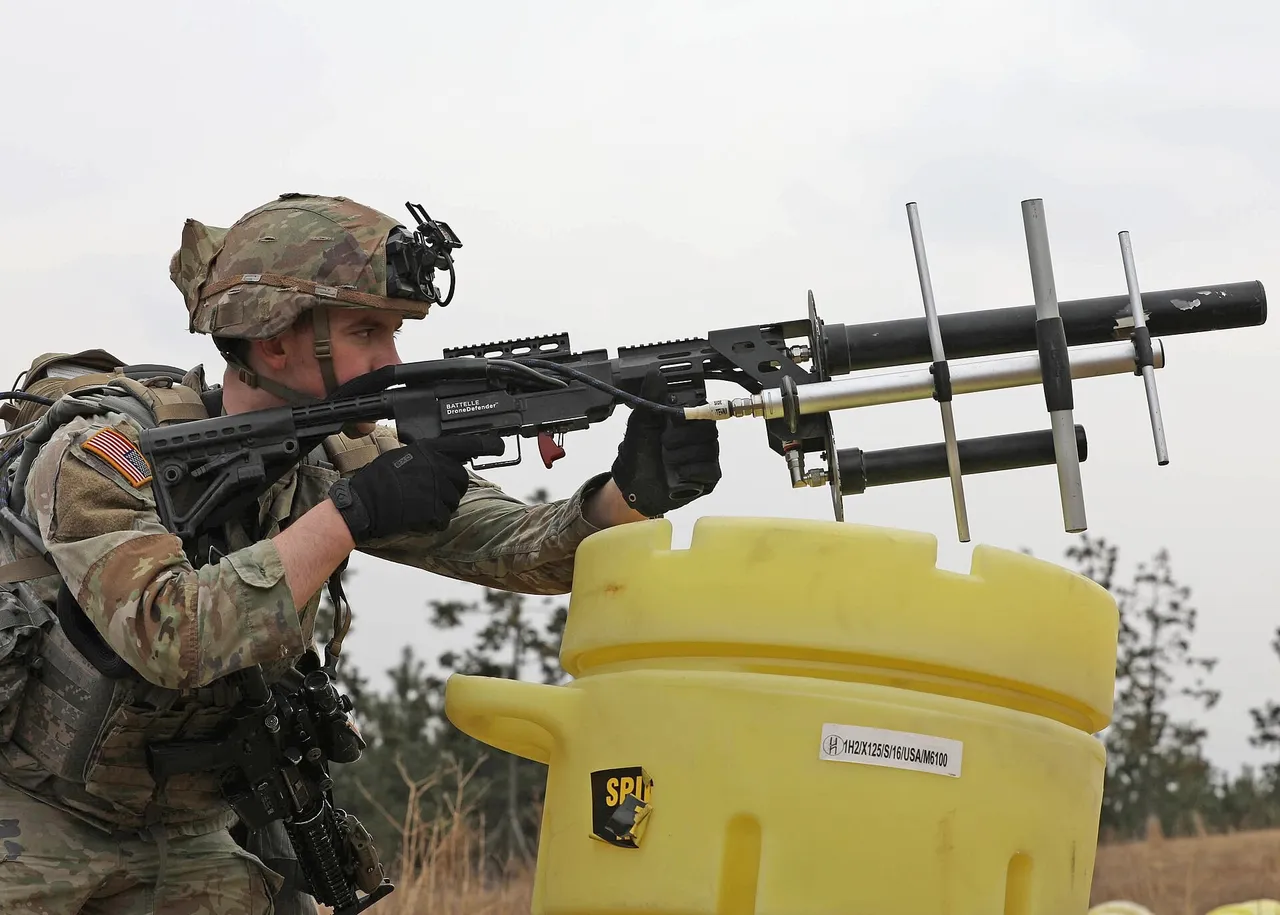
Taiwan army tells lawmakers its failed counter-drone systems were also meant to guard the capital
A report to the legislature says the 26 radar-and-jammer sets failed three acceptance tests and were bound for the Taipei garrison and Tamsui River as well as outlying islands.
TaiwanDefence · 21h ago · 3 min read
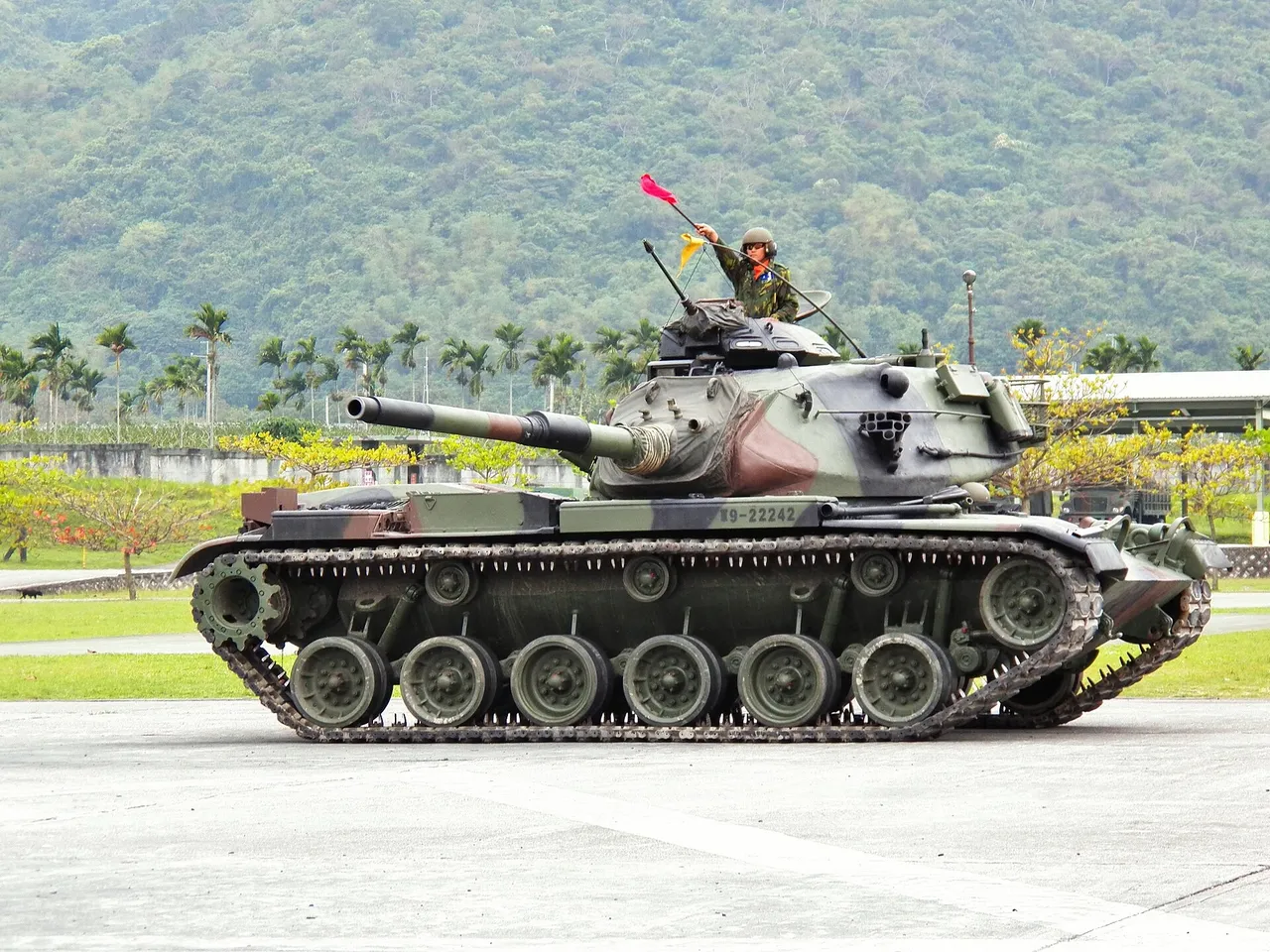
Lu Sheng 2 attackers drive from Kaohsiung into Miaoli in three days as Taiwan's defenders fall back
Three days into the army's longest brigade-on-brigade drill, the southern red force has pushed into Miaoli and the northern defenders have pulled back behind the Houlong River.
TaiwanDefence · 1d ago · 3 min read
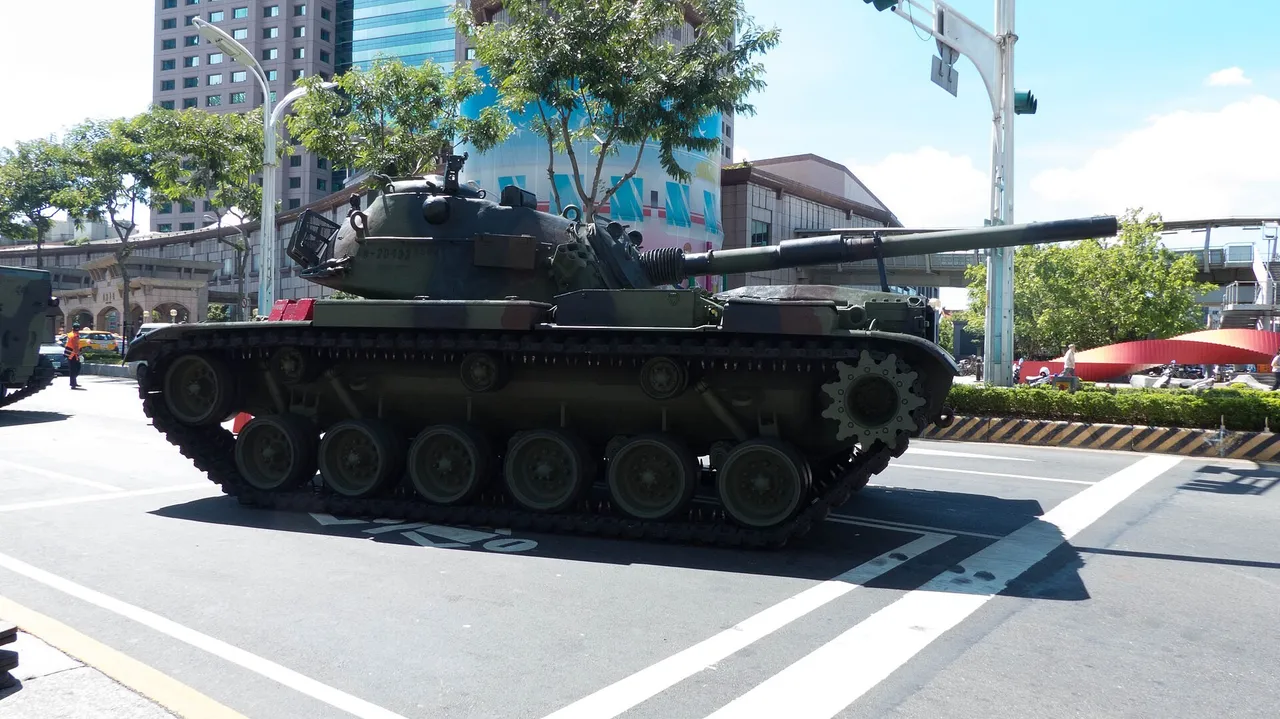
Taiwan army CM11 tank rides up onto Miaoli highway median after suspected brake failure
No one was hurt when a 564th Armored Brigade tank on a mission movement struck the concrete divider on Provincial Highway 13; the army apologised and police are probing liability.
TaiwanDefence · 1d ago · 2 min read
Discussion (0)
Comments are not currently available.