
More than 150 frozen Taiwan defence budget items wait on lawmakers with none released yet
Three weeks into the new session, the defence committee has not scheduled any ministry request to unfreeze 2026 funds, including army ambulance upkeep.
TAIPEI —
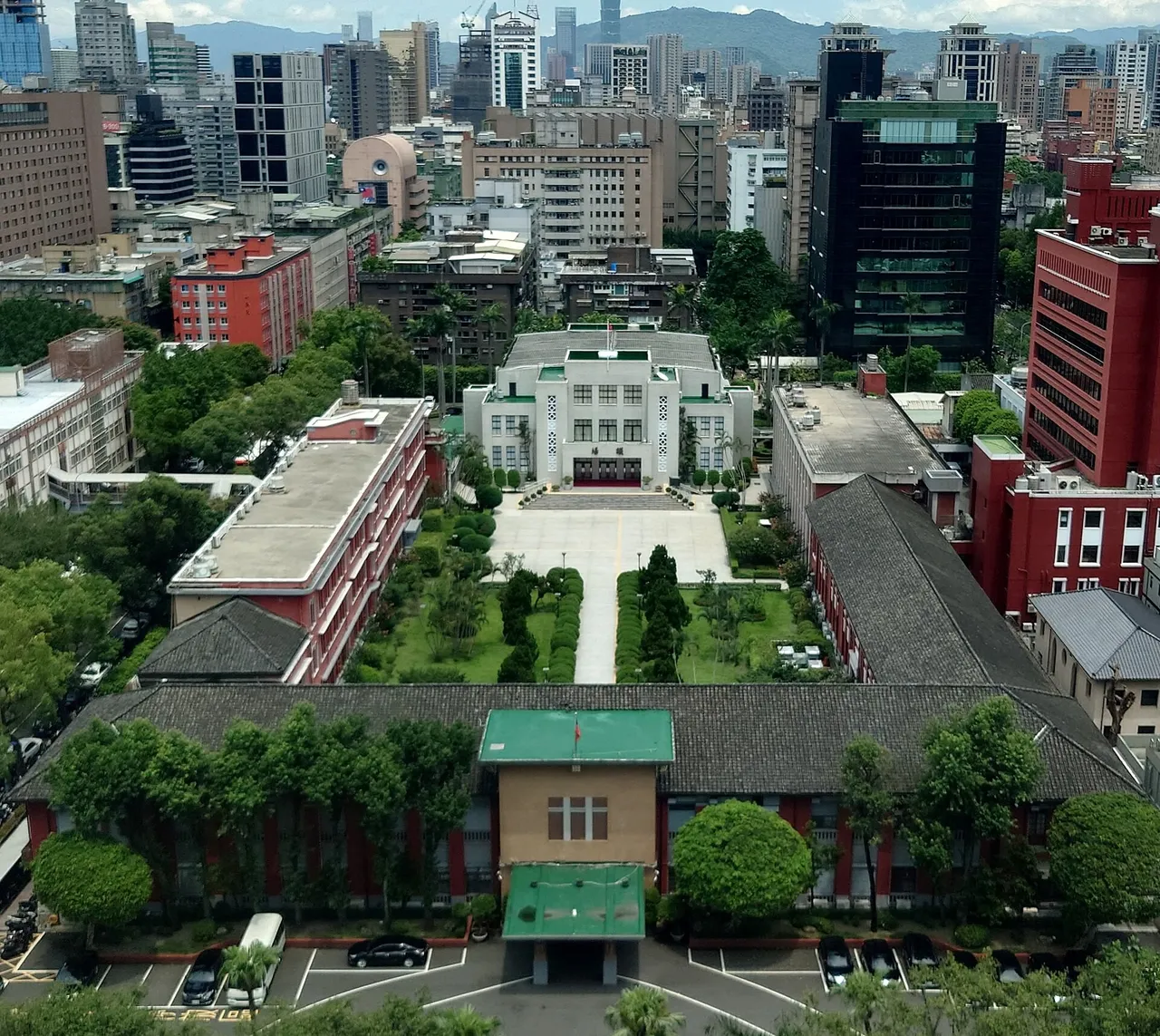
Taiwan's Ministry of National Defense has more than 150 requests waiting in the Legislative Yuan to release parts of its 2026 budget that lawmakers froze, and not one has been approved, the Liberty Times reported on Oct. 18. Nearly three weeks into the new legislative session, the Foreign Affairs and National Defense Committee had yet to put any of the ministry's unfreezing requests on its agenda.
The holdup compounds an already late year for military spending. The Cabinet sent the 2026 central government budget to lawmakers at the end of August 2025, but the opposition-controlled legislature did not pass it until Aug. 14, 2026, the latest approval on record. Focus Taiwan reported at the time that lawmakers cut overall spending by NT$48 billion and trimmed military equipment and facilities spending by 2.5 percent, while leaving drone funding intact.
According to the Liberty Times, the legislature then waited until Sept. 17 to send the passed budget to the Executive Yuan, and the Presidential Office promulgated it on Sept. 18. New capital spending and newly added programmes could not be drawn on for more than eight months. On top of that, the Kuomintang and the Taiwan People's Party attached freezes to many items, which can be lifted only after the ministry delivers a special or written report and the committee consents. With little more than two months left in the fiscal year, the paper said it was unclear whether released money could still be spent in time.
The committee has two conveners this session, the Kuomintang's Hsu Chiao-hsin and the Democratic Progressive Party's Wang Yi-chuan, and each has set one week of business so far. The Liberty Times said Hsu's week featured reports on the planned relocation of Taipei's Songshan airport and on resource use at the Overseas Community Affairs Council, while Wang scheduled two days of inspections and a day for a National Security Bureau briefing. Hsu told reporters that the foreign ministry and the overseas community council had already agreed timetables for their unfreezing reviews and that the defence ministry's requests were Wang's responsibility. Wang responded that business reports and the order of unfreezing reviews had been confirmed with the agencies the previous week and would be scheduled in turn.
One of the stuck items shows what is at stake at unit level. Kuomintang legislator Ma Wen-chun froze NT$5 million of the army's 2026 equipment maintenance money tied to an annual contract for servicing its new ambulances. She argued that the open-ended contract should not be priced for the whole fleet, because the new vehicles would not all be delivered until 2026 and the real maintenance need was still unknown.
The ministry sent its written report on that freeze to the legislature on Sept. 23. It said the army is buying 426 urban ambulances and 173 field ambulances between 2024 and 2026, a total of 599, to fill shortages and replace old vehicles, with maintenance fully contracted to the manufacturer. Because free factory servicing on the first batch delivered in 2024 has run out after two years, the ministry budgeted about NT$11.99 million for 2026, at NT$8,500 for each vehicle under two years old and NT$25,500 for each vehicle aged two to four years, in line with the Executive Yuan's vehicle repair standards.
The ministry warned that if the money stays frozen and maintenance falls behind, vehicle readiness and the army's capacity to evacuate casualties could suffer, and it asked lawmakers to approve the release. It said the contract covers routine consumables and parts damaged outside warranty, while the first-aid equipment carried in the vehicles is looked after by the military's tri-service medical supply office.
The unfreezing reports also carry wider readiness information. The China Times reported on Oct. 12 that one such report sent to the legislature showed installation of an automatic ground collision avoidance system on Taiwan's existing F-16V fighters had slipped to the end of 2028, and that delivery of AGM-154C standoff weapons was also being managed for completion by the end of 2028.
Sources
More in Industry
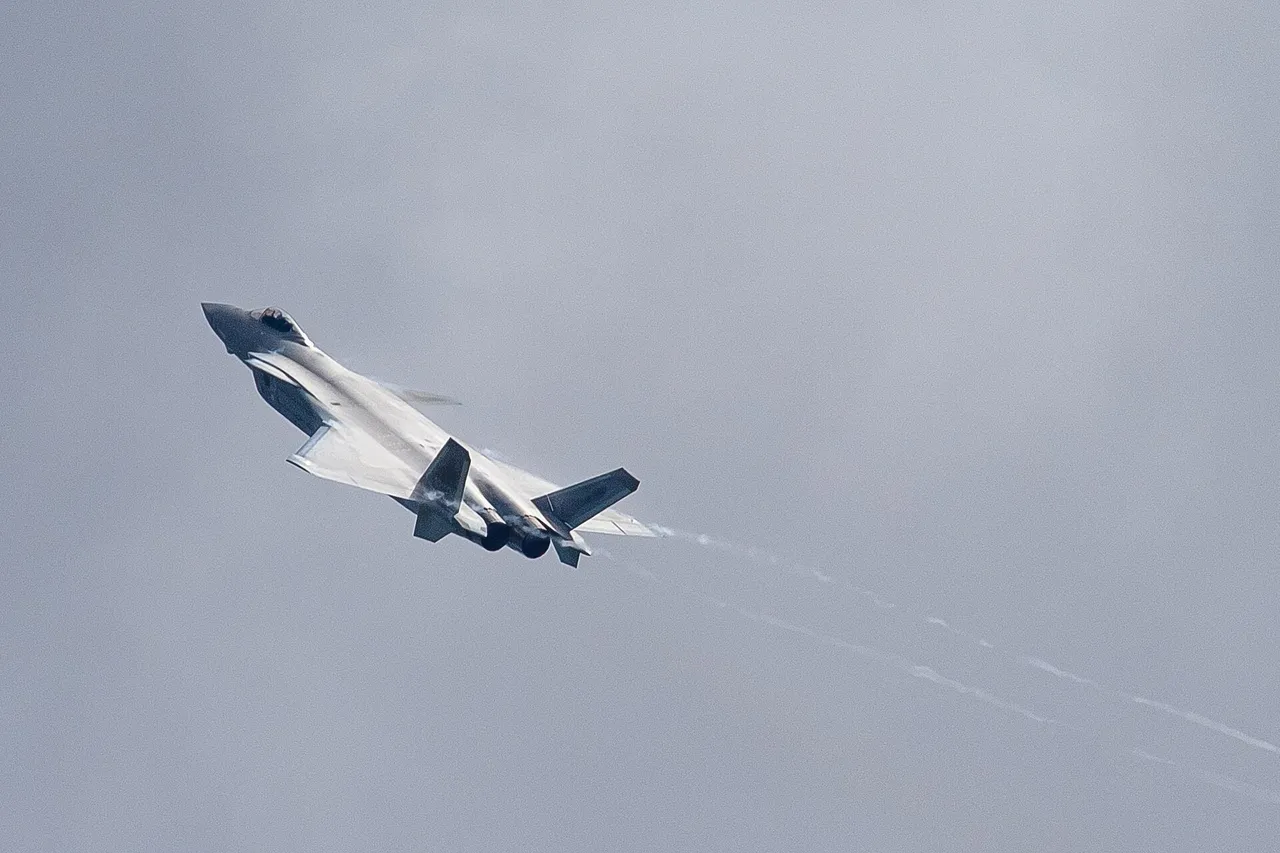
China's J-20 stealth fighter maker says modular tooling cuts its set-up costs by a fifth
Chengdu Aircraft says reusable assembly modules trim tooling costs about 20% and lead times 25%, a claim tied to faster fighter output that no one has audited.
TaiwanDefence · 9h ago · 3 min read
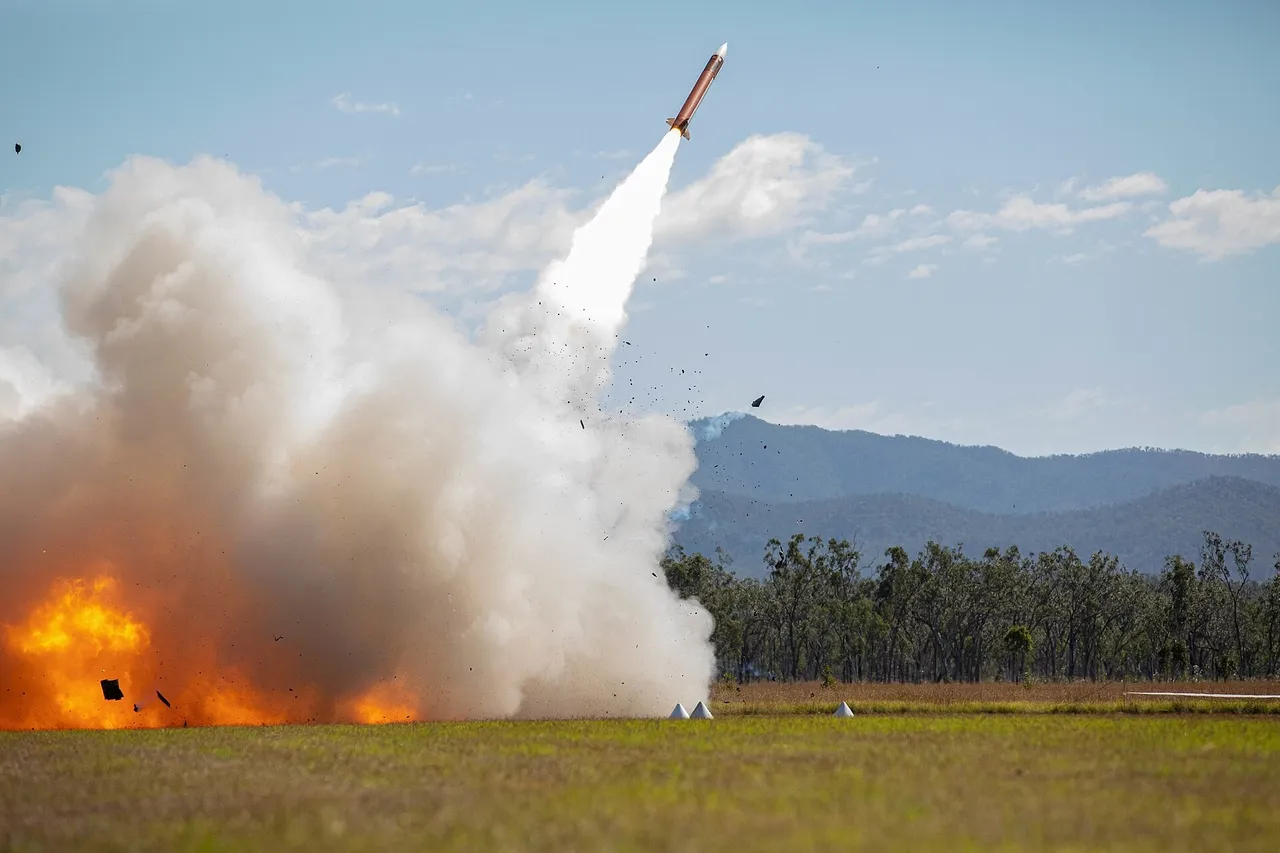
Lockheed pours $300m into Texas missile parts plant as Taiwan waits on Patriot deliveries
The Grand Prairie expansion feeds the PAC-3 MSE, THAAD and PrSM lines as the Pentagon pushes interceptor output towards 2,000 a year, while Taiwan's own Patriot order is still waiting.
TaiwanDefence · 1d ago · 3 min read
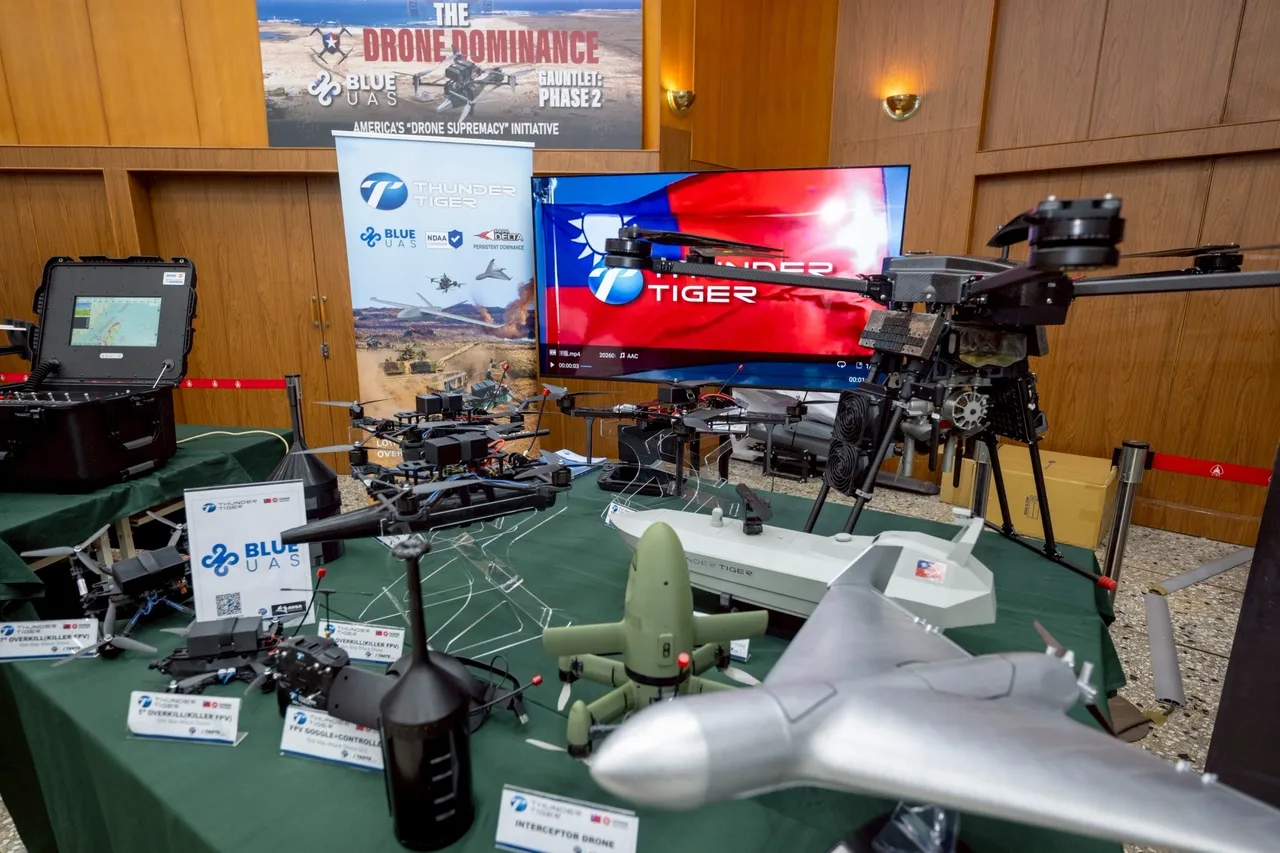
Thunder Tiger says it has delivered all 1,520 drones in its first Pentagon order
The Taiwanese drone maker and two partners have finished deliveries under the first phase of the US Drone Dominance Program and now want a share of phases three and four.
TaiwanDefence · 1d ago · 3 min read
Discussion (0)
Comments are not currently available.