
Taiwan's army warns a frozen tactical network budget will hobble real-time support between units
The army tells lawmakers a NT$122 million freeze on its TAK and tactical network budget leaves combat and reserve units unable to back each other in real time.
TAIPEI —
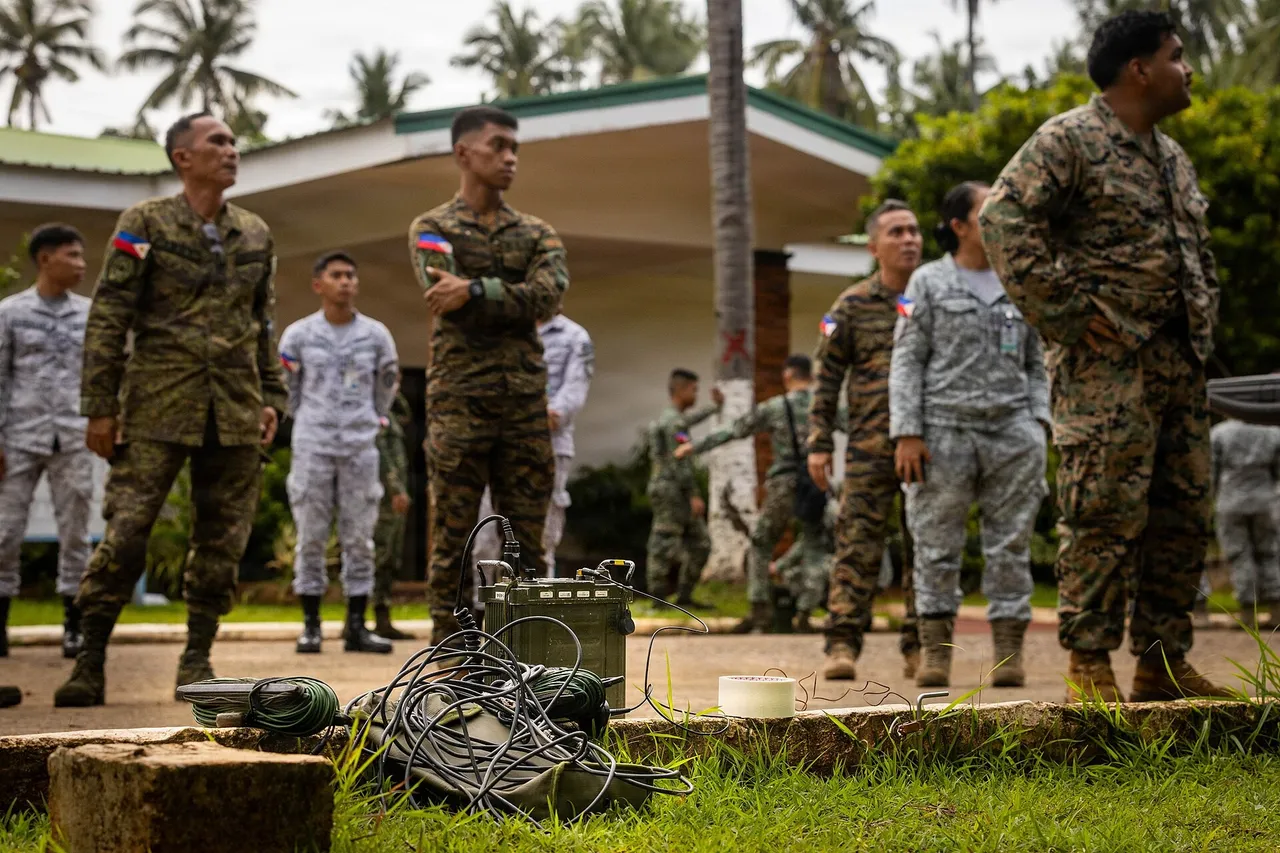
Taiwan's army has asked lawmakers to release about NT$122.65 million frozen from its 2026 budget for the Taiwan Tactical Network and the Team Awareness Kit, warning that keeping the money locked would leave combat, combat support and reserve units unable to give each other real-time support, the Liberty Times reported on Oct. 18. The army set out its case in a written report sent to the Legislative Yuan, which is the condition for lifting the freeze.
The freeze was proposed during budget review by Kuomintang legislators Ma Wen-chun and Niu Hsu-ting and Taiwan People's Party legislator Wang An-hsiang. They argued that the tactical network, the awareness kit and related AI tools overlapped heavily with the existing ATAK setup, and that leaning on commercial interfaces, cloud services and particular communications links risked tying the military to one set of specifications. They also warned that rolling out large numbers of devices at once without rigorous testing could mean passing off commercial gear as military equipment and treating purchases as a substitute for real combat power. Their motion froze 10 percent of the line until the defence ministry delivered a written report and lawmakers agreed.
In its reply, the army said the whole project is being bought through open tender and awarded on a most-advantageous-bid basis, and that it covers 4G and 5G terminal devices to be issued mainly to ground combat, support and reserve units. On security, it said the network's cloud architecture follows guidance from the US National Institute of Standards and Technology, with mobile device management, firewalls, VPN and zero-trust network access, multi-factor authentication and permission controls. It added that the version of the kit used by Taiwan's forces is the military edition, with encryption and a zero-trust mechanism.
The army also responded to concerns about the kit's built-in translation tool. It said the tool can translate only text messages and has no voice function, and that the defence ministry is separately building a field voice system that could be installed on the devices to provide real-time spoken translation in several languages. It said the tactical network uses a common data format and multiple interfaces, so it can combine sensor feeds, open-source information and data from uncrewed vehicles over commercial 4G and 5G, broadband radio and satellite links, and therefore does not lock the military into a single specification.
According to the report, the devices have been issued in batches to brigade, battalion and company-level ground units since last year and have been tried out in annual exercises and in real disaster relief work, with lessons to be passed to the ministry to refine the software. The army said the money pays for communications, electronics and information management needs and is urgently required.
The request joins a long queue. The Liberty Times noted that more than 150 defence ministry requests to unfreeze budget items are pending in the current legislative session, that none has yet been approved, and that the defence committee's conveners have not put any of them on the agenda.
The programme has strong US roots. In December 2025 the US State Department approved a possible Foreign Military Sale to Taiwan of a Tactical Mission Network at an estimated cost of US$1.01 billion, covering software, communications equipment, uncrewed aerial systems, cloud engineering, cybersecurity services and training. The notice said the sale would improve Taiwan's ability to meet current and future threats by enhancing communication and interoperability among its forces.
Taiwan's defence ministry said in April that the network and the awareness kit were first provided by the United States as military aid to help build a common picture of ground forces and decentralised command, and that it would keep using several channels, including foreign military sales and commercial purchases, to field them in tested, gradually widening stages. The kit was first shown publicly during military search and rescue work after the Mataian Creek barrier lake overflowed in September 2025, and a deputy chief of the general staff told lawmakers it could then be set down to platoon level, with squad level planned.
Spending on the kit is also growing. The China Times reported in September that a separate expansion led by the Information, Communications and Electronic Force Command was planned at about NT$4.5 billion from 2026 to 2028 for laptops, tablets, more than 37,000 phones, routers and cloud services, and that the ministry had sought a supplementary NT$1.016 billion this year to speed it up, which could lift total spending above NT$5.5 billion.
Sources
More in Army
Taiwan's army sounds out industry for robot vehicles to carry wounded troops off the battlefield
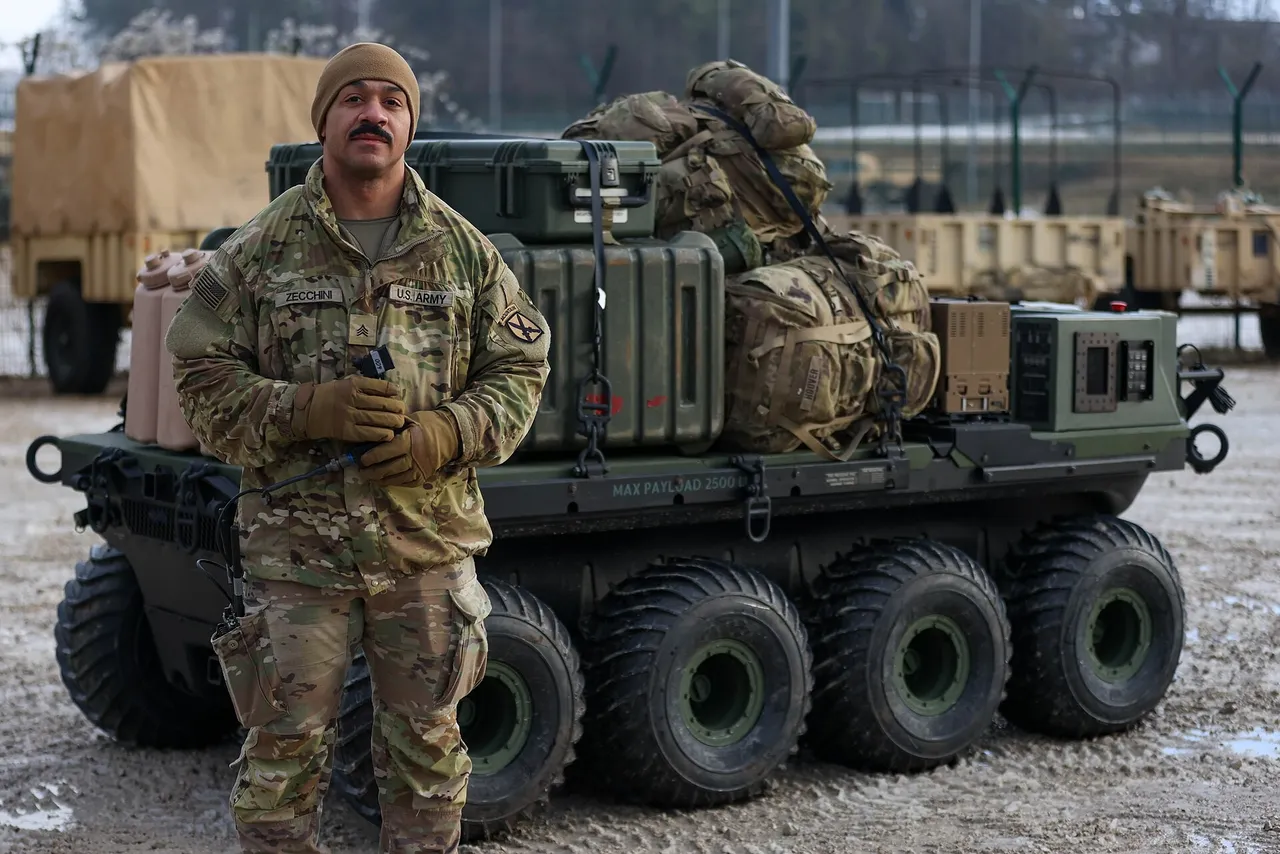
The army wants wheeled ground robots that can haul 250 kg of casualties, blood and medical supplies over rough terrain, even if satellite navigation is jammed.
TaiwanDefence · 3h ago · 3 min read
Taiwan army tells lawmakers its failed counter-drone systems were also meant to guard the capital
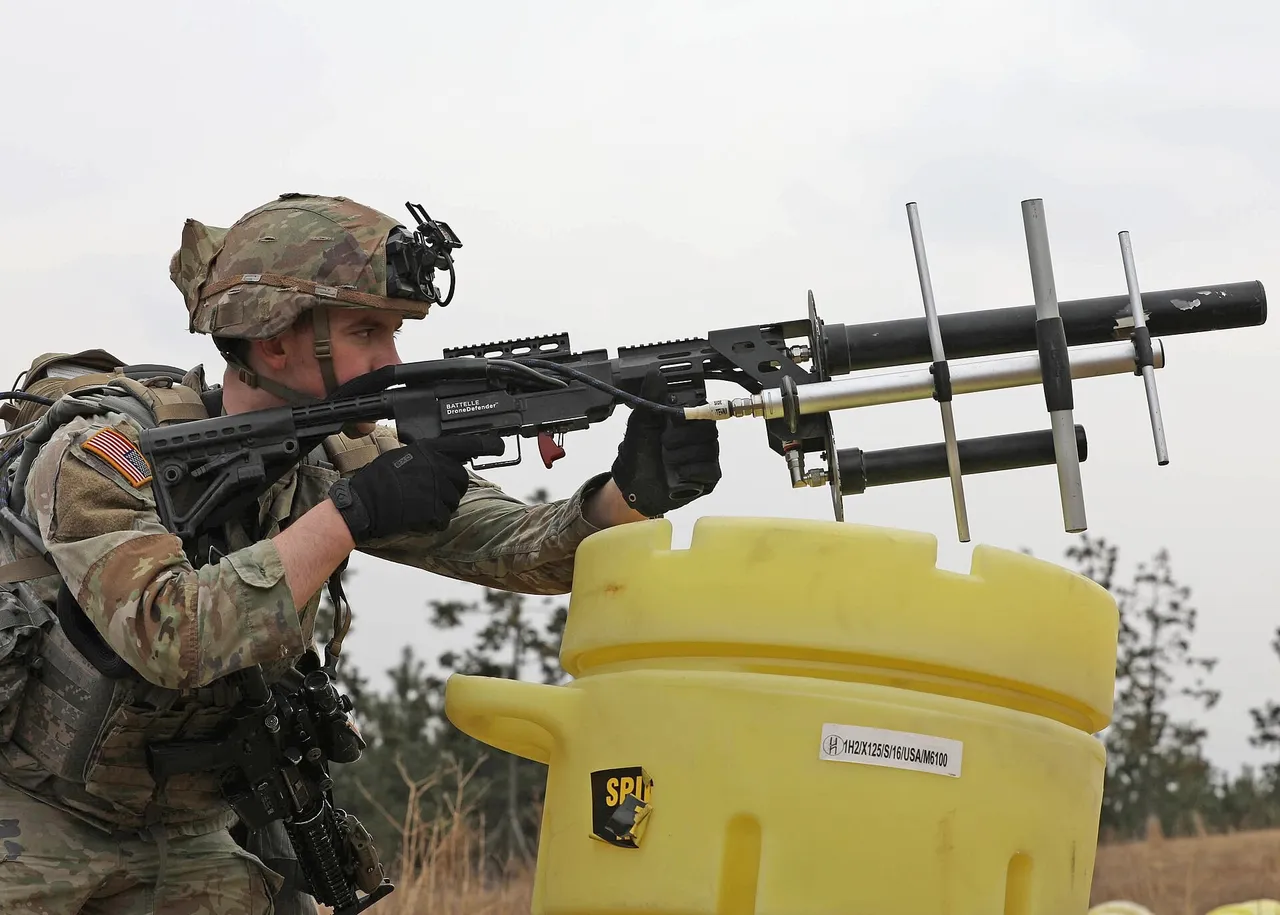
A report to the legislature says the 26 radar-and-jammer sets failed three acceptance tests and were bound for the Taipei garrison and Tamsui River as well as outlying islands.
TaiwanDefence · 1d ago · 3 min read
Lu Sheng 2 attackers drive from Kaohsiung into Miaoli in three days as Taiwan's defenders fall back
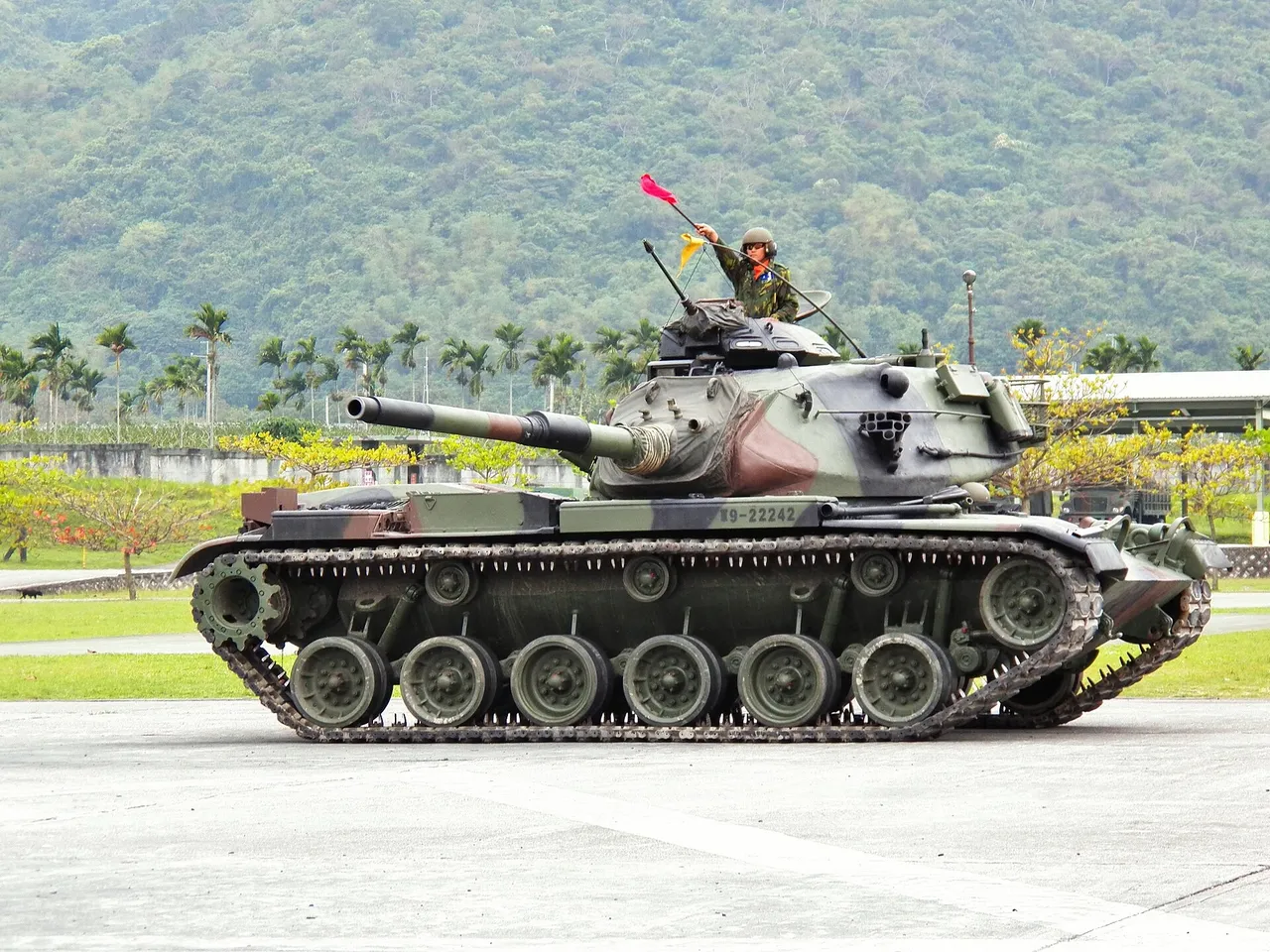
Three days into the army's longest brigade-on-brigade drill, the southern red force has pushed into Miaoli and the northern defenders have pulled back behind the Houlong River.
TaiwanDefence · 1d ago · 3 min read
Discussion (0)
Comments are not currently available.