
Philippine senators clear defence budget as Teodoro flags a shortfall in bases and fuel
A Senate finance panel sent Manila's P324.6bn defence budget for 2027 to the floor as the defence chief pressed for more money to build bases, supply hubs and fuel stocks.
TAIPEI —
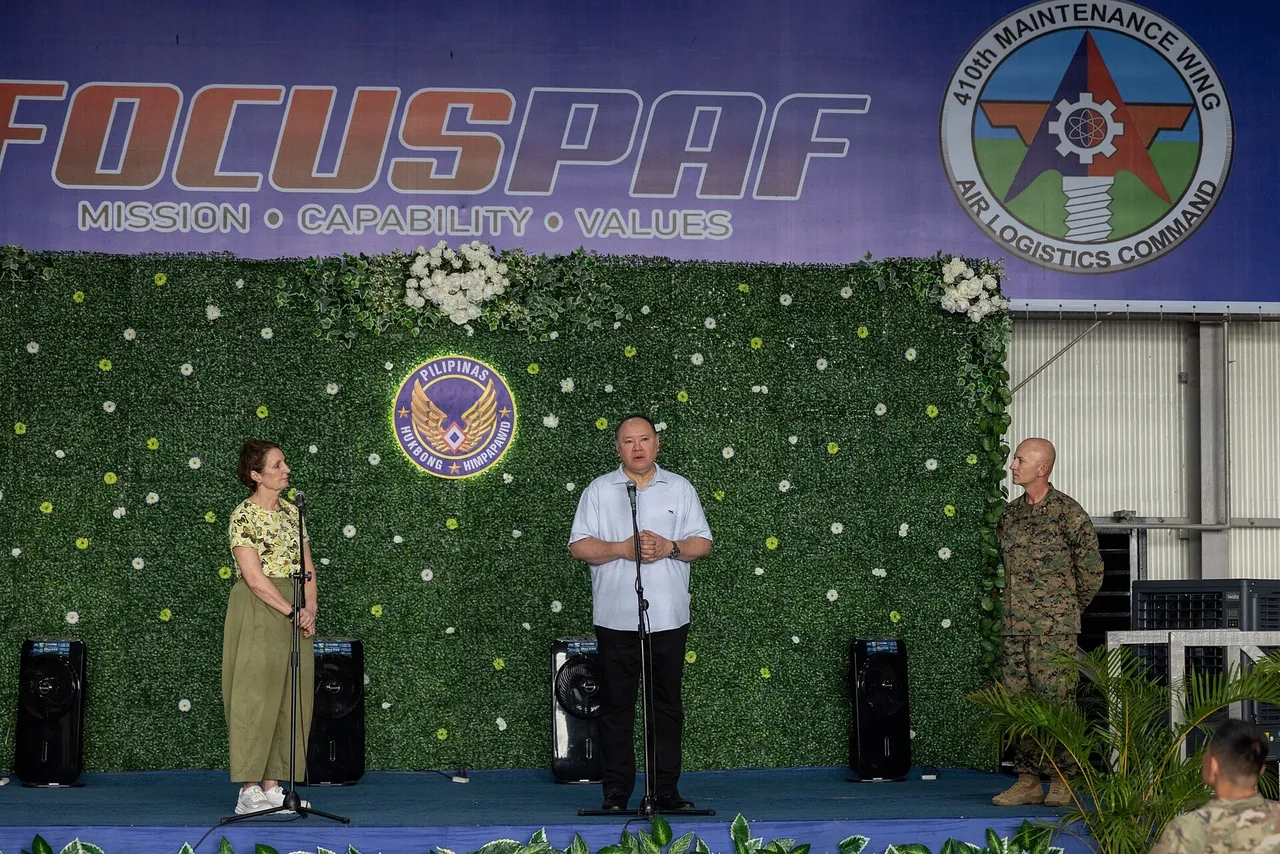
The Philippine Senate's finance subcommittee on Monday 19 October approved the proposed 2027 budget of the Department of National Defense and its attached agencies, clearing the way for debate by the full chamber. The panel's chair, Senator JV Ejercito, said the defence budget was now submitted for plenary consideration and could still be adjusted there.
The government's spending plan sets aside P324.632 billion for the defence department next year, including money for the Revised Armed Forces of the Philippines Modernization Program. Within that total, only about P32.67 billion is earmarked for capital outlay, down from roughly P43.15 billion approved for the current year.
Defence Secretary Gilberto Teodoro Jr. told senators that capital spending is the biggest gap facing the armed forces. He said the military needs a great deal of new infrastructure on the country's eastern seaboard, where the navy has no presence, and that Palawan lacks substantial army facilities that could serve as hubs for supporting strategic bases.
Teodoro also pointed to thin ground coverage in key areas, saying a single army brigade is responsible for the province of Mindoro and one infantry division for Northern Luzon. He argued that the military cannot reposition itself strategically in those areas until the army has a firmer and sustainable footprint across the archipelago.
Because the military cannot cover the whole country, he said, the department wants to build as many logistics hubs as possible to support sustained operations. He added that the armed forces are building up stockpiles of ammunition and also want physical custody of petroleum, oil and lubricants, since relying on private fuel stations would leave troops in the field vulnerable.
Ejercito, for his part, asked defence officials for a detailed account of the P90 billion set aside for military modernisation under the 2026 budget, made up of P40 billion in programmed funds and P50 billion in unprogrammed appropriations. He wanted to know how much had been released, obligated and spent, which equipment had been delivered and was already in soldiers' hands, what was delaying projects, and which capability gaps should come first in 2027.
Other senators raised concerns about how modernisation money is being used and about rising equipment costs, while Teodoro cited fiscal limits and inflation. Senate President Sherwin Gatchalian urged stronger cyberwarfare and disaster-response capabilities for the military.
At the same hearing, Teodoro said Philippine troops in the West Philippine Sea are defending the country's rights under the UN Convention on the Law of the Sea rather than provoking trouble. He also said Manila strongly opposes what he described as a newer Chinese narrative that Batanes, the northern island province between Luzon and Taiwan, belongs to China and that Beijing may operate in the surrounding waters, adding that the military is trying to deter such behaviour.
The capital outlay squeeze is not new. When the budget was first presented in August, the defence department had asked the budget ministry for P572.78 billion, and the capital outlay finally proposed was about 86 percent below what it had sought. Of the P324.6 billion total, around P179.45 billion goes to personnel and P112.51 billion to maintenance and operations, with the army receiving the largest service share at roughly P146.87 billion, followed by the navy at P70.47 billion and the air force at P65.29 billion. Teodoro told House lawmakers at the time that the country also needs strategic bases facing the Pacific Ocean and the Philippine Rise.
Sources
More in Indo-Pacific
India and Australia open AUSTRAHIND army drill built around island and coastal operations
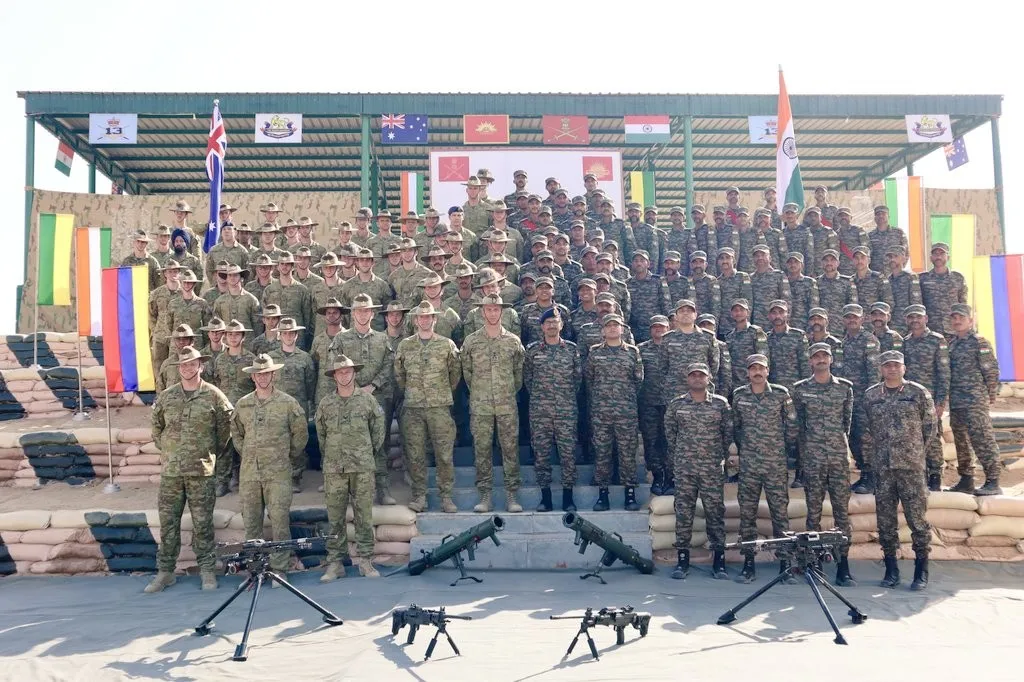
The fifth India-Australia army exercise opened in Kerala with about 240 troops training for island and coastal missions, and New Zealand observing for the first time.
TaiwanDefence · 1h ago · 2 min read
US Army Pacific chief says showing China more firepower is how to deter war
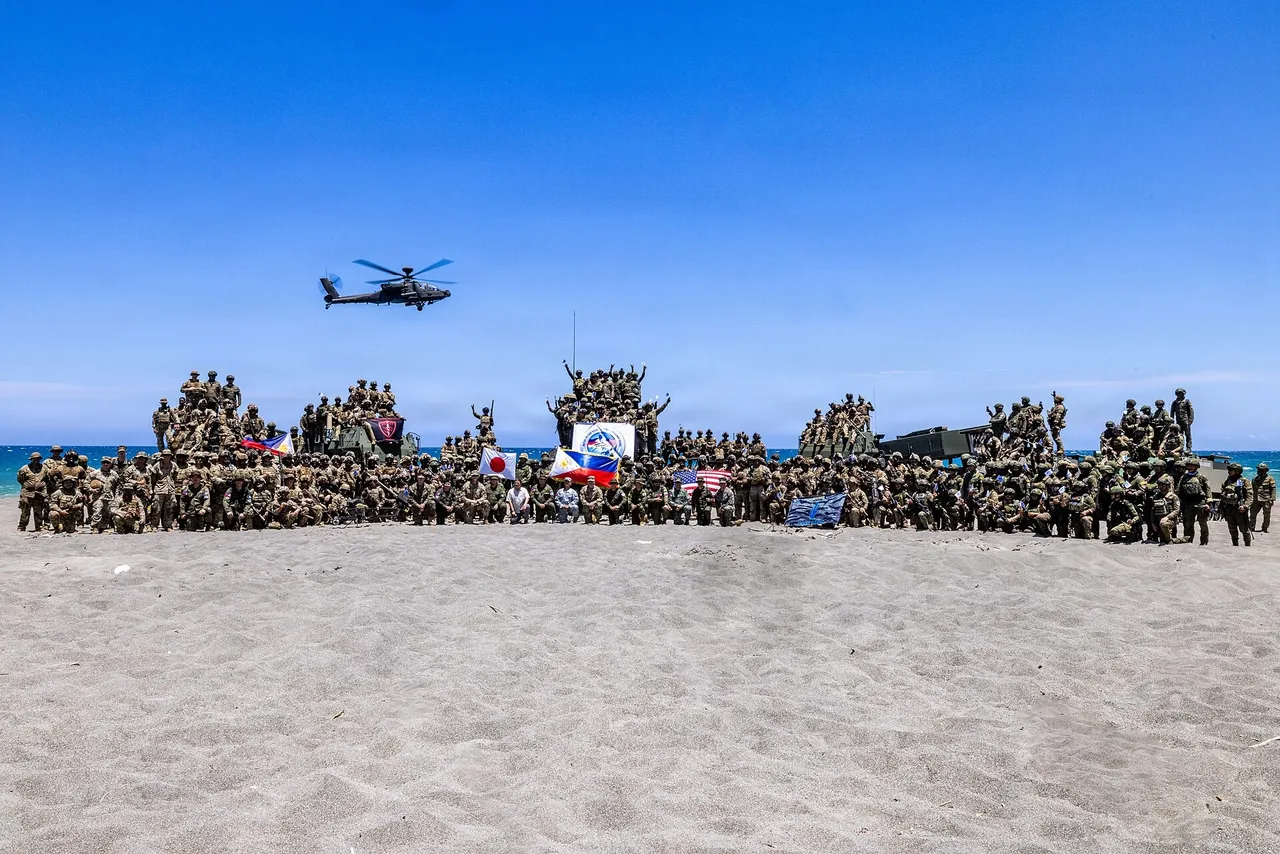
In a Financial Times interview reported on 19 October 2026, Gen. Ronald Clark cited Typhon deployments and HIMARS live-fires using South Korean ammunition as visible signals meant to make Beijing pause.
TaiwanDefence · 2h ago · 2 min read
South Korea's Lee says Seoul must retake wartime command early, rebuffing US commander's new conditions
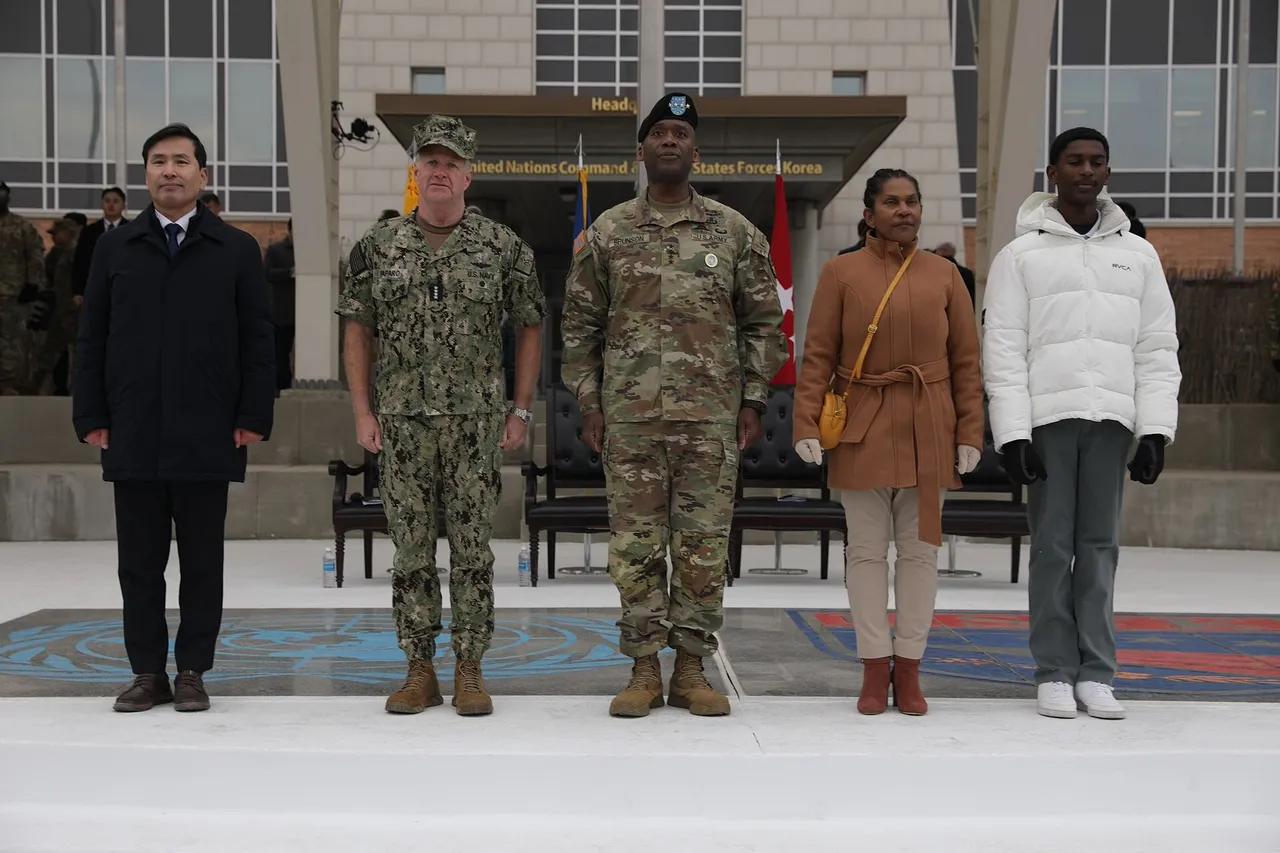
In his first comments on the row, the president said the handover is something Seoul must do itself, as the army chief rejected the US general's border remark.
TaiwanDefence · 4h ago · 3 min read
Discussion (0)
Comments are not currently available.