
Japan signs a deal to give Malaysia's navy a counter-drone system worth 1.65 billion yen
The grant under Japan's Official Security Assistance programme is the first to supply a counter-drone system and is meant to boost Malaysian sea-lane surveillance.
TAIPEI —
Japan agreed on Tuesday, 20 October, to give the Royal Malaysian Navy a system for detecting and countering drones, signing a grant worth 1.65 billion yen in Tokyo under its Official Security Assistance programme, the Japanese foreign ministry said. Foreign Minister Toshimitsu Motegi and Malaysia's defence minister, Mohamed Khaled Nordin, signed and exchanged the notes for the project, which covers the 2026 financial year.
The ministry said it was the first project under the programme, known as OSA, to provide a counter-unmanned aerial system, and that the equipment is expected to strengthen the navy's monitoring and surveillance capabilities. The New Straits Times put the value of the package at about RM40 million and reported Khaled as saying the system would improve the country's ability to watch its waters.
Tokyo framed the grant around geography. Its statement described Malaysia as a coastal state facing the Strait of Malacca and the southern part of the South China Sea, on the shipping route linking the Indian Ocean with East Asia, and said the Malaysian navy's surveillance of those sea lanes matters to Japan and to the wider region. The ministry said the project would help secure important sea lanes and support regional peace and stability under Japan's updated Free and Open Indo-Pacific vision.
The published statements do not name the system or its maker, say how many units will be supplied, or give a delivery date. Unmanned Airspace, a specialist counter-drone publication, reported the deal as a support package for the navy's monitoring and surveillance work without adding technical detail.
Malaysia has received equipment under the programme since 2023, according to the New Straits Times, including 14 unmanned aerial vehicles, seven rescue boats and two road-cleaning trucks worth a combined RM12.63 million. Under the 2025 programme, Japan allocated about RM80 million for Malaysia, the paper said, covering a support vessel for the navy that is due to be delivered in 2029 and equipment for the ASEAN Observer Team.
Khaled thanked Japan for the help and said Malaysia hoped to keep benefiting from the programme, particularly to strengthen maritime surveillance and the operational readiness of its armed forces. In a separate report by the state news agency Bernama, carried by the New Straits Times, he said Malaysia wants Japan to continue OSA assistance in 2027 and beyond with a wider scope, and that his talks with Motegi had covered counter-drone systems, maritime cooperation and regional security, including the situation in the South China Sea. He said Malaysia had stressed the importance of ASEAN unity in dealing with regional security challenges.
Motegi and Khaled met for 30 minutes after the signing ceremony, the Japanese foreign ministry said. Motegi welcomed the fact that the counter-drone project had been signed before their talks, and Khaled welcomed progress in maritime security cooperation between the two countries. The ministers agreed to develop relations further, including in security, ahead of the 70th anniversary of diplomatic ties in 2027.
According to Bernama, the meeting also touched on expanding maritime cooperation, exploring government-to-government arrangements for defence procurement and a proposal for annual meetings between the two countries' defence ministers. Khaled had met his Japanese counterpart the day before, on the second day of his working visit to Japan.
OSA is a grant aid framework through which Japan provides equipment, supplies and help with infrastructure to the armed forces and related bodies of partner countries. The foreign ministry says it aims to strengthen those countries' security and deterrence capabilities and to create a security environment favourable to Japan.
Sources
More in Indo-Pacific
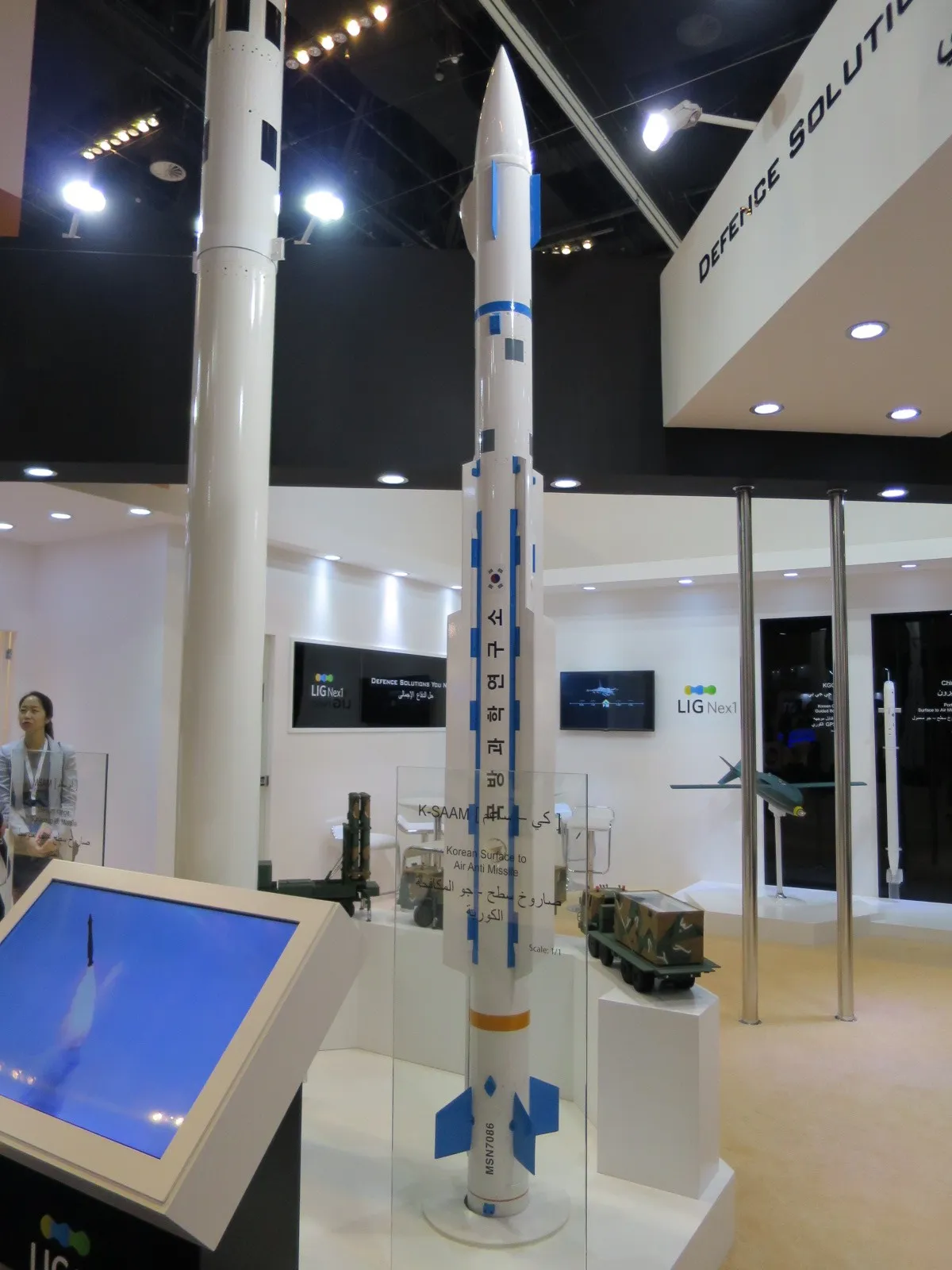
South Korea bars missile maker LIG D&A from defence bids for two years over bribery
Seoul's arms agency gave its harshest penalty over what it called the biggest bribery case in its history, clouding a KF-21 missile deal.
TaiwanDefence · 18m ago · 3 min read
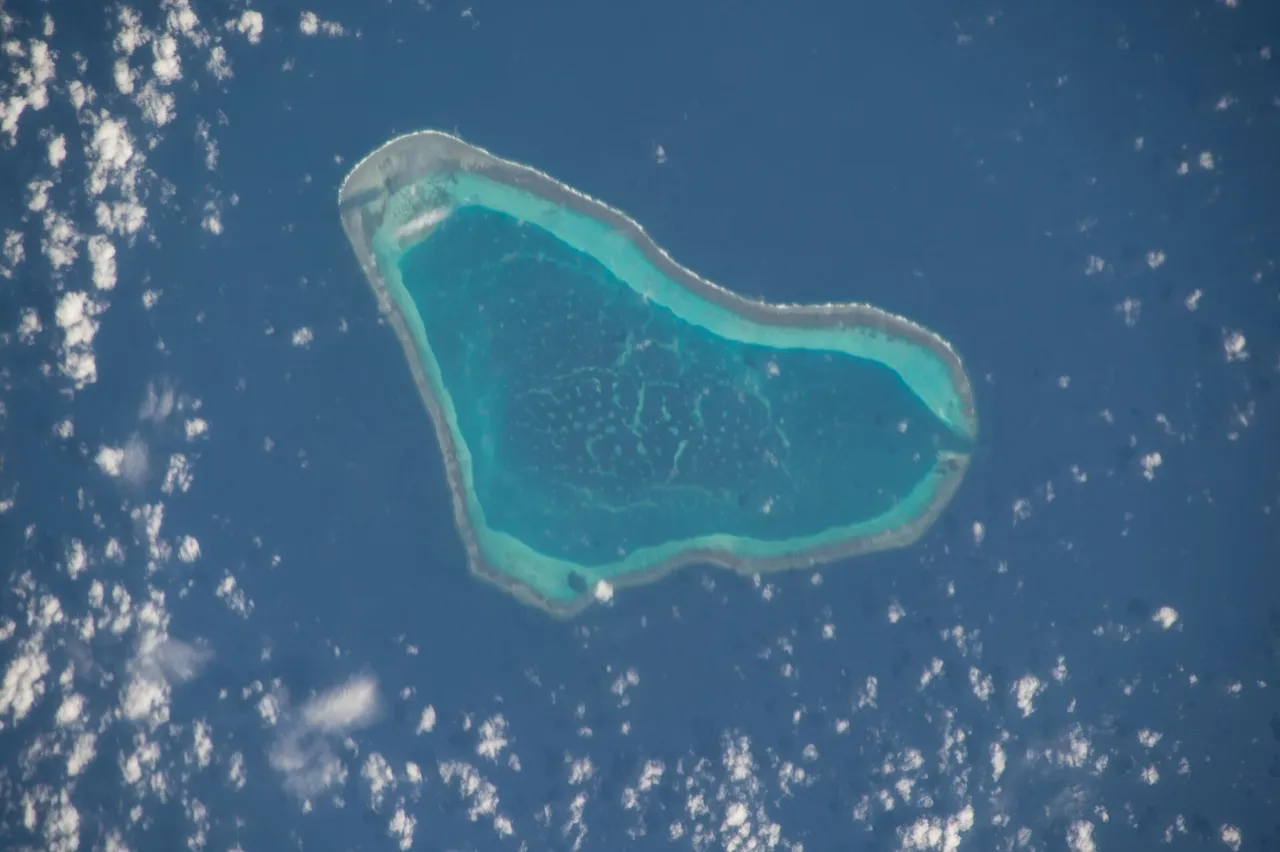
Philippine patrol flight finds no new Chinese structure at Scarborough Shoal despite PLA radio warnings
Chinese navy and air force radio operators told Philippine aircraft to leave or be intercepted, but the flight went undisturbed and no reported new structure was seen.
TaiwanDefence · 4h ago · 3 min read
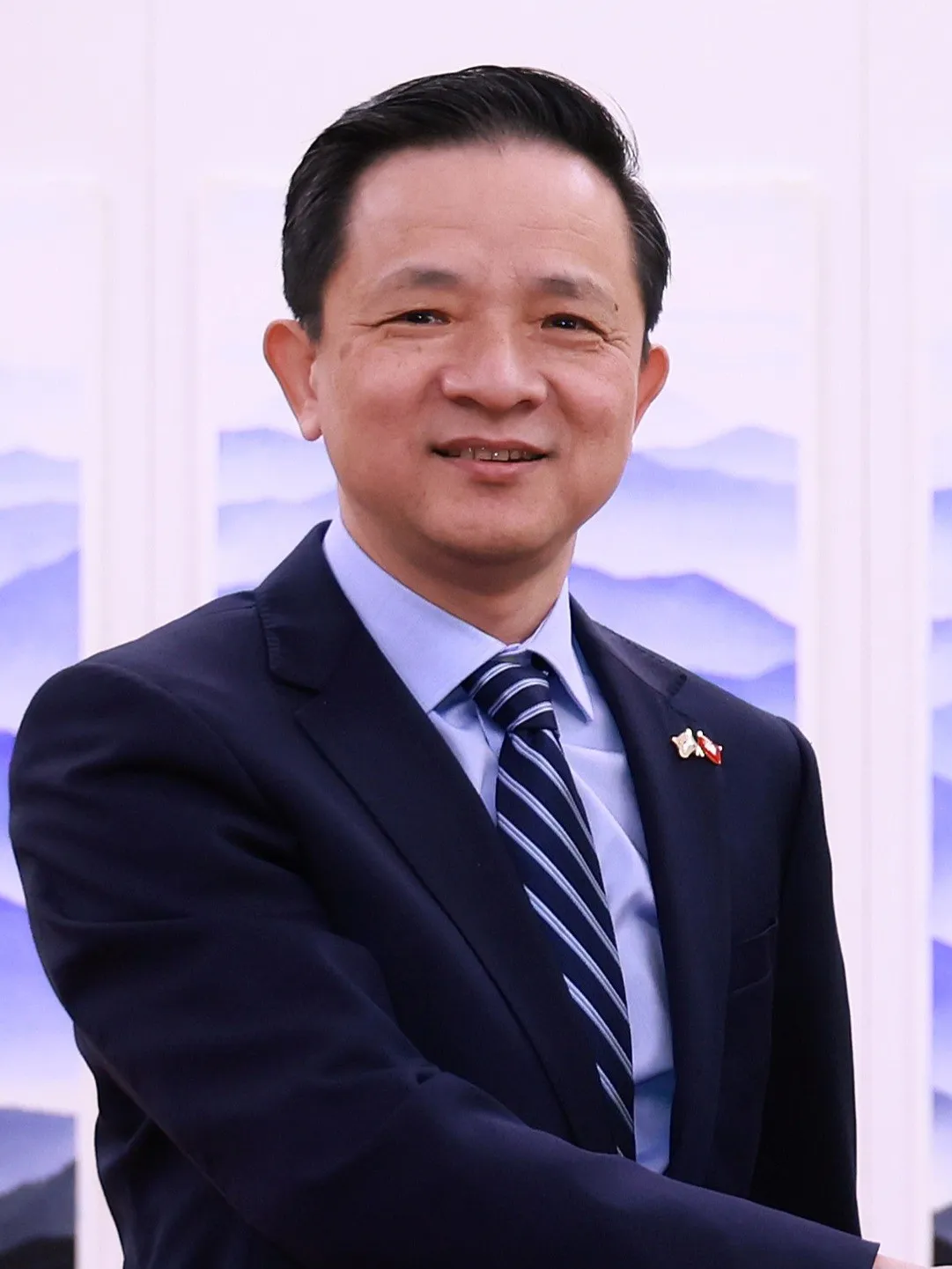
South Korea's new defence minister presses China's envoy on air zone entries and Yellow Sea activity
Kang Shin-chul told Ambassador Dai Bing that rising tension on the Korean Peninsula does not serve China and asked Beijing to play a constructive role.
TaiwanDefence · 5h ago · 2 min read
Discussion (0)
Comments are not currently available.