
South Korea's new defence minister presses China's envoy on air zone entries and Yellow Sea activity
Kang Shin-chul told Ambassador Dai Bing that rising tension on the Korean Peninsula does not serve China and asked Beijing to play a constructive role.

TAIPEI —
South Korea's new defence minister, Kang Shin-chul, set out Seoul's position on Chinese military aircraft entering the Korea Air Defence Identification Zone and on Chinese activity in the Yellow Sea when he met China's ambassador on Tuesday 20 October, the Ministry of National Defense said. Kang also asked Beijing to play a constructive role as tension with North Korea rises along the border.
Kang received Ambassador Dai Bing on Tuesday afternoon at the ministry's headquarters in the Yongsan district of Seoul. According to the ministry's account, carried by Yonhap and Newsis, the two men discussed defence exchanges between South Korea and China and the security situation on the Korean Peninsula.
On the peninsula, Kang told the ambassador that rising tension there was not in China's own interest either, and he asked the Chinese government to help keep peace and stability. South Korean media linked the request to North Korea's effort to fortify the border. Newsis tied it to a North Korean mine incident on the western front of the Demilitarised Zone on 21 September, after which the South Korean military protested to the North and began removing North Korean mines laid south of the Military Demarcation Line. Yonhap and Etoday noted that South Korean soldiers have been hurt by mines the North buried south of that line.
Kang also explained South Korea's position on Chinese activity inside the air defence zone, known as KADIZ, and in the Yellow Sea, which Koreans call the West Sea, and said close communication between the two countries was important. Etoday reported that he stressed the need for close contact between the two militaries to prevent accidental clashes. Dai agreed and said he hoped both sides would step up dialogue on diplomatic and security issues. The ministry's account did not describe any more detailed Chinese reply on the air zone or the Yellow Sea.
An air defence identification zone is a line a country draws beyond its territorial airspace so that it can identify approaching military aircraft early. Yonhap noted that it is international practice for military aircraft entering another country's zone to file a flight plan in advance and report their position on entry. China and Russia send military aircraft into KADIZ once or twice a year, citing joint exercises, without giving prior notice, according to Yonhap and Etoday.
The two sides also discussed wider defence ties. Kang praised the development of relations since the two countries established diplomatic ties and asked for China's active support for defence exchanges built on good neighbourliness and trust. Dai congratulated Kang on taking office and said that, with the two countries' leaders having visited each other within a short period, he hoped exchanges and cooperation in the defence field would also become more active.
Kang took office last month. The meeting with Dai follows his talks with US Ambassador Michelle Steel on 23 September, when they discussed the regional security situation and alliance issues, and with Japanese Ambassador Koichi Mizushima on 19 October, when they reviewed defence exchanges between Seoul and Tokyo.
Sources
More in Indo-Pacific
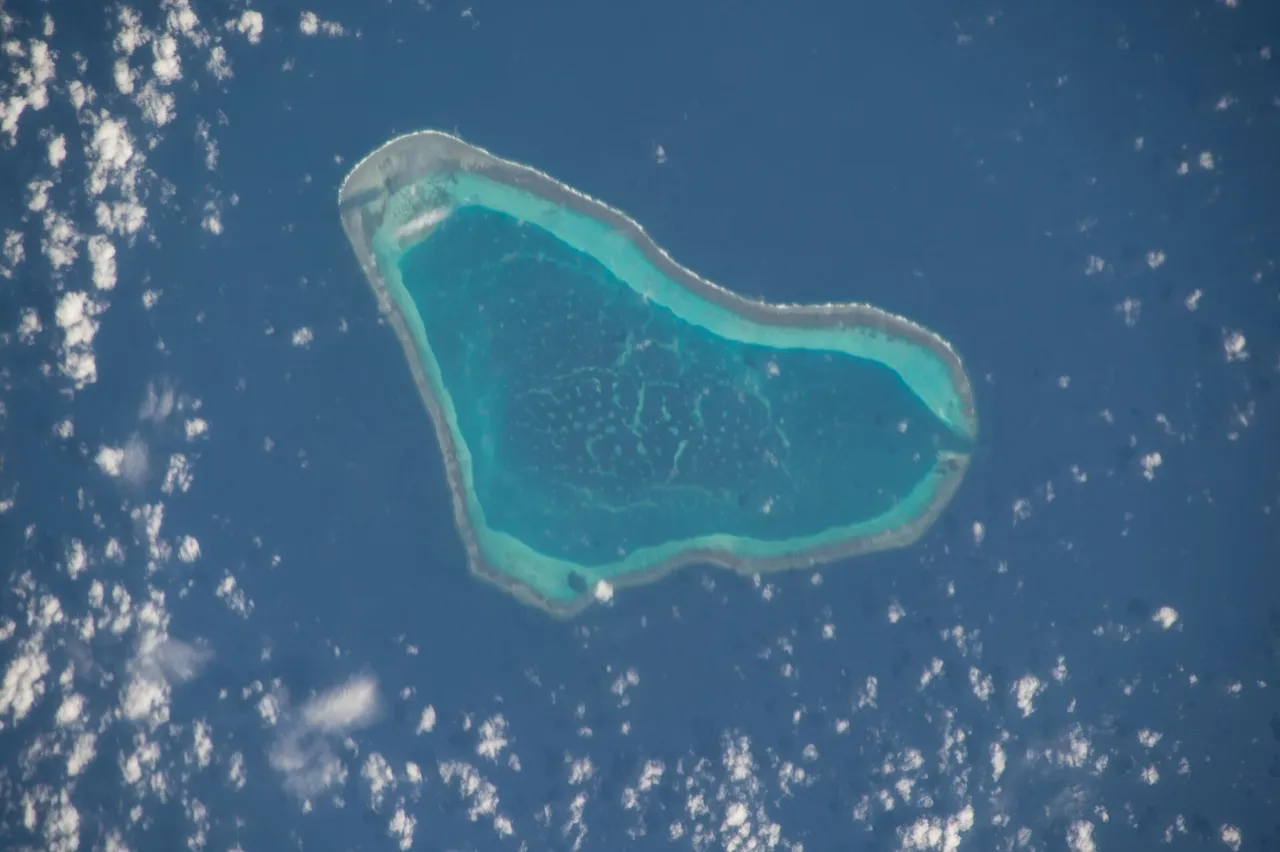
Philippine patrol flight finds no new Chinese structure at Scarborough Shoal despite PLA radio warnings
Chinese navy and air force radio operators told Philippine aircraft to leave or be intercepted, but the flight went undisturbed and no reported new structure was seen.
TaiwanDefence · 41m ago · 3 min read
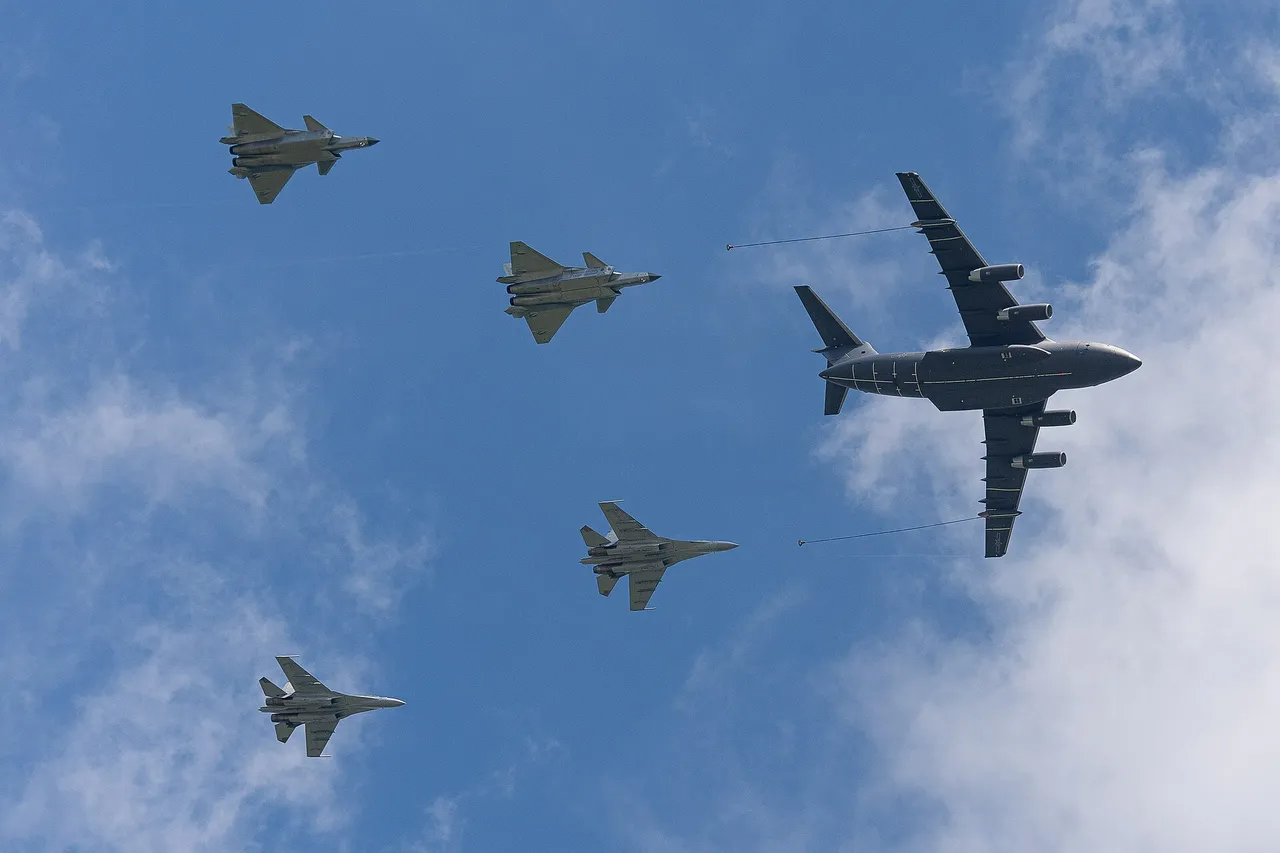
China's air force shows its Y-20B heavy transport fitted to work as an aerial refuelling tanker
A PLA Daily photo and state media reports point to a dual-role Y-20B that can swap between cargo and tanker work with removable pods, suggesting it is now in service.
TaiwanDefence · 2h ago · 3 min read
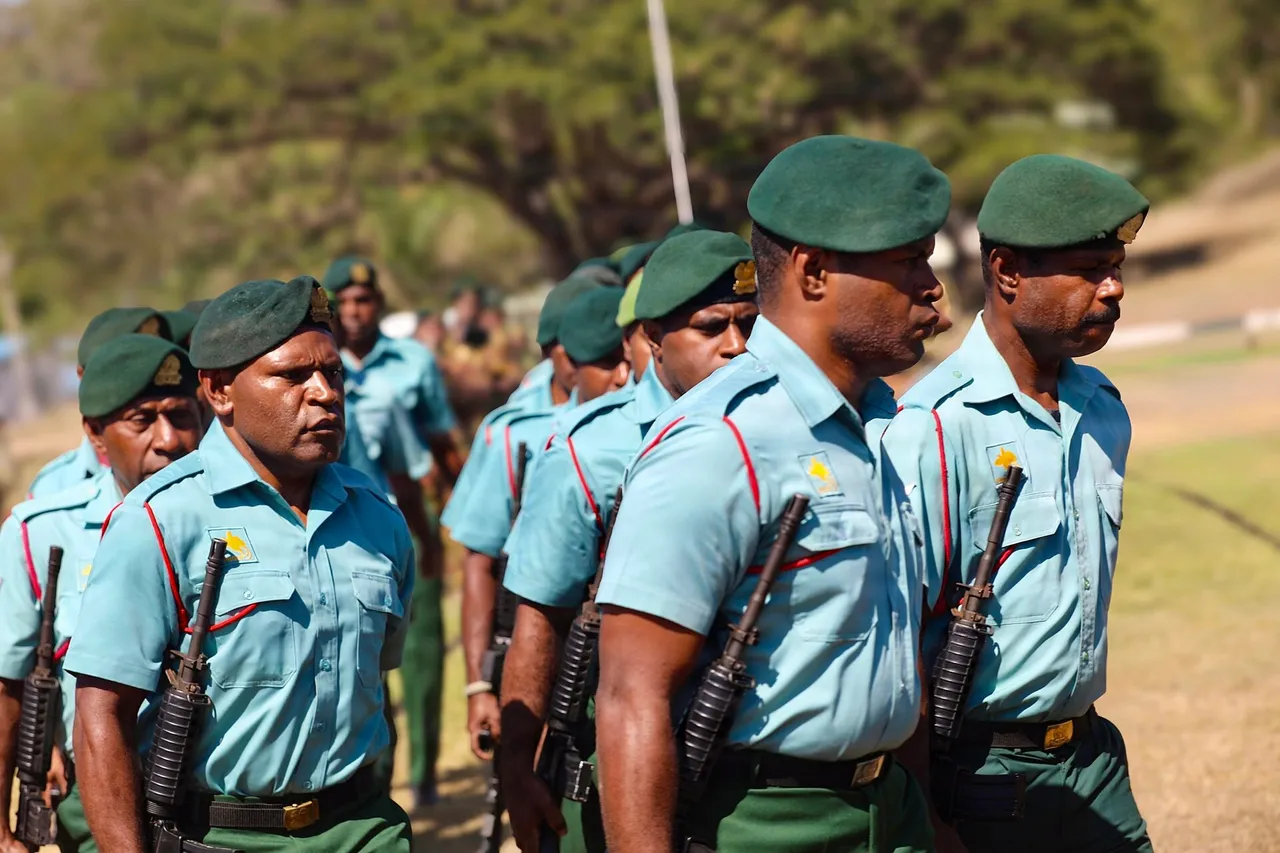
Australia opens its military to recruits from Papua New Guinea under their new defence treaty
Applications open on 16 November for a A$65 million pilot meant to bring about 100 Papua New Guinean students and graduates into the ADF over two years.
TaiwanDefence · 5h ago · 3 min read
Discussion (0)
Comments are not currently available.