
Japan will train Philippine crews before handing over its first retired Abukuma destroyer
Defence chiefs Teodoro and Koizumi report substantive progress in Cebu, aiming for the first ship soon after it leaves Japanese service and a TC-90 by FY2027.
TAIPEI —
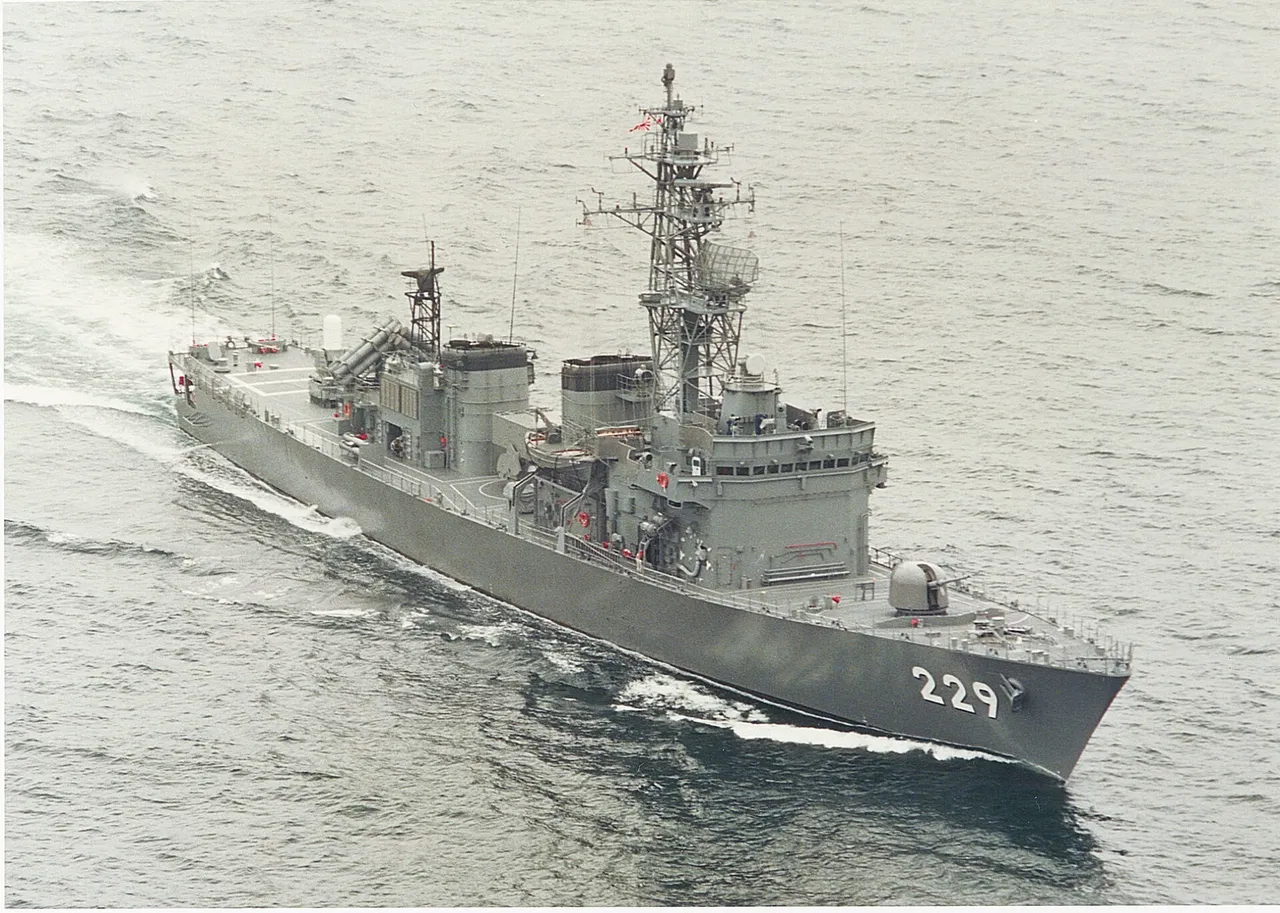
Japan and the Philippines have made substantive progress on transferring a retired Abukuma-class destroyer escort to the Philippine military, and aim to hand over the first ship as early as possible after it is decommissioned in the next few years, the two defence chiefs said after talks in Cebu on 28 October.
Philippine Defence Secretary Gilberto Teodoro and Japanese Defence Minister Shinjiro Koizumi met in Lapu-Lapu City on the sidelines of the ASEAN defence ministers' meeting, which the Philippines is hosting this year. Koizumi told reporters after the meeting that the two sides had agreed to work towards an early export of one used Maritime Self-Defense Force escort ship once it retires.
Training and maintenance first
According to the joint statement, Japan will give the Philippine side the necessary education and training before the handover and will work closely with Manila on maintenance after the ship arrives. The statement did not give a date or name the first hull.
The ministers also agreed that their working group will settle details of operating and maintaining the TC-90 patrol aircraft, with the aim of transferring the first aircraft to the Philippines before the end of Japan's 2027 fiscal year.
Teodoro and Koizumi expressed serious concern about China's coercive actions in the East China Sea and the South China Sea and restated their opposition to any unilateral attempt to change the status quo by force or coercion. They also agreed to keep negotiating an agreement on protecting classified military information and to deepen defence cooperation through the Australia, Japan, Philippines and US grouping and ASEAN-led forums.
How the deal has moved
The two ministers first reached a broad consensus at the Shangri-La Dialogue in Singapore on 31 May to move towards transferring Abukuma-class ships promptly after they are decommissioned, and one TC-90 within Japan's 2027 fiscal year. At that stage they said Philippine Navy training, maintenance and the proper management of the transferred equipment still had to be worked out in the working group.
In July, Teodoro said a deal covering five of the soon-to-retire ships was done and that delivery was expected within two to three years. The Cebu statement, as reported, addressed only the first ship and did not repeat a total number.
The Abukuma class is a six-ship group of destroyer escorts commissioned between 1989 and 1993 for coastal defence and anti-submarine work. Each displaces about 2,000 tonnes, is about 109 metres long and carries a 76mm gun, a Phalanx close-in weapon system, Harpoon anti-ship missiles, ASROC anti-submarine rockets and lightweight torpedoes.
Why it matters
If completed, the transfer would be Japan's first export of retired surface combatants under its looser defence equipment rules, and the ships would join the Philippine Navy's four South Korean-built frigates of the Jose Rizal and Miguel Malvar classes. On the same day, Teodoro also met US War Secretary Pete Hegseth, who announced more US security cooperation funding to speed up the modernisation of the Philippine armed forces.
Sources
More in Indo-Pacific

Seoul and Tokyo defence chiefs hold first talks, with a North Korean mine blast on the agenda
Kang Shin-chul and Koizumi Shinjiro met in Cebu on 28 October, backing three-way work with the US and agreeing to cooperate on AI and drones.
TaiwanDefence · 25m ago · 2 min read
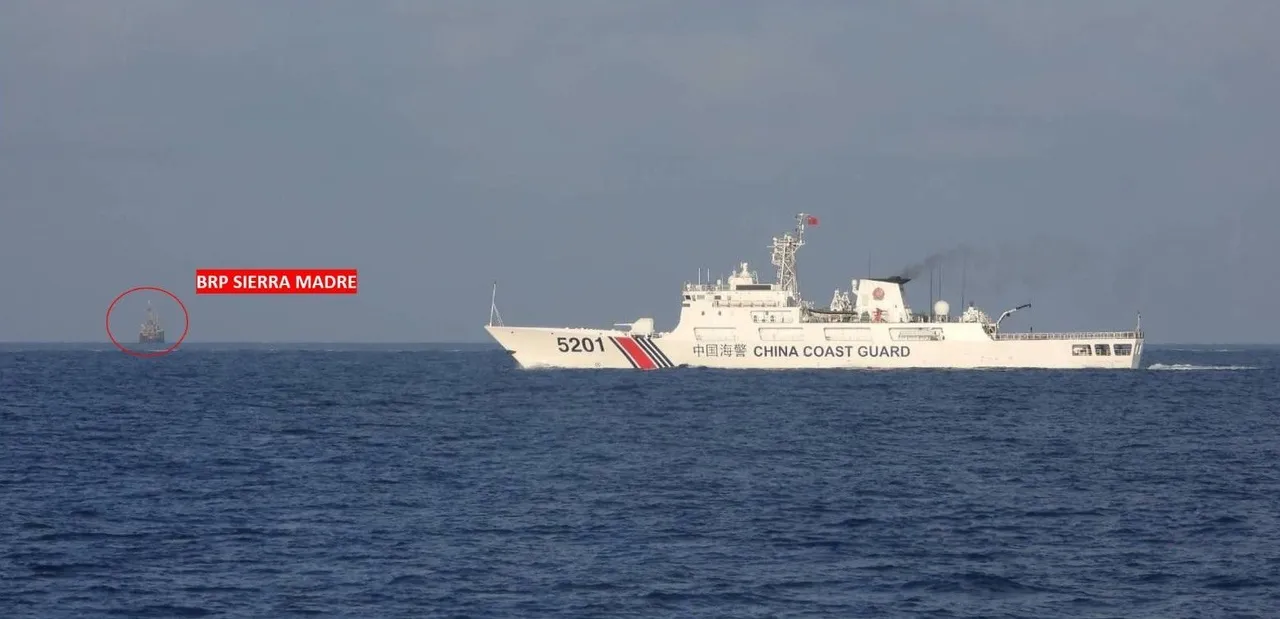
Philippines delivers fuel to fishermen at Scarborough Shoal as Chinese navy and coast guard ships watch
A Philippine Coast Guard escort and patrol plane covered a fisheries fuel run at the shoal, while Chinese warships, coast guard ships and a research vessel stayed nearby.
TaiwanDefence · 2h ago · 2 min read
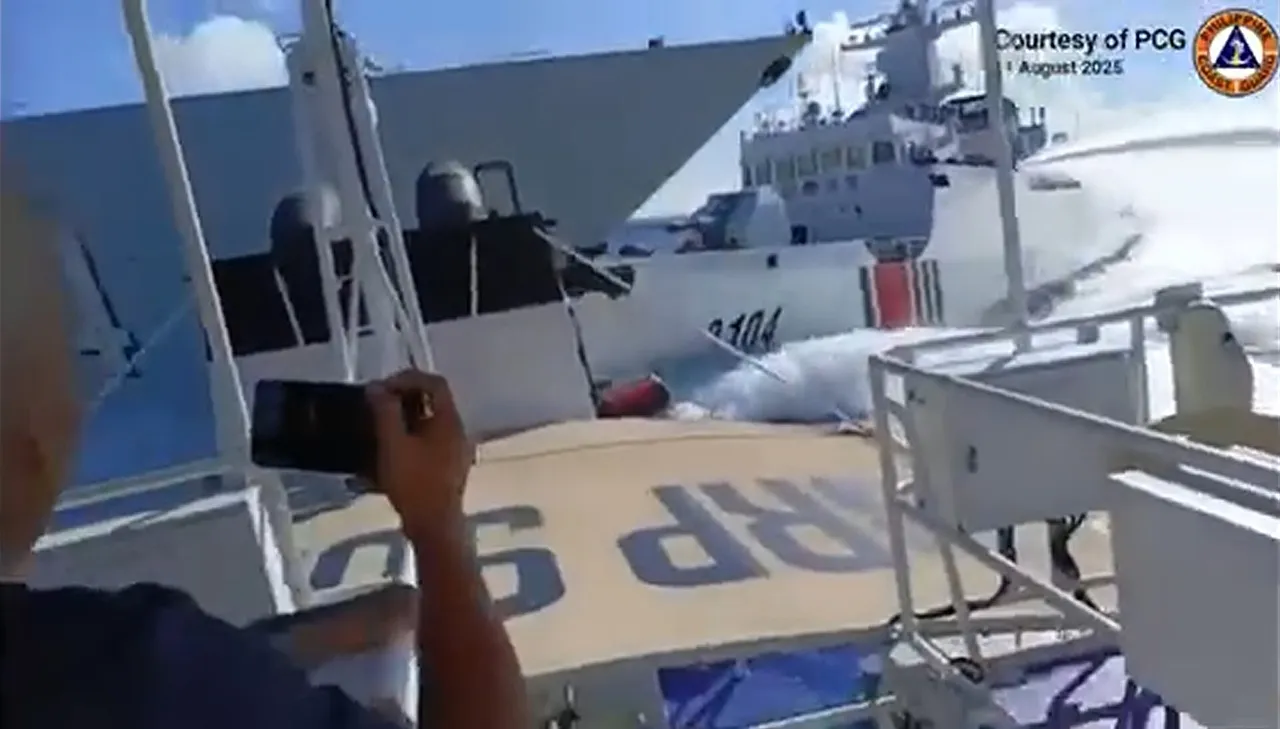
Japan reports a Chinese coast guard ship sailing with PLA Navy warships into the Pacific
Japan's Joint Staff says a China Coast Guard ship joined three Chinese warships through the Osumi Strait, the first such case the ministry has made public.
TaiwanDefence · 4h ago · 2 min read
Discussion (0)
Comments are not currently available.