
Japan's defence minister tells ASEAN counterparts the region's security is worsening and pitches three fixes
Shinjiro Koizumi used an informal meeting with Southeast Asian defence chiefs in Cebu to propose changes to how the ADMM-Plus working groups operate.
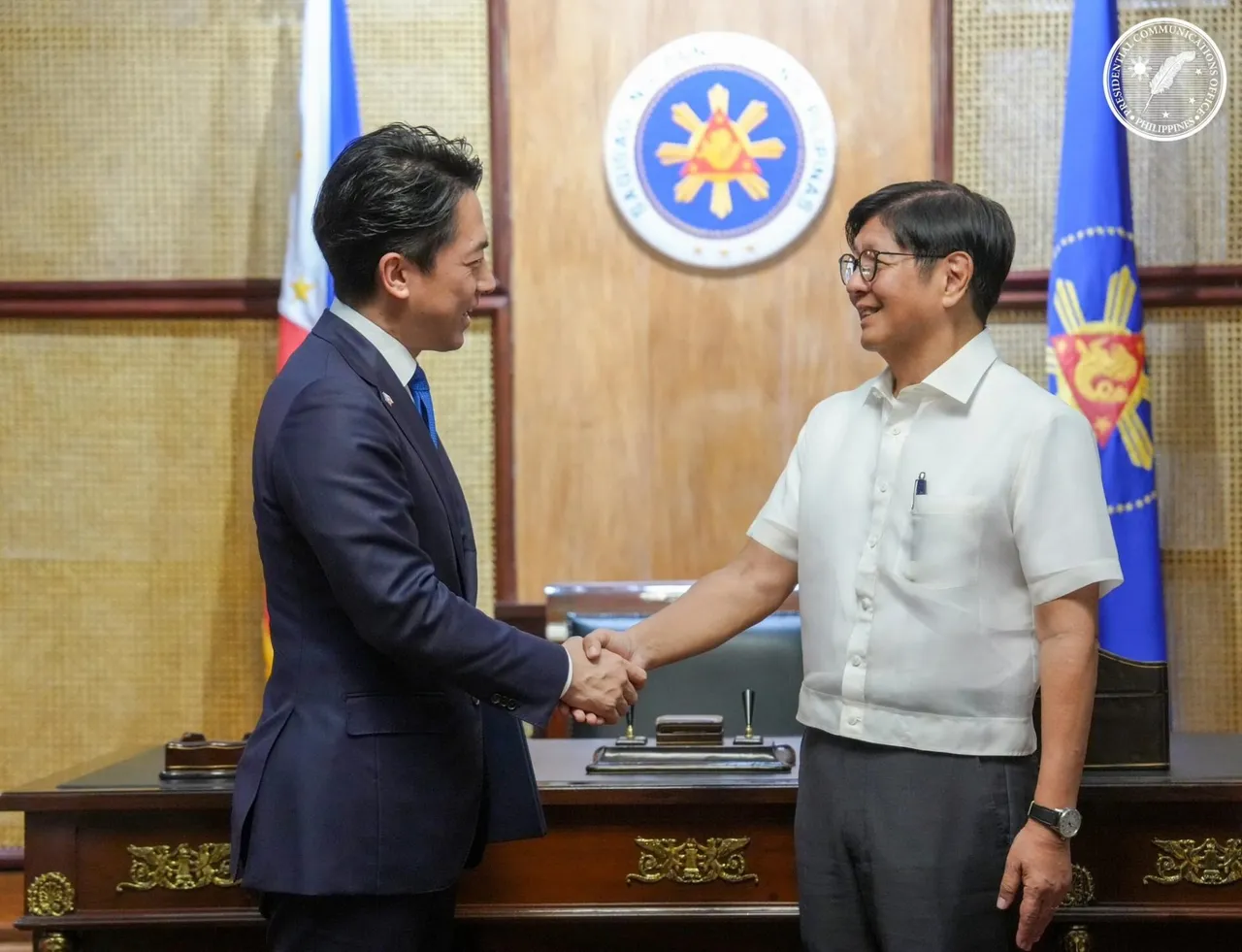
TAIPEI —
Japanese Defence Minister Shinjiro Koizumi told his Southeast Asian counterparts on 28 October that the security environment in their region is deteriorating rapidly, and he set out three proposals to reshape defence cooperation under the ASEAN Defence Ministers' Meeting-Plus framework. He spoke at an informal meeting between the ASEAN defence ministers and Japan in Lapu-Lapu City, Cebu, on the sidelines of the bloc's annual defence talks hosted by the Philippines.
Koizumi named three forces behind the decline. He said natural disasters are becoming more severe and can knock out communications, medical care and transport at the same time. He said conflicts elsewhere in the world are now feeding through to regional supply chains and energy supplies. And he said the military balance is shifting quickly, which in his view raises the risk of coercion against weaker states and of dangerous miscalculation. He argued that these pressures overlap and reinforce one another rather than simply adding up.
Unity, centrality and resilience
Against that backdrop, Koizumi said ASEAN's unity, its central role in regional diplomacy and its resilience were the things most worth protecting, describing them as public goods for the wider region. He said unity lets members work together despite their differences, centrality lets the bloc set its own agenda, and resilience lets governments keep essential services and their own decision-making going during a crisis. He noted that ASEAN members are building up their individual ability to respond and deter while the bloc tackles shared problems from disaster relief to maritime security, and said Japan would back both tracks.
Three proposals for the working groups
His first proposal was to update the priorities of the ADMM-Plus Experts' Working Groups, the bodies through which ASEAN states and their dialogue partners run practical cooperation. Japan supports the review of those groups that ASEAN already has under way, he said, arguing that artificial intelligence, uncrewed systems, compound disasters and critical undersea infrastructure call for new approaches.
Second, he called for closer coordination between the working groups. He pointed to the Trident Resolve exercise in Indonesia in September, which brought three of the groups together for a single field exercise, and suggested that members look for ways to keep that kind of joint activity going while taking account of limits on personnel and budgets.
Third, Koizumi proposed opening working-group activities to countries and organisations outside the ADMM-Plus, provided ASEAN keeps control of the rules on who takes part. He said such wider participation should be kept separate from any enlargement of ADMM-Plus membership itself, and argued that bringing in outsiders on those terms would strengthen rather than dilute ASEAN's central role.
A crowded week in Cebu
Koizumi closed by saying Japan would support decisions taken by ASEAN rather than set the bloc's priorities for it. The Cebu meetings mark the 20th ASEAN Defence Ministers' Meeting and the 13th ADMM-Plus, which brings in defence chiefs from partner countries including the United States, China, South Korea, Japan, Australia and India. China did not send its defence minister this year.
Sources
More in Indo-Pacific
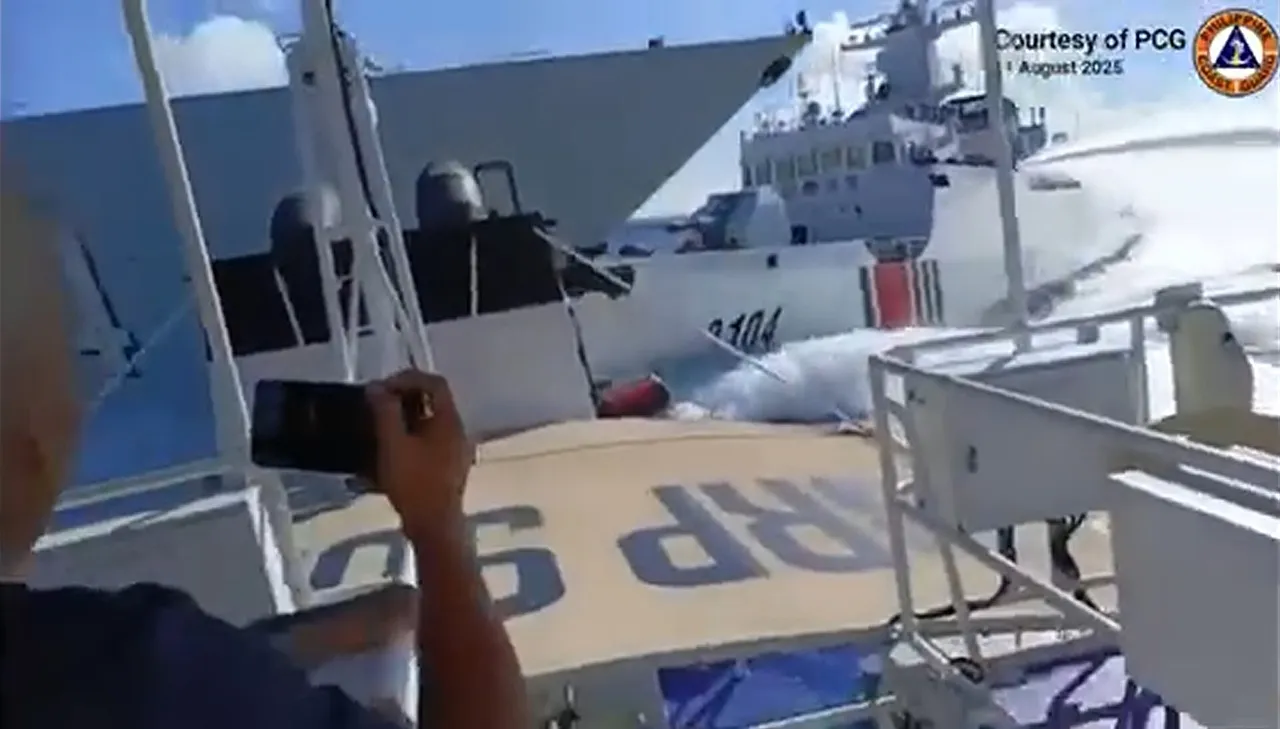
Japan reports a Chinese coast guard ship sailing with PLA Navy warships into the Pacific
Japan's Joint Staff says a China Coast Guard ship joined three Chinese warships through the Osumi Strait, the first such case the ministry has made public.
TaiwanDefence · 27m ago · 2 min read
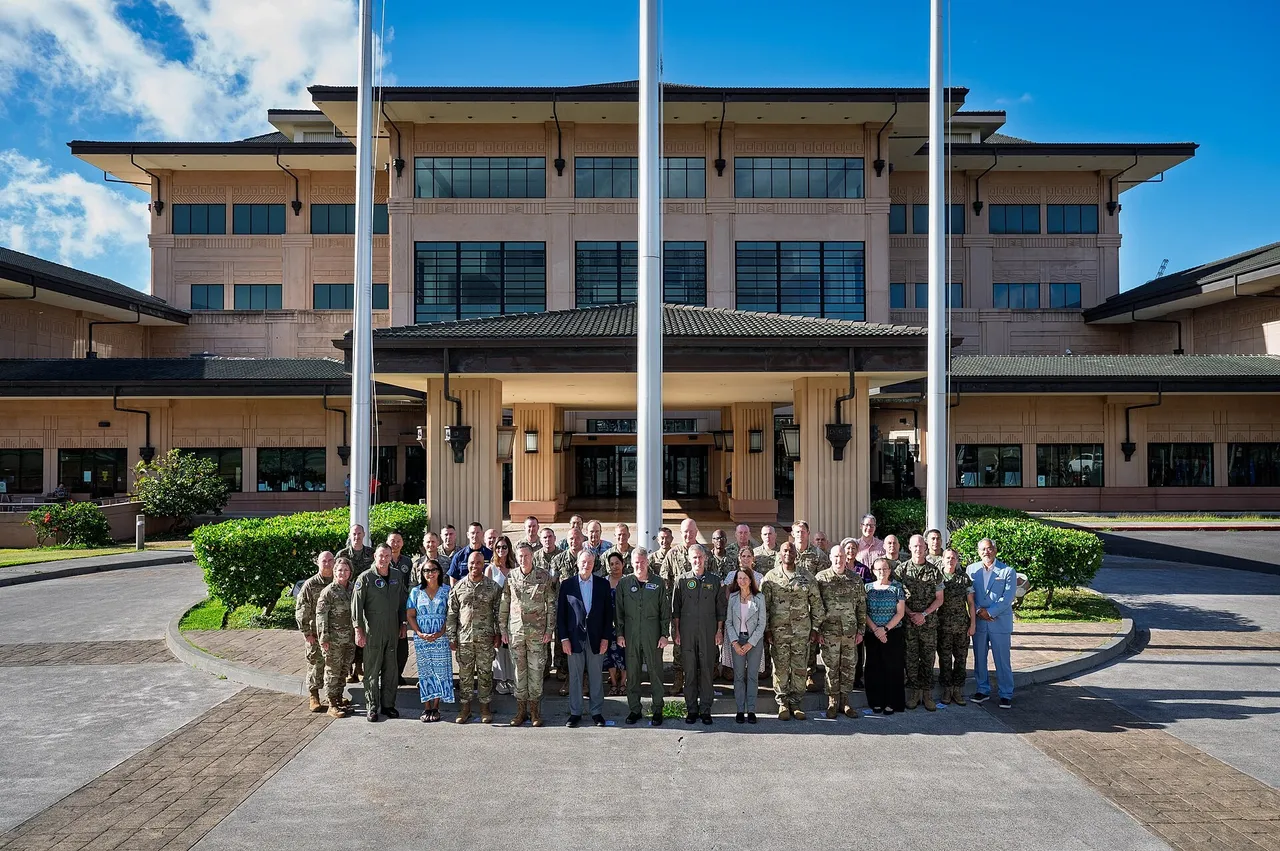
US refuses a visa to South Korea's defence committee chair, upending a visit to Indo-Pacific Command
Jin Seong-jun, who chairs the National Assembly defence committee, says Washington turned down his official visa days before a planned trip to US commanders in Hawaii.
TaiwanDefence · 2h ago · 3 min read
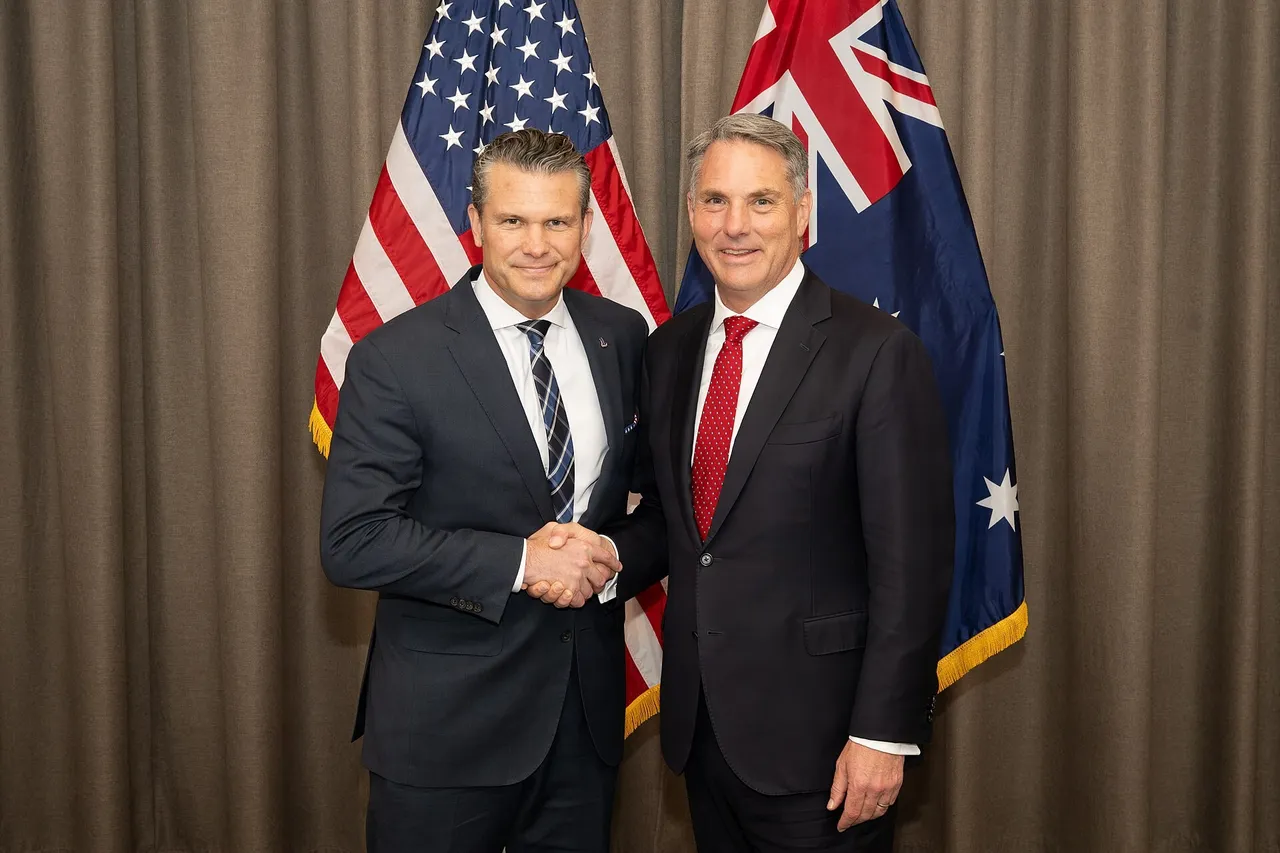
Hegseth and Marles agree to speed up US force posture work at Australian air bases
Meeting in Cebu, the US and Australian defence chiefs also backed missile co-production, while Marles said AUKUS submarines remain on track for around 2030.
TaiwanDefence · 3h ago · 2 min read
Discussion (0)
Comments are not currently available.