
US refuses a visa to South Korea's defence committee chair, upending a visit to Indo-Pacific Command
Jin Seong-jun, who chairs the National Assembly defence committee, says Washington turned down his official visa days before a planned trip to US commanders in Hawaii.
TAIPEI —
The United States has refused to issue a visa to Jin Seong-jun, the chair of the South Korean National Assembly's National Defence Committee, the ruling Democratic Party lawmaker said on 28 October. The refusal throws into doubt a committee trip to US Indo-Pacific Command in Hawaii that was due to run from 1 to 5 November.
Jin disclosed the decision in a statement and on Facebook. According to Newspim, the visa he had applied for was an A-2 official visa, the category used by government personnel travelling to the United States on public business. Washington did not give a reason for the refusal, the outlet reported.
A cross-party delegation
The delegation was to be led by Jin and include the committee's two party secretaries, Kim Byung-joo of the Democratic Party and Lim Jong-deuk of the opposition People Power Party, as well as Chun Ha-ram of the minor Reform Party, making four members in all. Jin said the purpose was to strengthen security cooperation between Seoul and Washington and to discuss how to develop the alliance.
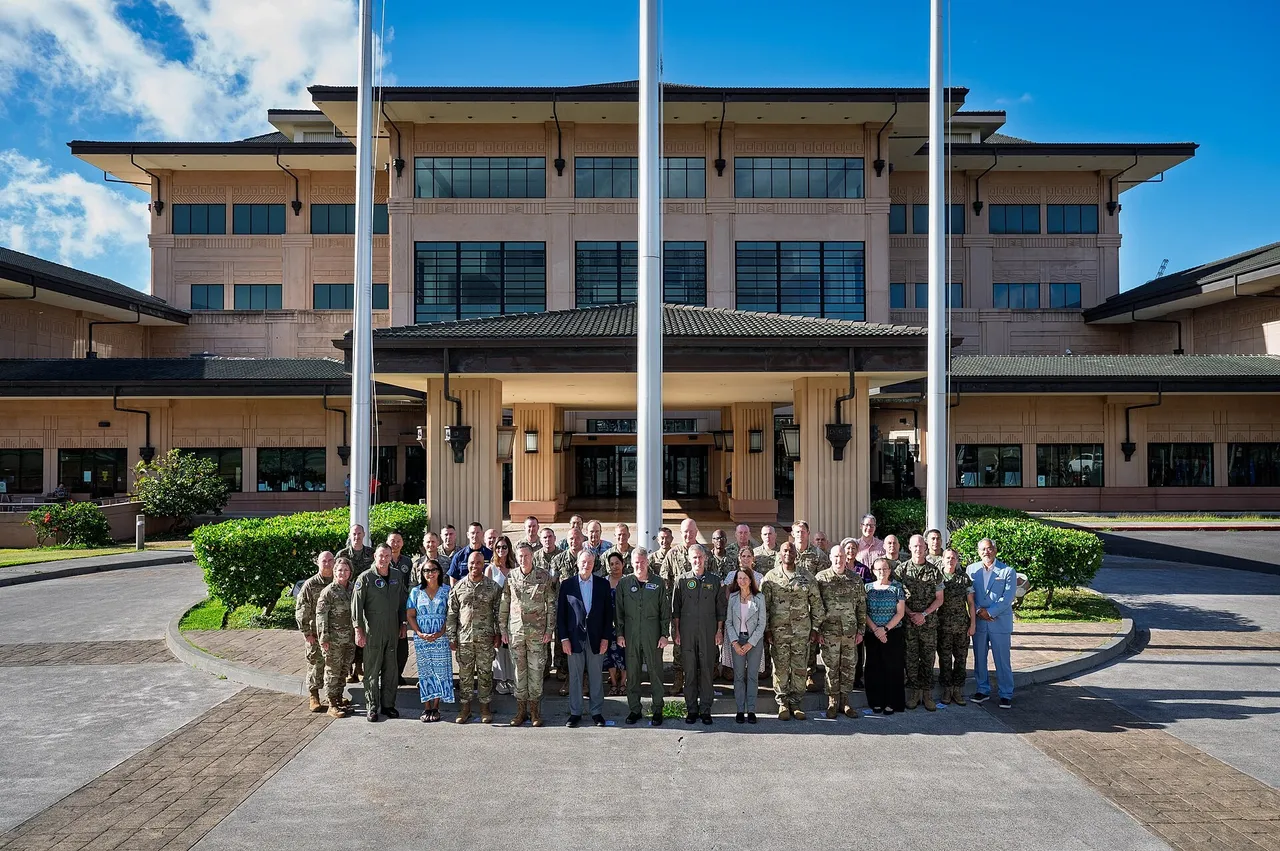
Meetings had already been arranged with senior US commanders, according to Jin's side. Chosunbiz reported that the schedule included Adm. Samuel Paparo, the head of Indo-Pacific Command, along with the commanders or deputy commanders of the Pacific Fleet, Pacific Air Forces, US Army Pacific and US Space Forces Indo-Pacific, and the Hawaii chapter of the Korean War Veterans Association.
Strong regret in Seoul
In his statement, Jin expressed strong regret and argued that the refusal was not simply a restriction on one person's travel but an obstruction of the official legislative work of a parliament that represents South Koreans. He said it disregarded the standing of the National Assembly and damaged the mutual respect and trust on which the alliance rests, and he called on Washington to take forward-looking steps.
Jin also noted that he had visited what was then US Pacific Command in March 2014, while serving on the defence committee in an earlier parliament, which he said made the decision harder to understand.
Second case this month
The case follows a visa problem for another Democratic Party lawmaker, Jung Chung-rae of the foreign affairs and unification committee, which Jin cited in his statement. Newspim reported that Jung had been assigned to the committee's audit of overseas missions in the Americas this month but switched his audit trip to Europe after his visa was delayed. The outlet noted that the State Department, asked about that delay, said only that it keeps the highest standards on national security and public safety and reviews each application under US law, without commenting on individual cases.
Newspim described Jin's case as more serious because it was an outright refusal rather than a delay, and because it involved the sitting chair of the defence committee. The outlet recalled that Jin was convicted by a military court on national security charges during his own conscript service over remarks about US forces, and that he recently criticised comments by Gen. Xavier Brunson, the US Forces Korea commander, about the Demilitarized Zone. It stressed that no link between that record and the refusal has been confirmed.
South Korean Foreign Minister Cho Hyun told lawmakers on 27 October that he would raise Jung's visa during talks with Secretary of State Marco Rubio in Washington on 29 October, Newspim reported. It is not yet clear whether Jin's case will also be discussed.
Sources
More in Indo-Pacific

Japan's defence minister tells ASEAN counterparts the region's security is worsening and pitches three fixes
Shinjiro Koizumi used an informal meeting with Southeast Asian defence chiefs in Cebu to propose changes to how the ADMM-Plus working groups operate.
TaiwanDefence · 40m ago · 2 min read
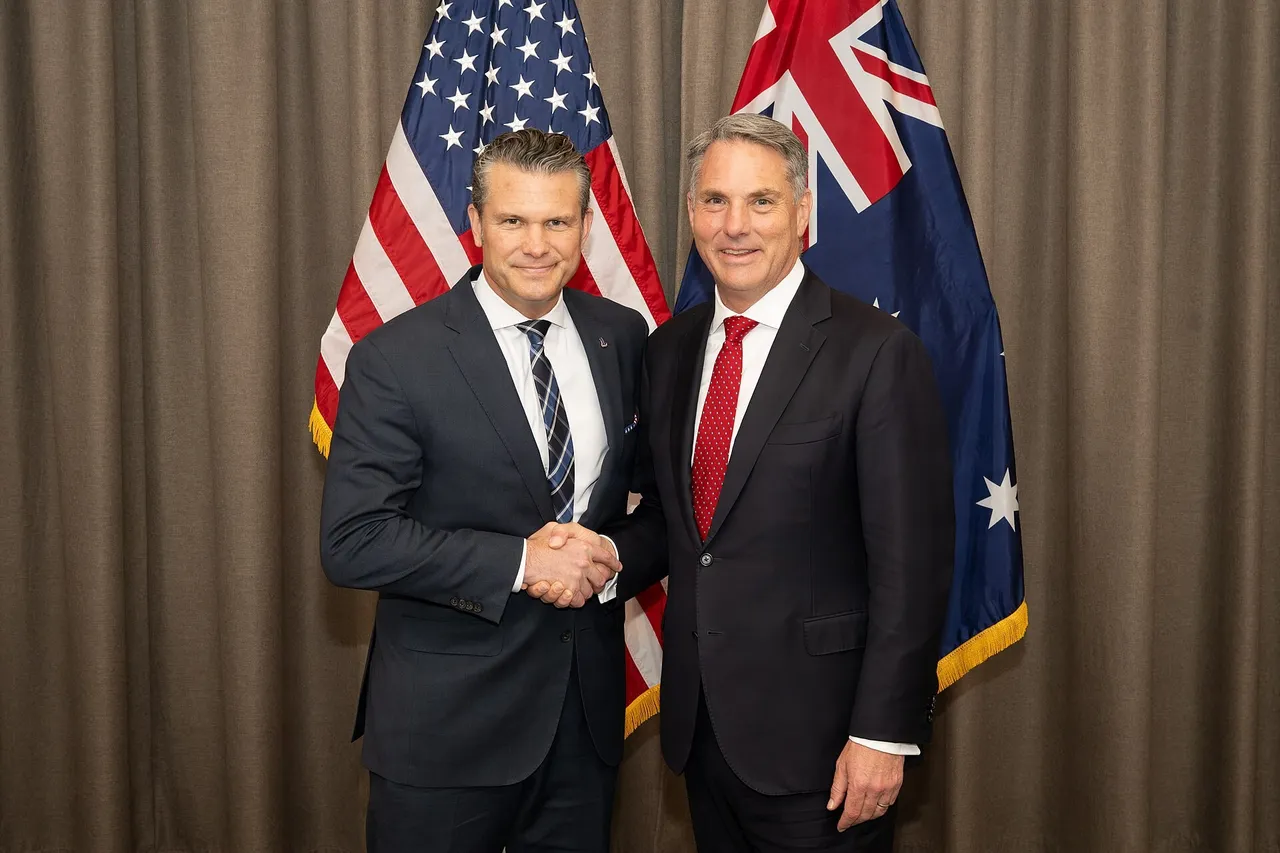
Hegseth and Marles agree to speed up US force posture work at Australian air bases
Meeting in Cebu, the US and Australian defence chiefs also backed missile co-production, while Marles said AUKUS submarines remain on track for around 2030.
TaiwanDefence · 2h ago · 2 min read
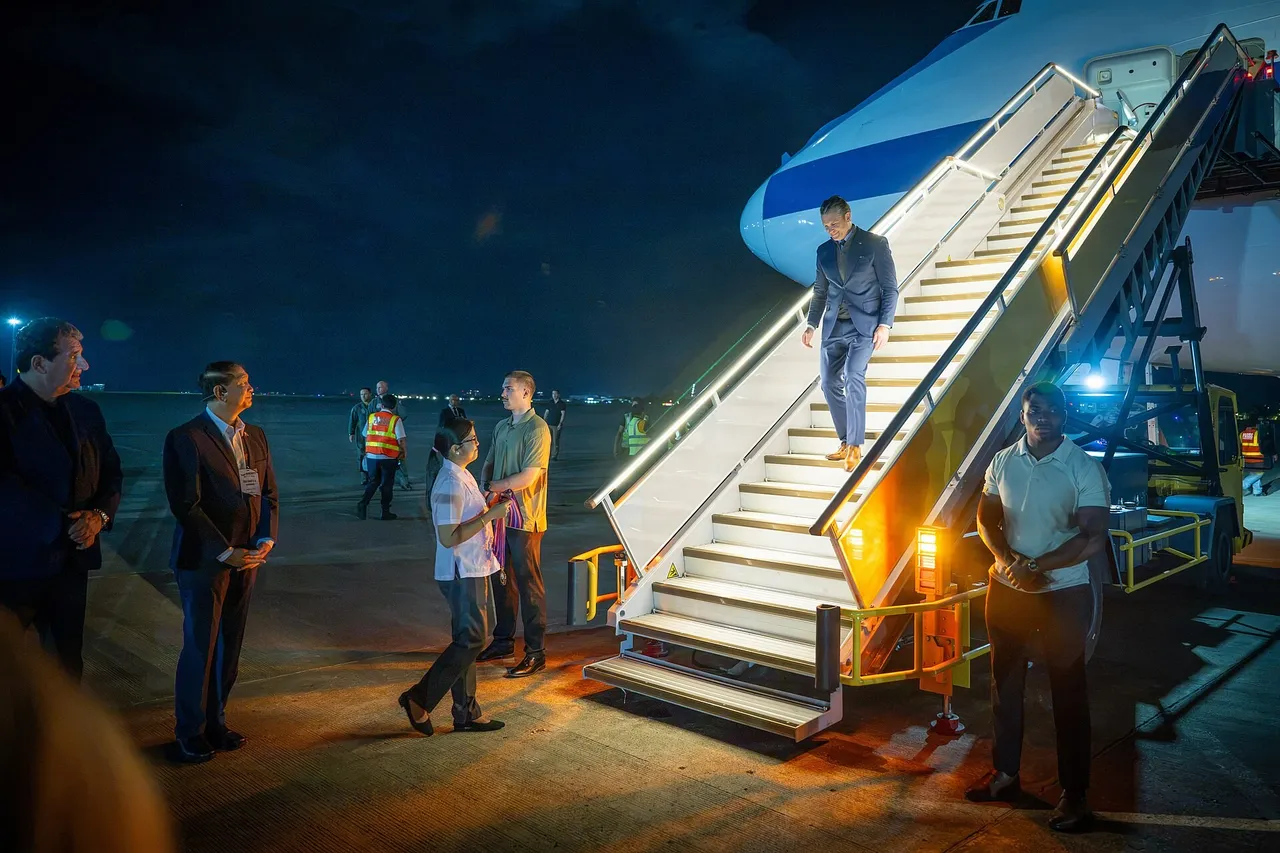
Hegseth proposes a new US-ASEAN defence cooperation framework at talks in Cebu
The US defence chief gave no details but said Washington is ready to start the work when Singapore chairs the ADMM-Plus next year, and he urged closer naval cooperation.
TaiwanDefence · 3h ago · 2 min read
Discussion (0)
Comments are not currently available.