
India and Nepal open their 20th Surya Kiran army exercise with 334 troops each at Saljhandi
The two-week drill in western Nepal pairs Kumaon Regiment soldiers with a Nepali battalion for counter-insurgency, heliborne and disaster-response training.

TAIPEI —
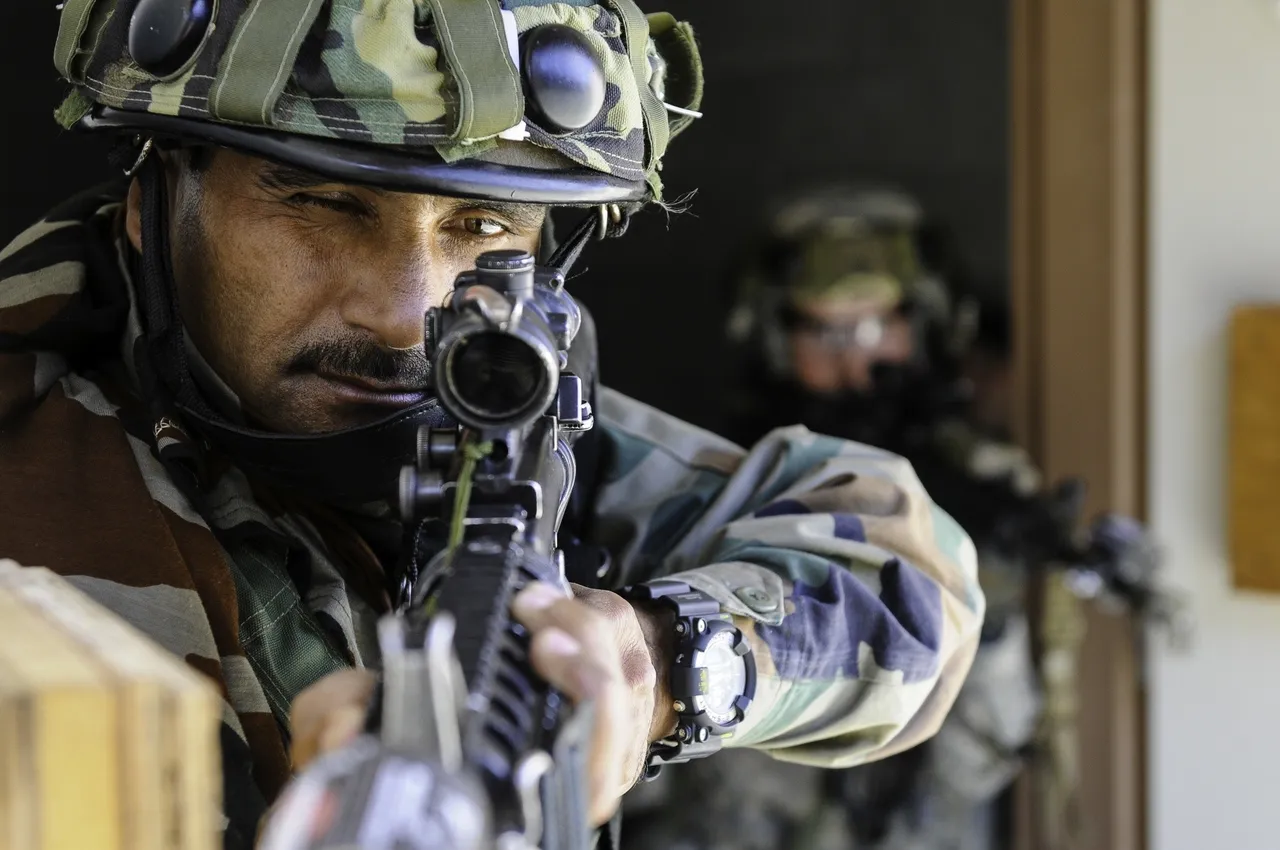
The armies of India and Nepal began the 20th edition of their annual joint exercise, Surya Kiran, on 25 November at the Nepal Army Battle School in Saljhandi, India's Ministry of Defence said. The exercise is scheduled to run until 8 December 2026.
Each side has sent a contingent of 334 personnel. India is represented by troops from the Kumaon Regiment, and Nepal by soldiers of the Shri Jwala Dal Battalion, according to the ministry. The Himalayan Times, citing the Nepali Army, identified the Indian unit as the 12th battalion of the Kumaon Regiment.
The Indian contingent reached the battle school in Saljhandi, in Nepal's Rupandehi district, on Monday 23 November, the newspaper reported. The opening ceremony was attended by Major General Purna Bahadur Khatri, who commands the Nepal Army's Mid Western Division.
Counter-insurgency in difficult terrain
The Indian ministry said the aim of the exercise is to improve interoperability, operational coordination and mutual understanding between the two armies through joint training in counter-insurgency and counter-terrorism operations in challenging terrain.
Its scope covers joint tactical operations, heliborne operations, disaster response and medical training, and troops from both armies are expected to share operational experience and refine their tactics, techniques and procedures, the ministry said.
The Nepali Army placed the emphasis elsewhere. According to OnlineKhabar, it said soldiers from the two countries would exchange theoretical, practical and specialised experience mainly in disaster management, jungle warfare and humanitarian assistance.
An annual drill after a prime ministerial visit
Surya Kiran is held every year, alternating between India and Nepal, and has run annually since 2010, according to the Himalayan Times. The Indian defence ministry said the latest edition should deepen bilateral defence cooperation, build trust and camaraderie between the two armies, and underline both countries' stated commitment to peace, stability and security in the region.
The Times of India noted that this year's edition opened shortly after an official visit to New Delhi by Nepal's prime minister, Balen Shah, on 22 and 23 November. The newspaper reported the same troop numbers and units as the ministry and said the drill would continue until 8 December.
Taken together, the Indian and Nepali accounts describe a programme that mixes combat training with relief skills. Heliborne and small-unit tactical operations sit alongside disaster-response, medical and humanitarian-assistance training, with jungle warfare singled out by the Nepali Army as a main area of exchange.
The Indian Army contingent is drawn from the Kumaon Regiment, and the two forces train as contingents of equal strength. The Times of India said the exercise was intended to boost coordination between the two armies.
Sources
More in Indo-Pacific
Ukraine says North Korea has paused KN-23 missile and shell deliveries to Russia after a row over Seoul
Ukrainian military intelligence says Kim Jong Un personally ordered the halt after a Russian diplomat offered to help ease tensions between the two Koreas.
TaiwanDefence · 4h ago · 2 min read
US Forces Korea confirms its Camp Humphreys Apache cavalry squadron has been inactivated
USFK says ending the 5-17 Air Cavalry Squadron is part of a US Army aviation overhaul and does not change its posture or its commitment to defending South Korea.
TaiwanDefence · 8h ago · 2 min read
Philippines asks the US for six Chinook heavy-lift helicopters under its $2bn military loan
Defence Secretary Gilberto Teodoro says the brand-new CH-47s could arrive by the end of 2029 if Washington lets Manila take aircraft earmarked for the US Army.
TaiwanDefence · 10h ago · 2 min read
Discussion (0)
Comments are not currently available.