
US Forces Korea confirms its Camp Humphreys Apache cavalry squadron has been inactivated
USFK says ending the 5-17 Air Cavalry Squadron is part of a US Army aviation overhaul and does not change its posture or its commitment to defending South Korea.

TAIPEI —
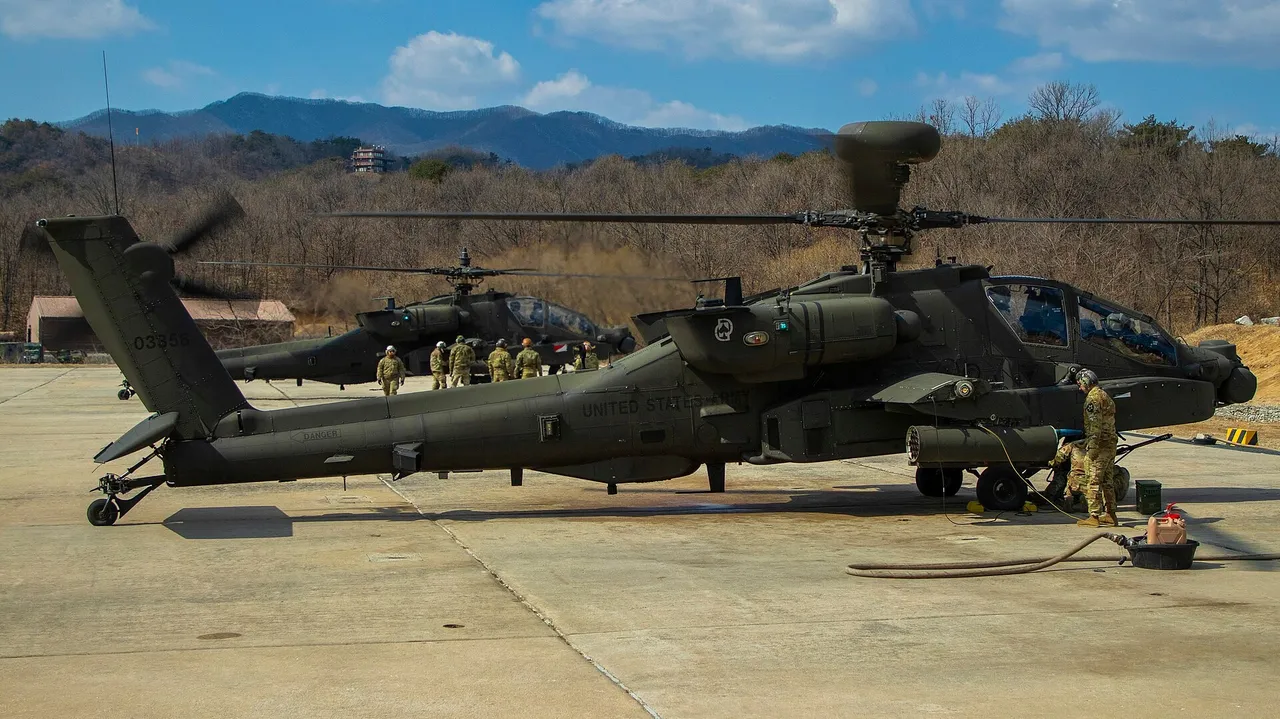
US Forces Korea confirmed on 26 November that the 5th Squadron, 17th Cavalry Regiment, an AH-64E Apache attack helicopter unit of the 2nd Infantry Division's 2nd Combat Aviation Brigade, has been inactivated. The squadron, known as 5-17 Air Cavalry Squadron, was based at Camp Humphreys in Pyeongtaek, about 60 kilometres south of Seoul.
In a statement given in response to media questions, USFK said the move was part of the US Army's wider force structure and aviation transformation effort to modernise capabilities and optimise formations for future operational needs. It said the step does not change the command's mission, posture or commitment to the defence of South Korea.
No date, and no word on the aircraft
USFK did not say when the squadron stopped operating. A US Congressional Research Service report published in January said the unit ceased operations on 15 December 2025, but the Pentagon said at the time that no decision on its fate had been made. Thursday's statement is the first official confirmation from the command.
The squadron was activated in 2022 to take over a mission previously filled by rotational air cavalry squadrons, a change meant to give US aviation in Korea more continuity. It flew Apache helicopters and RQ-7B Shadow drones and had several hundred personnel, about 500 according to the Digital Times.
It is not clear whether the inactivation means the unit's people and aircraft are leaving the peninsula or whether another unit will take over its role, Yonhap reported. News1 said the step does not amount to a full withdrawal of USFK's Apache strength.
Seoul calls it part of an Army overhaul
A USFK official said the adjustments are part of ongoing modernisation intended to strengthen readiness, capability and force posture. The command said it and the Eighth Army continue to keep a ready and capable force on the peninsula that is postured to deter and defend against North Korean threats, and that the alliance's combined defence posture is unaffected.
South Korea's Ministry of National Defense said it sees the inactivation as part of the US Army's transformation initiative. It said the two allies would keep a firm combined defence posture through close consultation on how USFK forces are operated.
The confirmation comes amid continued questions over whether the Trump administration will change how the roughly 28,500-strong USFK is used as Washington looks to apply its regional forces to deterring China. When the inactivation first surfaced in January, some read it as a sign of troop cuts, but the Digital Times reported that it has since been seen as closer to Army modernisation, possibly part of a shift from attack helicopters toward drones prompted by the war in Ukraine.
The 2nd Infantry Division disclosed on 23 November that its aviation brigade had moved Apaches and other helicopters from Korea to Japan for live-fire training there.
Sources
More in Indo-Pacific
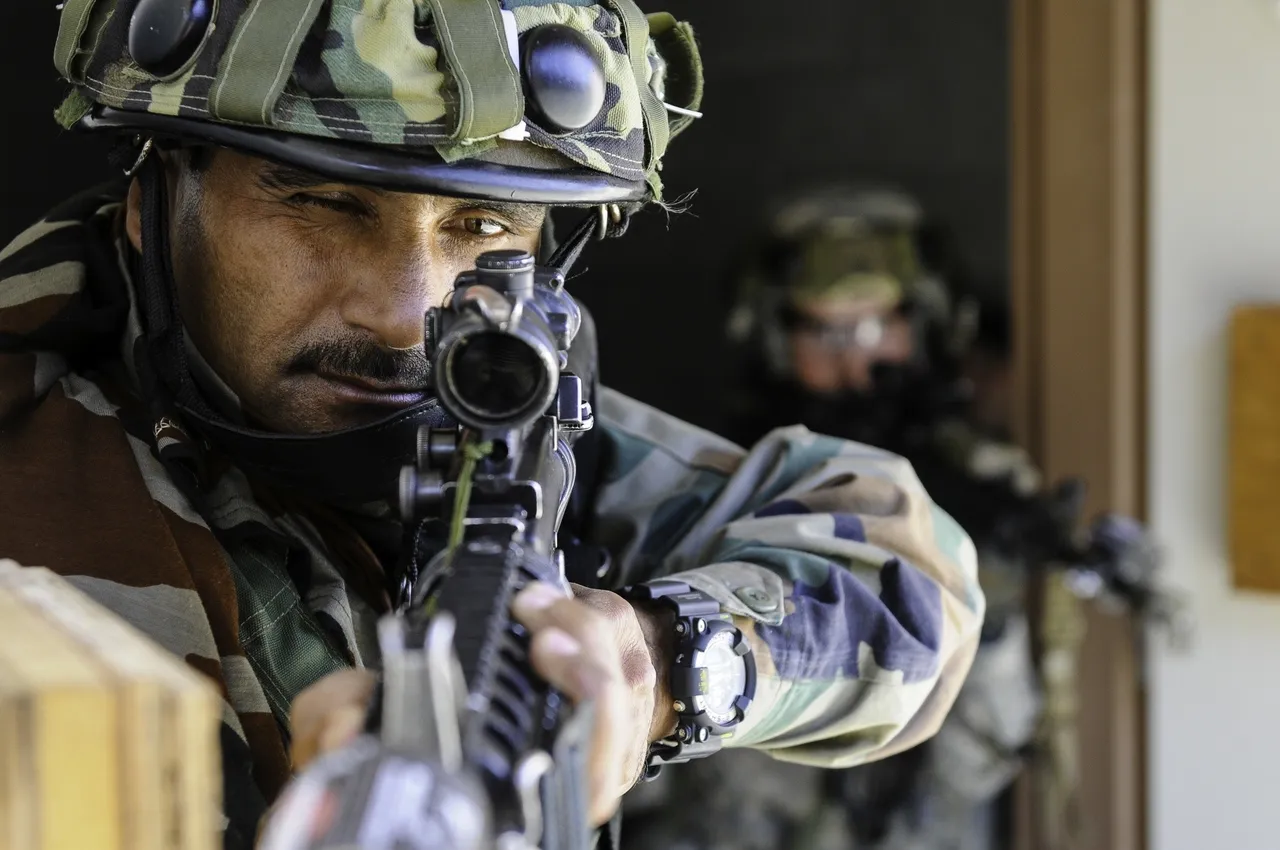
India and Nepal open their 20th Surya Kiran army exercise with 334 troops each at Saljhandi
The two-week drill in western Nepal pairs Kumaon Regiment soldiers with a Nepali battalion for counter-insurgency, heliborne and disaster-response training.
TaiwanDefence · 2h ago · 2 min read

Ukraine says North Korea has paused KN-23 missile and shell deliveries to Russia after a row over Seoul
Ukrainian military intelligence says Kim Jong Un personally ordered the halt after a Russian diplomat offered to help ease tensions between the two Koreas.
TaiwanDefence · 4h ago · 2 min read
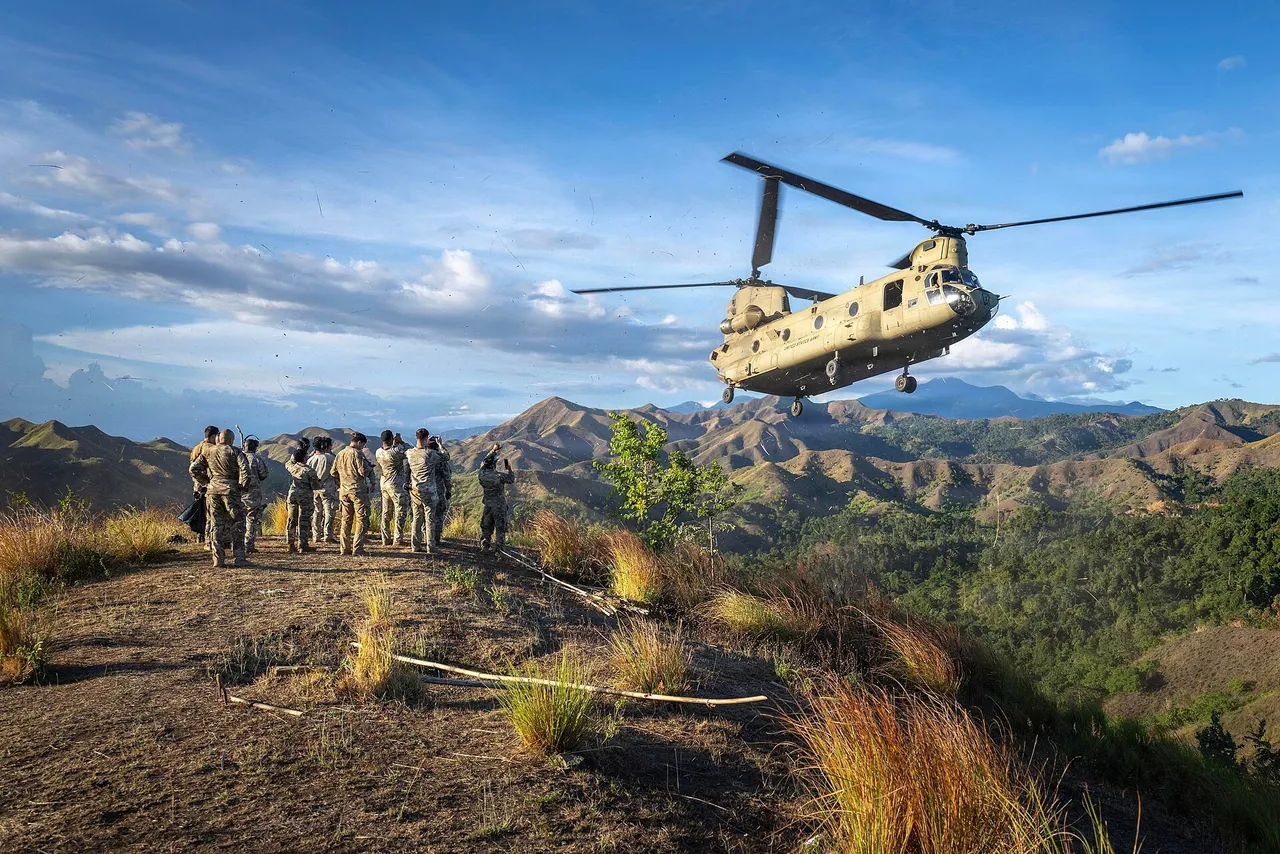
Philippines asks the US for six Chinook heavy-lift helicopters under its $2bn military loan
Defence Secretary Gilberto Teodoro says the brand-new CH-47s could arrive by the end of 2029 if Washington lets Manila take aircraft earmarked for the US Army.
TaiwanDefence · 10h ago · 2 min read
Discussion (0)
Comments are not currently available.