
India orders improved low-level radars from BEL to help its army spot drones and fighters
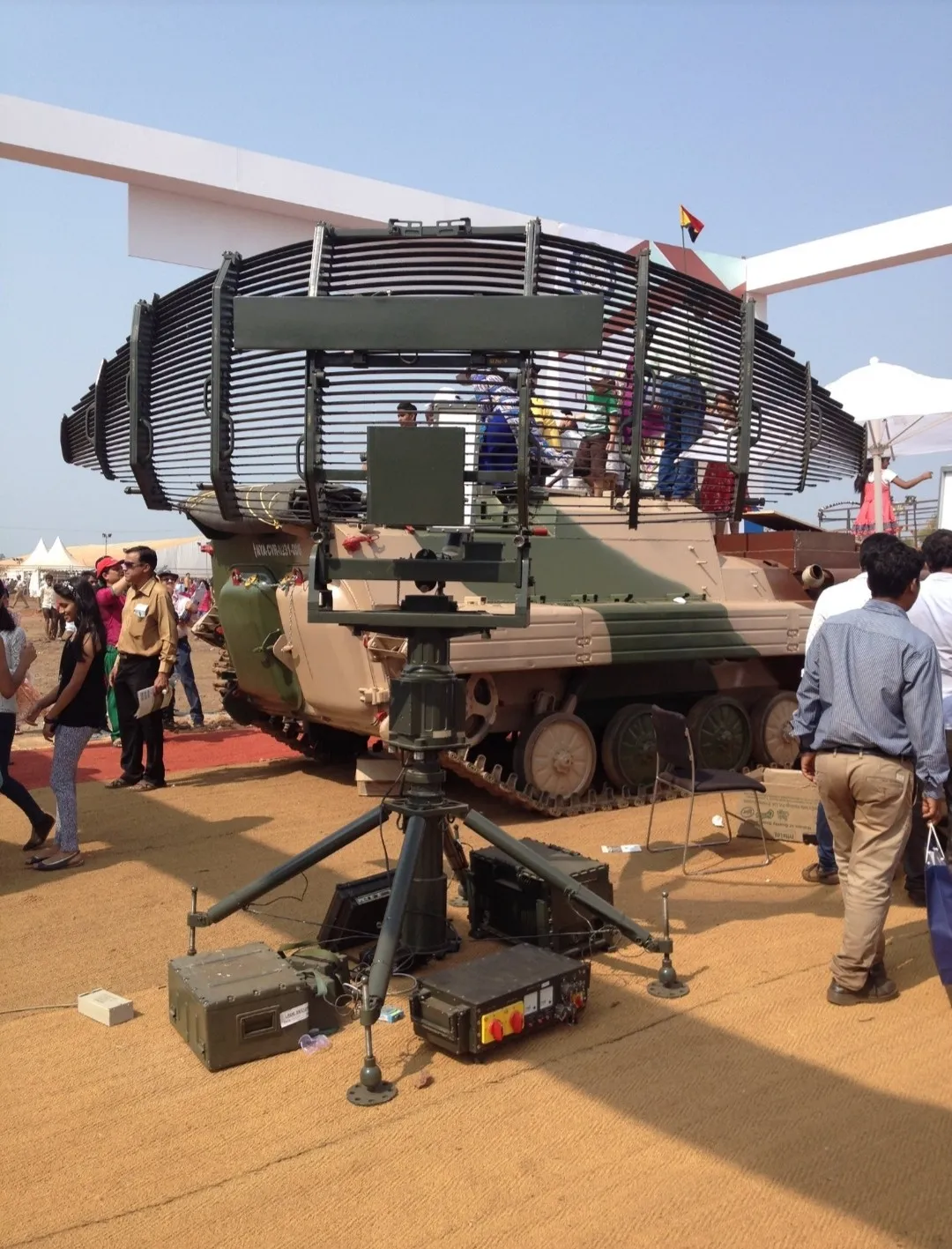
India's defence ministry has signed a Rs 770 crore deal with Bharat Electronics for LLLR-I radars that can track fighter jets as well as mini and micro drones.
TAIPEI —
India's Ministry of Defence signed a contract worth about Rs 770 crore with Bharat Electronics Limited (BEL) on Wednesday 21 October to buy Improved Low Level Light Weight Radars, known as LLLR-I, for the Indian Army. The ministry said the deal was signed in New Delhi in the presence of Defence Secretary Rajesh Kumar Singh.
According to the ministry's release, the LLLR-I can detect and track targets the size of a fighter aircraft as well as mini and micro drones, and it can also rank aerial targets by priority. The ministry said the system will allow the army to counter the threat posed by unmanned aerial systems.
Officials presented the purchase as a step toward building air defence equipment at home. The release tied it to the government's Viksit Bharat 2047 development goal and said it would support India's defence manufacturing base, including micro, small and medium enterprises.
The Times of India, reporting on the same release, said drones are now widely used for surveillance, reconnaissance and attack, and that their small size and varied flight paths make them hard for conventional air defences to handle. The paper said a radar able to detect, track and rank such targets could give army units a clearer picture of the sky and help them respond faster.
Neither the ministry nor the newspaper said how many radars the new contract covers or when deliveries will begin. Earlier this year, Swarajya reported that the ministry had issued a request for proposal on 6 February 2026 for 30 improved low-level lightweight radars and two classroom training versions, at an estimated cost of about Rs 725 crore, using the emergency fast-track procurement route to meet urgent operational needs. The 21 October release does not say whether the BEL contract is the result of that tender.
The February tender, as Swarajya described it, asked for radars able to detect low-flying threats such as drones and helicopters along India's borders at ranges of up to 50 kilometres while tracking hundreds of targets at once. The systems had to work in mountains, high-altitude areas, plains, deserts and coastal zones, and carry at least 60 percent Indian content under the Buy Indian category.
The same tender called for pulse-Doppler, software-defined radars with an active electronically scanned array antenna and gallium nitride amplifiers, a combination meant to pick out targets with a small radar signature. The radars were to plug into the army's Akashteer air defence command and reporting system over the Army Data Network, and to pass at least 20 tracks at a time to 10 command posts or weapons up to 20 kilometres away.
Under the delivery schedule set out in February, the first 15 radars and one command and reporting vehicle were due within 12 months of an advance payment, with the rest to follow over six months. Swarajya linked the requirement to lessons from Operation Sindoor, after which, it said, gaps in aerial surveillance along the borders had become clear.
The contract adds a new layer of low-level sensors to the Indian Army's air defence network at a time when, as the Times of India noted, small drones have become a routine feature of modern battlefields.
Sources
More in Indo-Pacific

Turkey, Qatar, Pakistan and Indonesia sign Badr memorandum to pool military production
Indonesia's new deputy defence minister for defence industry joined Turkish, Qatari and Pakistani ministers in Doha to sign a pact on joint arms output and R&D.
TaiwanDefence · 3m ago · 2 min read
Super typhoon forces US and Japanese commanders to trim Keen Sword drills in Japan's southwest
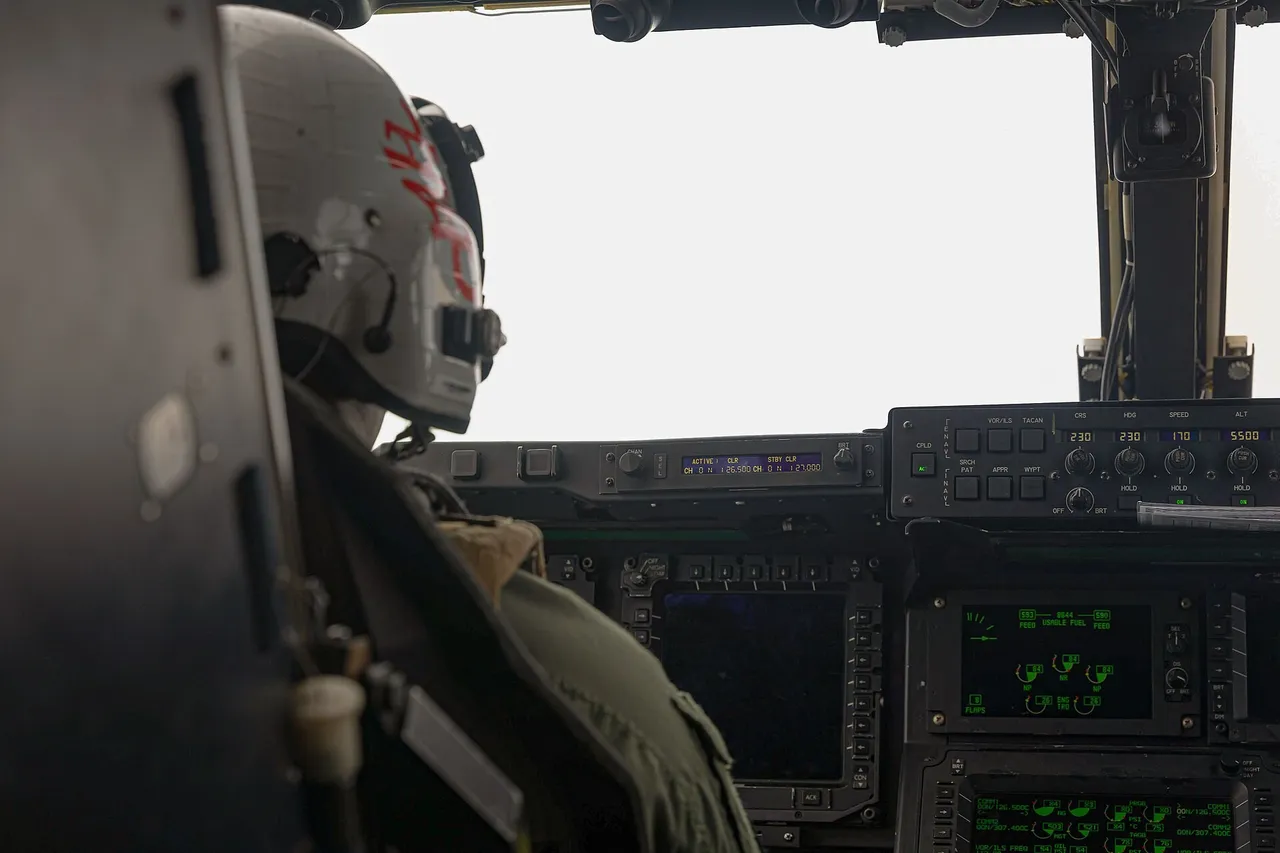
Typhoon Champi has cut a training event on Okinawa, two navy port calls and US numbers on Tanegashima, while a French patrol jet joins the drill at Iwakuni.
TaiwanDefence · 2h ago · 3 min read
Australian Army flies HIMARS launchers to Indonesia for the first time as Keris Woomera drill ends
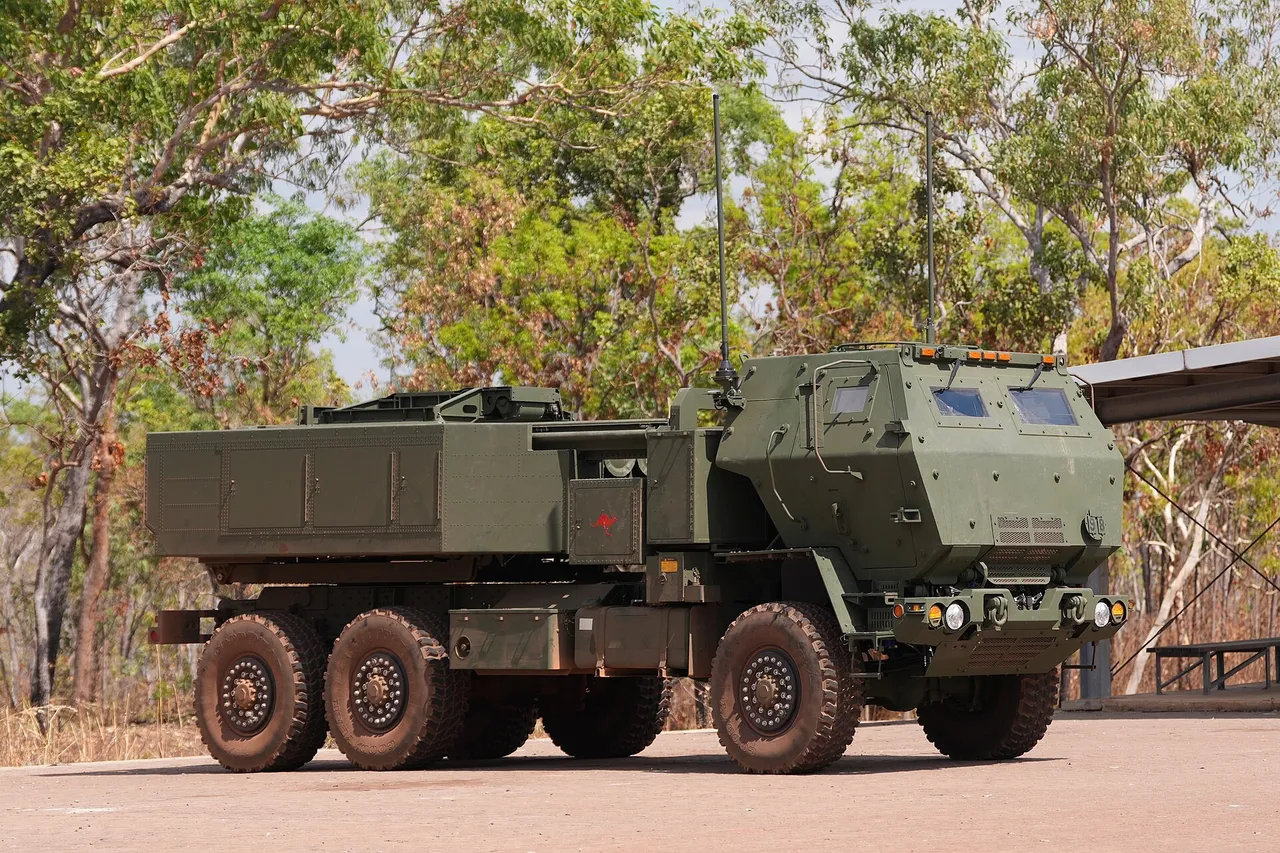
Two rocket launchers were flown from Darwin to Java and Sulawesi for the biennial exercise with Indonesia, which closed with a combined live-fire shoot on 20 October.
TaiwanDefence · 4h ago · 2 min read
Discussion (0)
Comments are not currently available.