
Australian Army flies HIMARS launchers to Indonesia for the first time as Keris Woomera drill ends
Two rocket launchers were flown from Darwin to Java and Sulawesi for the biennial exercise with Indonesia, which closed with a combined live-fire shoot on 20 October.
TAIPEI —
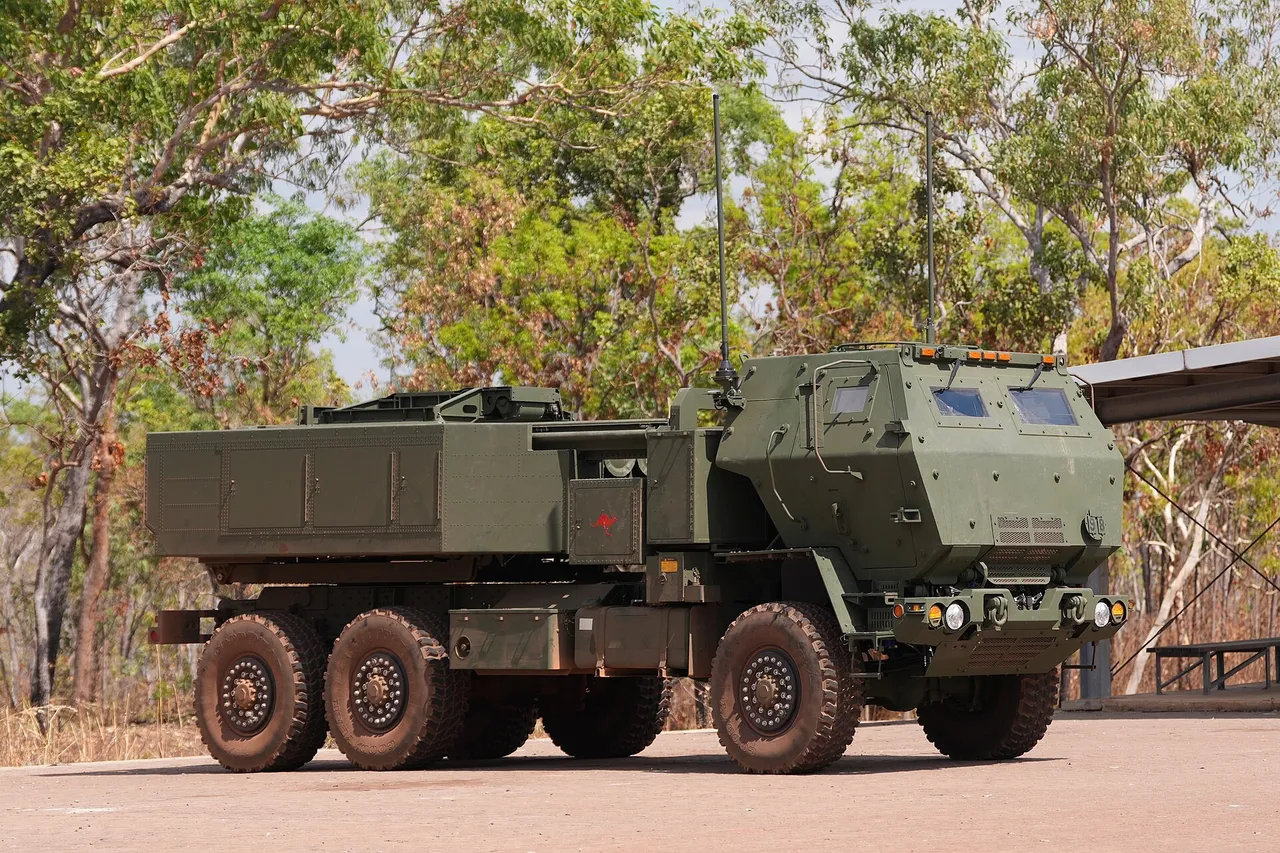
Australia's army has taken its HIMARS rocket launchers outside the country for the first time, flying two of them to Indonesia for Exercise Keris Woomera, a large bilateral drill with the Indonesian National Armed Forces that ended on Tuesday, 20 October. The exercise closed with a combined joint live-fire shoot at the Indonesian Marine Corps training area at Baluran in East Java.
According to an Australian Army account republished by CONTACT magazine, the two launchers belong to the 14th Regiment, Royal Australian Artillery. A Royal Australian Air Force C-130J Hercules carried them from Darwin to Banyuwangi Airport in East Java, and then on to Sam Ratulangi International Airport in Manado, North Sulawesi. The army said HIMARS had been moved by Hercules inside Australia before, but never deployed rapidly across the region.
The army presented the move largely as a logistics test. A troop commander from the regiment, Lieutenant Darcy Salmon, said the aim was to prove the unit could move the launchers from Australia to another country if a real situation demanded it. Soldiers from the regiment worked out the loading procedures with air force crews, while troops from the 2nd Battalion, Royal Australian Regiment and Indonesian personnel provided ground security.
The figures explain why that matters. A combat-loaded HIMARS weighs more than 16 tonnes and measures about 7.8 metres by 2.4 metres, filling much of a Hercules, whose maximum payload is about 19.5 tonnes. The truck carries either a pod of six guided rockets or two Precision Strike Missiles, which can reach targets more than 500 kilometres away depending on the munition.
Indonesian reporting describes the air-land part of the drill as a HIMARS rapid infiltration serial. The exercise also included amphibious and maritime integration off East Java involving the Indonesian warship KRI Sultan Iskandar Muda and the Australian ships HMAS Choules, HMAS Perth and HMAS Stalwart, plus joint air training with Indonesian Super Tucano and Australian PC-21 aircraft.
At the closing shoot at Baluran, reporters saw two Super Tucanos drop bombs on set targets before Australian and Indonesian crews took turns firing the Indonesian marines' Vampire multiple rocket launcher, 105mm howitzers and 81mm mortars. The Indonesian account of that event did not say whether the Australian HIMARS fired there. The army had said earlier that the exercise's live-fire phase would mark the first overseas firing of Australian HIMARS.
Australia's Chief of Joint Operations, Vice Admiral Justin Jones, said the geography of the Indo-Pacific makes deploying and sustaining forces a particular challenge for both countries, and that the drill gave them a setting to work on it together. He described Keris Woomera as Australia's largest overseas exercise of the year. The head of the Indonesian armed forces' doctrine, education and training command, Lieutenant General Mohamad Naudi Nurdika, said it helped align tactics and coordination across sea, land and air units.
The published accounts differ on the exercise's size and dates. Rakyat Merdeka and the Australian Army put participation at about 2,235 personnel, 1,000 Australian and 1,235 Indonesian, over 12 to 20 October. Indonesia's state news agency Antara reported 2,174 personnel and a start date of 10 October. The exercise is held every two years and was first staged in Darwin in 2024.
Sources
More in Indo-Pacific
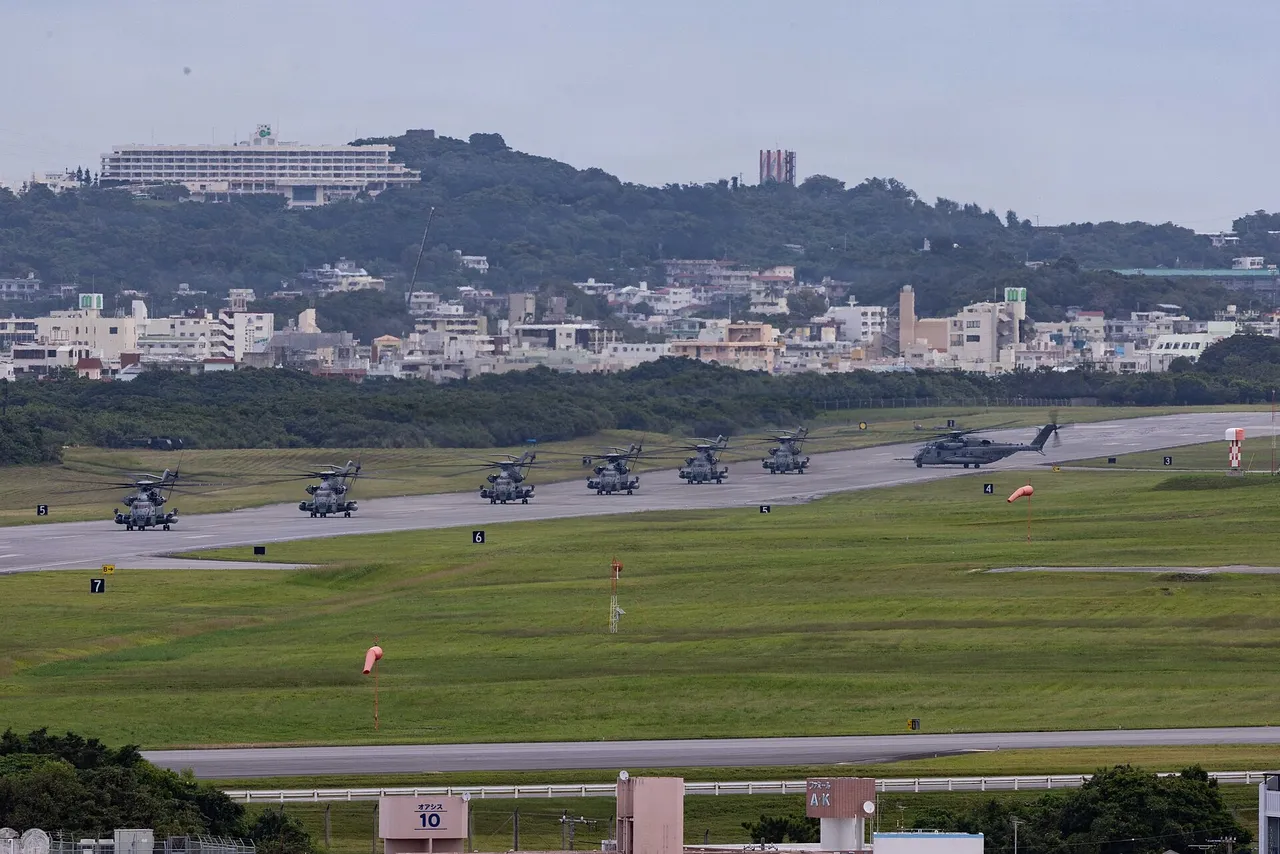
US Marines and Japanese army aviators stage their first joint elephant walk at Futenma
Marine and Japan Ground Self-Defense Force helicopters and Ospreys lined up together on the Okinawa runway on 20 October during the Keen Sword exercise.
TaiwanDefence · 1h ago · 2 min read
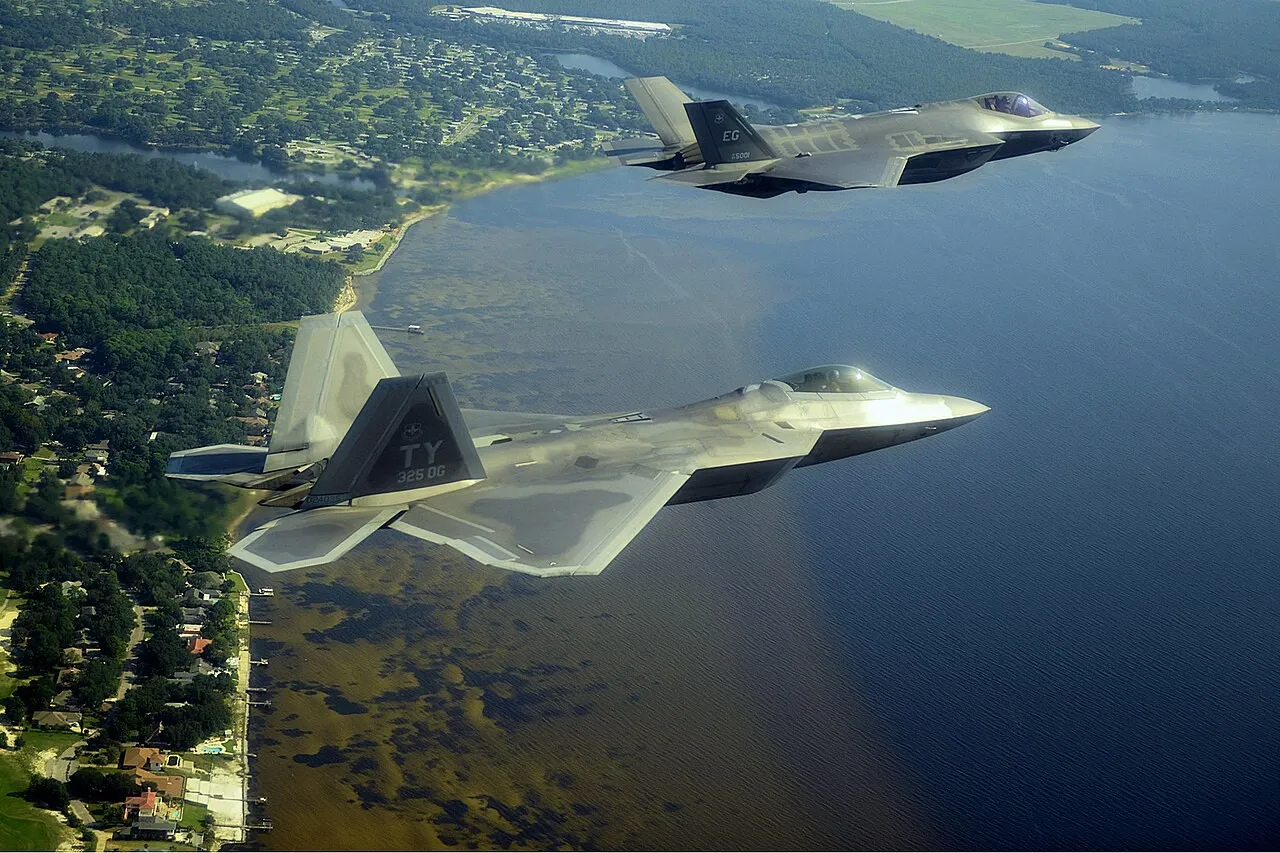
US Air Force tells Congress it needs 1,509 combat fighters by 2035, two in five of them F-35s
A new fighter force structure report lowers last year's 2035 goal and accepts medium risk, while funding and factory output decide whether the fleet can grow.
TaiwanDefence · 4h ago · 3 min read
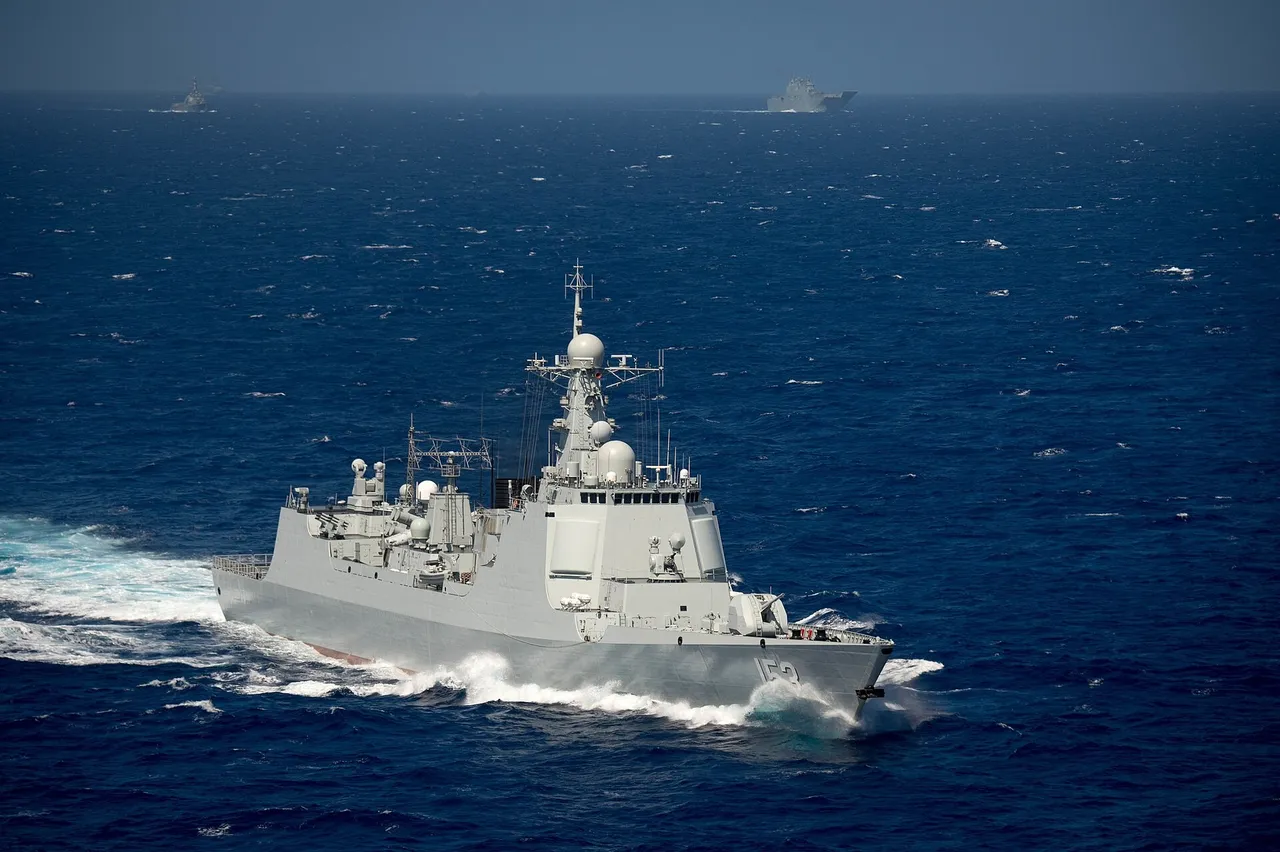
China's shipyards built more than twice the warship tonnage of the US in 2024-25, industry study finds
A French naval industry study released ahead of Euronaval says China launched 636,208 tons of combat ships in two years, against 270,509 tons for the United States.
TaiwanDefence · 8h ago · 2 min read
Discussion (0)
Comments are not currently available.