
Indian frigate and Russian Pacific Fleet corvette fire guns together in the Sea of Japan
INS Sahyadri and the corvette Aldar Tsydenzhapov fired at sea and air targets and fought off mock drone attacks in the INDRA 2026 exercise, Russia's fleet said.
TAIPEI —
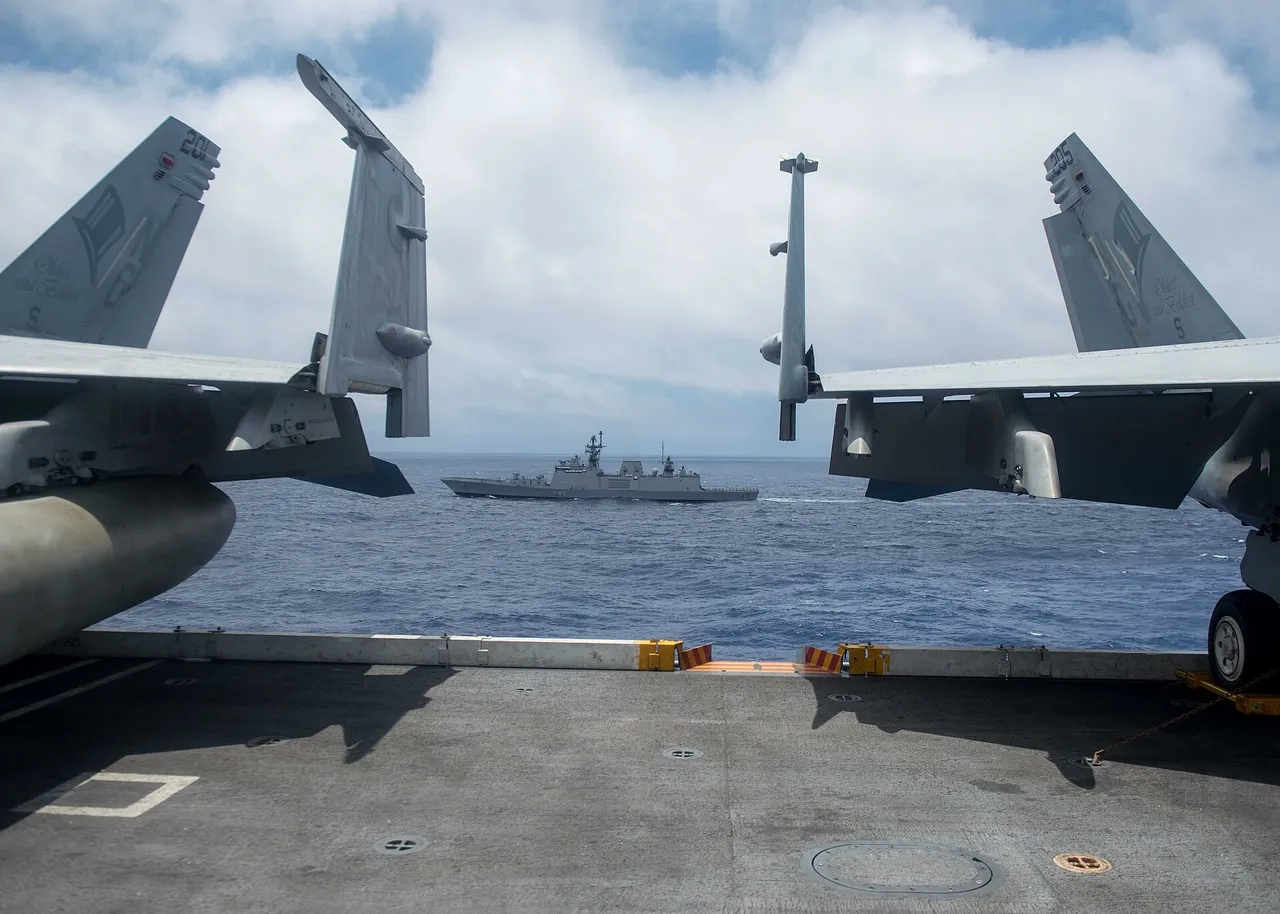
An Indian Navy frigate and a Russian Pacific Fleet corvette carried out joint gunnery against surface and air targets in Peter the Great Gulf, the bay off Vladivostok in the Sea of Japan, during the sea phase of the INDRA 2026 exercise, the Pacific Fleet press service said in a statement carried by the Russian maritime outlet PortNews on Saturday, Oct. 17. India sent the frigate INS Sahyadri, while Russia was represented by the corvette Hero of the Russian Federation Aldar Tsydenzhapov and Pacific Fleet support vessels.
According to the Russian account, the warships practised joint tactical manoeuvring and checked their communications arrangements while in transit, then fired on surface and aerial targets at a combat training range. In what the fleet called a particularly important episode, the two crews jointly fought off attacks by uncrewed boats and drones of a notional enemy. The Russian corvette used its 30 mm AK-630 automatic guns, AK-12 rifles and PKM machine guns against those threats, and electronic warfare systems were also employed.
Ship-based helicopters from the corvette and the frigate practised evacuating simulated casualties for first aid, flew reconnaissance at a distance from their ships and made landings on each other's flight decks. The final serial at sea was an operation to free a civilian vessel that, under the exercise scenario, had signalled it was under attack by armed men. Counterterrorism teams from both navies boarded the ship and neutralised the mock attackers while drone operators coordinated their moves. Both warships then returned to Vladivostok, the fleet said.
The sea phase began on Oct. 16, when Interfax reported, citing the Pacific Fleet press service, that the Aldar Tsydenzhapov and the Sahyadri had put out from the fleet's main base at Vladivostok into the Sea of Japan for the practical part of the exercise.
The Indian Navy has described the earlier harbour phase. India's ANI news agency reported on Oct. 18 that the Russian Navy hosted an opening ceremony on Oct. 15 that brought together personnel from both sides, followed by cross-deck visits and a planning conference between operations teams from INS Sahyadri and the Russian corvette, with senior Pacific Fleet officers taking part. The Indian delegation also held protocol meetings with Vice Admiral A. Y. Sysuev, commander of the Primorsky Flotilla of the Pacific Fleet's mixed forces, and with the deputy mayor of Vladivostok.
ANI cited India's Ministry of Defence as saying the deployment provides opportunities for professional engagement and operational interaction between the two navies and furthers maritime cooperation and interoperability. It said the frigate's participation is in line with the Indian government's MAHASAGAR maritime policy and builds on a longstanding defence and maritime partnership with Russia, and that the bilateral exercise was scheduled to run from Oct. 13 to Oct. 18.
INDRA 2026 is a cross-branch exercise rather than a purely naval one. Telangana Today, citing a Russian Defence Ministry statement, reported that the drills opened on Oct. 14 in the Chelyabinsk Region in the Urals and in the Russian Far East, with ground forces, warships and Russian Aerospace Forces aircraft involved. According to the ministry, the land component runs until Oct. 23 and includes a joint operation to destroy illegal armed groups on a training range, while Russian and Indian crews flying Su-30SM fighters were to practise engaging small, low-flying targets.
Most of the detail about the firing serials so far comes from the Russian Pacific Fleet. Indian public statements carried by ANI have focused on the harbour phase and on the exercise's stated aims of mutual understanding, operational coordination and interoperability, and have not described the gunnery or the counter-drone drills. The sea phase nonetheless puts an Indian warship through combat drills with Russia's Pacific Fleet in its home waters off Vladivostok.
Sources
More in Indo-Pacific
Philippine coast guard chases a fourth foreign fishing boat from Kota Island in three weeks
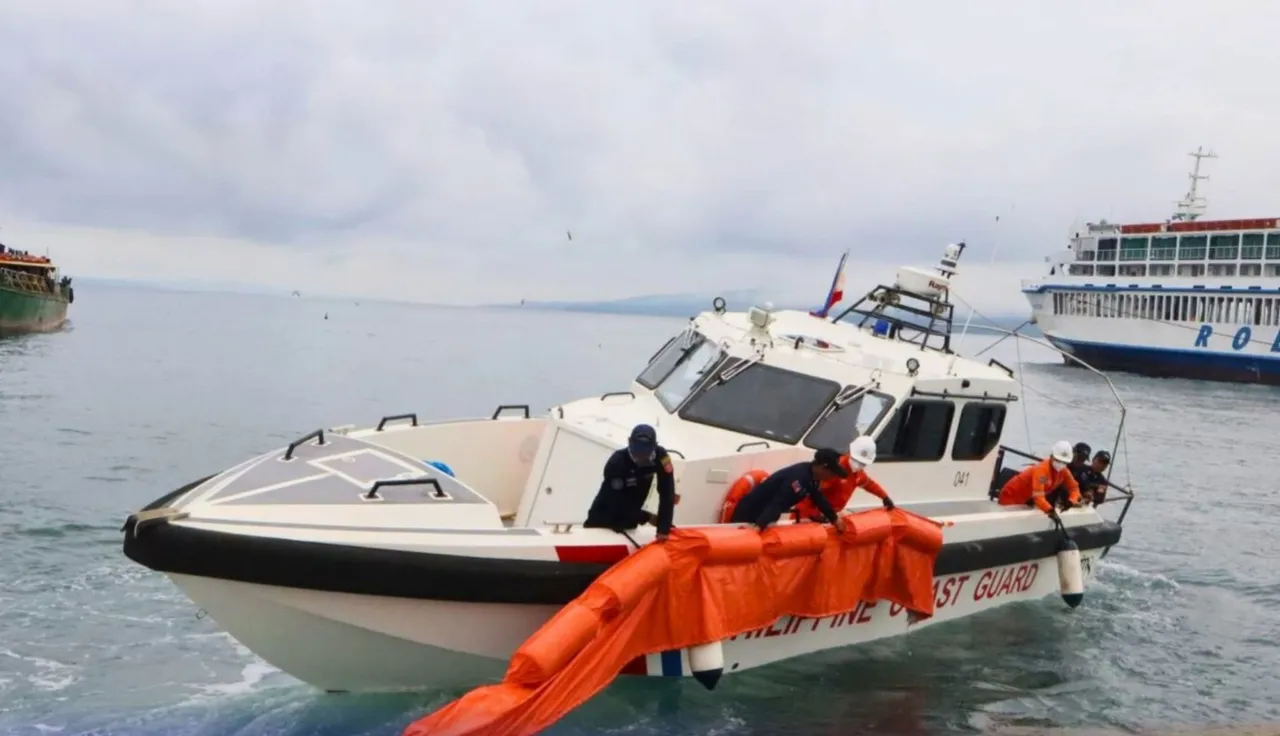
A high-speed response boat and two rubber boats pushed the vessel out of the Spratly island's territorial sea on Sunday, the coast guard said.
TaiwanDefence · 1h ago · 3 min read
Philippine Navy launches its third South Korean-built offshore patrol vessel
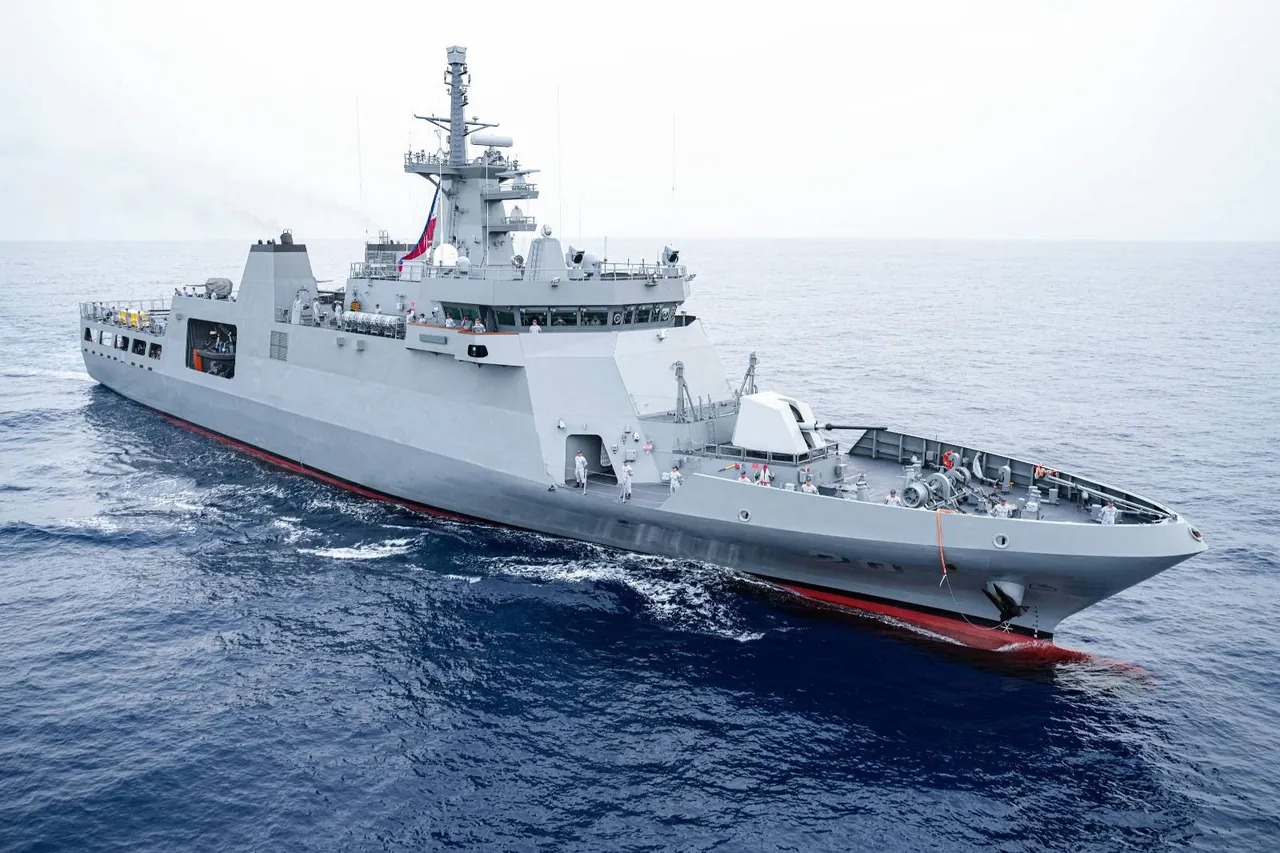
The future BRP Rajah Humabon went into the water at HD Hyundai Heavy Industries in Ulsan and is due to be handed over to Manila in February 2027.
TaiwanDefence · 3h ago · 3 min read
Japan's troops return from their first overseas firefighting mission in Indonesia
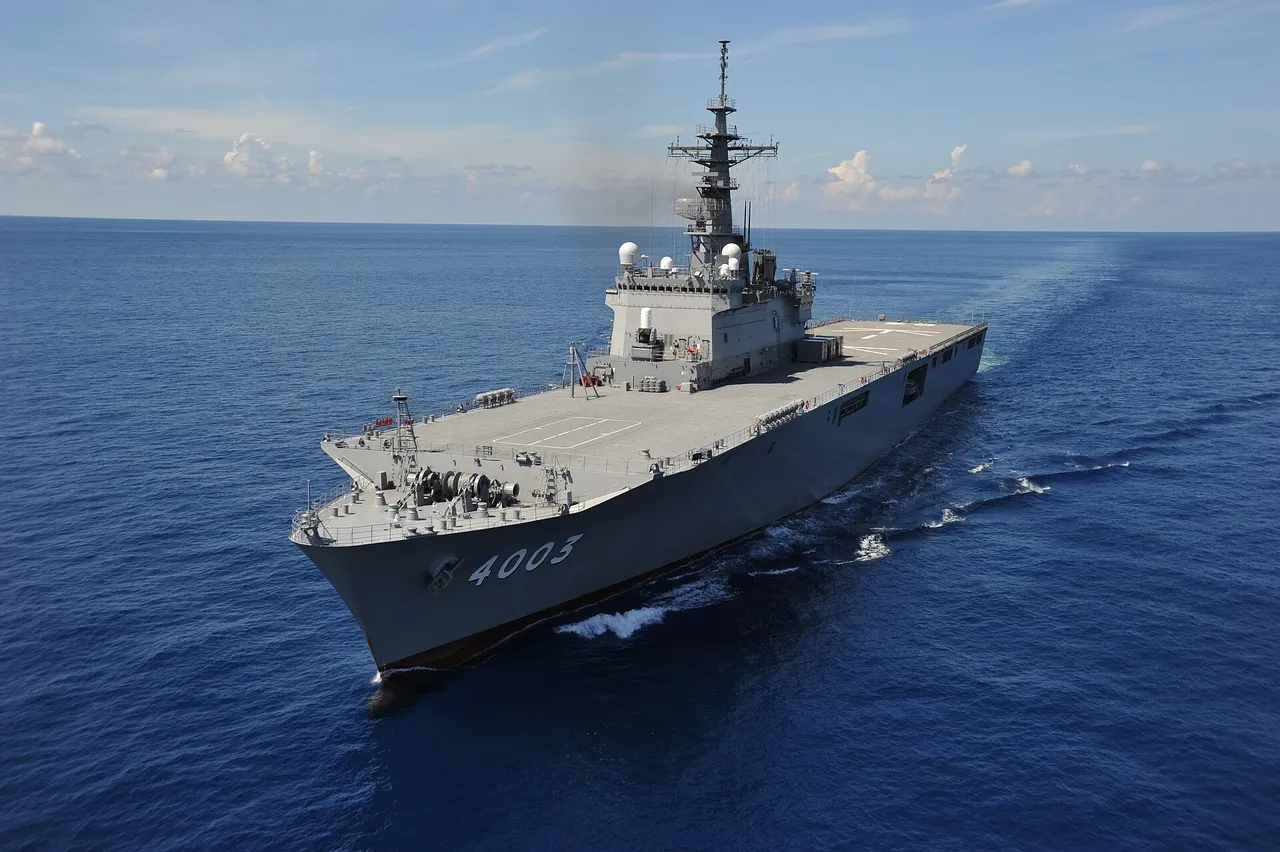
Defence Minister Shinjiro Koizumi welcomed home the helicopter crews and transport ship sailors who spent two weeks fighting forest fires on Borneo.
TaiwanDefence · 4h ago · 2 min read
Discussion (0)
Comments are not currently available.