
Philippine Navy launches its third South Korean-built offshore patrol vessel
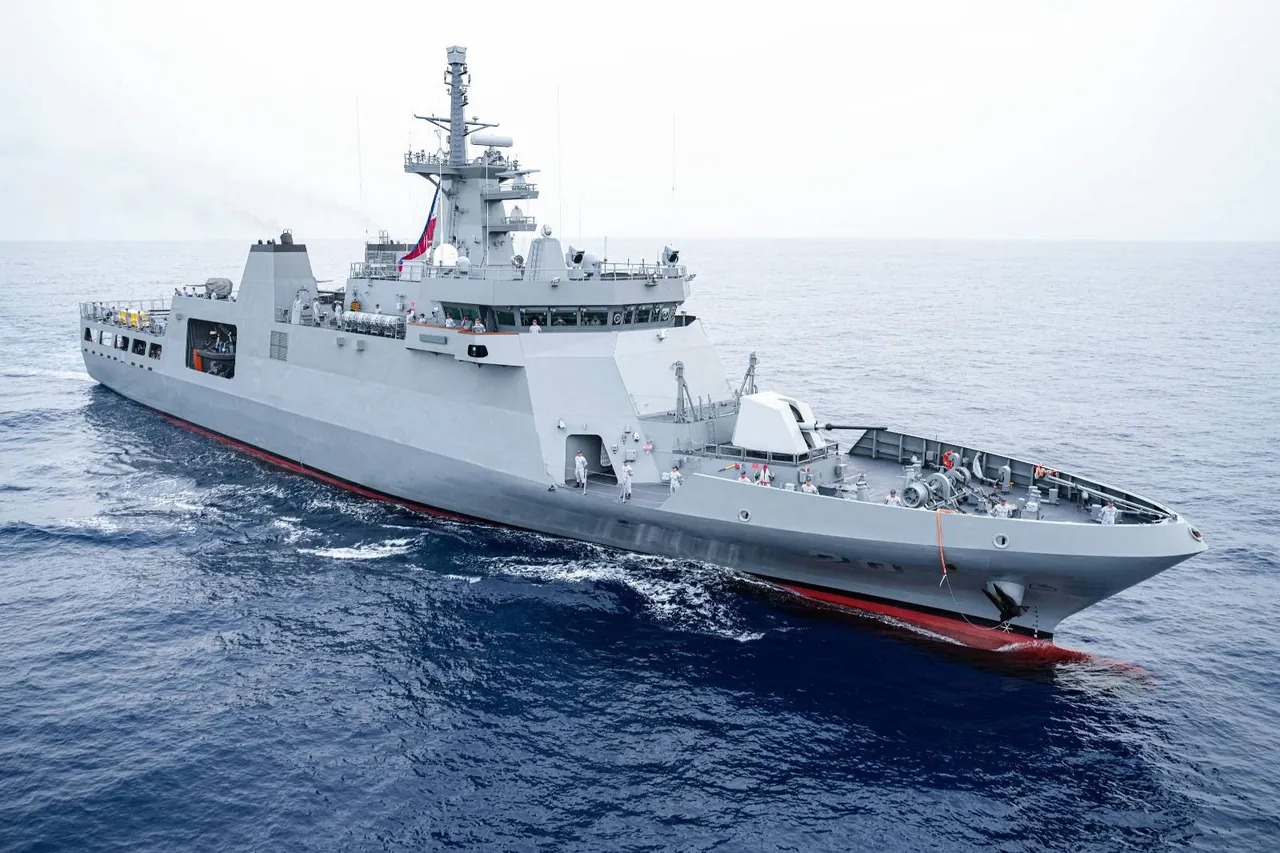
The future BRP Rajah Humabon went into the water at HD Hyundai Heavy Industries in Ulsan and is due to be handed over to Manila in February 2027.
TAIPEI —
The Philippine Navy has launched the third of its new offshore patrol vessels, the future BRP Rajah Humabon, at a shipyard in Ulsan, South Korea, the service said in a statement carried by Philippine media on Sunday, Oct. 18. According to the navy, the ship was put in the water on Oct. 13 by South Korean shipbuilder HD Hyundai Heavy Industries as part of the fleet modernisation programme.
Vice Admiral Jose Ma. Ambrosio Ezpeleta, the navy's Flag Officer in Command, led the launch. He was joined by an Armed Forces of the Philippines delegation headed by its Vice Chief of Staff, Lieutenant General Rommel Roldan. Naval News, which covered the ceremony earlier in the week, reported that the Philippine ambassador to South Korea, Bernadette Therese Fernandez, also attended.
The navy said the new ship is expected to strengthen its maritime surveillance, maritime security and territorial defence capabilities. It described the launch as further progress in its OPV Acquisition Project and as a sign of the continuing defence partnership between the Philippines and South Korea in modernising the fleet. The service added that the ship reflects its aim of building a modern and responsive fleet able to protect the country's maritime interests and sovereignty.
Before the ceremony, Ezpeleta met the chief of naval operations of the Republic of Korea Navy, Admiral Kim Kyung-ryul, at the South Korean navy's headquarters on Oct. 12. The two discussed bilateral exchanges, naval cooperation and collaboration in the maritime defence industry. According to the Philippine Navy account reported by the Daily Tribune, Kim said that both the South Korean navy and the country's naval shipbuilding sector are actively supporting the Philippine Navy's modernisation.
Naval News reported that the Rajah Humabon displaces about 2,400 tonnes and measures 94 metres long and 14 metres wide. It cruises at around 15 knots and has a range of about 5,500 nautical miles, giving it the endurance for long patrols. Its listed equipment includes a 76mm main gun, a 30mm secondary gun, decoy launchers, a surveillance radar and electro-optical tracking gear.
The ship is the third of six offshore patrol vessels that the Philippines ordered from HD Hyundai Heavy Industries, and it is scheduled for official delivery in February 2027. The first of the class, BRP Rajah Sulayman, has already been delivered, and the second, BRP Rajah Lakandula, was commissioned into service in June. The remaining three ships are due to follow in sequence through 2028, according to the shipbuilder's figures reported by Naval News.
The patrol vessel programme is one part of a wider shipbuilding relationship that began in 2016, when Manila signed with the South Korean yard for its first modern frigates. Naval News said the company has since won orders for 12 Philippine naval vessels, made up of four frigates, two corvettes and the six patrol ships, and that half of them have now been delivered. The yard also set up a logistics support centre at Subic Bay in November 2022 to store spare parts and train crews for the ships already in service.
For the Philippine Navy, the larger patrol ships are meant to give it more endurance and better sensors for watching the waters around the archipelago, the role that both the service and the shipbuilder stressed. The launch of a third hull keeps the programme moving toward a six-ship class, with the navy tying the project directly to surveillance, maritime security and the defence of national territory.
Sources
More in Indo-Pacific
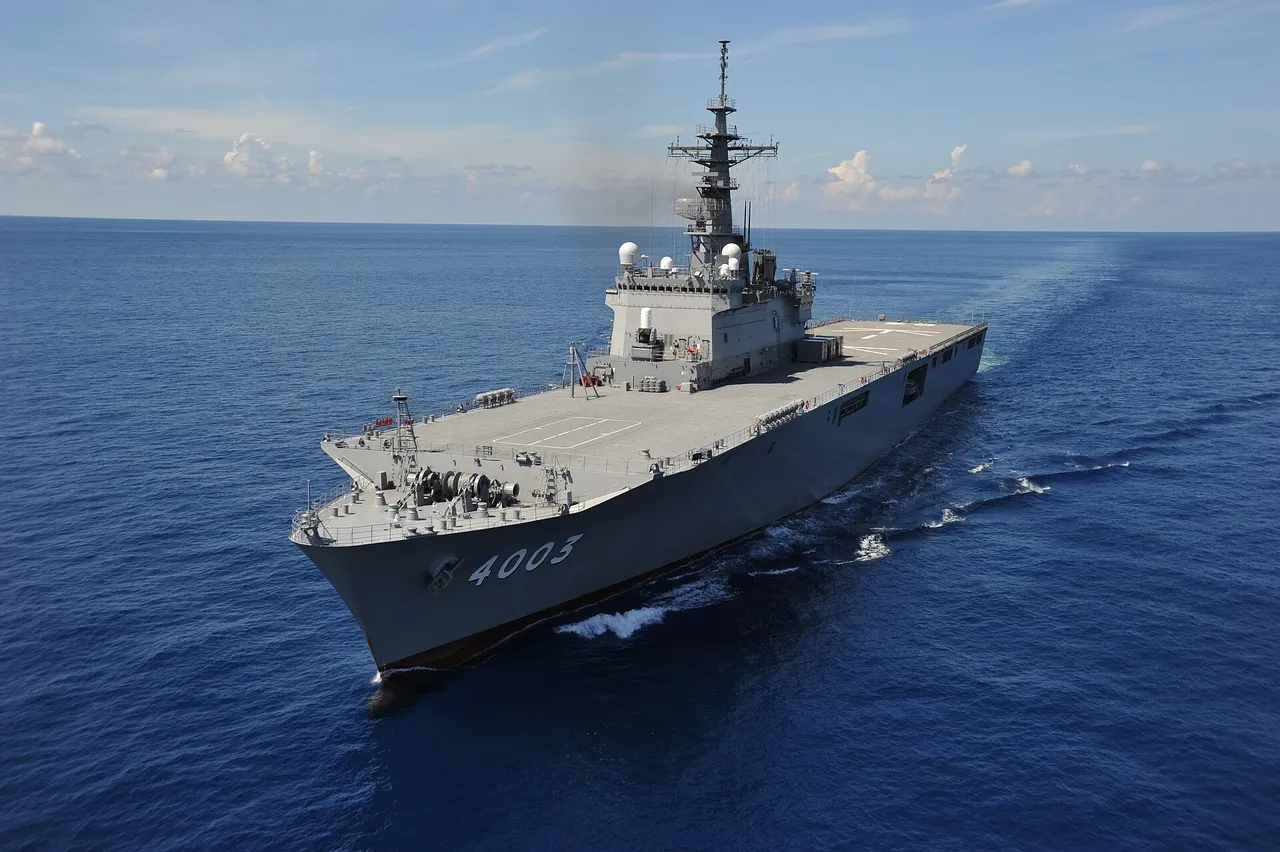
Japan's troops return from their first overseas firefighting mission in Indonesia
Defence Minister Shinjiro Koizumi welcomed home the helicopter crews and transport ship sailors who spent two weeks fighting forest fires on Borneo.
TaiwanDefence · 2h ago · 2 min read
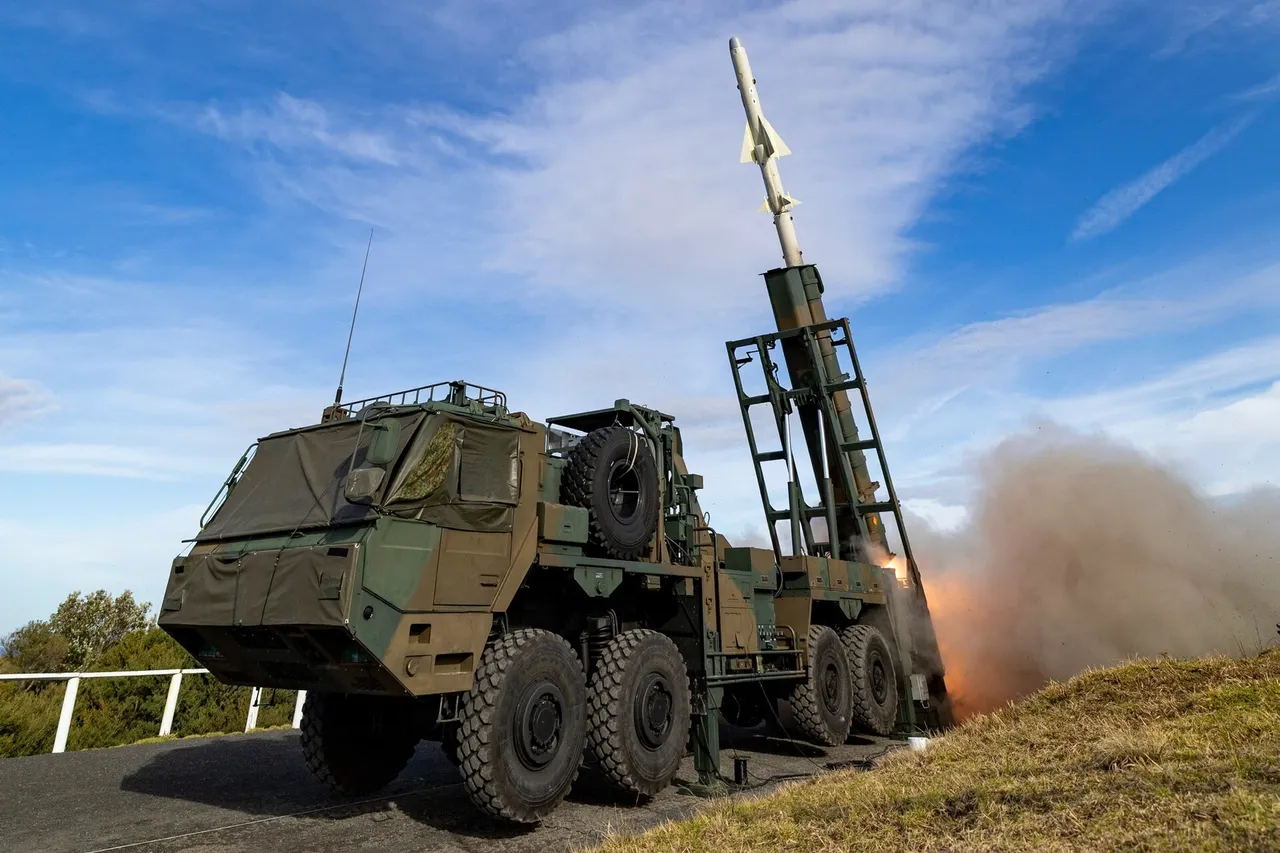
Japan's Type 25 long-range missiles leave their Kumamoto base for a first big exercise
Launchers for Japan's 1,000-kilometre Type 25 anti-ship missile drove out of Camp Kengun on Sunday to join the US-Japan Keen Sword drills, without live firing.
TaiwanDefence · 4h ago · 3 min read
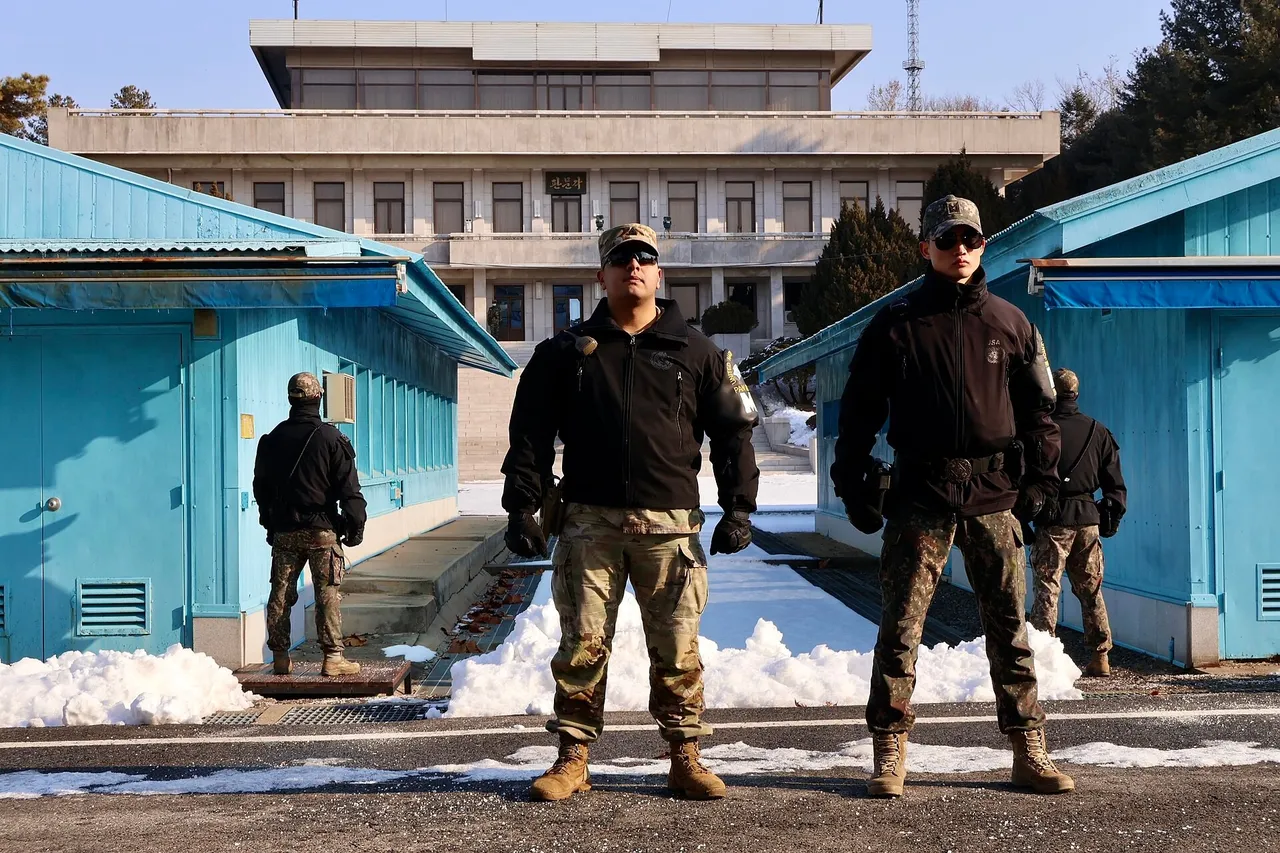
Seoul calls US commander's DMZ border remark a personal view as UN Command moves to calm row
South Korea's defence ministry distances itself from Gen. Xavier Brunson's claim that the country begins at the DMZ's southern fence, as the UN Command clarifies.
TaiwanDefence · 6h ago · 3 min read
Discussion (0)
Comments are not currently available.