
Seoul calls US commander's DMZ border remark a personal view as UN Command moves to calm row
South Korea's defence ministry distances itself from Gen. Xavier Brunson's claim that the country begins at the DMZ's southern fence, as the UN Command clarifies.
TAIPEI —
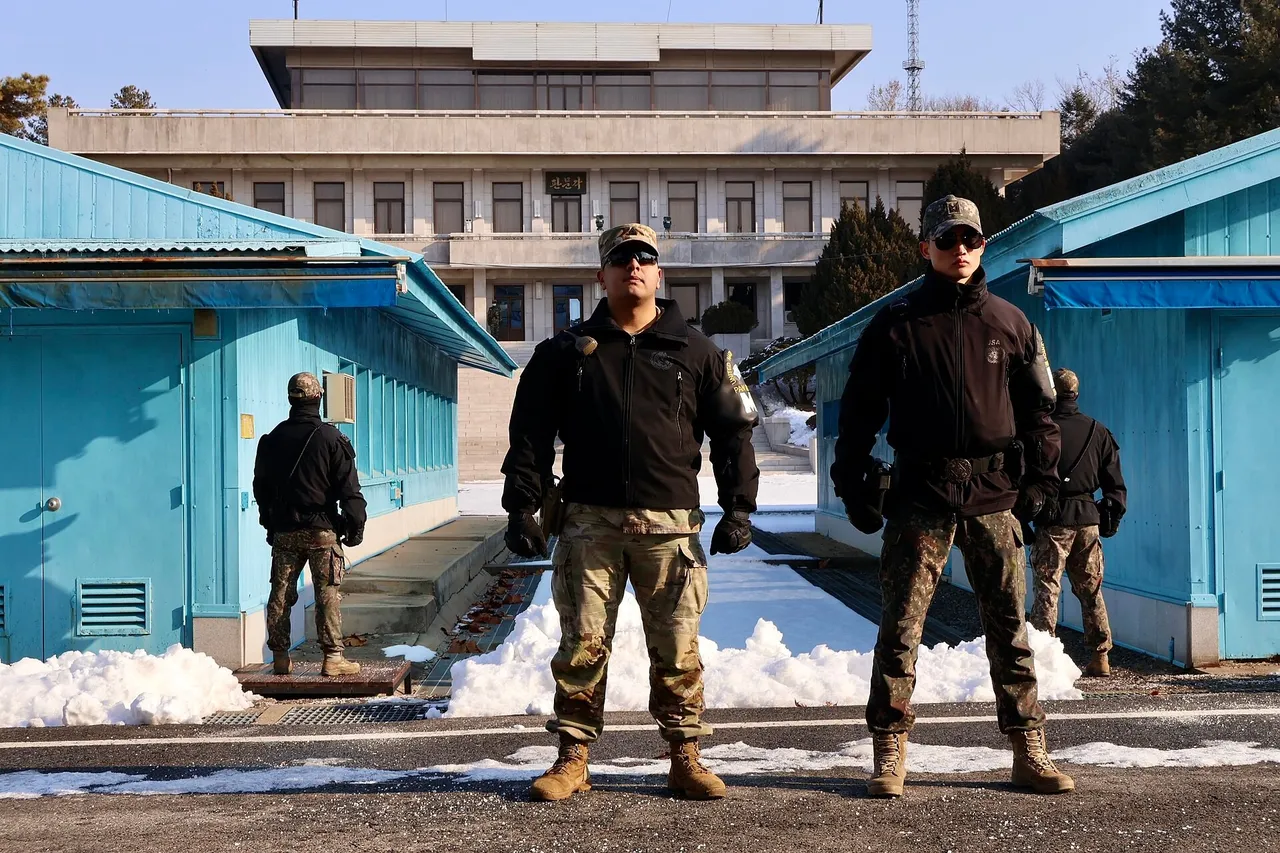
South Korea's defence ministry said on Oct. 18 that a remark by Gen. Xavier Brunson, who commands US Forces Korea, the United Nations Command and the allied Combined Forces Command, that the Republic of Korea begins at the southern fence line of the Demilitarized Zone reflected only his personal view. The ministry said its position on the country's territorial sovereignty is firm and that it would work closely with the UN Command so that South Korea's exercise of sovereignty inside the zone and the command's management of the armistice can coexist.
Brunson made the comment on Oct. 14 at a seminar in Washington hosted by the Gold Institute for International Strategy. According to the Asia Business Daily and Nocutnews, he described fence lines on either side of the Military Demarcation Line and said that, from the UN Command's point of view, South Korea begins at the southern one, because the command manages the area in between to maintain the armistice. Under the 1953 armistice, the zone extends about 2 kilometres on either side of the demarcation line.
The UN Command moved to calm the dispute on Sunday. It said there was no question about South Korea's sovereignty and that Brunson had been describing the military and administrative responsibilities the armistice assigns to the UN commander inside the DMZ and the Joint Security Area at Panmunjom, which it said are separate from sovereignty. YTN reported that the command also stressed its firm commitment to the defence of South Korea and its people.
The remark drew sharp criticism from the ruling Democratic Party. Kim Byung-joo, a lawmaker and former deputy commander of the Combined Forces Command who serves as the president's special adviser on defence policy, wrote on Facebook on Oct. 17 that the armistice gives the UN Command authority only over DMZ entry permits and civil administration, not over the boundaries of South Korean territory, and demanded that Brunson withdraw the remark and apologise. Jin Sung-joon, who chairs the National Assembly's defence committee, said the comment conflicted with the constitution, which defines the national territory as the Korean peninsula and its adjacent islands.
The row feeds into a running dispute over who controls access to the zone. Under the armistice, the UN Command controls entry to the DMZ and the Joint Security Area, and last year it refused access to figures including Cardinal Yoo Heung-sik and Kim Hyun-jong, a former first deputy director of the National Security Office. Ruling party lawmakers are pushing legislation that would give the South Korean government authority over access to the zone for non-military purposes, while the command maintains that its current authority rests on the armistice agreement.
It also lands on top of friction over wartime operational control of South Korean forces. At the same Washington seminar, Brunson said the conditions for transferring that control from the United States to South Korea had changed and that a revised plan meant new standards had to be met. Defence ministry spokesperson Jeong Bitna replied that the transfer would never be possible if the goalposts kept moving, and Defence Minister Kang Shin-chul told a parliamentary audit on Oct. 15 that the government had lodged a protest with Washington over Brunson's series of public remarks. Seoul has maintained that the transfer should proceed under the conditions the allies agreed earlier.
The Asia Business Daily reported that observers see the successive public remarks as exposing differences between Seoul and Washington on security issues, at a time when the allies are already at odds over the pace of the command transfer.
Sources
More in Indo-Pacific
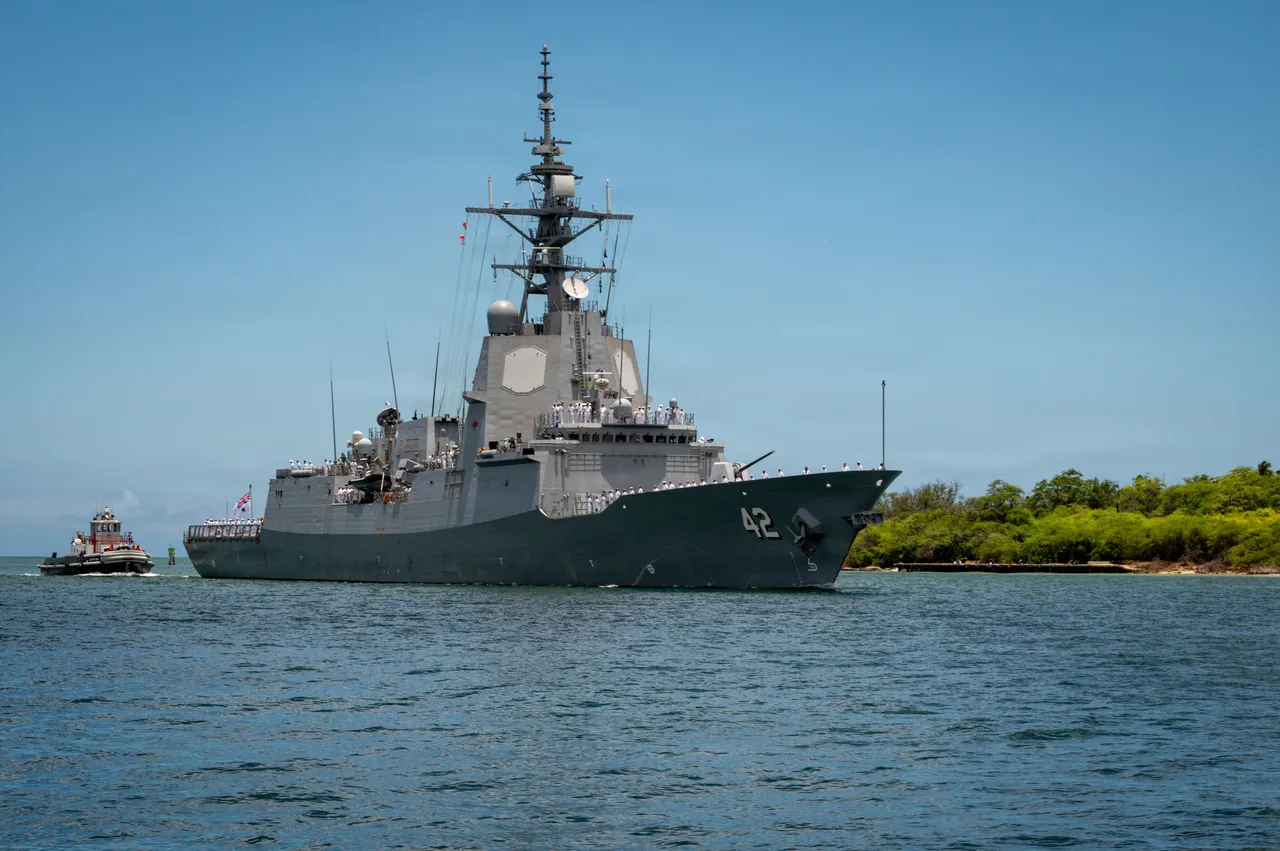
Australia's HMAS Sydney returns after a 131-day Indo-Pacific deployment
The Hobart-class destroyer ended its regional presence cruise at Fleet Base East after RIMPAC, allied exercises, and a South China Sea meeting with HMAS Stuart.
TaiwanDefence · 8h ago · 2 min read
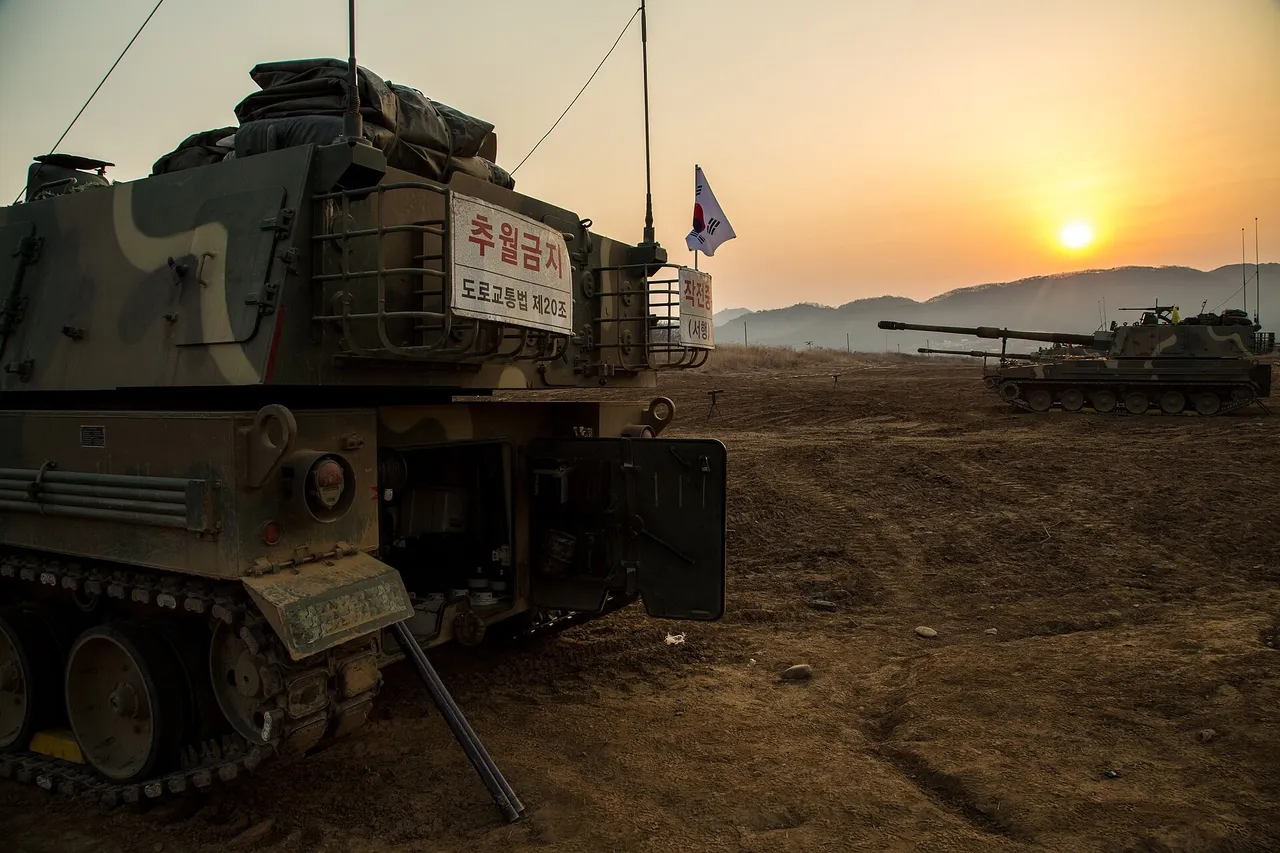
South Korea's army spent over 3 trillion won in five years keeping overage weapons running
Army data given to a lawmaker show 3.08 trillion won went on maintaining tanks, howitzers and helicopters past their service lives, as she urges faster retirement.
TaiwanDefence · 10h ago · 3 min read
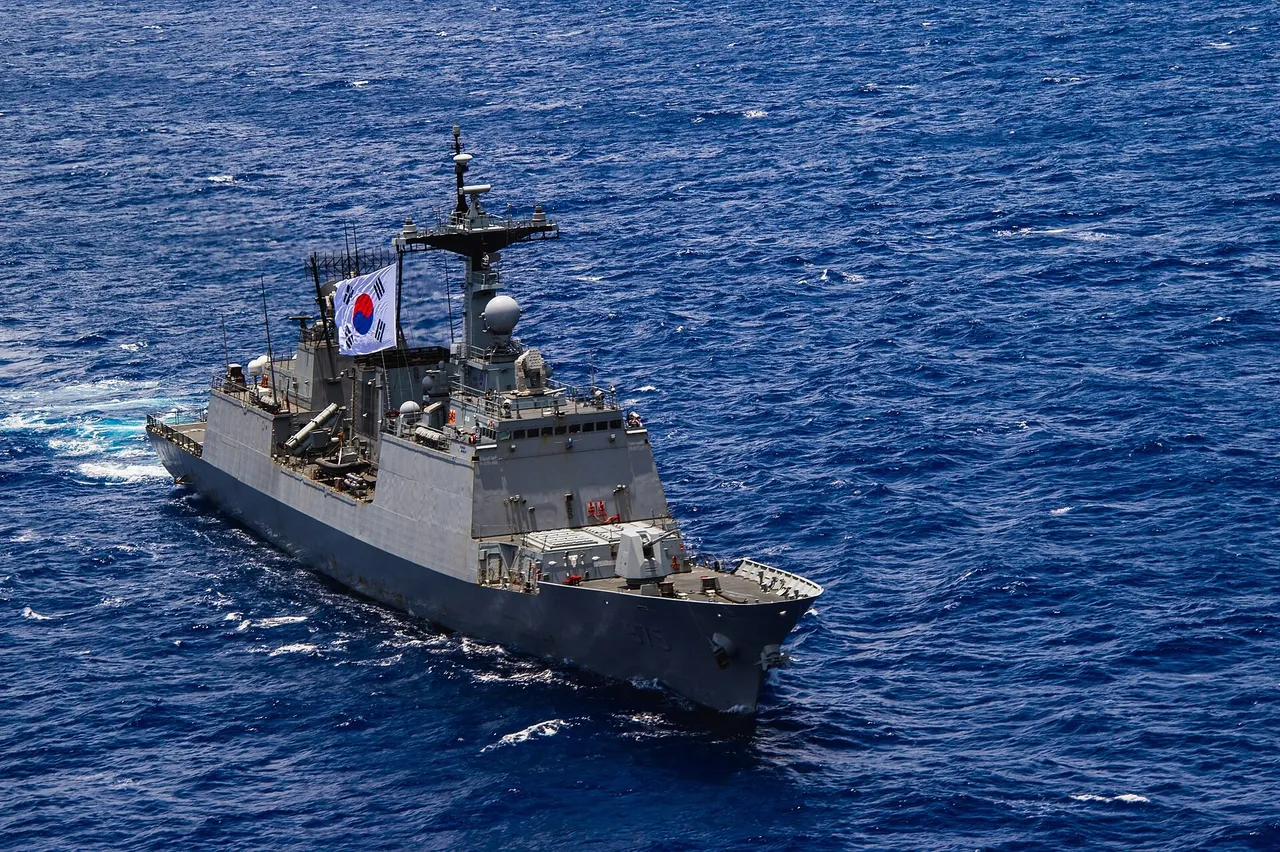
South Korea weighs a P-8 patrol plane and a wider zone toward Hormuz for its anti-piracy naval unit
Seoul's defence ministry is preparing to extend the Cheonghae Unit's mandate, while critics warn that stretching it to the Gulf of Oman would be a deployment by the back door.
TaiwanDefence · 11h ago · 3 min read
Discussion (0)
Comments are not currently available.