
Indonesia signs Badr pact with Turkey, Pakistan and Qatar to build weapons together
Indonesia joined Turkey, Pakistan and Qatar in a Doha memorandum on 21 October to share defence research, training and production, and Jakarta says it wants more made at home.
TAIPEI —
Indonesia has joined Turkey, Pakistan and Qatar in a defence-industry agreement that commits the four countries to work together on producing military equipment, training defence technicians and sharing research and development. The memorandum of understanding, named Badr, was signed in the Qatari capital, Doha, on Wednesday 21 October, Al Jazeera reported. The German news agency dpa said Qatar's defence ministry announced the signing on X that evening.
According to The Defense Post, Turkey's national defence minister, Yasar Guler, and Pakistan's defence minister, Khawaja Muhammad Asif, signed alongside a Qatari minister of state for defence affairs and Indonesia's deputy defence minister. In a statement carried by Al Jazeera, Qatar's defence ministry said the memorandum was meant to build cooperation in defence manufacturing, raise the defence capabilities of the four countries and promote joint work on technical training and research. Haluk Gorgun, who heads Turkey's defence industry agency, said technology sharing, joint development and local production would be at the centre of the arrangement, The Defense Post reported.
Jakarta set out its own aims a day later. At a press briefing in Jakarta on Thursday 22 October, Indonesian foreign ministry spokesman Vahd Nabyl Mulachela said Indonesia would make full use of the Badr memorandum to raise its national capacity to produce defence equipment, Republika reported. He said the document covers research, development and technology transfer, industrial and manufacturing cooperation that could bring investment into building weapons systems, and training people for the defence industry. He described the three partners as countries that Indonesia had judged qualified and compatible to support its own production.
The agreement is about industry rather than a promise of mutual defence. dpa reported that no joint defence component is known to be part of it. Al Jazeera noted that a separate pact, the Mecca Joint Defence Agreement signed by Saudi Arabia, Pakistan and Turkey in August, does contain a mutual-defence commitment, and that Ankara sent that agreement to its parliament for ratification on the same Wednesday.
Pakistani security sources told dpa that cheaper systems to counter drone attacks and maritime military technology would be at the heart of the cooperation, and that the countries wanted stronger defences against a possible long-term threat to the Gulf from Iran. Analysts interviewed by Al Jazeera linked the timing to the US-Israeli war with Iran, Houthi attacks on Saudi Arabia and a wish to depend less on any single foreign supplier, but they cautioned that neither Qatar nor Turkey was breaking with Washington.
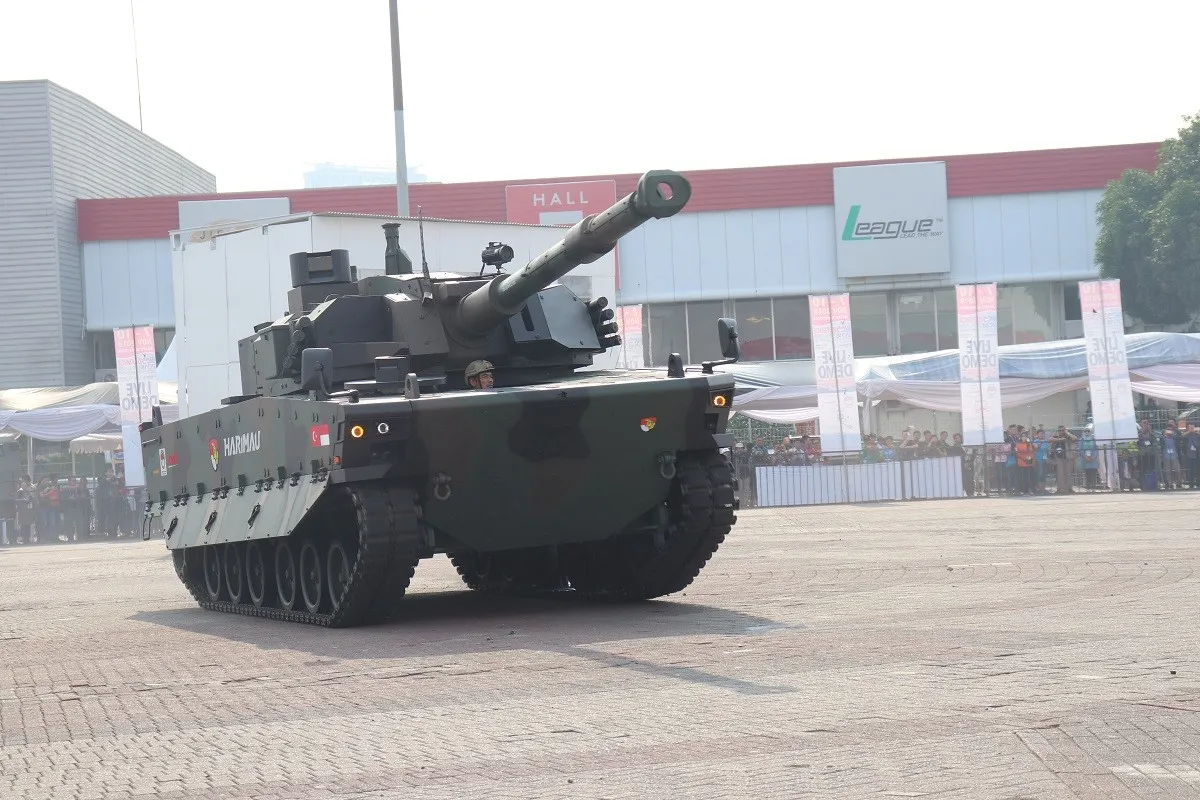
For Indonesia, the memorandum sits on top of a run of large Turkish deals. The Defense Post said Indonesia has signed a contract for 48 Turkish KAAN fighter jets. In May, the Turkish drone maker Baykar signed its first export agreement for the Kizilelma combat drone with Indonesia's Republikorp, covering 12 aircraft with deliveries from 2028, options for 48 more and plans for production and maintenance facilities in Indonesia. Earlier this year, Turkey's TAIS Shipyards agreed with Qatar's Barzan Holding to build two Istanbul-class frigates for the Indonesian Navy in a deal worth about one billion dollars. Al Jazeera added that Indonesia and Turkey are jointly building a tank.
Analysts quoted by Al Jazeera described a division of labour in which Turkey brings technology and systems integration, Pakistan and Indonesia bring factories, skilled workers and large home markets, and Qatar brings money and demand. One researcher said Pakistan and Indonesia were both willing to buy Turkish weapons if part of the production moved to their own countries. Pakistan's naval project with Turkey shows that model at work: of four ships announced, two are to be built in Istanbul and two at Karachi Shipyard.
None of the reports gave a budget, a timetable or a list of projects for the memorandum, so its real weight will depend on contracts that have not yet been announced. For Southeast Asia, it gives Indonesia a formal framework to press for more local production of the Turkish-designed fighters, drones and warships it has already ordered.
Sources
More in Indo-Pacific
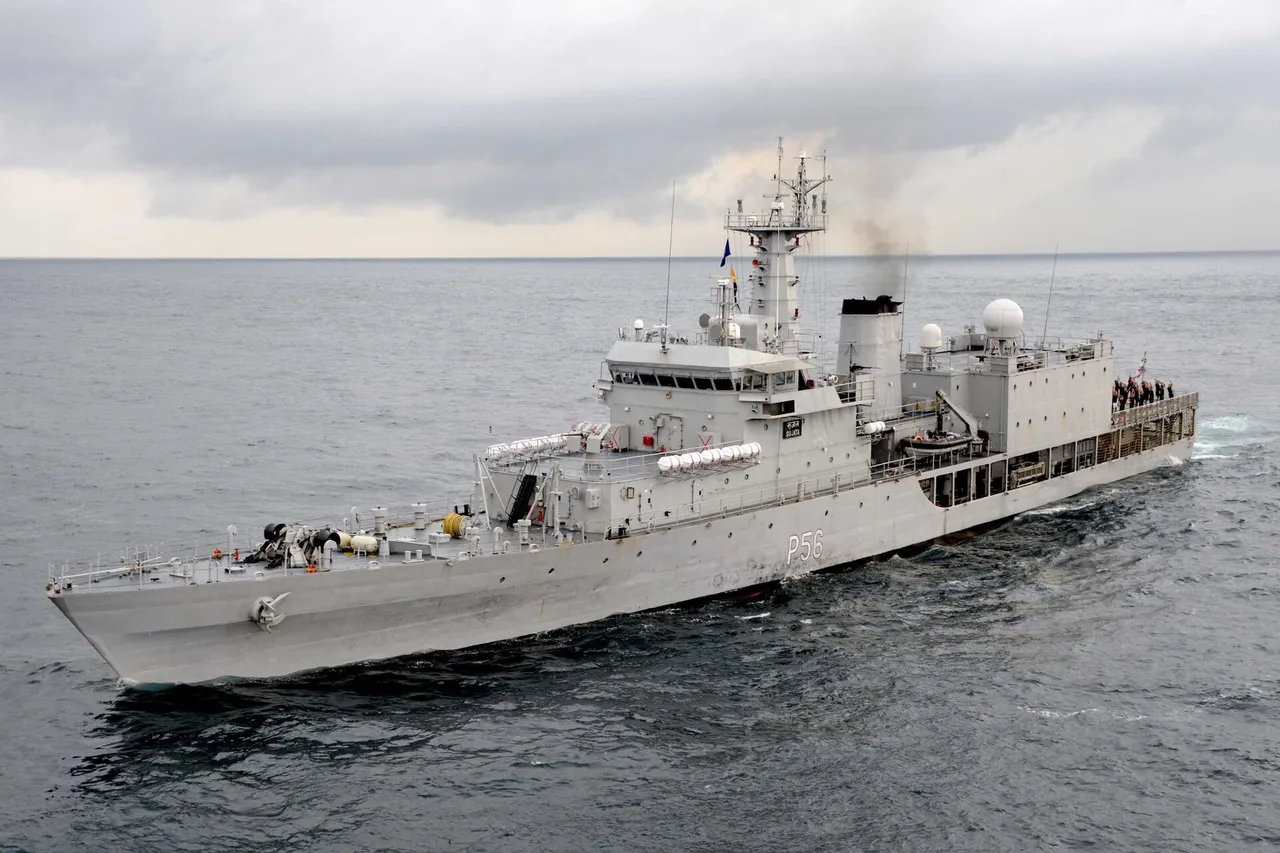
Indian Navy training squadron reaches Male as the Maldives signs defence pacts with Pakistan
Two Indian Navy ships and a coast guard vessel docked in Male for a training visit on 21 October, the same day the Maldives signed defence and maritime deals in Islamabad.
TaiwanDefence · 9m ago · 2 min read
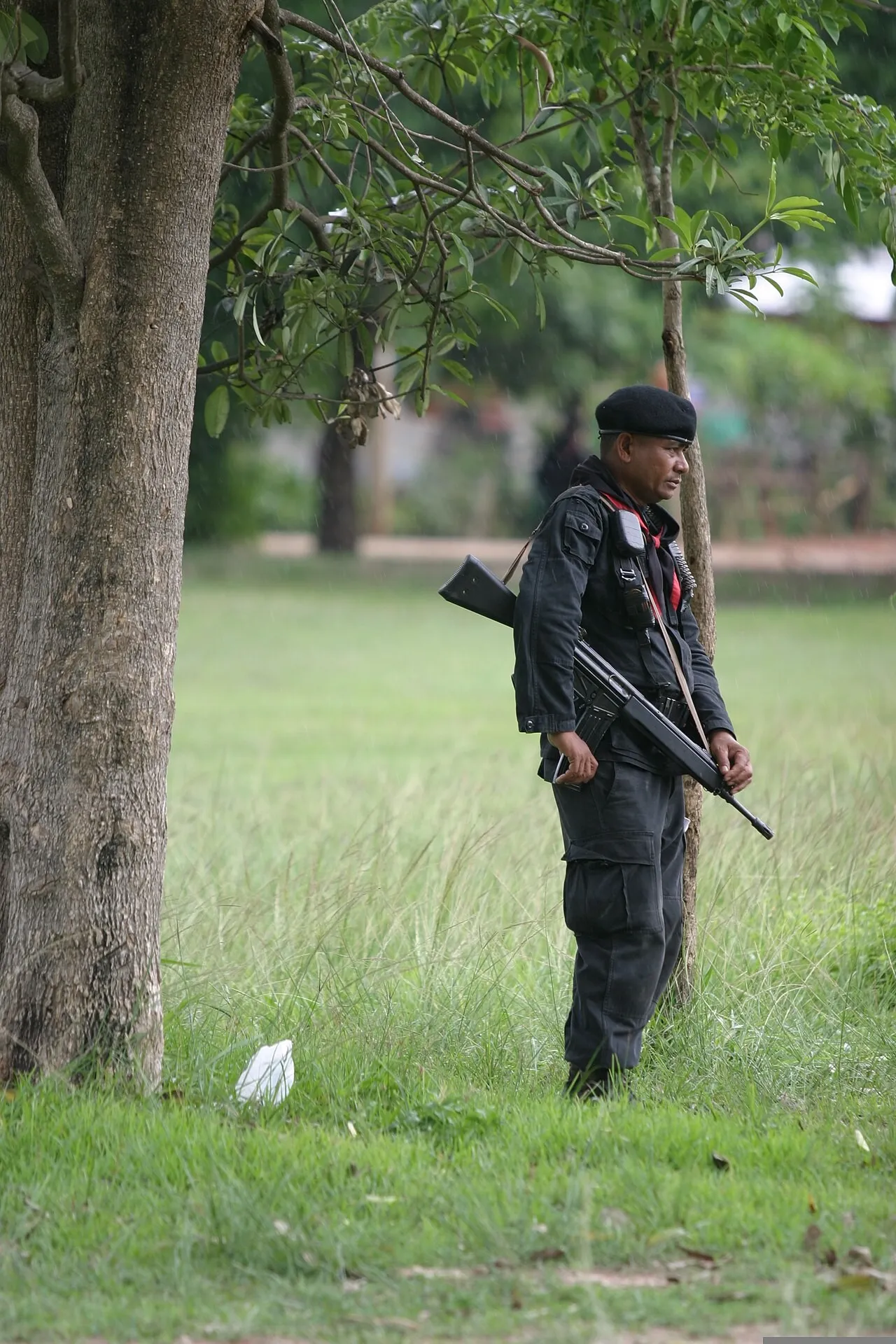
Thailand's military puts Israeli ARBEL anti-drone fire control on its existing rifles
Israel Weapon Industries says Thailand's defence ministry now has its ARBEL anti-drone system in service, fitted to rifles the troops already carry.
TaiwanDefence · 2h ago · 2 min read
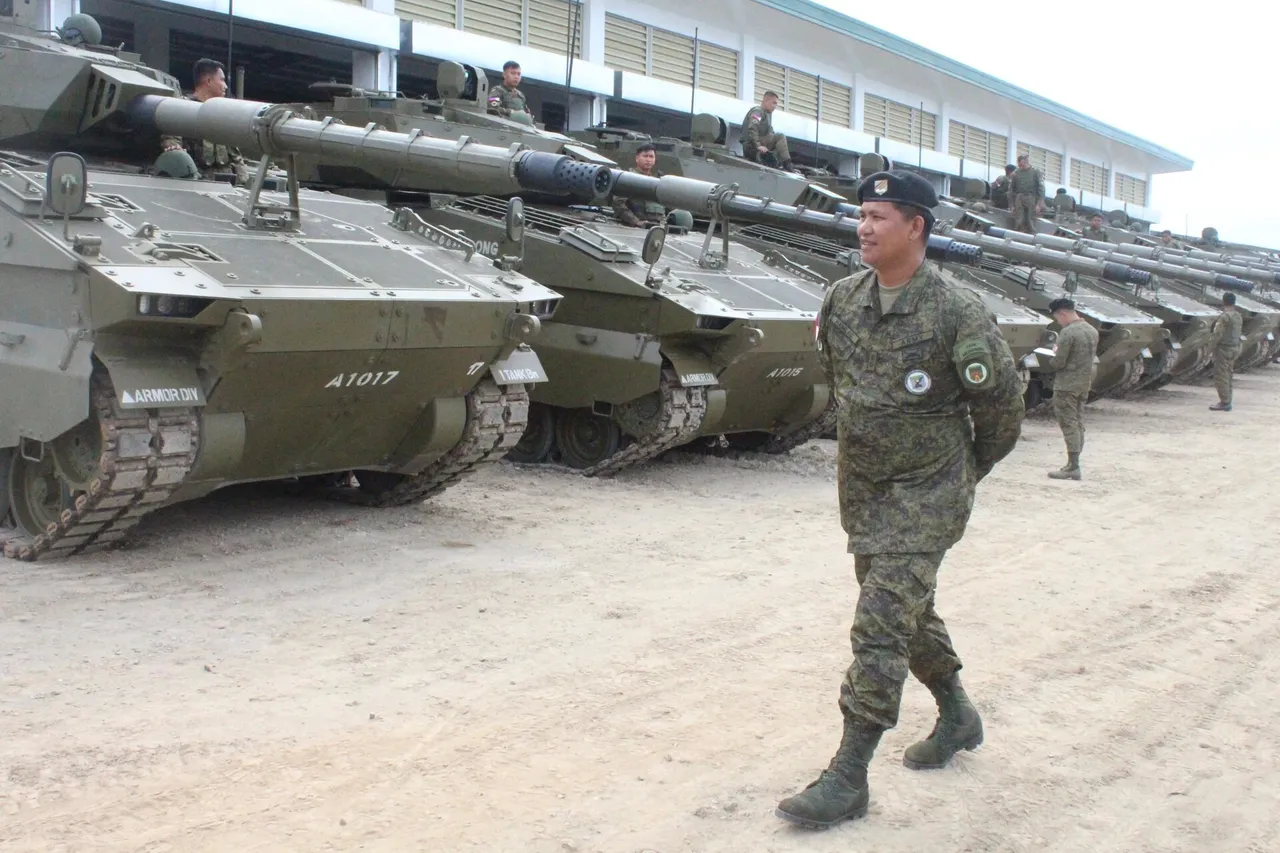
Philippine Army sends its first Sabrah light tanks to Mindanao
Four Sabrah tanks with 105mm guns reached Iligan City by navy ship on 19 October, the first of the type to be based outside Luzon and the Visayas.
TaiwanDefence · 3h ago · 3 min read
Discussion (0)
Comments are not currently available.