
South Korea's service academy chiefs urge caution on merging officer schools into one academy
At a parliamentary defence audit on 22 October, the heads of the army, navy and air force academies warned that a single academy must not erode each service's expertise.
TAIPEI —
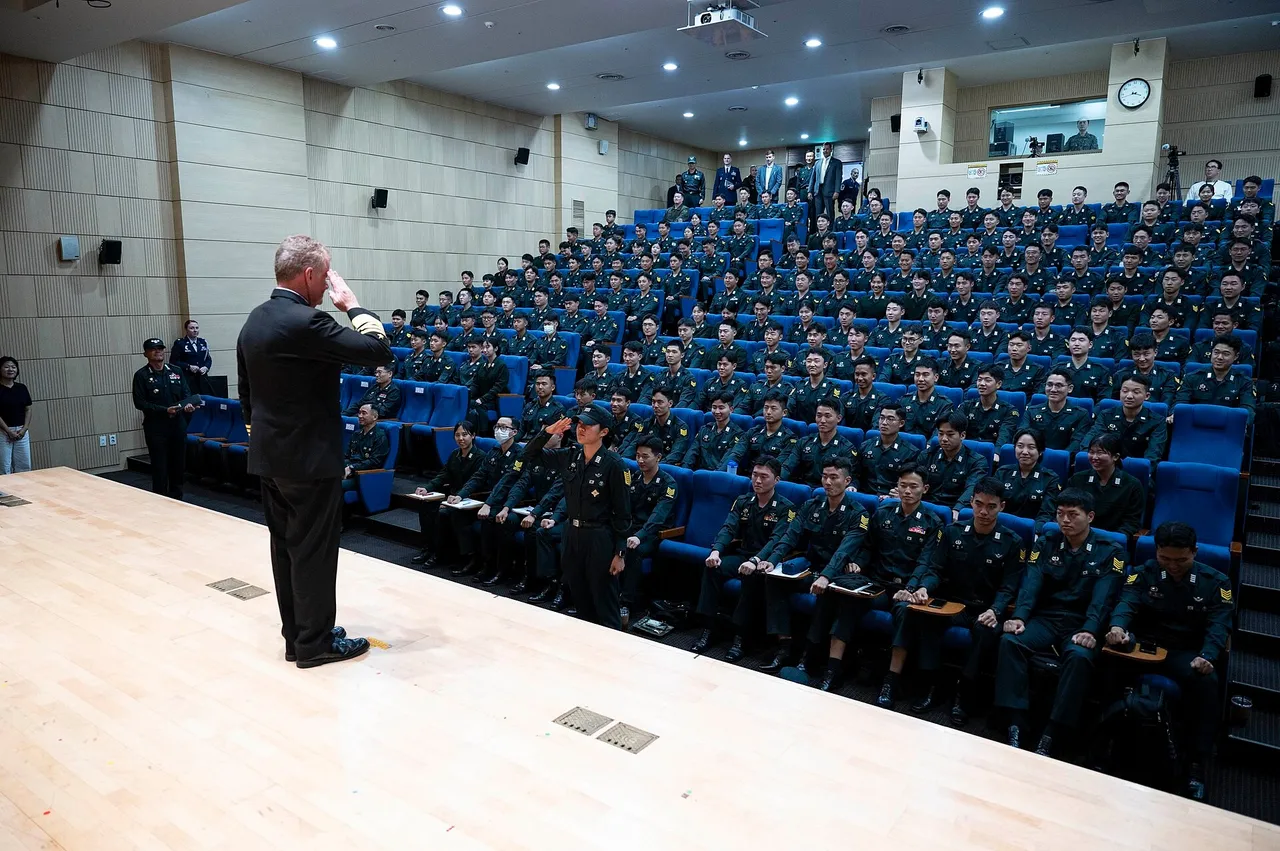
The heads of South Korea's army, navy and air force academies told lawmakers on Thursday 22 October that the government's plan to fold the three schools into a single officer academy should not go ahead until it has been reworked and more widely discussed. They spoke at a National Assembly defence committee audit held at the Korea Military Academy in Seoul, the first time the three academies have been audited on their own.
The government wants to create a four-year Armed Forces Academy at the Jaundae military complex in Daejeon in place of the separate service academies, Jungbu Maeil reported. Supporters in the ruling Democratic Party argue that drones, uncrewed systems and artificial intelligence are changing warfare and that future commanders need a common grounding across all three services.
Lt. Gen. Park Hoo-sung, superintendent of the Korea Military Academy, said reform of officer education was needed, but that he was aware of the concerns of cadets and faculty. He told the committee the basic plan should be supplemented and a range of views gathered so that the change could proceed with broad agreement. He also said the separate academies already run joint education programmes that strengthen cooperation between the services.
The air force raised a practical problem. Lt. Gen. Park Heung-jae, head of the Air Force Academy, said integrated education does help jointness, but should only be carried out without damaging the air force's identity and expertise. Asked how cadets would start flight training at Jaundae, which has no runway, he said he understood the move had not been finalised, but that leaving the current site would cut efficiency because of transport and travel time. Chungcheong Maeil reported that air force cadets now do aptitude and introductory flying at Seongmu airfield in Cheongju.
Vice Adm. Park Gyu-baek, superintendent of the Naval Academy, said the sea means more to naval cadets than a training setting and that the academy's link with the sea must be kept. According to Gyeongnam Domin Ilbo, he said cadets spend more than six months of their four years in maritime education and training, and that the navy has been passing these views to the defence ministry. He also called for quantitative and qualitative analysis of the benefits the merger is expected to bring.
Resistance inside the forces is substantial. Chungcheong Maeil reported that a Korea Institute for Defense Analyses survey of 1,791 cadets in March found 91.3 percent opposed to merging the academies, along with 60.9 percent of officers surveyed, while 49.1 percent of the general public supported the idea. Dailian noted that observers inside and outside the military read the superintendents' careful wording as near-opposition, given that all three are serving officers.
Lawmakers split along party lines. Democratic Party member Hwang Myung-sun said ministry data showed about 52 percent of the three curricula overlap, rising to as much as 76 percent with general majors, while People Power Party member Kang Sun-young said general education makes up only a small share of academy hours. Kang also cited a possible merger cost of about 3 trillion won, a figure Democratic lawmaker Min Hong-chul said was premature because the budget estimate is still under way. Min suggested keeping each academy as a college inside a broader military education institution.
Chungcheong Maeil reported that the defence ministry says its aim is to keep each service's identity and expertise while training officers for high-technology warfare. Jungbu Maeil reported that one lawmaker described the merger as a priority project of the president. The hearing shows that it now faces open doubts from the officers who would have to carry it out.
Sources
More in Indo-Pacific
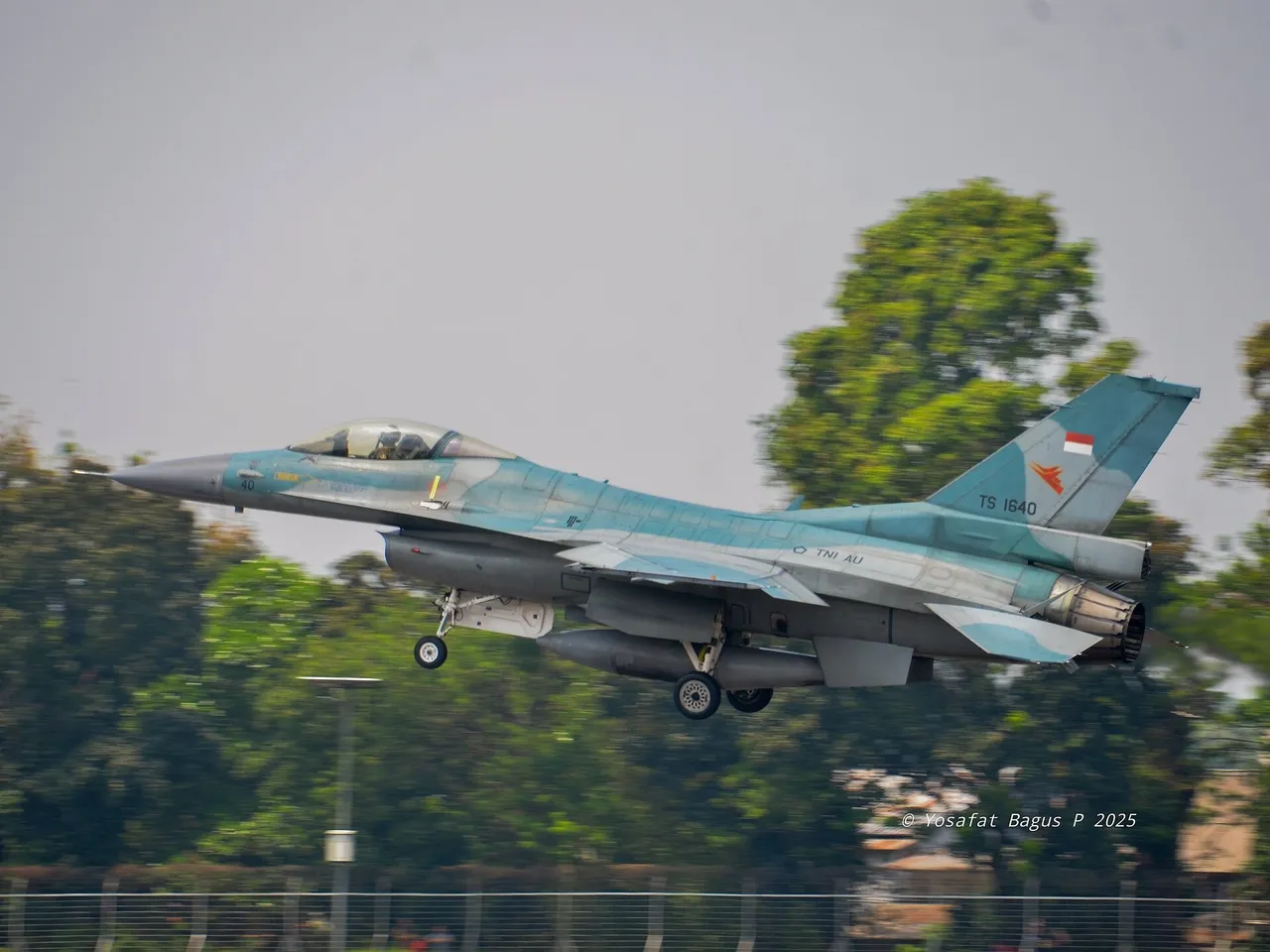
Indonesian F-16s and Super Tucanos land on an East Java toll road in an alternative runway test
Indonesia's air force closed a stretch of the Pasuruan-Probolinggo toll road to test whether fighters can fly from it if air bases are put out of use.
TaiwanDefence · 2h ago · 3 min read
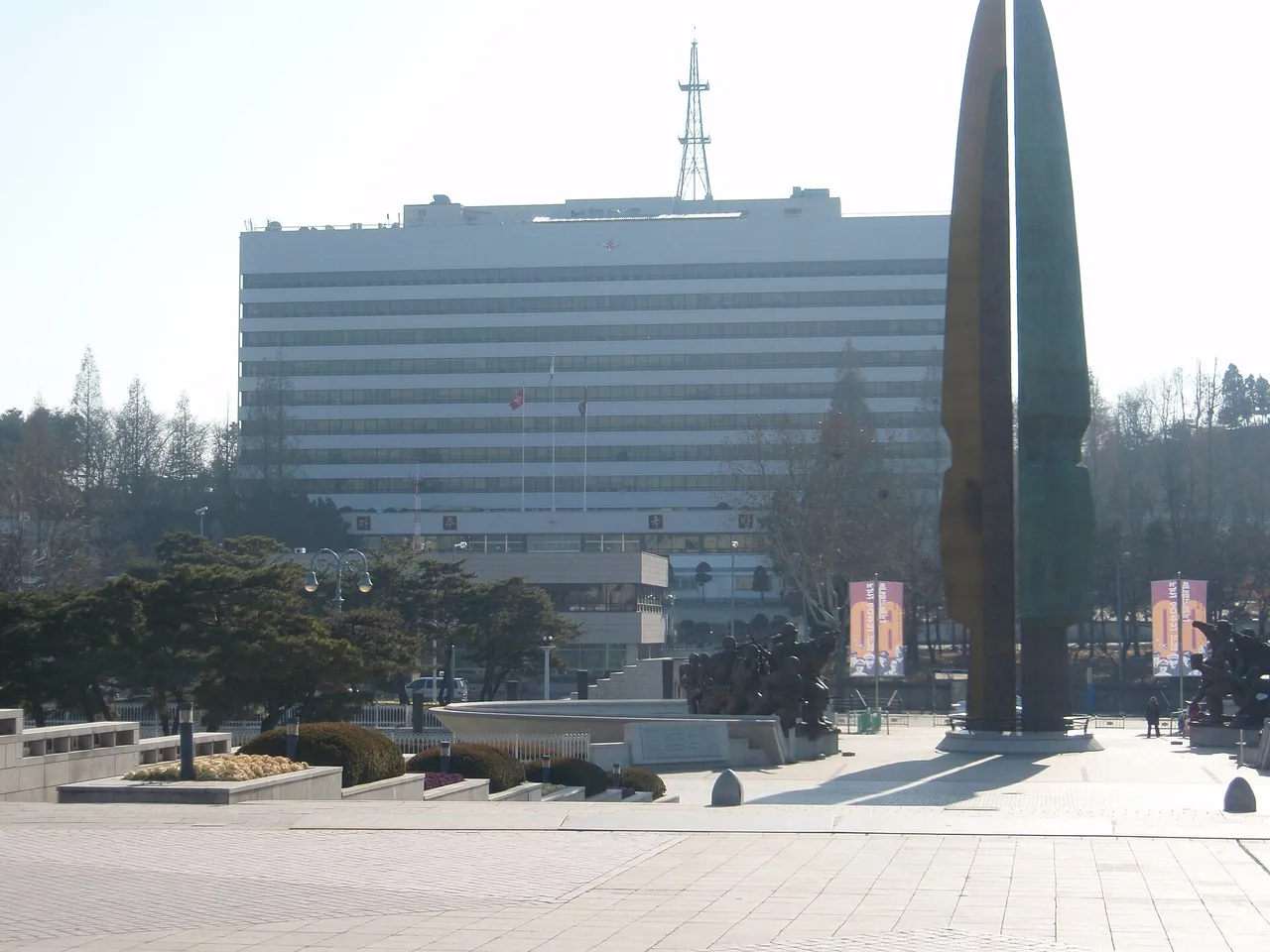
South Korea's defence ministry reviews its drive to bring AI into command, guard duty and logistics
A year-end review chaired by Vice Minister Lee Doo-hee checked five military AI hubs, an AI command system and plans to hand risky chores to robots.
TaiwanDefence · 3h ago · 3 min read
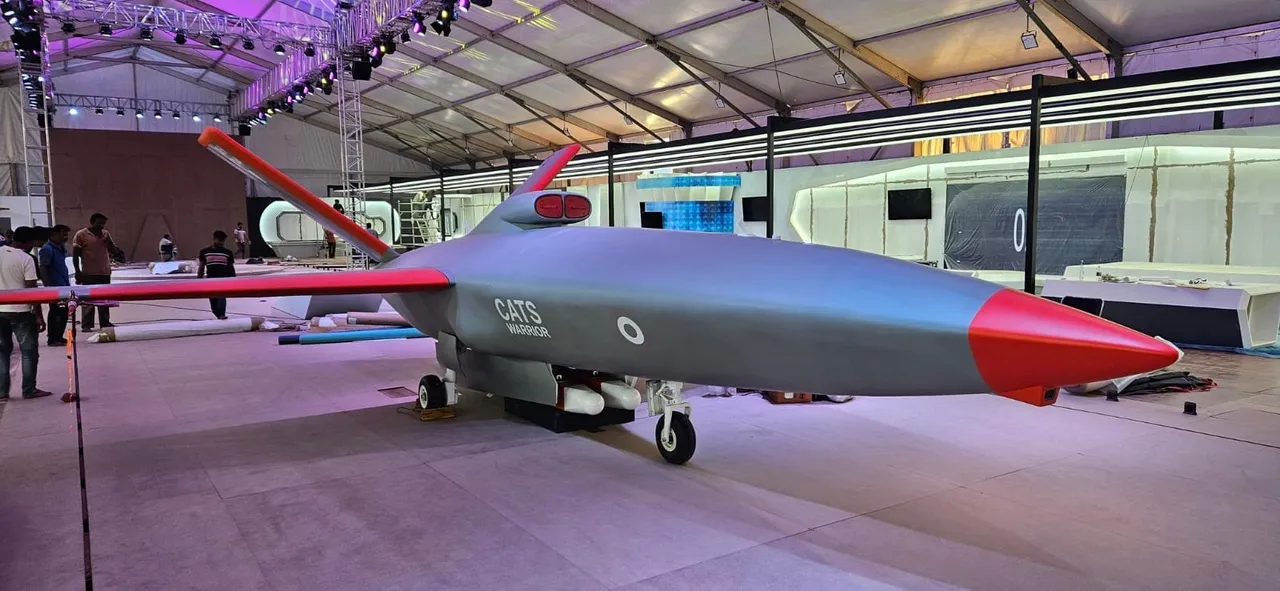
India's air force hands industry its drone roadmap covering 16 types of unmanned aircraft
The Indian Air Force briefed about 100 drone makers in New Delhi on what unmanned and autonomous systems it wants, pressing for home-grown engines, software and navigation.
TaiwanDefence · 6h ago · 2 min read
Discussion (0)
Comments are not currently available.