
South Korea's defence ministry reviews its drive to bring AI into command, guard duty and logistics
A year-end review chaired by Vice Minister Lee Doo-hee checked five military AI hubs, an AI command system and plans to hand risky chores to robots.
TAIPEI —
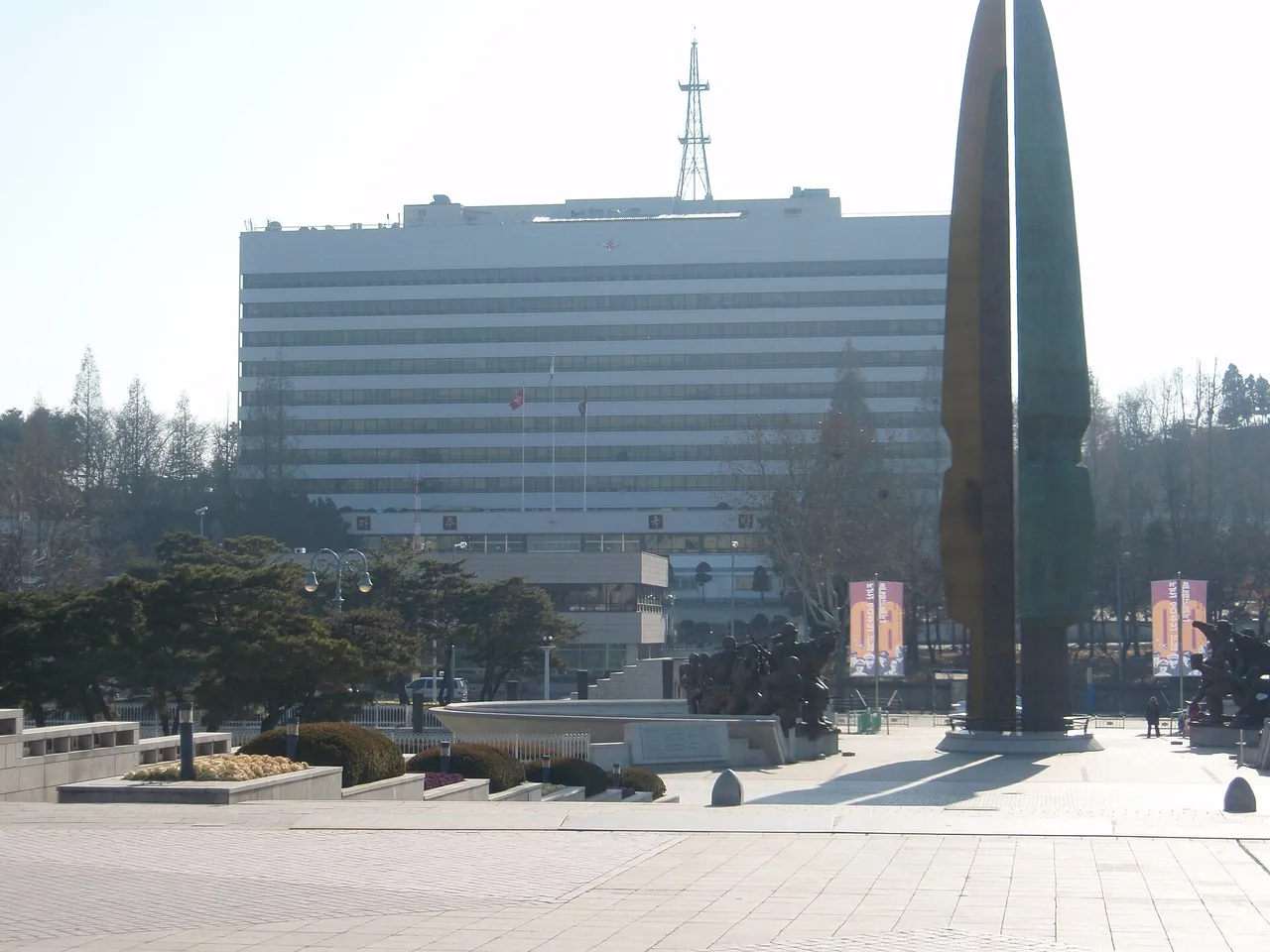
South Korea's defence ministry held a year-end review of its push to bring artificial intelligence into the armed forces on Thursday 22 October, checking progress on regional military AI hubs, an AI-assisted command system and trials that would hand dangerous routine work to machines. The meeting at the ministry's headquarters in Yongsan, Seoul, was chaired by Vice Minister Lee Doo-hee.
About 30 officials took part, according to KBS. They included the head of military support at the Joint Chiefs of Staff, the vice chiefs of staff of each service and the deputy commandant of the Marine Corps. Goodmorning Chungcheong reported that the Defense Acquisition Program Administration, the national AI strategy committee and major research institutes also sent representatives.
The ministry frames the effort as building a self-reliant, advanced military on the basis of sovereign AI, meaning tools the country develops and controls itself. The review was organised around three lines of work: laying the groundwork for an AI transformation of defence, deepening cooperation between industry, government and the military, and using AI to get the most out of existing combat strength.
A central piece is a network of five defence AI hubs. Goodmorning Chungcheong said the Yongsan hub is meant to handle AI for command and control, Pangyo will focus on physical AI such as robots, and Daejeon on agentic AI that can carry out tasks with some autonomy. Busan is being developed as the centre for maritime work and Yangjae in Seoul for aerospace. Officials checked how the hubs are running or getting ready to open and discussed adding infrastructure and doing more joint research with civilian partners.
The ministry is also preparing a project that would bring civilian AI technology into the forces by testing physical AI on jobs that are risky or repetitive, such as transport, guard and security duty, and handling hazardous materials. Other work under way includes an AI development platform on the military's own network, securing graphics processors for computing power, and early work on a common operating system for defence AI.
Security rules were another theme. Participants reviewed efforts to keep military security procedures from slowing AI development and discussed ways to simplify those procedures and put the changes on a firmer legal footing.
The Joint Chiefs of Staff set out plans for developing an AI-based command and control system, referred to in the reports as KCCS, and for building up the battlefield data such systems depend on. The individual services shared examples of AI already in use, including AI-supported perimeter security and AI services for administration, intelligence and operations.
Lee told the meeting that AI is a core technology that is changing the shape of future warfare and driving innovation in both combat power and the way defence is run, KBS reported. He said AI should not stay a niche skill for a few specialists but become a basic capability that every service member uses in their own duties. Goodmorning Chungcheong reported that he linked the push to a shrinking pool of conscripts and a changing battlefield, arguing that the military must be able to build and use AI on its own.
The review shows Seoul treating AI as a way to make up for fewer troops while keeping pace with fast-moving military technology across the region. Goodmorning Chungcheong noted that the real test will be whether the programme produces measurable gains in combat strength and in the daily work of service members, rather than staying at the planning stage.
Sources
More in Indo-Pacific
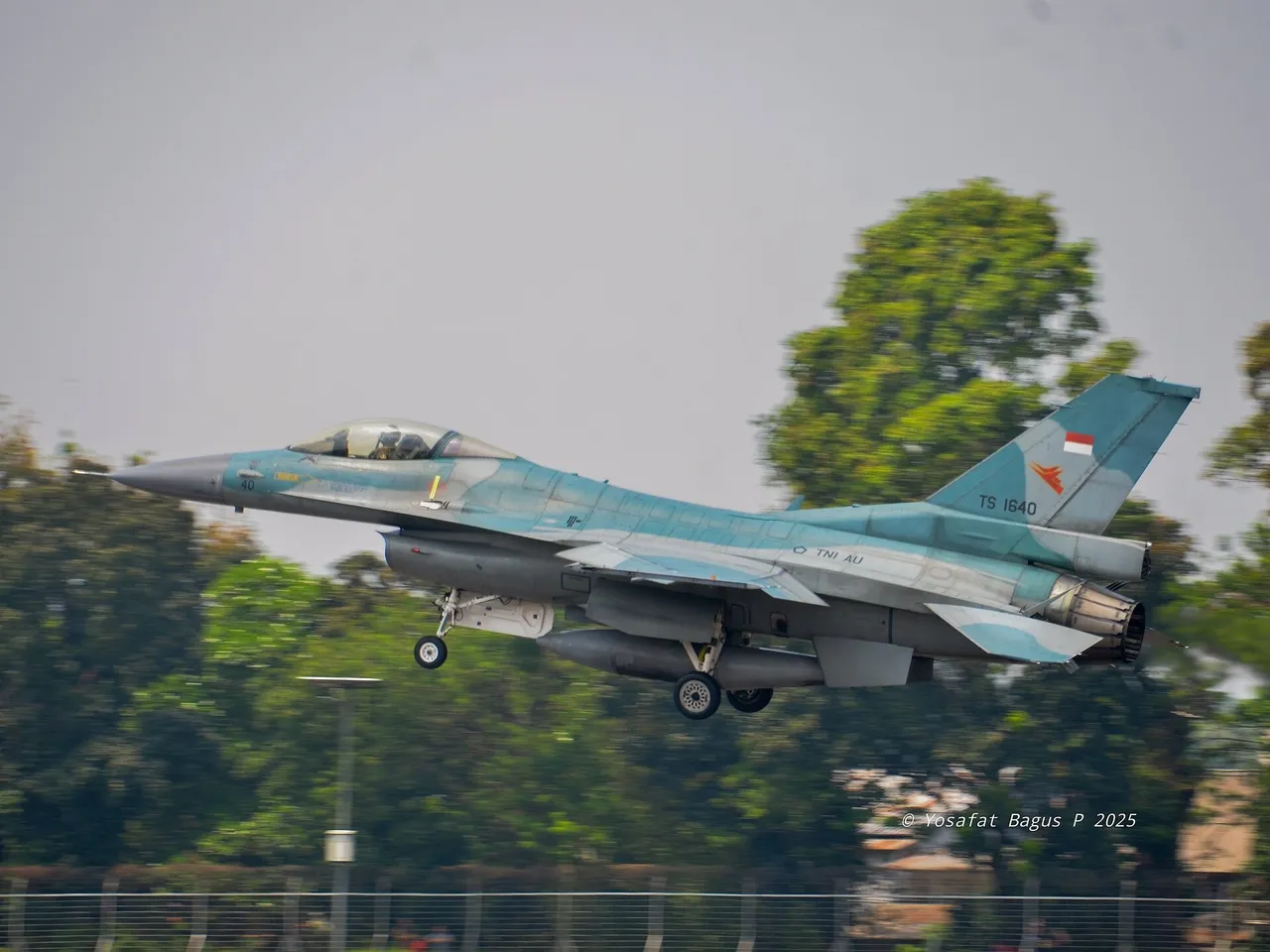
Indonesian F-16s and Super Tucanos land on an East Java toll road in an alternative runway test
Indonesia's air force closed a stretch of the Pasuruan-Probolinggo toll road to test whether fighters can fly from it if air bases are put out of use.
TaiwanDefence · 3m ago · 3 min read
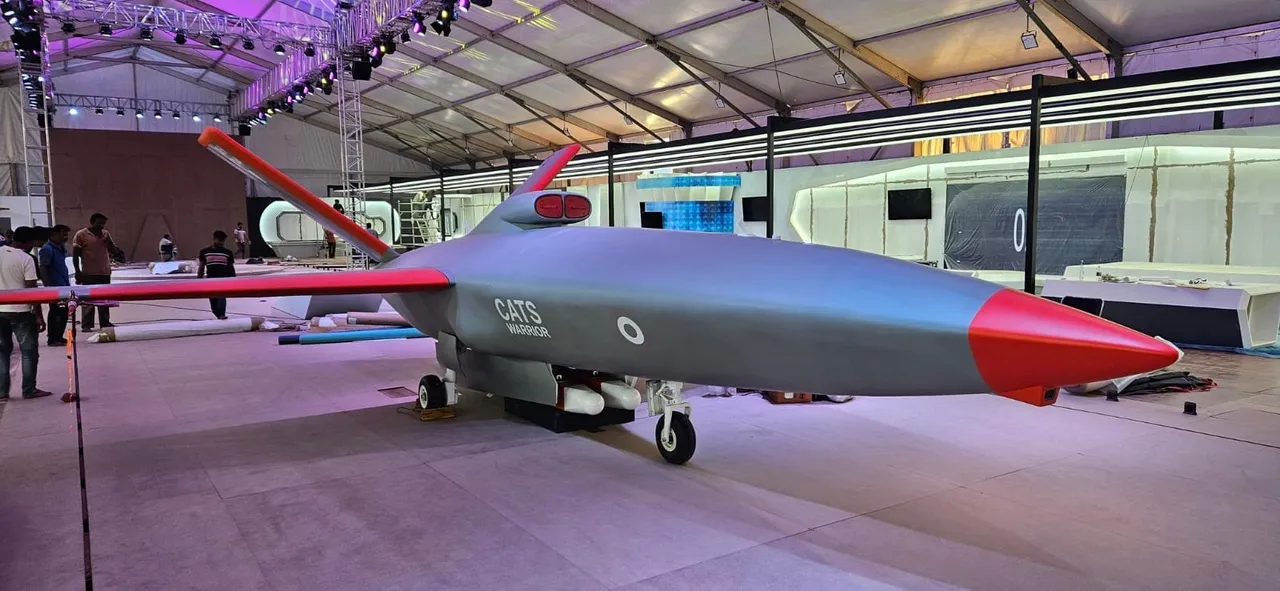
India's air force hands industry its drone roadmap covering 16 types of unmanned aircraft
The Indian Air Force briefed about 100 drone makers in New Delhi on what unmanned and autonomous systems it wants, pressing for home-grown engines, software and navigation.
TaiwanDefence · 3h ago · 2 min read
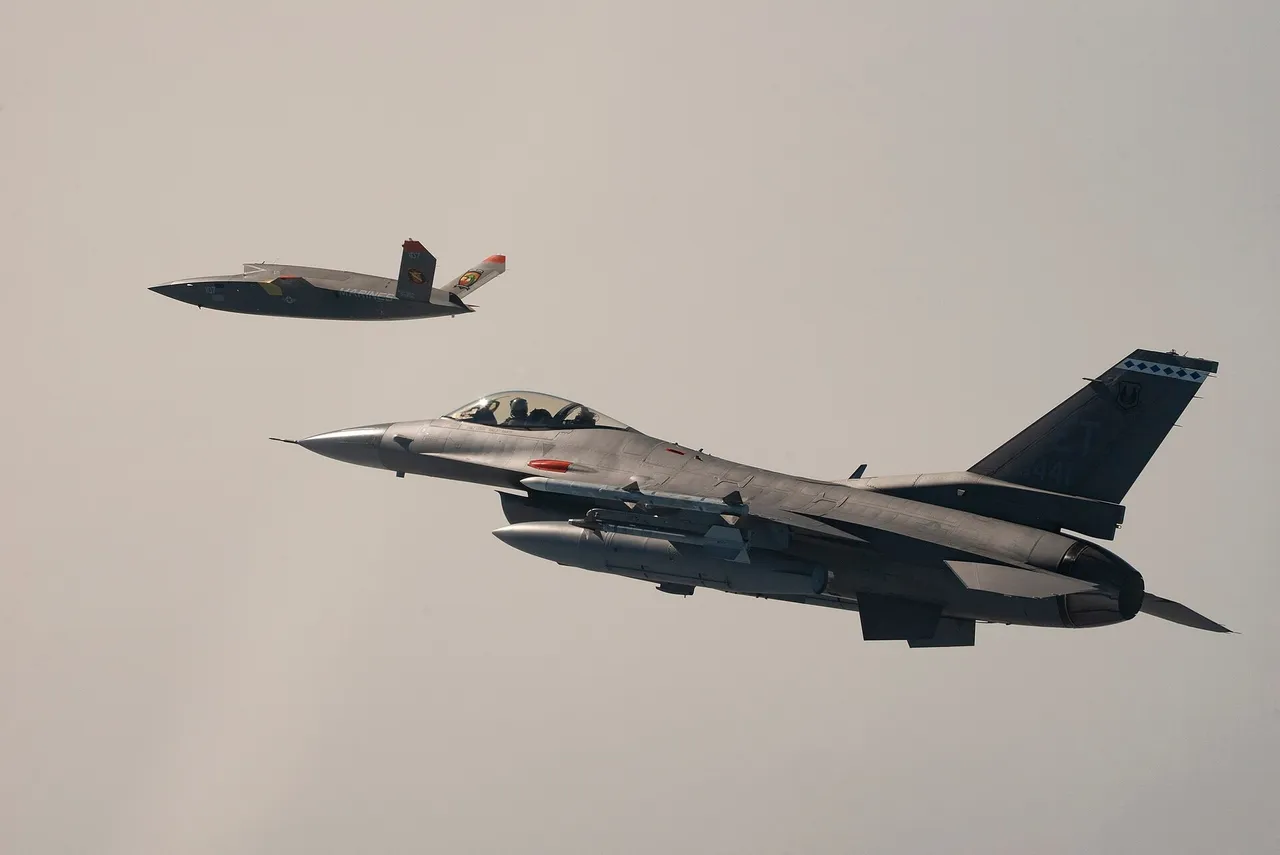
South Korean and US air force chiefs sign pact to work together on drone wingmen
The letter of intent on autonomous collaborative platforms aims to make future Korean and American manned-unmanned air forces work as one from the design stage.
TaiwanDefence · 6h ago · 3 min read
Discussion (0)
Comments are not currently available.