
South Korean and US air force chiefs sign pact to work together on drone wingmen
The letter of intent on autonomous collaborative platforms aims to make future Korean and American manned-unmanned air forces work as one from the design stage.
TAIPEI —
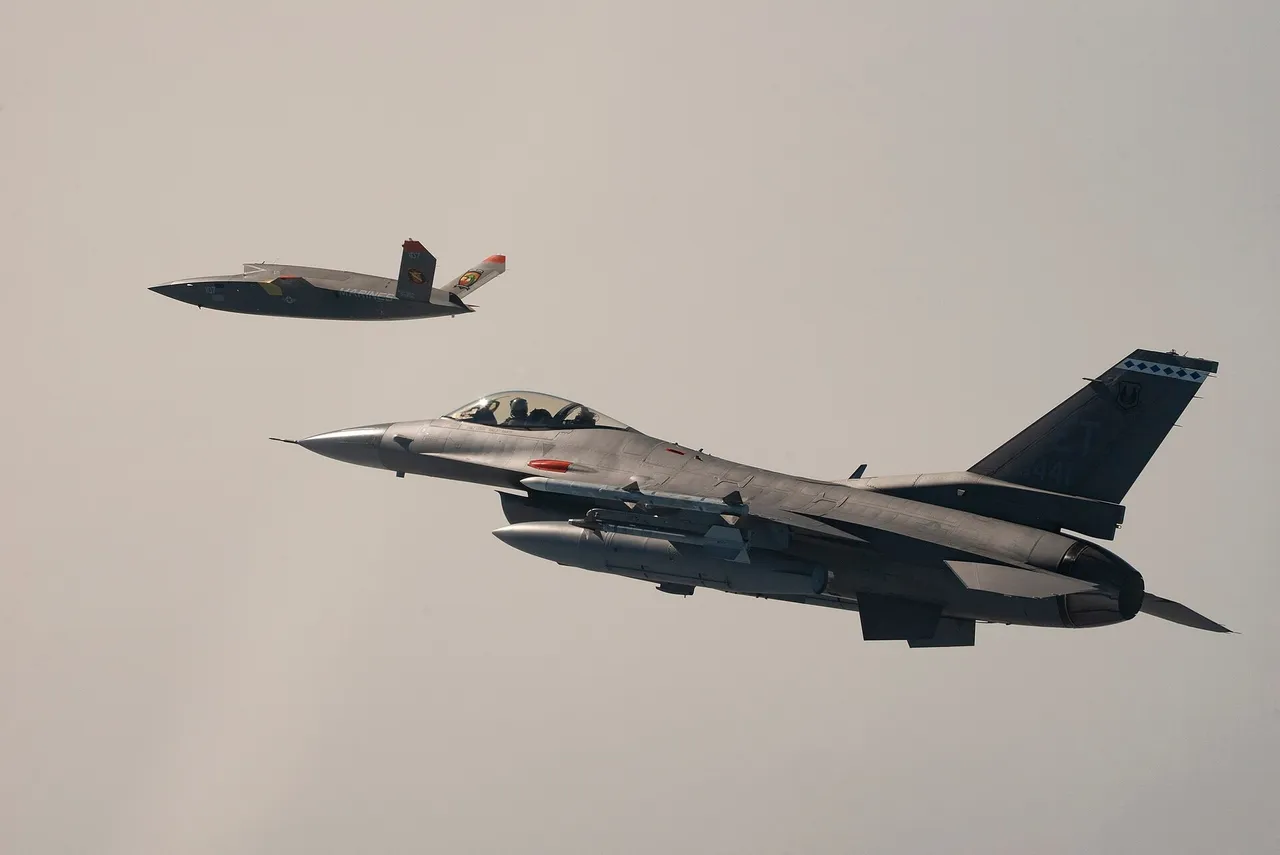
The air forces of South Korea and the United States have agreed to work together on autonomous collaborative platforms, the drone aircraft designed to fly and fight alongside crewed jets. South Korea's Air Force said on Thursday 22 October that the two services' chiefs of staff, Gen. Son Sug-rag and US Gen. Kenneth Wilsbach, would put their names to a letter of intent on the subject during a bilateral meeting that day.
The meeting was held on the sidelines of the 2026 Sacheon Airshow in South Korea, and the two generals signed the letter on behalf of their services, according to Herald Economy and Drone Magazine News. Neither the Korean statement nor the reports gave a figure for any spending or a list of specific aircraft tied to the agreement.
An autonomous collaborative platform, or ACP, is a system that uses its own autonomy to carry out air missions together with crewed aircraft and other unmanned assets. The best-known example is the collaborative combat aircraft, or CCA, a drone that flies in formation with a fighter as a so-called loyal wingman and can take on tasks such as reconnaissance, electronic warfare and high-risk strikes.
Yonhap noted that this kind of manned-unmanned teaming is seen as a cornerstone of next-generation air operations because it reduces the risk to pilots and extends the reach and survivability of crewed aircraft. The US Air Force is pushing to develop unmanned combat aircraft and fold them into its operations, while South Korea's Air Force is laying the groundwork to field such capabilities of its own.
The reports set out how far the American programme has moved. The US Air Force set up an Experimental Operations Unit in June last year to test tactics and mission procedures for CCAs, flew prototype aircraft last year, and this month completed a flight test in which an F-22 fighter passed tactical instructions to a CCA already in the air, according to Herald Economy and Financial News.
Under the new letter, the two air forces plan to develop operating concepts for future manned-unmanned combat systems and improve how well they work together in combined operations. The emphasis is on linking the systems from the early stages of development, including how mission information is shared and how crewed and uncrewed forces on both sides are connected, so that Korean and American drones can operate smoothly side by side in a future combined fight.
To put that into practice, the services will form a working-level consultative group and then define priority tasks and a timetable. Herald Economy reported that the planned cooperation covers operating concepts, test and evaluation, and education and training. South Korea's Air Force intends to feed the experience it gains into operating concepts and required operational capabilities suited to the Korean Peninsula, and to link the work with domestic research and development of manned-unmanned systems.
Financial News reported that military experts saw the agreement as a way to head off gaps in future combined operations, because real-time links between Korean crewed or home-built unmanned aircraft and American CCAs would be central once the US fields the drones. The paper said access to American test data and lessons could shorten South Korea's own path to fielding such systems, while some security analysts urged Seoul to speed up domestic development and write doctrine tailored to the peninsula's dense air-defence and electronic warfare environment.
Sources
More in Indo-Pacific
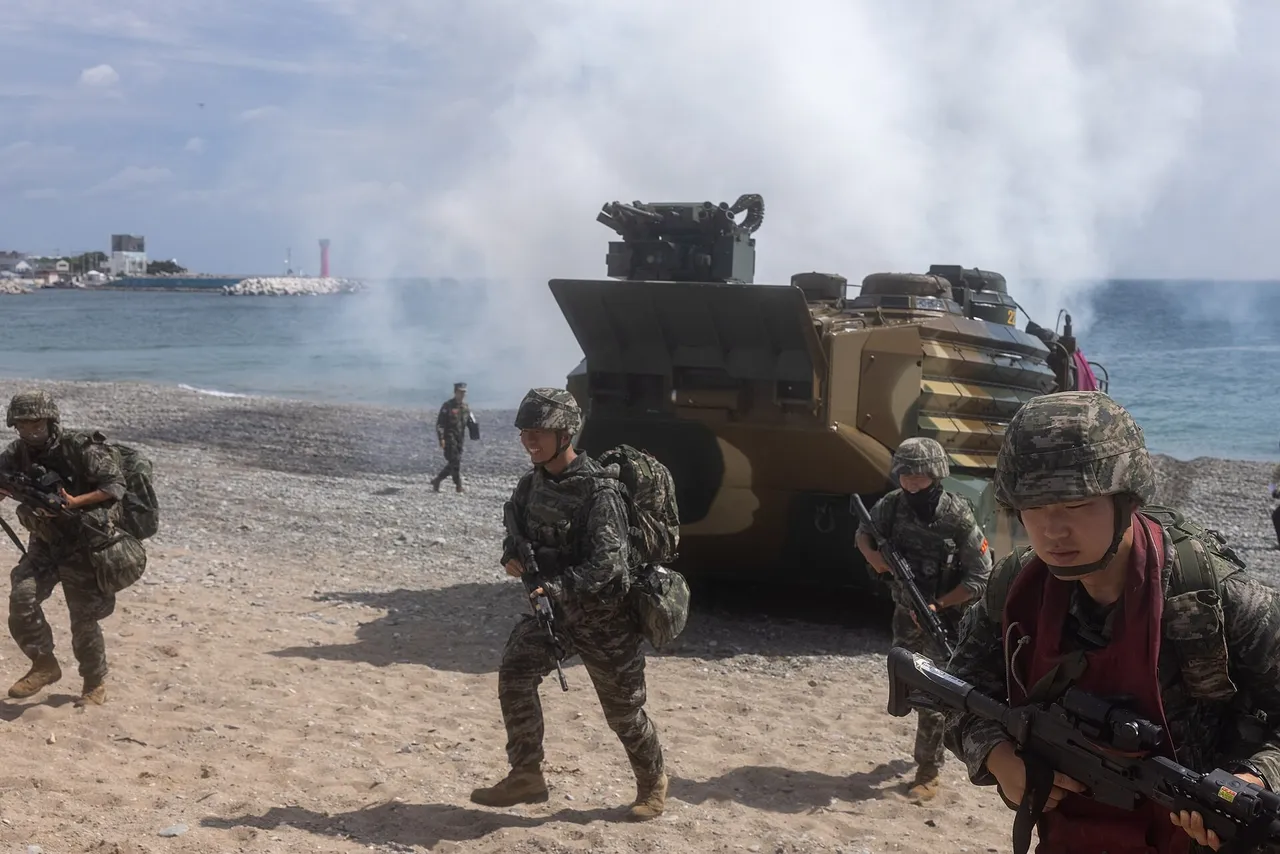
South Korean marines drill to hold the northwest islands against drone and cruise missile attacks
About 6,000 troops are rehearsing the defence of Baengnyeong and Yeonpyeong islands until 23 October, adding counter-drone cover and resupply by drone and unmanned boat.
TaiwanDefence · 3h ago · 3 min read
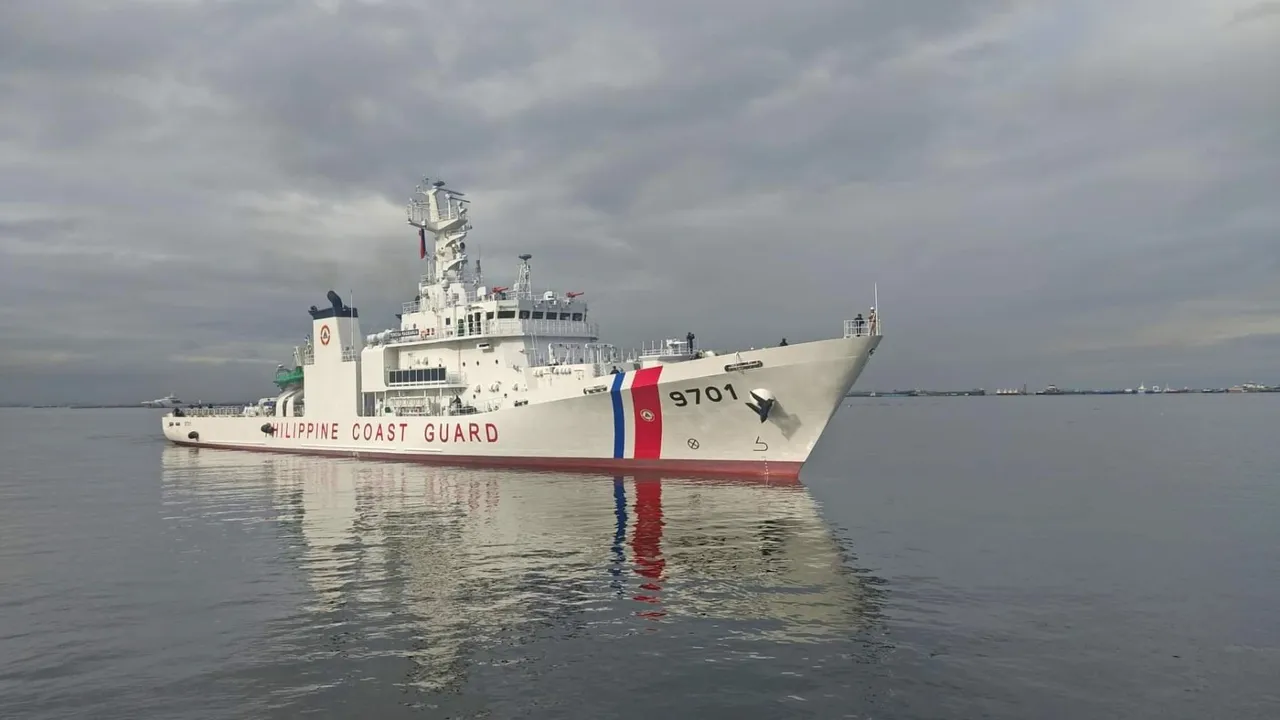
Philippines says it is exploring closer work with Taiwan to protect undersea cables
A Philippine diplomat in Washington said Manila wants practical cooperation with Taipei on cable security and grey-zone pressure in the Bashi Channel.
TaiwanDefence · 6h ago · 3 min read
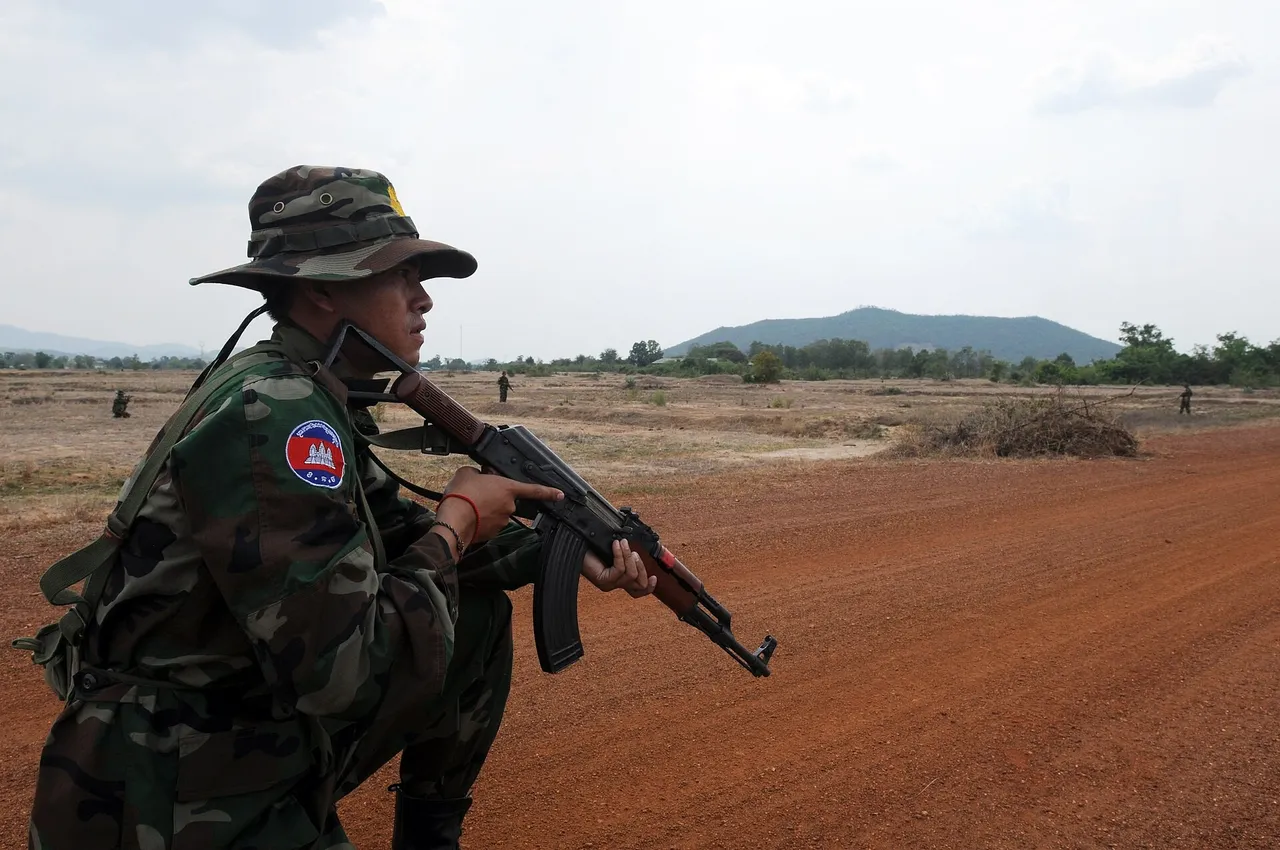
Philippine military chief visits Cambodia's Thai border front as the two armies plan wider ties
Antonio Nafarrete toured a disputed checkpoint area in Banteay Meanchey a day after Hun Manet urged navy and air force cooperation with the Philippines.
TaiwanDefence · 7h ago · 3 min read
Discussion (0)
Comments are not currently available.