
Taiwan security adviser enters US defence university hall of fame, cites multi-layered air defence push
Retired Lt Gen Liu Te-chin, the first Taiwanese at minister level so honoured, told the US National Defense University that Taiwan is building layered air defences and drones.

TAIPEI —
Liu Te-chin, a retired Taiwanese army lieutenant general who now sits on the National Security Council as an advisory member, was inducted into the International Fellows Hall of Fame of the US National Defense University on 21 October. He travelled to Washington for the ceremony and used his acceptance speech to describe Taiwan's push to build a more integrated, multi-layered air defence network and to lean more heavily on unmanned systems.
According to the three Taiwanese newspapers that reported the award, Liu is the first Taiwanese graduate of minister-level rank to receive the honour. The ceremony took place at Marshall Hall on the university's main campus in Washington, where his portrait is to hang permanently in the hall of fame gallery. He attended with his wife and daughter after receiving a letter of congratulation from the university's president, Peter Garvin.
The hall of fame recognises foreign graduates of the university who go on to reach the most senior defence or government posts in their own countries, and nominations are reviewed by the US Department of War and the State Department, the reports said. The ceremony involves the presentation of a certificate of honour and a memento, the unveiling of the inductee's portrait, and remarks by the university's president on the inductee's contribution to defence cooperation and regional security.
In his speech, Liu said the security environment around Taiwan and the wider Indo-Pacific was growing more complex, and that Taiwan had to keep strengthening both its defences and the resilience of its society. He said Taiwan was developing asymmetric capabilities in which unmanned systems play a growing role, and that it was building a highly integrated, multi-layered air defence system that combines different sensors, interceptors and emerging technologies to better protect the country and its people.
Liu added that this work depends not only on military capability but also on technological innovation, a strong defence industry and close cooperation with international partners. He described the aim as improving Taiwan's ability to defend itself, deterring aggression and contributing to peace and stability in the Taiwan Strait and the Indo-Pacific.
Liu first attended the university in 2001 as a student at the Industrial College of the Armed Forces, now called the Eisenhower School. He told the audience that his earlier education had centred on military practice, and that the course gave him his first chance to study political science, economics, national security strategy and the link between national resources and national power. He also recalled living through the 11 September attacks that year alongside classmates from many countries.
Born in 1962 in Hsinchu County, Liu graduated from the Republic of China Military Academy and later trained at the US Army Infantry School and the US Army Command and General Staff College, as well as completing a national security course at Harvard's Kennedy School, United Daily News reported. His career covered command, intelligence and military diplomacy. He served as defence attache in Singapore, commanded the Hua-Tung Defense Command and the army's Eighth Corps, headed the defence ministry's Telecommunications Development Office, and was deputy commander of the army and the ministry's inspector general.
In 2012 he became superintendent of the Military Academy, the first native-born Taiwanese and the first Hakka to hold the post, according to the same report. He retired as a lieutenant general in 2022, joined the Institute for National Defense and Security Research as a senior fellow, and was appointed deputy secretary-general of the National Security Council in 2023 before moving to his current advisory role.
Sources
More in Cross-Strait
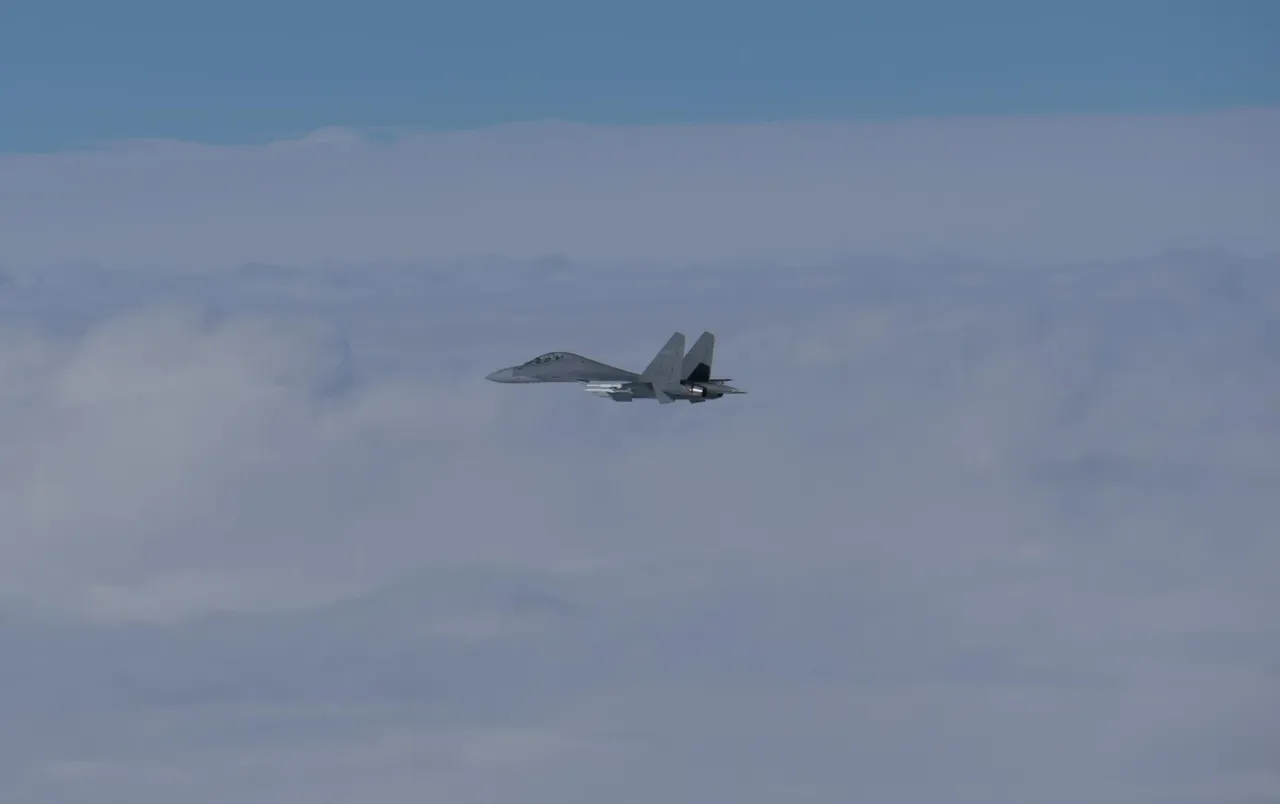
Taiwan's security bureau says Chinese warplane incursions fell sharply this year as grey-zone pressure grew
A National Security Bureau report counts more than 1,450 PLA aircraft incursions from January to September, against over 3,000 a year earlier, and 28 combat patrols.
TaiwanDefence · 17h ago · 2 min read
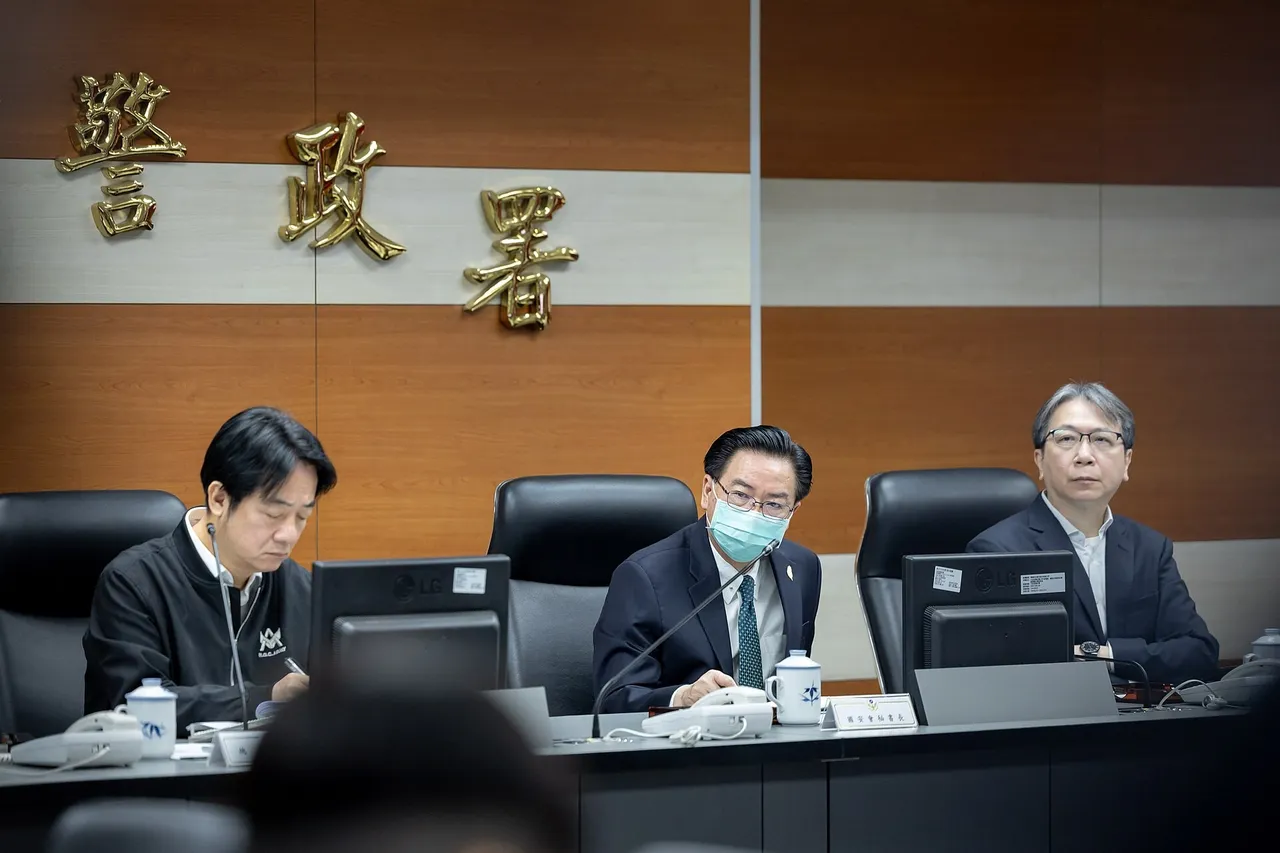
Taiwan's security bureau says China spy indictments rose from 6 in 2020 to 73 this year
A National Security Bureau report to lawmakers says Beijing keeps working to penetrate military units, while attacks on government networks topped 100 million in July.
TaiwanDefence · 1d ago · 3 min read
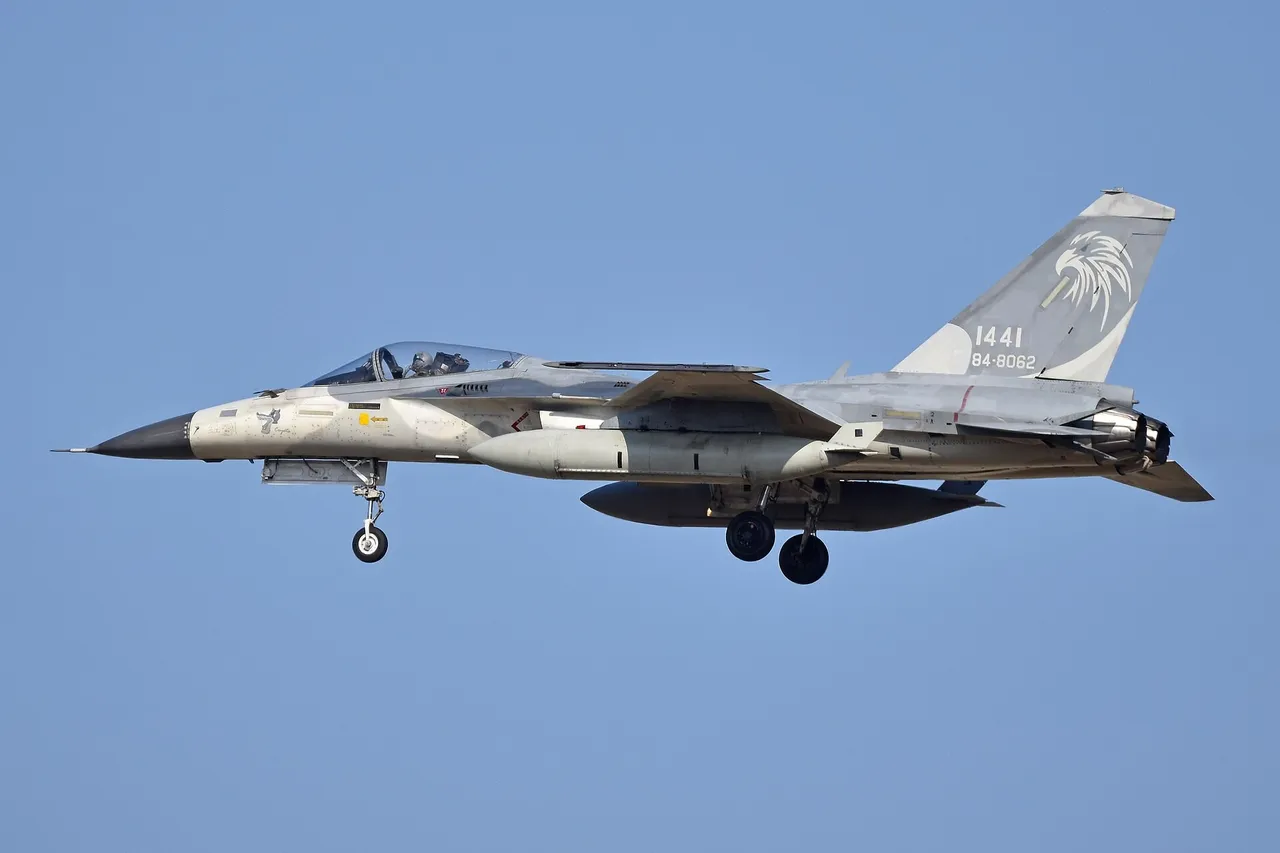
Taiwan says the counter-drone system at Ching Chuan Kang air base will be working by the end of October
Defence minister Wellington Koo told lawmakers the system had not yet been accepted when a drone shut the base for 32 minutes and diverted eight fighters.
TaiwanDefence · 1d ago · 2 min read
Discussion (0)
Comments are not currently available.