
Taiwan's Rui Yuan II maritime surveillance drone finishes its first build run as the navy plans 32
A Taiwanese contractor says it has delivered every Rui Yuan II drone under its NCSIST build contract, as the navy prepares to buy 32 of them by 2029.
TAIPEI —
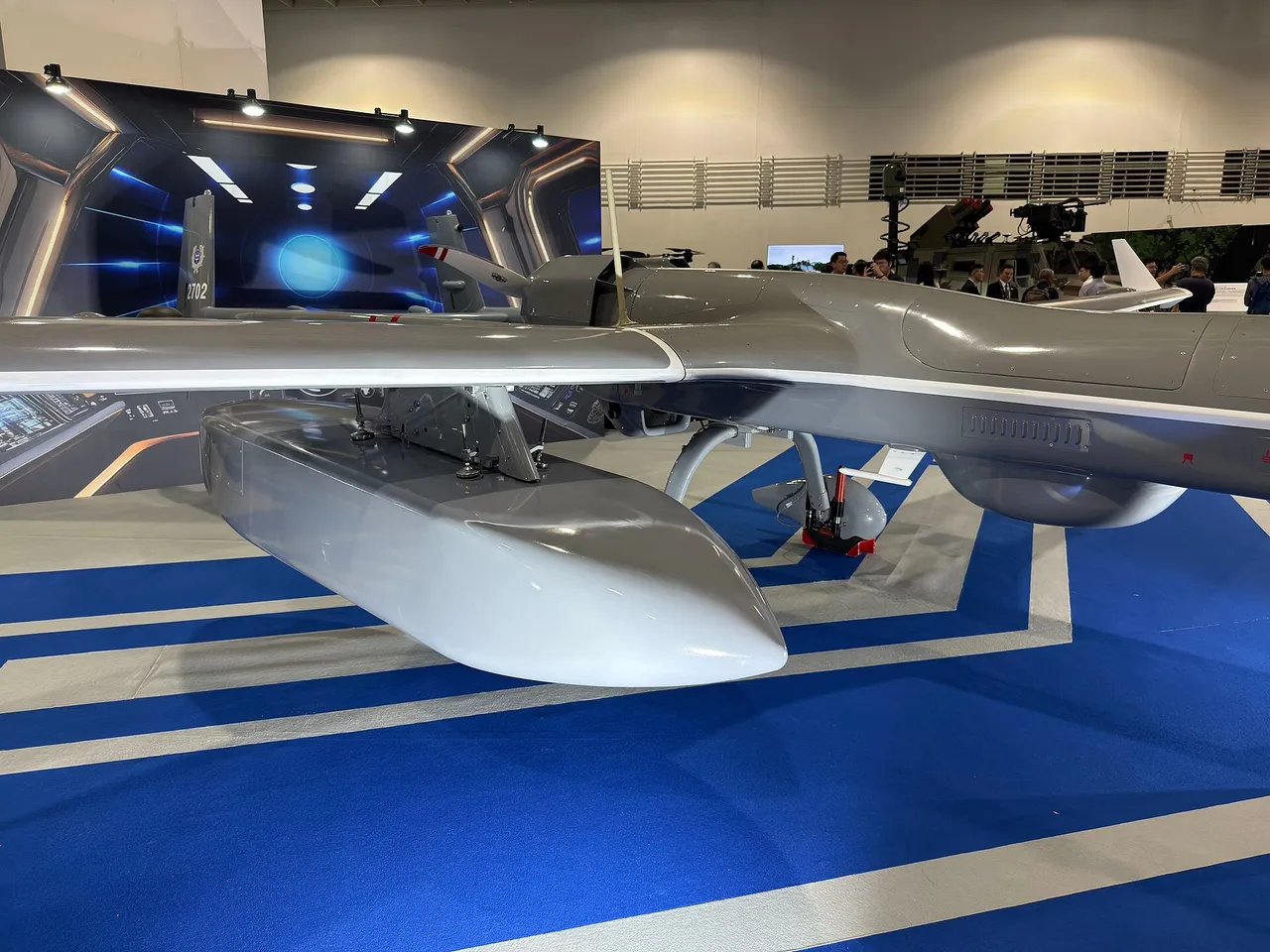
A Taiwanese contractor says it has finished delivering every Rui Yuan II drone it was hired to build for the National Chung-Shan Institute of Science and Technology (NCSIST), the military research institute that designed the aircraft, and is now preparing for the follow-on mass production run, two Taiwanese outlets reported on Thursday 22 October.
The company, a drone and aerospace composites maker listed under the stock code 7719 whose Chinese name translates as Carbon-Based Technology, took on the NCSIST build contract in 2025. According to TechNice, all of the aircraft under that contract were handed over on schedule. CM Media reported that the institute put the drone through intensive testing before the deliveries and that the mass production phase is expected to start next year. Neither report said how many aircraft the first contract covered.
The Rui Yuan II is a medium-sized unmanned aircraft. CM Media said it can stay airborne for 16 hours and be controlled at ranges beyond 300 kilometres, and that it can carry pods that drop anti-submarine sonobuoys or launch the institute's Mighty Hornet I attack drones, letting it both find and strike targets. The outlet added that the military rated the drone highly during testing, that it is meant to pair with the larger American-made MQ-9B drone in a mix of high- and low-end aircraft, and that it could act as a backup sensor for the Tien Kung III air defence missile.
The navy is the main customer. When the 2027 defence budget reached the legislature on 31 August, the Central News Agency reported that a programme kept in the classified budget the year before had been made public: 32 Rui Yuan II drones, eight control stations and 48 transport vehicles, funded at about NT$16.79 billion over 2026 to 2029 under the name of a second-generation maritime search and surveillance drone system.
The navy told the agency at the time that it needs the drones to see farther out to sea, to spot early signs of Chinese military moves against Taiwan, and to improve its ability to find, identify and mark targets so that it can strike faster. The same budget also set aside money for 280 ship-launched V-BAT drones from the American company Shield AI.
TechNice said the Rui Yuan II is designed for long-range maritime surveillance and target acquisition, and that the programme shows how NCSIST is pulling private companies into building, testing and delivering military-grade equipment. The contractor contributed its experience with aerospace-grade composite materials and military drone airframes.
The company's chairman, Chen Wen-hung, told both outlets that self-reliant defence means more than building one piece of equipment at home. In his view the point is to keep the key technology, engineers, factories and supply chains in Taiwan through repeated rounds of development and production. He said the firm's orders and project pipeline now stretch into 2027 and 2028, and that it is looking for a new factory site and planning more production equipment, staff and test capacity to meet demand for drones and drone boats at home and abroad.
The reports did not say whether the same contractor will build the 32 navy aircraft, and neither NCSIST nor the defence ministry was cited confirming the delivery or a production start date.
Sources
More in Industry
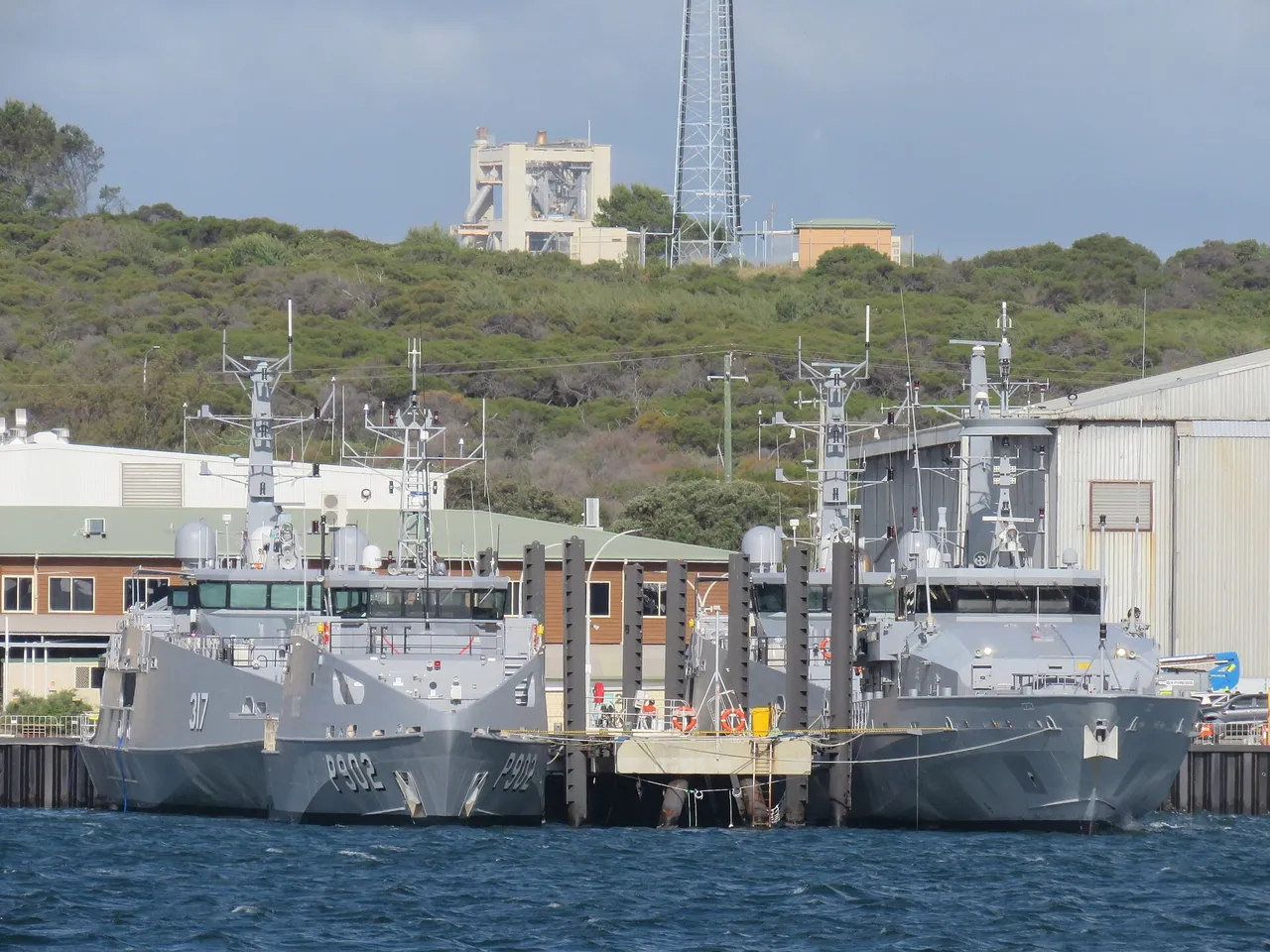
Australia lends Austal A$245m to build a yard for the army's new heavy landing craft
A state fund's loan will pay for modular build halls at Henderson in Western Australia, where Austal must deliver eight Landing Craft Heavy vessels by 2038.
TaiwanDefence · 1d ago · 3 min read
Taiwan's deputy defence minister tells US industry that resilience, not more weapons alone, is the goal
Chung Shu-ming told the US-Taiwan Defense Industry Conference that China is normalising military pressure, as a DPP lawmaker pressed for faster direct sales.
TaiwanDefence · 2d ago · 3 min read

Japan's military research fund draws a record 560 bids as more universities sign on
Japan's defence ministry picked 47 projects for 2026 from a record field, with 11 universities including Nagoya and Osaka chosen for the first time.
TaiwanDefence · 2d ago · 3 min read
Discussion (0)
Comments are not currently available.