
Taiwan's deputy defence minister tells US industry that resilience, not more weapons alone, is the goal
Chung Shu-ming told the US-Taiwan Defense Industry Conference that China is normalising military pressure, as a DPP lawmaker pressed for faster direct sales.
TAIPEI —
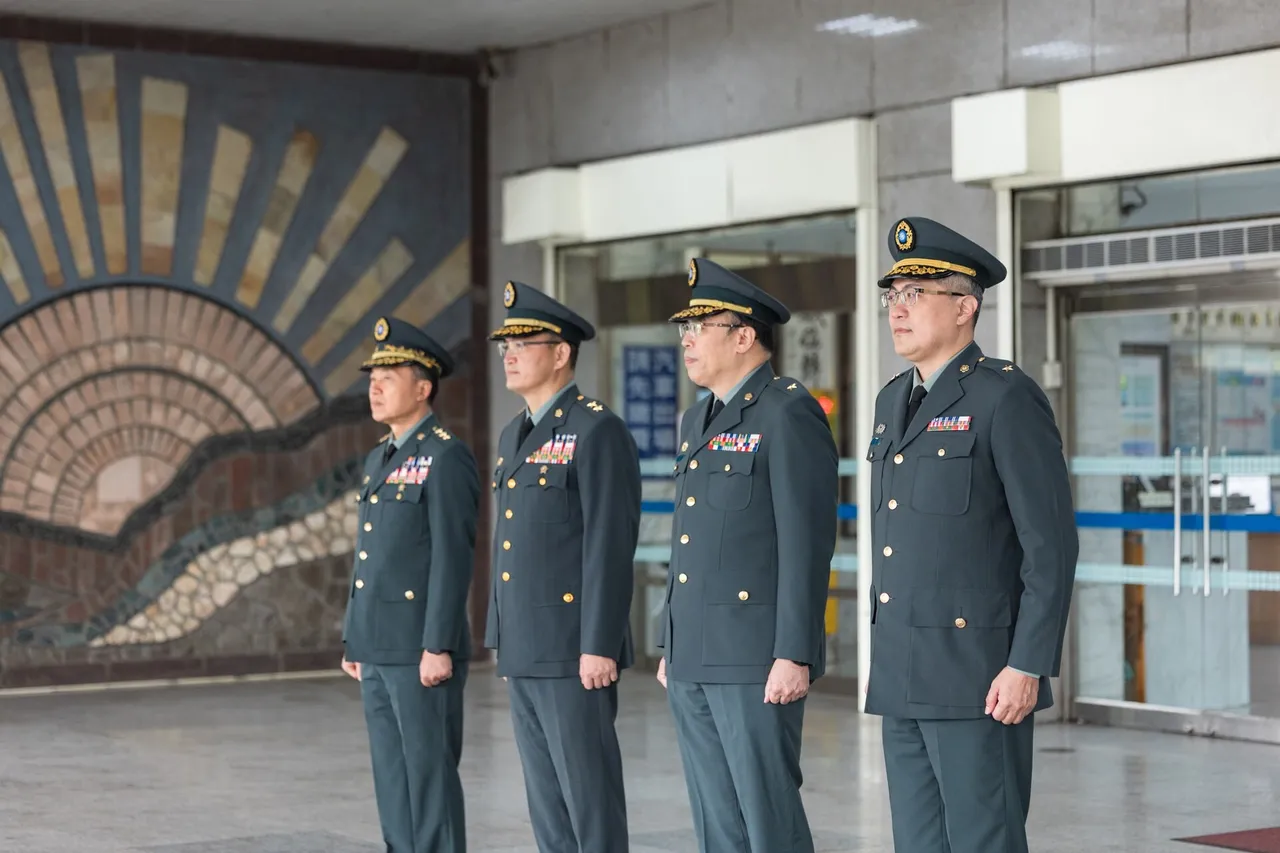
Taiwan's force building is about more than adding weapons and must deliver the ability to deny an attacker, preserve forces, mobilise quickly and sustain whole-of-society resilient defence, Deputy Defence Minister Chung Shu-ming told the US-Taiwan Defense Industry Conference in Williamsburg, Virginia, on Monday 19 October, US time, the Central News Agency reported.
Chung, the deputy minister responsible for armaments, gave a speech titled Secure Indo-Pacific, Resilient Taiwan at the annual meeting, which the US-Taiwan Business Council organises. He argued that China's threat has gradually grown into a model of multi-domain joint operations, and that Beijing uses paramilitary actions in peacetime in an effort to make its military presence around Taiwan routine.
According to the Central News Agency, Chung said that since 2024 China has sent military aircraft and warships to stage exercises encircling Taiwan while adding coast guard inspections and control measures, and that military coercion and grey-zone harassment have not eased this year. He described Beijing as pursuing global expansion through military modernisation, projecting forces into the first and second island chains and the South China Sea, and said Washington has recognised China as the only country with the economic, diplomatic, military and technological strength to seriously challenge an open international system.
Chung said Taiwan's military strategy is guided by resolute defence and multi-layered deterrence, with combat preparations aimed at multi-domain denial and resilient defence. He repeated the government's budget figures: total defence spending next year of nearly 35 billion US dollars, or about 1.1 trillion New Taiwan dollars, equal to 3.93 percent of gross domestic product, rising to more than 5 percent by 2030. The money is meant to speed up purchases of key weapons, expand domestic production capacity as quickly as possible, build supply chains free of Chinese components and develop the defence industry, he said.
Democratic Progressive Party legislator Chen Kuan-ting, a member of the Legislative Yuan's foreign affairs and national defence committee, spoke on the conference's first panel. He said the threat across the Taiwan Strait is not only full-scale war but also attrition, blockade and grey-zone coercion, and that since 2022 China has repeatedly used different events as a pretext to set new patterns of military activity around Taiwan, with coast guard and other government ships now regularly near Kinmen, Matsu and even off Taiwan's east coast.
Chen said that scrambling fighter jets every time Chinese military aircraft appear drains resources and wears down pilots, and that Taiwan is shifting towards using radar and air defence systems to track the aircraft rather than answering each move with the same response. He told the audience that some foreign military sales take years to deliver, so Taiwan is looking to direct commercial sales and to more manufacturing in Taiwan and co-production with partners such as the United States to obtain equipment faster, and he urged international firms to offer systems suited to Taiwan's needs.
Chen also called for faster procurement reform and greater use of data analysis and artificial intelligence, CNEWS reported. He pointed to a procurement information website, with English-language material, recently set up by the defence ministry's innovation office, and presented the Minxiong aerospace park in Chiayi as a drone ecosystem combining research, production and testing that is expected to attract about 100 companies.
Asked how Taiwan should balance conventional equipment against asymmetric investments, Chen said no country has unlimited defence resources, so spending must follow operational needs and measured results. He cited Ukraine's Brave1 defence innovation platform, which assesses how equipment and tactics perform with frontline units, as a model for evidence-based decisions, and suggested Taiwan explore cooperation with artificial intelligence and data firms such as Palantir.
Sources
More in Industry
Japan's military research fund draws a record 560 bids as more universities sign on
Japan's defence ministry picked 47 projects for 2026 from a record field, with 11 universities including Nagoya and Osaka chosen for the first time.
TaiwanDefence · 2h ago · 3 min read
HD Hyundai and Anduril run a 368-ton drone ship through autonomous missions off California
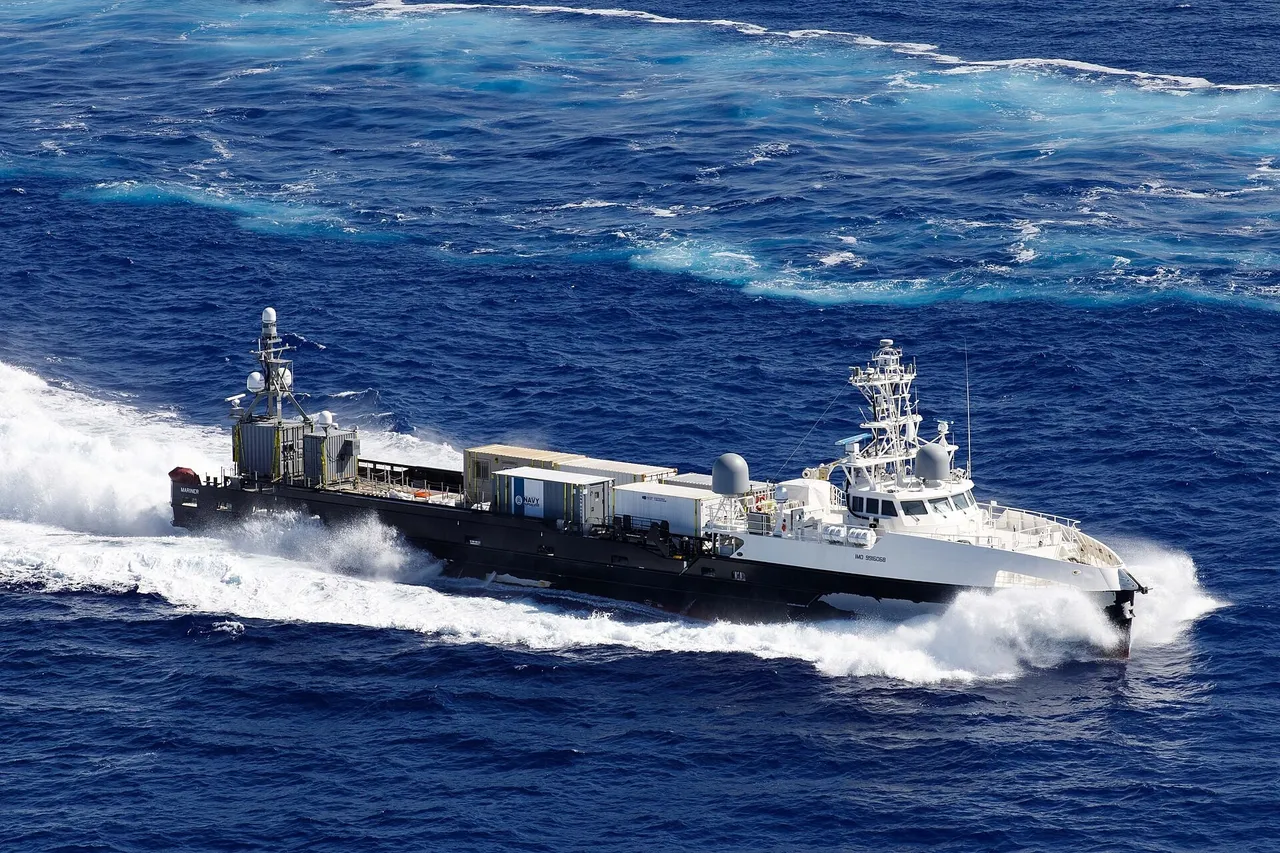
The South Korean shipbuilder says the former US Navy test vessel handled navigation, engine faults and damage control on its own as it targets US Navy programmes.
TaiwanDefence · 7h ago · 3 min read
Hyundai Rotem buys Hyundai Wia's gun business to make K2 tank main guns in-house
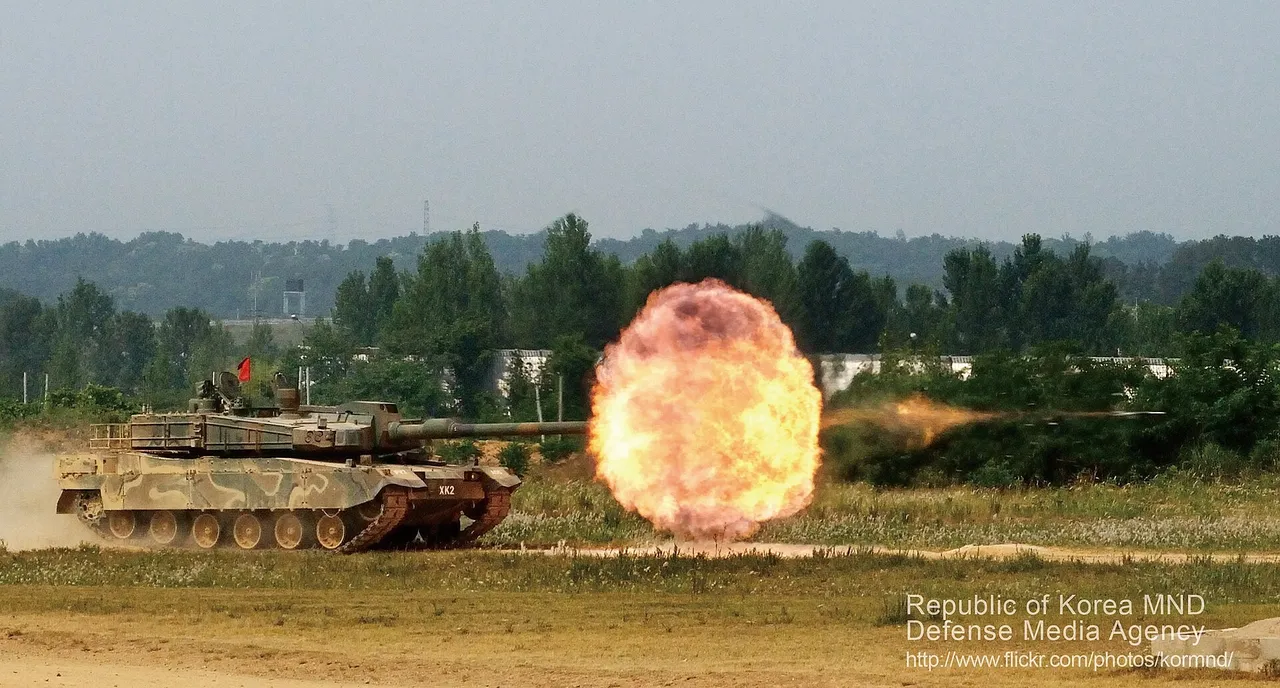
The 358.4 billion won deal puts the barrels for South Korea's K2 tanks and K9 howitzers under the tank maker as Hyundai Motor Group pulls its defence work together.
TaiwanDefence · 14h ago · 3 min read
Discussion (0)
Comments are not currently available.