
Japan's military research fund draws a record 560 bids as more universities sign on
Japan's defence ministry picked 47 projects for 2026 from a record field, with 11 universities including Nagoya and Osaka chosen for the first time.
TAIPEI —
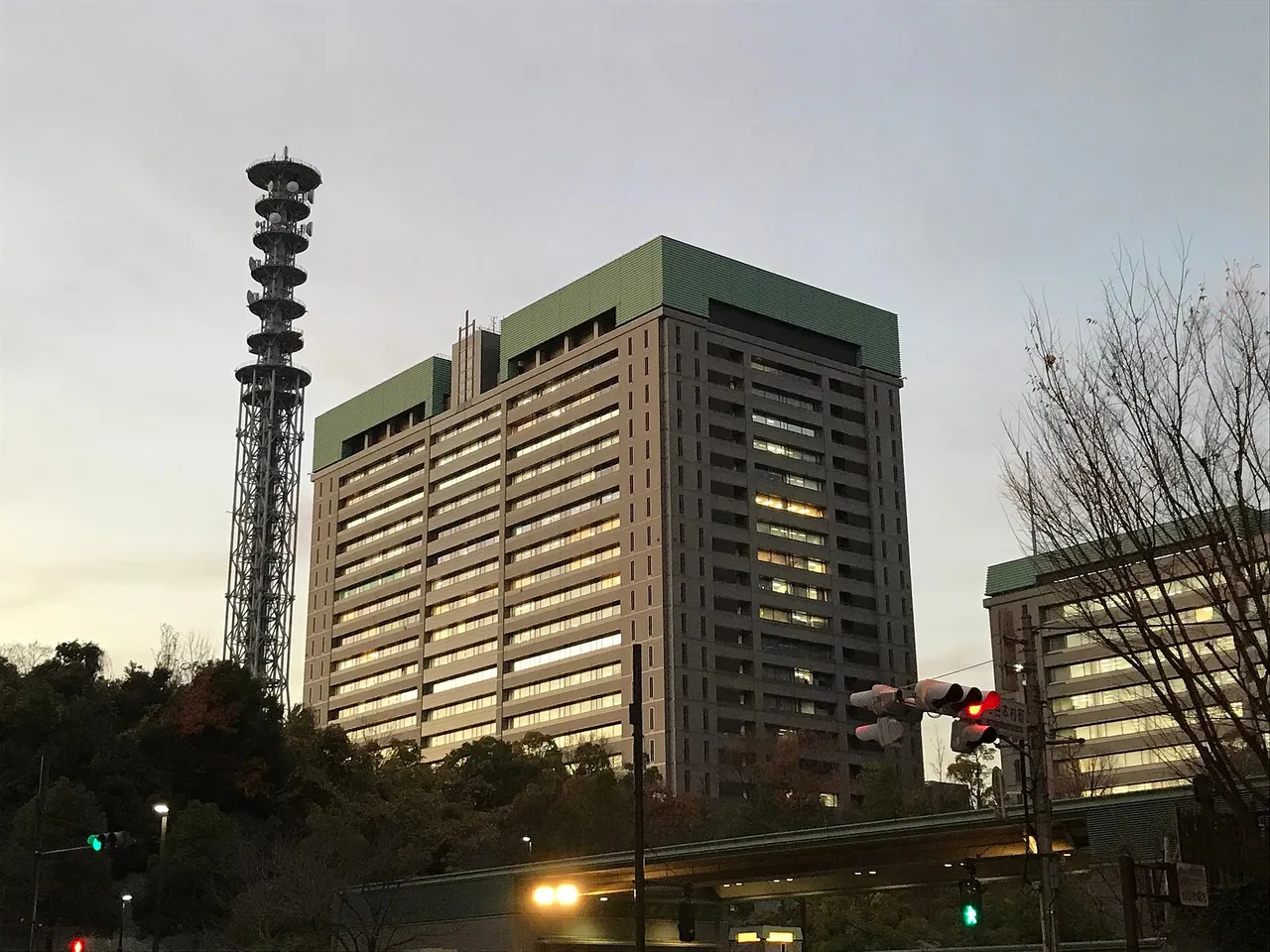
Japan's defence ministry said on Tuesday 20 October that it has selected 47 research projects for 2026 under its Security Technology Research Promotion Program, a grant scheme for basic science that could later be applied to military technology. The ministry received 560 applications this year, the most since the programme began in fiscal 2015 and a sharp rise from 340 a year earlier, Kyodo News and the Sankei Shimbun reported.
Universities and other academic institutions accounted for 291 of the applications, according to the Sankei and Kyodo reports. The Asahi Shimbun said the number of bids from universities more than doubled from the previous year and was the main reason the overall total climbed to a record.
Eleven universities won funding for the first time. The reports named Nagoya University, Osaka University and Keio University among them, while the Asahi also listed Kobe University and the Chunichi Shimbun said Gifu University and Shinshu University in central Japan were selected for the first time as well.
The Sankei said the programme's budget for fiscal 2026 is about 12.9 billion yen and that the 47 projects were chosen after a review by outside experts. Researchers based at universities lead 30 of the selected projects, public research institutes lead 11 and companies and other organisations lead the remaining six.
Defence Minister Shinjiro Koizumi told reporters after a cabinet meeting on Tuesday that the record number of applications showed that the attitude of universities and the wider academic community toward the defence field has clearly changed, the Sankei reported.
The scheme is run by the Acquisition, Technology and Logistics Agency, the ministry's procurement and research arm. It funds work in areas such as artificial intelligence, materials and medicine that has civilian uses but may one day prove useful for defence. Projects are screened by outside specialists, and funding caps depend on the research goal, with the Asahi citing limits such as 13 million yen a year or 2 billion yen over five years.
The agency says it does not interfere in the content of the research or restrict the publication of results, but the programme states openly that it hopes the findings could be used for defence, according to the Asahi. This year's call also included a newly created field covering medicine and medical engineering, the paper reported.
One of the new awards went to Nagoya University, where Professor Jun Suda of the Graduate School of Engineering proposed research on a device that generates powerful electromagnetic waves. The Chunichi Shimbun said the project was accepted into the largest funding category, capped at 2 billion yen over five years, and aims to lay the groundwork for next-generation millimetre-wave devices by precisely growing layers of crystals such as gallium nitride, the material known for its use in blue light-emitting diodes. In civilian products, the same technology could support faster, higher-capacity communications, the paper said.
The programme has long been controversial in Japanese academia. Kyodo noted that concern remains deep-rooted among scholars that the grants encourage the military use of science, even as the latest figures show participation by universities is growing.
For the defence ministry, the record field and the first-time awards to several major universities widen the pool of civilian researchers it can fund for work with possible defence uses, a change that Koizumi has now publicly welcomed while scholarly objections to the programme persist.
Sources
More in Industry
HD Hyundai and Anduril run a 368-ton drone ship through autonomous missions off California
The South Korean shipbuilder says the former US Navy test vessel handled navigation, engine faults and damage control on its own as it targets US Navy programmes.
TaiwanDefence · 6h ago · 3 min read
Hyundai Rotem buys Hyundai Wia's gun business to make K2 tank main guns in-house
The 358.4 billion won deal puts the barrels for South Korea's K2 tanks and K9 howitzers under the tank maker as Hyundai Motor Group pulls its defence work together.
TaiwanDefence · 13h ago · 3 min read
Taiwan's defence innovation office has made more than 10 purchases from civilian suppliers
Officials say the office buys small batches of mature commercial technology, from counter-drone rifle sights to civilian beach surveys, without military specs.
TaiwanDefence · 1d ago · 3 min read
Discussion (0)
Comments are not currently available.