
India's air force hands industry its drone roadmap covering 16 types of unmanned aircraft
The Indian Air Force briefed about 100 drone makers in New Delhi on what unmanned and autonomous systems it wants, pressing for home-grown engines, software and navigation.
TAIPEI —
The Indian Air Force has laid out for the country's drone industry the unmanned and autonomous systems it expects to need in the coming years, at an outreach event in New Delhi on Wednesday 21 October. About 100 representatives of drone makers, small firms and start-ups attended the session at Vigyan Bhawan, according to the defence ministry's press office.
The programme was chaired by Air Marshal Premkumar Krishnaswamy, the director general of weapon systems at Air Headquarters, and was held with Drone Federation India, an industry body. Officials from the air force and the Ministry of Defence took part. The press office said the air force explained its future requirements and distributed booklets of its Unmanned and Autonomous Systems Roadmap to industry partners.
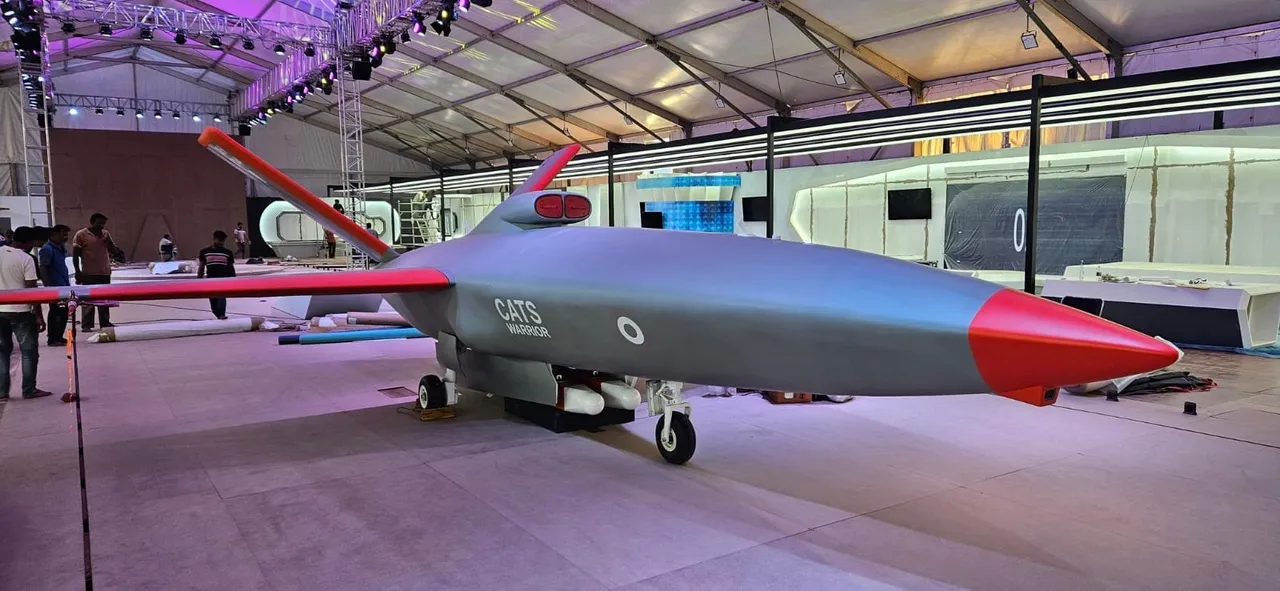
ANI reported that the roadmap sets out requirements across 16 families of unmanned platforms, grouped into four tiers: strategic, operational, tactical, and distributed or attritable systems. It singles out autonomy, teaming between crewed and uncrewed aircraft, and swarm operations as the directions that will shape future air campaigns. ANI, citing an official release, added that participants would receive a copy of the roadmap only after a vetting process that includes formal undertakings and non-disclosure agreements.
The government statement said the roadmap imagines a layered and networked family of unmanned systems built to work alongside the air force's current and future crewed aircraft. It named home-grown propulsion, autonomous software, navigation that can keep working under interference, and common technical interfaces as the critical technology areas that need focused work, so that India depends less on foreign suppliers.
Self-reliance in unmanned systems was presented at the event as an operational necessity rather than an aspiration, the press office said. Swarajya, reporting on the same session, said speakers urged that every critical component be developed inside the country, warning that reliance on imported parts could expose the force to supply disruptions.
Krishnaswamy told the gathering that the air force wants to stay at the front of unmanned aviation in India as air power shifts toward autonomy and swarms, and that stating its needs plainly should help firms focus their development and allow important technologies to be inducted on time, ANI reported. Air Vice Marshal Ashish Kumar, who handles remotely piloted operations on the air staff, said unmanned and autonomous systems are becoming central to how air operations are planned and flown.
The roadmap was first released at the air force's Dronathon 2026, a three-day event at the Pokhran range in Rajasthan that opened on 14 September. Domestic companies gave live demonstrations there of drones and counter-drone systems, including loitering munitions, expendable surveillance drones, drones with electronic warfare payloads and logistics drones, which officials said were being measured against the air force's operational requirements.
Neither the government statement nor the news reports gave any order quantities, budgets or dates for buying the systems in the roadmap. The document sets out what the air force wants industry to work on, and is not itself a procurement decision.
Sources
More in Indo-Pacific
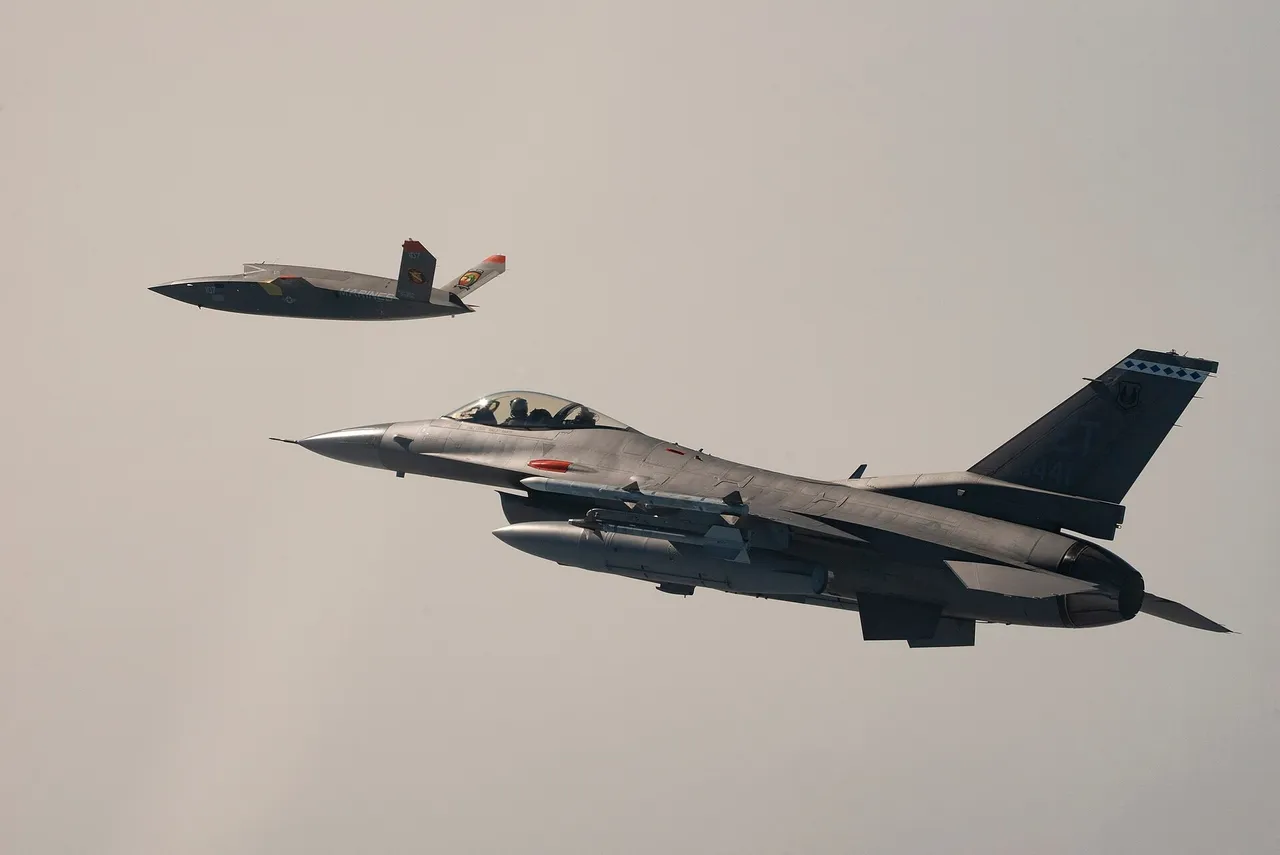
South Korean and US air force chiefs sign pact to work together on drone wingmen
The letter of intent on autonomous collaborative platforms aims to make future Korean and American manned-unmanned air forces work as one from the design stage.
TaiwanDefence · 3h ago · 3 min read
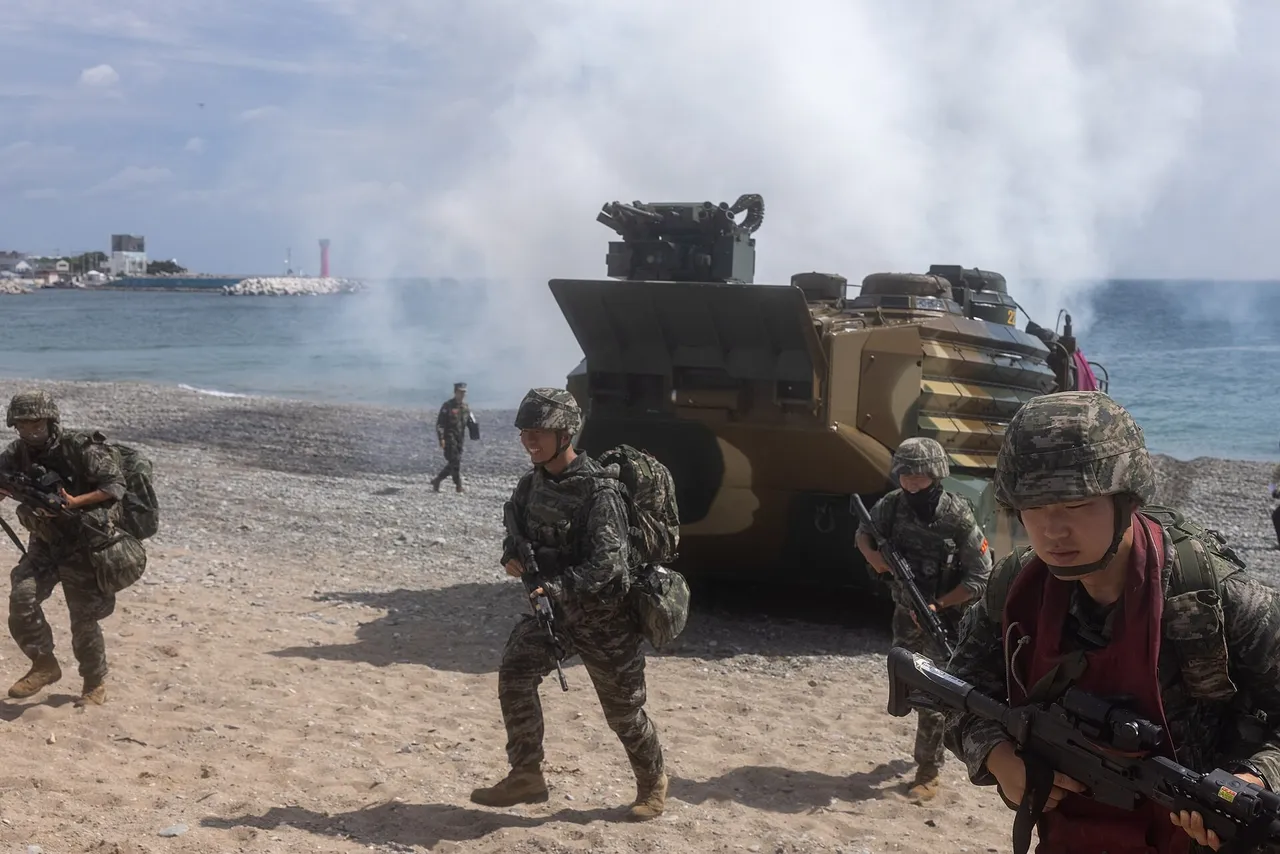
South Korean marines drill to hold the northwest islands against drone and cruise missile attacks
About 6,000 troops are rehearsing the defence of Baengnyeong and Yeonpyeong islands until 23 October, adding counter-drone cover and resupply by drone and unmanned boat.
TaiwanDefence · 5h ago · 3 min read
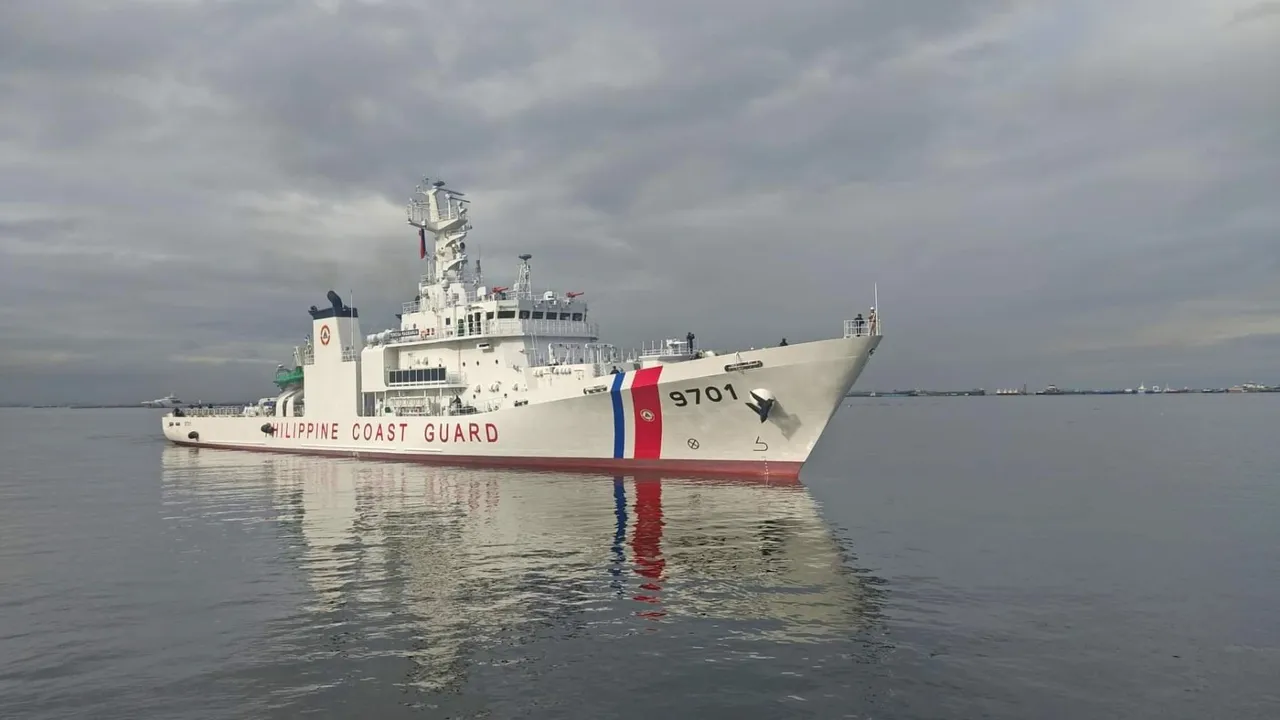
Philippines says it is exploring closer work with Taiwan to protect undersea cables
A Philippine diplomat in Washington said Manila wants practical cooperation with Taipei on cable security and grey-zone pressure in the Bashi Channel.
TaiwanDefence · 8h ago · 3 min read
Discussion (0)
Comments are not currently available.