Satellite images show eight K-8 jets at China's new Ban Keun base in Laos
Commercial imagery taken a day after Beijing opened the China-Laos training centre shows light attack jets and support vehicles on the apron while the runway is still being built, Reuters reported on Tuesday.
TAIPEI —
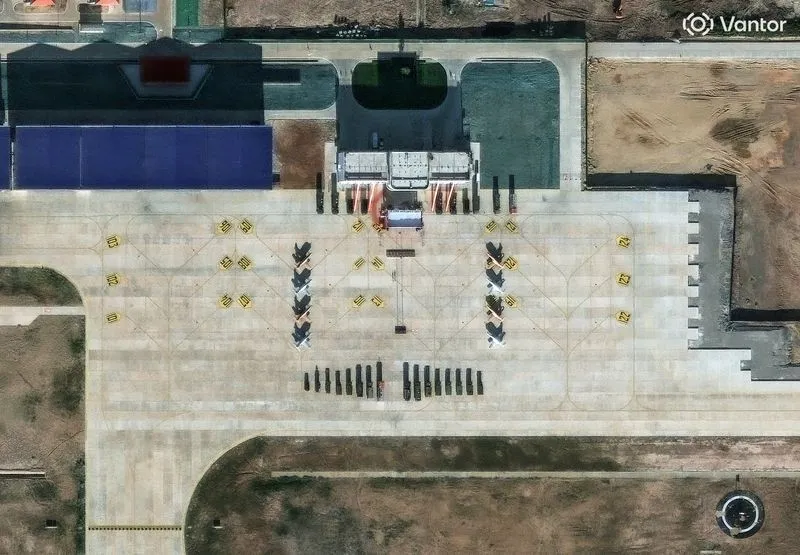
Light attack aircraft and military vehicles have appeared at the new China-Laos joint training facility at Ban Keun airport, according to commercial satellite images reported by Reuters on Tuesday, 6 October. The images, taken by the provider Vantor on 30 September, show eight aircraft that security analysts identified as K-8 jets, together with more than two dozen support vehicles, on an apron beside a runway that is still under construction.
The pictures were captured one day after China's Ministry of National Defense announced on 29 September that the China-Laos Joint Support and Training Center at Ban Keun and a China-Laos Friendship Aviation Academy had formally begun operating. Beijing has said the site, about 50km north of the Laotian capital Vientiane, will train Lao air force pilots, will be run jointly by the two militaries and is not directed against any third party.
Taiwan's Central News Agency and the China Times both carried the Reuters findings on Tuesday evening, with the China Times describing the site as widely seen as the first overseas air base of the People's Liberation Army. The images also show extensive construction work around the runway.
What the aircraft are
The Singapore-based analysts Collin Koh and Alexander Neill, along with Vantor specialists, told Reuters the planes appeared to be Hongdu JL-8 aircraft, known for export as the K-8. The two-seat jet was developed jointly by China and Pakistan, is widely used as a trainer and has a light attack capability. Both the Chinese and Lao air forces fly the type.
Laos has only four K-8s, according to the International Institute for Strategic Studies, and Koh, of the S. Rajaratnam School of International Studies, described their serviceability as questionable. Eight aircraft on the apron is therefore twice the number the Lao air force is listed as owning, although neither Reuters nor the analysts said which air force the jets in the images belong to.
Janes reported when the centre opened that Beijing and Vientiane had not disclosed how many Chinese personnel would use the facility, which aircraft and equipment would be assigned to it, its command arrangements or the terms of PLA access to the airport. China's defence ministry and the Lao government did not immediately respond to Reuters' requests for comment.
Signs analysts are watching for
Diplomats and analysts are now watching for air defences, ammunition and fuel storage and surveillance equipment, any of which would suggest the base serves military purposes beyond pilot training, Reuters reported. Neill, an adjunct fellow at the Pacific Forum in Hawaii, said the airfield appeared to have been engineered so its runway could be extended for larger aircraft, potentially including signals intelligence and electronic surveillance planes that could extend China's reach into Southeast Asia.
Rachel Vandenbrink, a senior analyst at the Australian Strategic Policy Institute, told Reuters that Ban Keun was more likely a target of opportunity than a site chosen to meet a clear operational need, while noting that Laos offers an accessible foothold in mainland Southeast Asia through its shared border with China and the railway linking the two countries.
Koh had written on 29 September that the new centre amounted to a military logistics base comparable to China's facility in Djibouti and might be the first full-fledged PLA overseas base in Southeast Asia, Kyodo News reported. Chinese military commentators cited by The China-Global South Project have said the centre could give the PLA a lasting presence in Laos and steer the Lao air force towards Chinese-made equipment.
A former US airfield
Earlier Reuters analysis of satellite imagery found that construction at Ban Keun began in late 2025 and that the airfield now has a runway of about 2,000 metres, a parallel taxiway, a large apron and a control tower. During the Vietnam War the strip was known as Lima Site 44 and was used by Air America, the airline covertly owned by the CIA, according to records cited by Reuters.
Ban Keun would join a short list of Chinese military facilities abroad beyond the South China Sea, alongside the logistics base in Djibouti and the joint support and training centre at Cambodia's Ream naval base, where Chinese navy ships continue to call.
Sources
More in Indo-Pacific
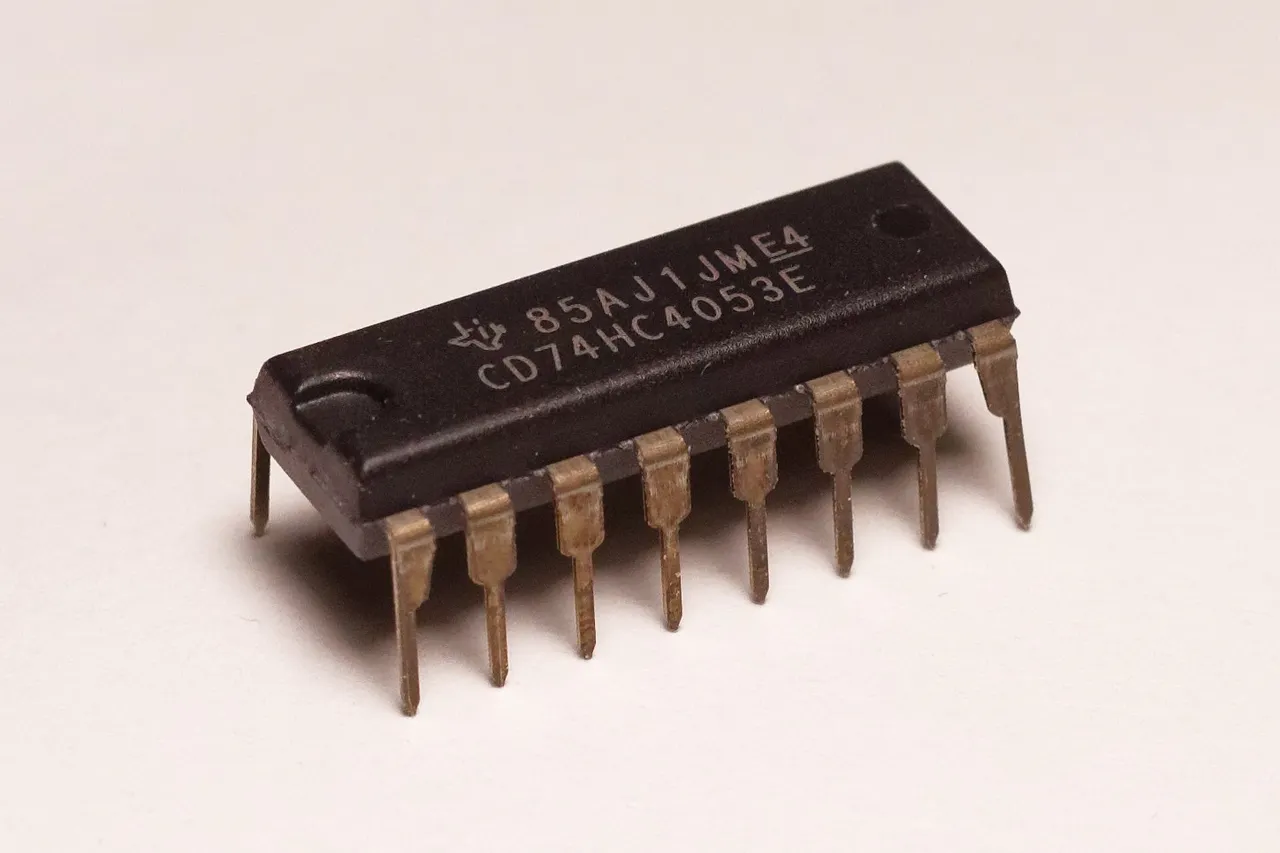
Ten indicted in Taiwan for posing as NCSIST to buy US military-grade chips for China
New Taipei prosecutors say the group forged end-user papers in the name of Taiwan's main military research institute, relabelled controlled chips as Taiwanese and shipped them to China and Hong Kong.
TaiwanDefence · 5h ago · 3 min read
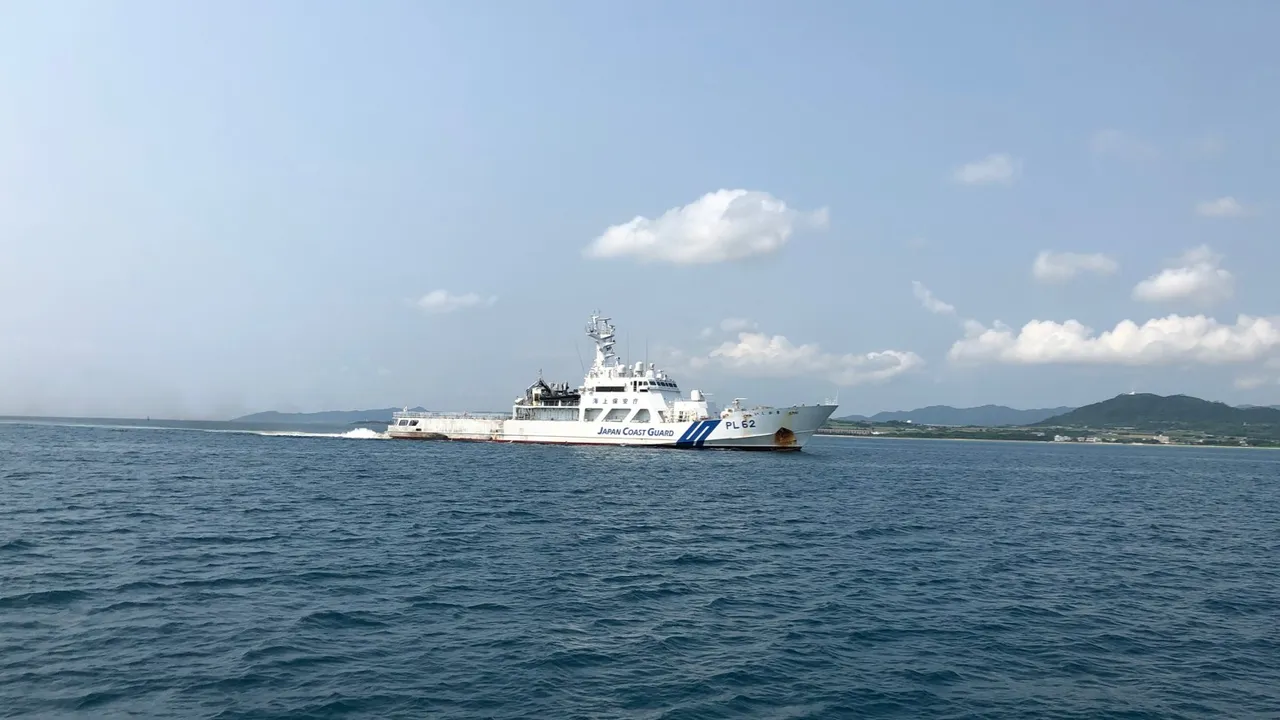
Chinese survey ship Kexue leaves Japan's EEZ off Ishigaki after coast guard warnings
Japan's coast guard says the Chinese research vessel Kexue left Japanese waters north of Ishigaki and Yonaguni after a week of unauthorised survey work, the 14th such case this year.
TaiwanDefence · 7h ago · 3 min read
Japan's defence minister to meet Okinawa governor as Marine murder case strains US basing
Shinjiro Koizumi will meet Governor Genta Koja on Wednesday on preventing a repeat after a Futenma-based US Marine was arrested over the killing of a Naha woman.
TaiwanDefence · 9h ago · 3 min read
Discussion (0)
Comments are not currently available.