
Seoul raised front-line fire readiness for DMZ mine clearance as North warns of counteraction
Army corps stayed on a heightened fire posture through the first removal of a North Korean minefield south of the border line, as Pyongyang threatened to answer any incursion.
TAIPEI —
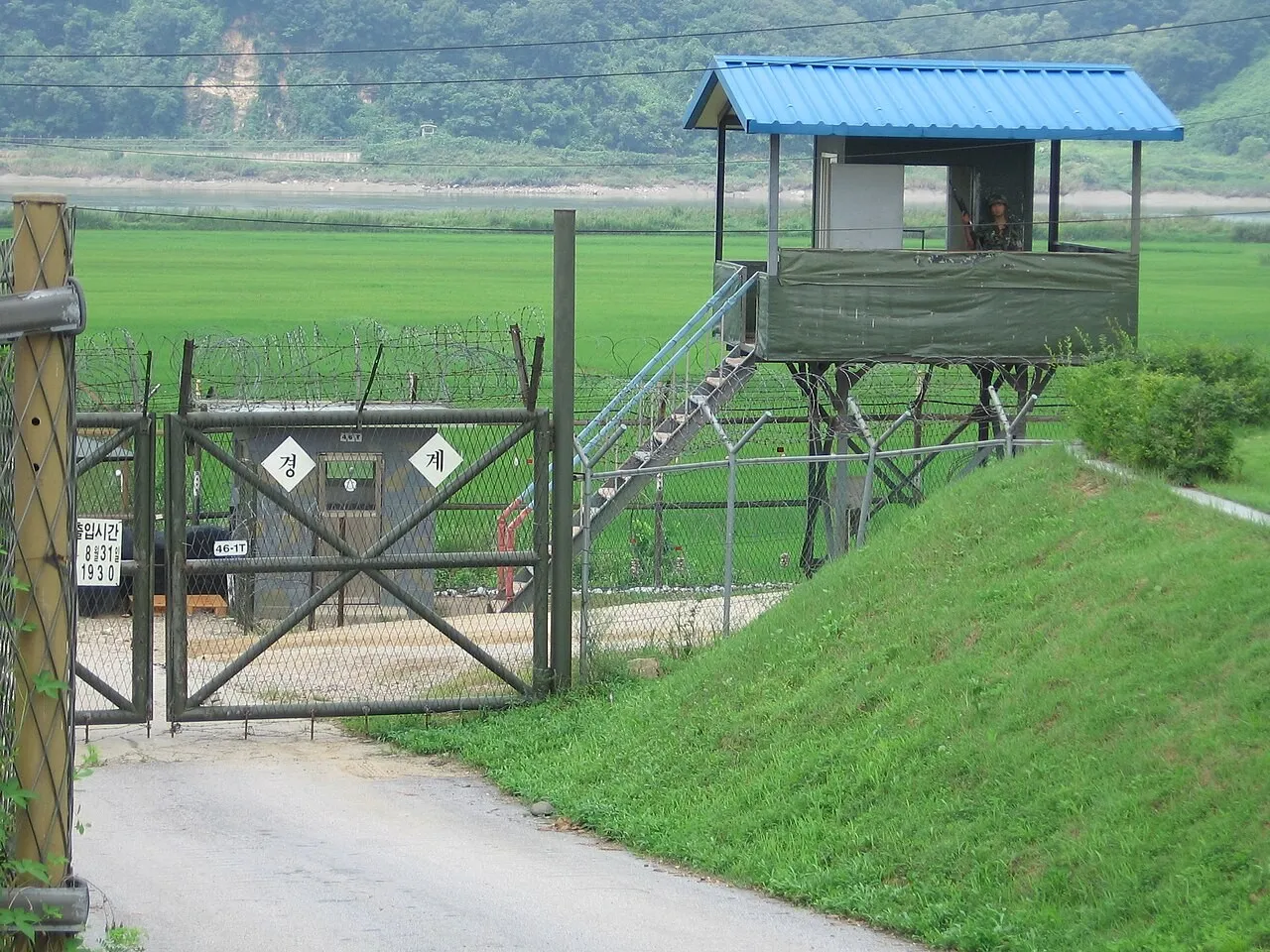
South Korea's military raised the fire readiness posture of front-line Army corps after two mine explosions in the Demilitarized Zone on 21 September and kept it in place through Monday, 5 October, when troops cleared a North Korean minefield found south of the Military Demarcation Line, the Korea Herald reported on Tuesday, citing military sources.
On the same day, North Korea's Foreign Ministry warned that its border guard forces would take immediate and powerful counteraction if South Korean troops or fire crossed even a millimetre into its territory, and rejected Seoul's finding that North Korean mines caused the blast.
A precaution during the clearance
According to the sources, the Joint Chiefs of Staff raised the corps-level posture shortly after the explosions, which injured three South Korean military personnel near the line. A military official told the newspaper that the step reflected concern that blasts and mine removal so close to what the North regards as its boundary could trigger an unexpected reaction, and that the measure was reported to Defence Minister Kang Shin-chul.
The posture is designed to shorten the time front-line forces need to respond with firepower if an enemy takes military action, placing personnel and weapons systems at a higher state of readiness. The JCS declined to confirm whether the posture had been raised or which corps were involved, citing operational security. The paper said similar steps were taken in 2022, when a North Korean ballistic missile landed south of the Northern Limit Line, and in 2024, when Pyongyang ordered front-line artillery units to prepare for fire missions.
Monday's operation, carried out in coordination with the United Nations Command, was the first time the South Korean military had physically removed a North Korean minefield south of the line, according to the Ministry of National Defense. It followed the JCS's final investigation, which concluded that North Korean troops had deliberately planted anti-personnel mines south of the line, something Seoul regards as a breach of the armistice.
Pyongyang rejects the findings
In a statement carried by the state news agency KCNA, the North Korean ministry described the investigation as a premeditated farce, denied any involvement and said it would exercise its sovereign rights in a more resolute and bold manner to secure the border. It said it would pay no attention to the South's mine-clearing work but would hold Seoul entirely responsible if a similar incident happened again, and ruled out negotiating with the South over its military activity inside its own territory.
The statement followed comments on 2 October by Kim Yo Jong, the sister of leader Kim Jong Un, who also rejected Seoul's demand for an apology. Seoul has said North Korea deployed up to 7,000 workers this year to lay mines and build fences as part of border fortification work under way since 2024.
Criticism at home
Kang on Tuesday rejected criticism that Seoul's response had been passive or defensive, describing the mine removal as a resolute step and the first case of its kind in the history of the DMZ. He told reporters the military would respond decisively to any threat but did not detail further measures. A Defence Ministry official said resuming loudspeaker broadcasts, the response Seoul chose after a 2015 mine attack wounded two soldiers, was not among the measures adopted, citing doubts about effectiveness and the burden on residents near the border.
Unification Minister Chung Dong-young has proposed that the two Koreas meet to settle discrepancies over where the line runs, citing fading markers. Of the 1,292 signs installed after the 1953 armistice, only about 200 remain intact, Yonhap reported, and a defence ministry official said a military task force launched this year has been discussing the line with the UNC.
Taken together, the disclosure and the North's warning show Seoul treating even a demining job on its own side of the line as an operation with escalation risk, while choosing to keep its visible response limited to the clearance itself.
Sources
More in Indo-Pacific
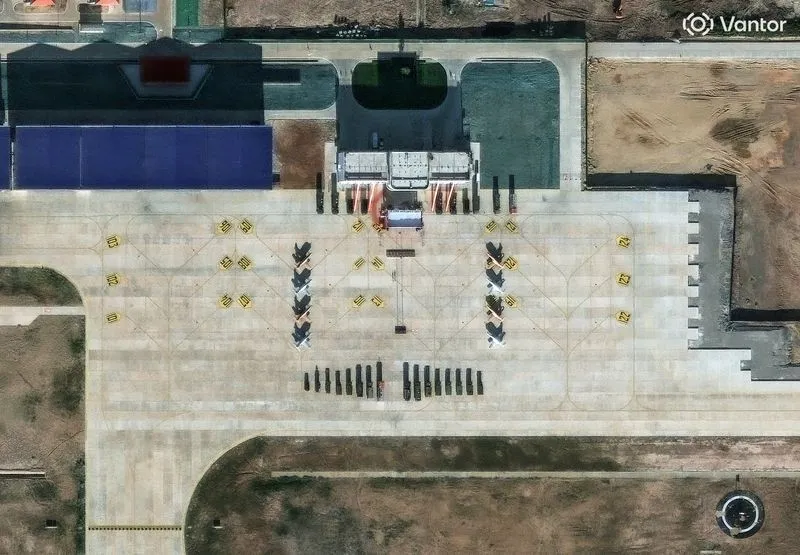
Satellite images show eight K-8 jets at China's new Ban Keun base in Laos
Commercial imagery taken a day after Beijing opened the China-Laos training centre shows light attack jets and support vehicles on the apron while the runway is still being built, Reuters reported on Tuesday.
TaiwanDefence · 4h ago · 3 min read
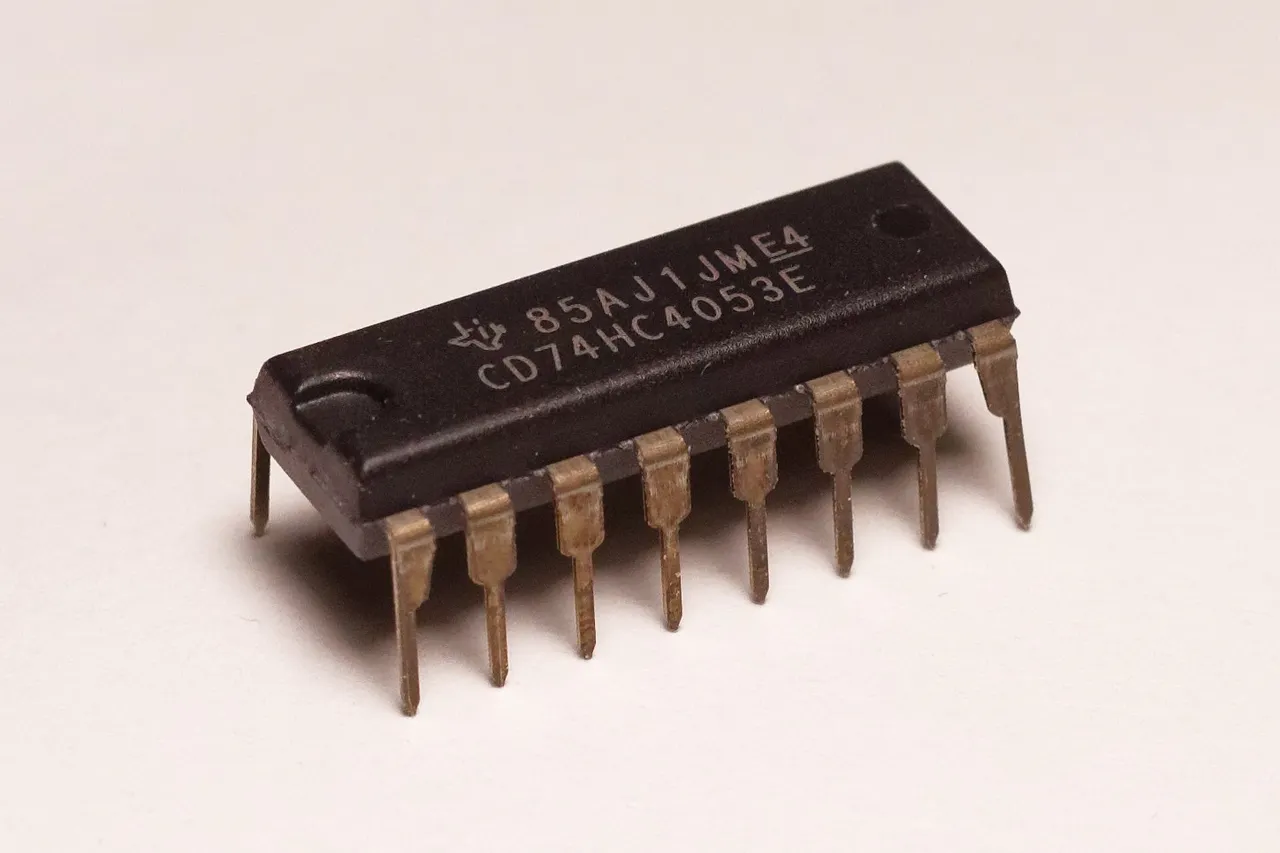
Ten indicted in Taiwan for posing as NCSIST to buy US military-grade chips for China
New Taipei prosecutors say the group forged end-user papers in the name of Taiwan's main military research institute, relabelled controlled chips as Taiwanese and shipped them to China and Hong Kong.
TaiwanDefence · 9h ago · 3 min read
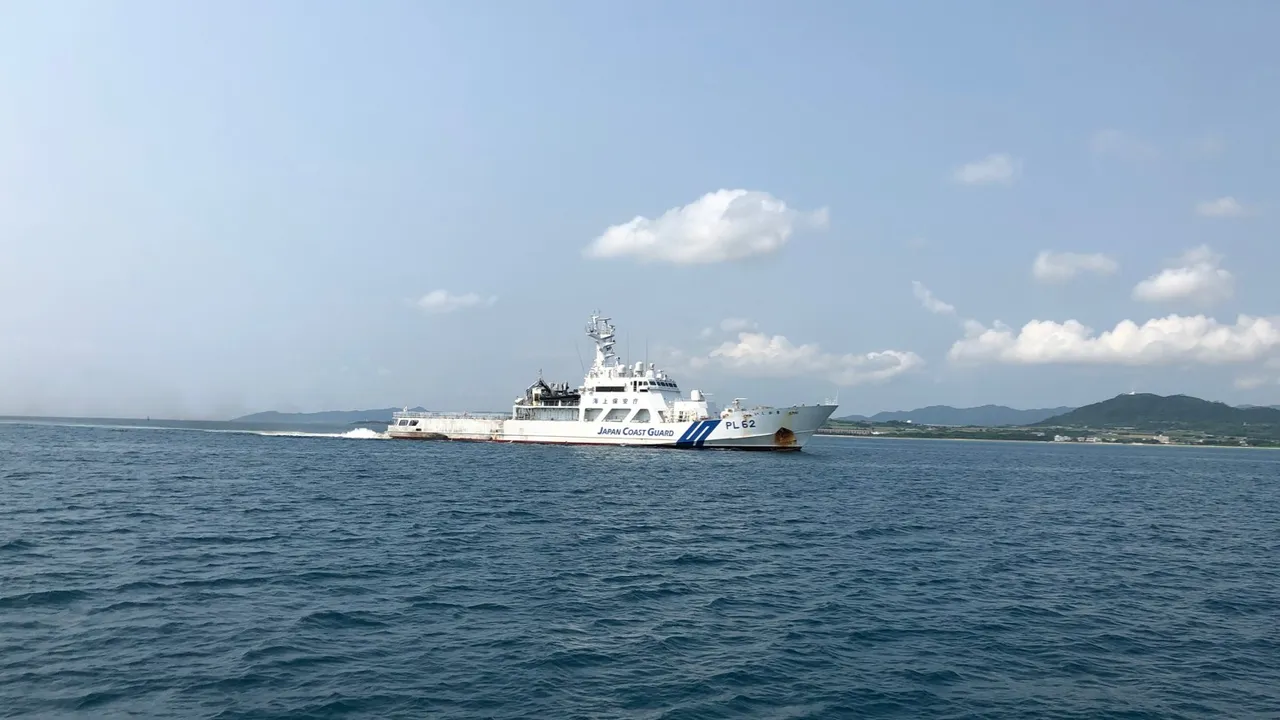
Chinese survey ship Kexue leaves Japan's EEZ off Ishigaki after coast guard warnings
Japan's coast guard says the Chinese research vessel Kexue left Japanese waters north of Ishigaki and Yonaguni after a week of unauthorised survey work, the 14th such case this year.
TaiwanDefence · 11h ago · 3 min read
Discussion (0)
Comments are not currently available.