
South Korea again asks North Korea for military talks to fix the border line and prevent clashes
Seoul's defence ministry wants to settle where the demarcation line runs, restore military hotlines and avoid accidental clashes, nearly a year after its first offer went unanswered.
TAIPEI —
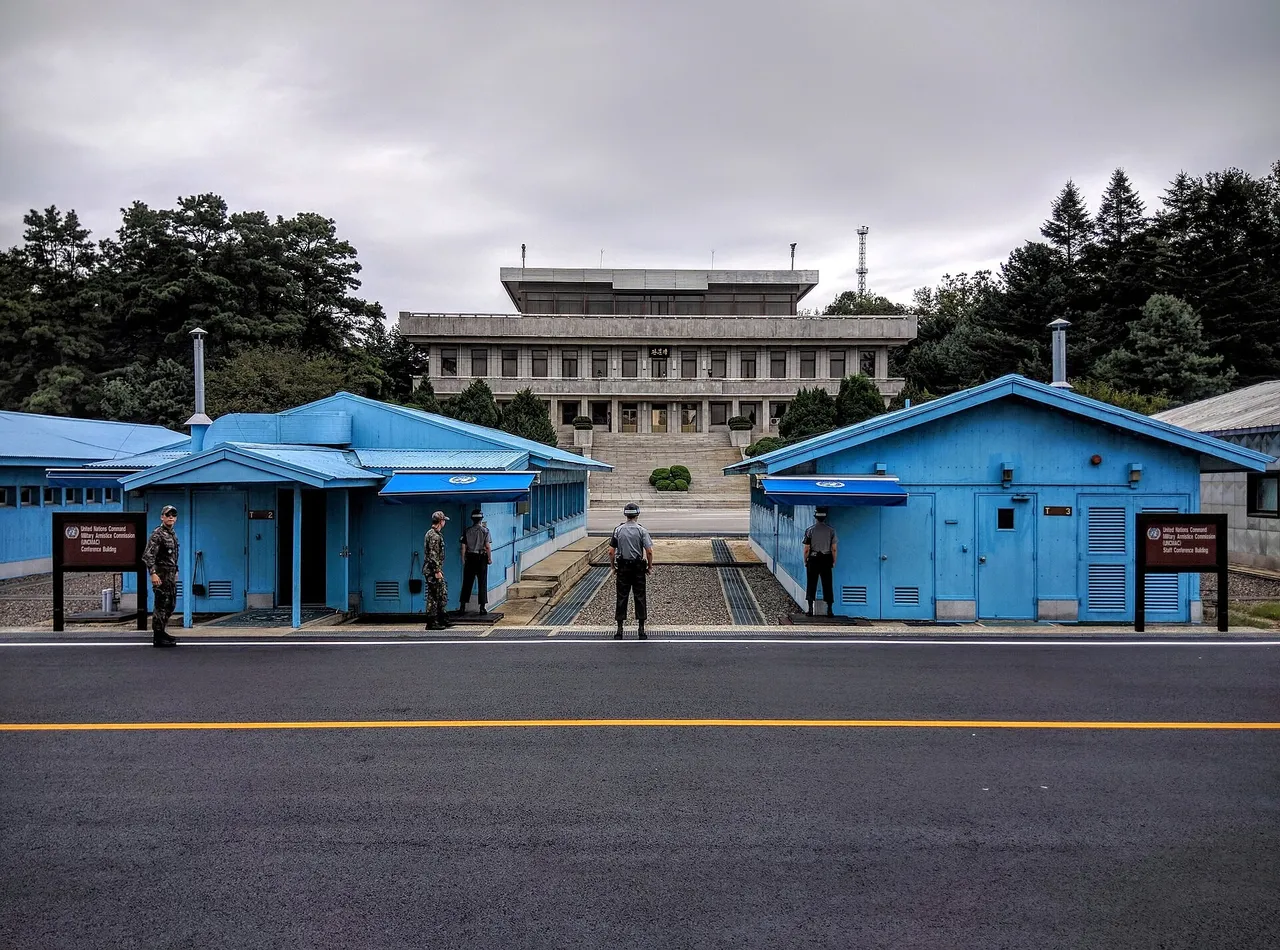
South Korea's defence ministry formally proposed military talks with North Korea on 23 October to confirm exactly where the land Military Demarcation Line runs, restore military communication lines and agree on ways to prevent accidental clashes along the border. Kim Hong-cheol, the ministry's director of defence policy, made the offer in a statement at the ministry in Yongsan, Seoul.
Kim said three-way talks that also include the US-led United Nations Command were possible if needed, and that the date, venue and other details could be worked out through the truce village of Panmunjom. He said the ministry hoped for a positive response from the North.
The ministry tied the offer to North Korean work along the line. Kim said South Korea had for several years been watching North Korean troops build tactical roads and fences and lay mines near the demarcation line, and cross it in the process. He said a mine exploded during a South Korean search operation in the western sector of the Demilitarized Zone on 21 September, wounding South Korean soldiers, and that a military investigation had linked the blast to mines the North planted south of the line. The Chosun Ilbo put the number of wounded at three.
Kim warned that if the situation were left alone, it was hard to predict what might happen next, and that any damage would not fall on one side only. He said the two sides still read parts of the line differently, and that without special measures soldiers on each side would keep operating according to their own understanding of it, which raises the chance of an accidental clash. He linked that gap to a recent rise in North Korean activity near the line and in South Korean warning broadcasts and warning shots.
This is the second such offer. The ministry first proposed military talks on the line on 17 November 2025, in what was the first formal offer of talks to the North under President Lee Jae-myung's government. Kim said the North had not responded, and the Chosun Ilbo reported that Pyongyang has given no reaction in almost a year. The last inter-Korean general-level military talks were held in 2018.
The renewed offer comes as South Korean estimates of North Korean mine-laying grow. The Chosun Ilbo reported that the North has planted about 960,000 mines since 2024 on its side of the zone and even south of the line, and said Pyongyang has kept up threatening statements, including over loudspeaker broadcasts, without expressing regret for the blast.
The confusion over the border dates to the 1953 armistice. The two sides installed 1,292 marker posts along the line after the ceasefire, but repair work stopped after North Korean troops fired on a United Nations Command maintenance crew in 1973, and many posts have since been lost. The Hankyoreh reported that only about 200 can still be identified along the roughly 249-kilometre line.
Different sides also draw the line from different references. SBS reported in early October that the South Korean military uses a 2004 map line produced by the US National Geospatial-Intelligence Agency, while the United Nations Command uses coordinates from its own 2016 project, and North Korea is believed to rely on lines drawn between the surviving markers. The Joint Chiefs of Staff has run a task force with the command since early 2026 to narrow the gap between the South Korean and command versions, the report said.
Sources
More in Indo-Pacific
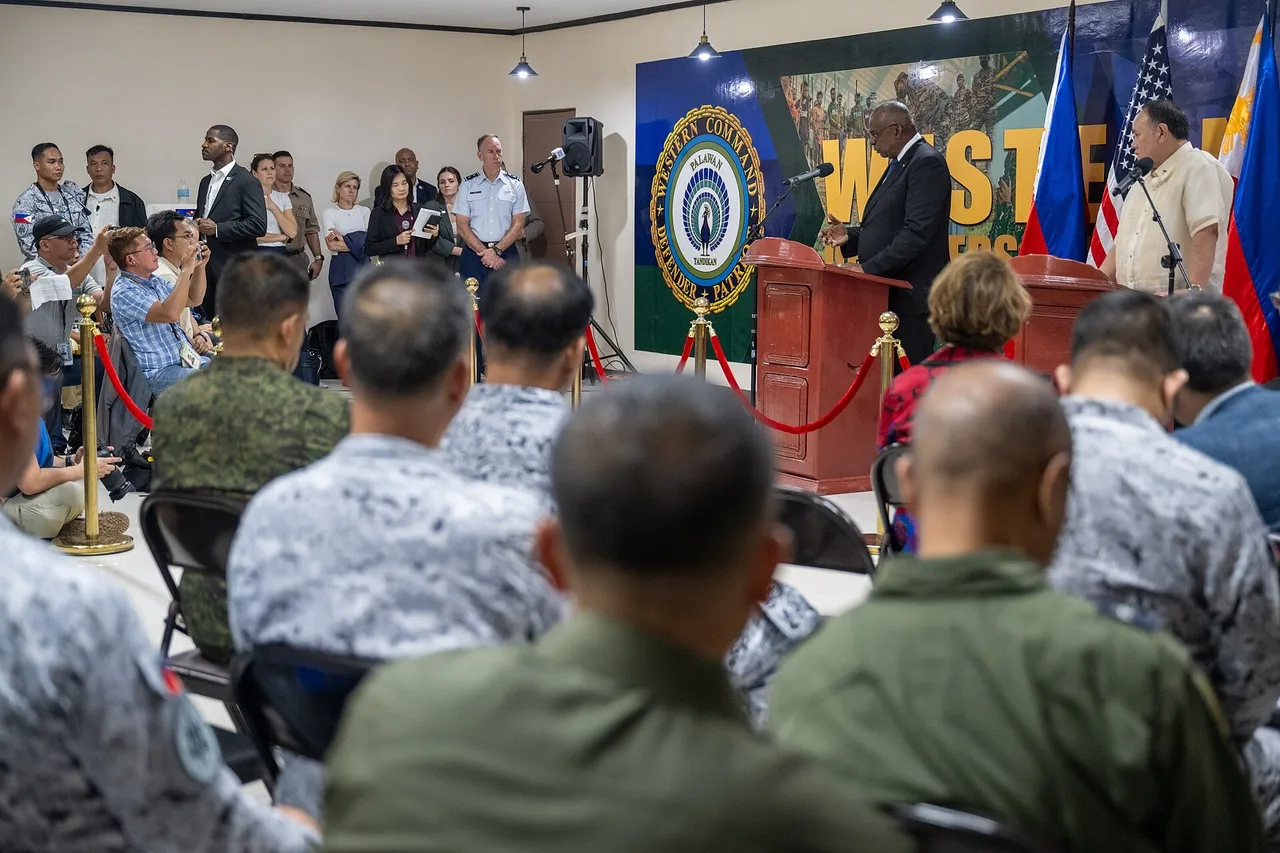
Philippine defence chief says any forced Chinese towing of BRP Sierra Madre would be an act of war
Gilberto Teodoro answered a Manila Chinese-language paper's report that Beijing is weighing 10 countermeasures, including removing the grounded outpost ship.
TaiwanDefence · 8m ago · 3 min read
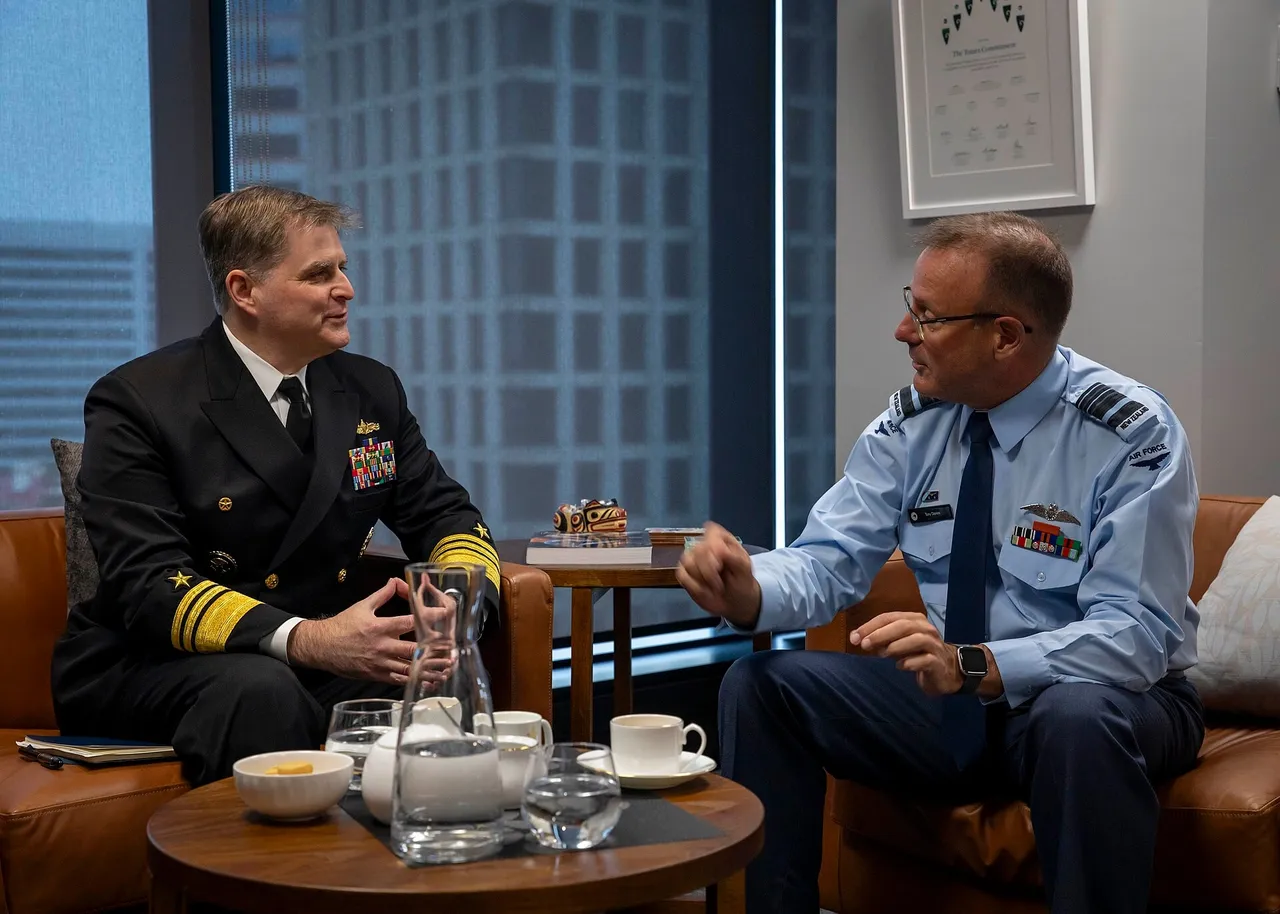
New Zealand's defence force chief resigns over a relationship he failed to disclose
Air Marshal Tony Davies quit with immediate effect after admitting an inappropriate relationship while in unit command; the Inspector-General of Defence will look into it.
TaiwanDefence · 3h ago · 2 min read
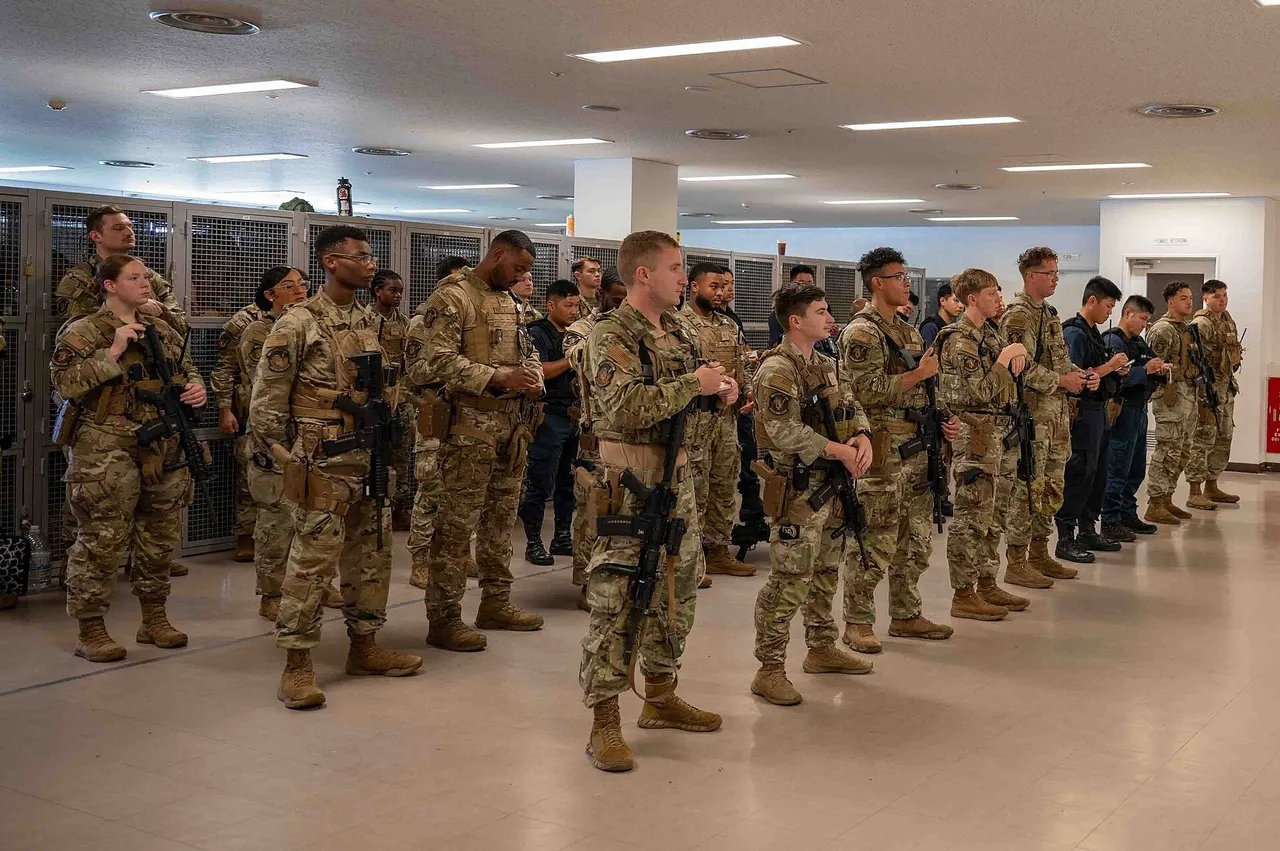
US Air Force bars all BYD vehicles from Kadena Air Base over data-leak fears
Kadena's security forces will turn away every BYD car, taxi and delivery van from 26 October, South Korean media report, citing a US Forces Japan official.
TaiwanDefence · 5h ago · 3 min read
Discussion (0)
Comments are not currently available.