
US Air Force bars all BYD vehicles from Kadena Air Base over data-leak fears
Kadena's security forces will turn away every BYD car, taxi and delivery van from 26 October, South Korean media report, citing a US Forces Japan official.
TAIPEI —
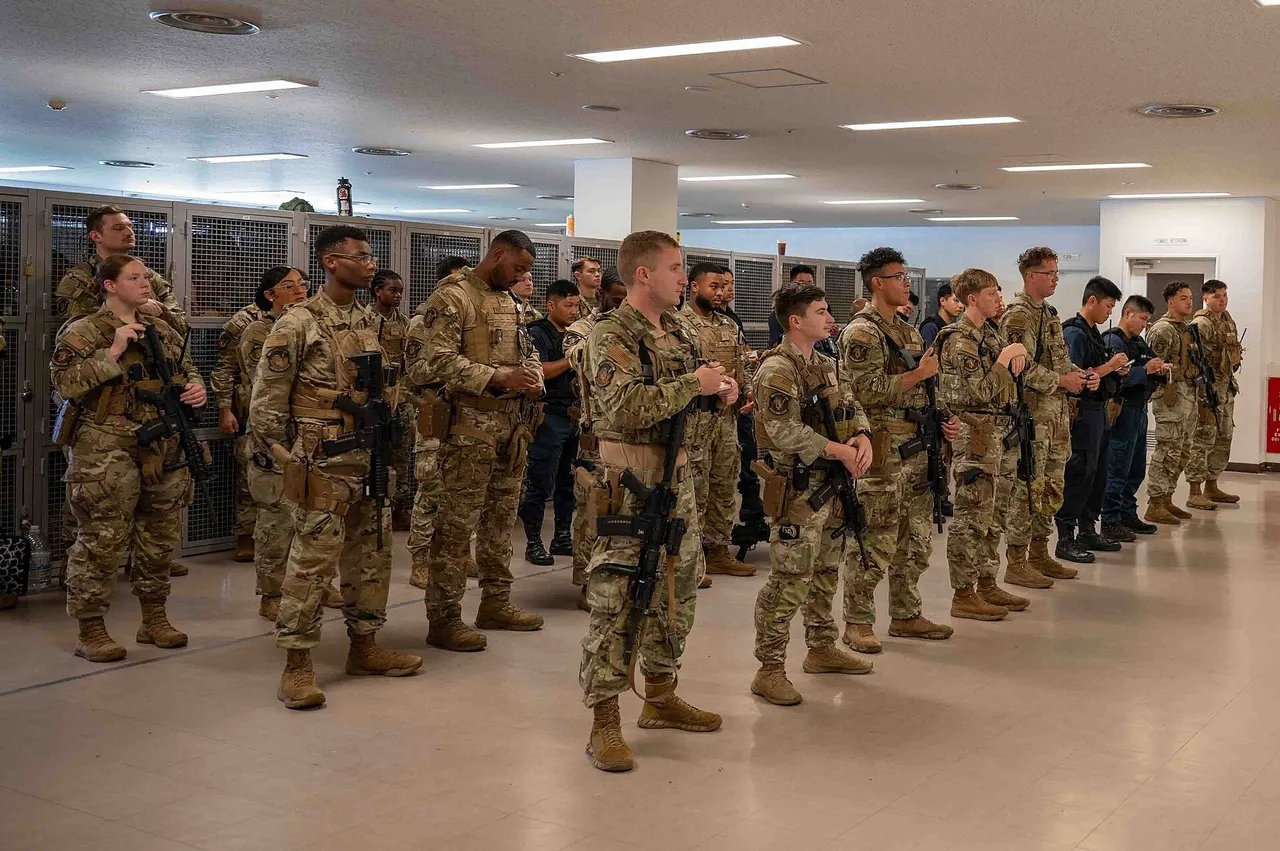
Kadena Air Base in Okinawa, the largest US Air Force installation outside the United States, will stop letting vehicles made by the Chinese electric carmaker BYD through its gates from Monday, 26 October. South Korean media reported the decision on 23 October, citing a US Forces Japan official. The ban covers privately owned cars, contractor vehicles, taxis, delivery vans and commercial vehicles alike, and the base has said it will make no exceptions.
Enforcement falls to the 18th Security Forces Squadron, the unit that guards the base's key assets and keeps order on the installation. Its airmen will stop BYD vehicles at every entrance and tell drivers to turn around, SBS reported. The Herald Business said the order was announced by the base itself, while Maeil Business Newspaper, citing Yonhap News Agency, stressed that the measure confirmed so far applies only to Kadena.
The reports link the decision to worries that modern electric cars can act as mobile collection devices. Software-defined vehicles rely on cameras and sensors that scan their surroundings, and models with real-time cloud links or remote-control functions could pass what they record to outside servers. According to the reports, the aim is to keep details of base operations, and of the fighters, transport aircraft, radars and munitions of the 18th Wing of the US Fifth Air Force, from leaking that way.
Kadena is a central hub for US forces in the western Pacific. The outlets describe its missions as including the defence of Japan and deterrence of North Korea, China and Russia. SBS called it a core hub for the US Pacific security front.
The move follows a Pentagon decision in June to add BYD to its Section 1260H list of companies it considers Chinese military companies operating directly or indirectly in the United States. That update named 188 entities, including the technology groups Alibaba and Baidu. Maeil Business Newspaper noted that a listing does not by itself ban the use of a company's products, which is why the Kadena order is a separate step.
US forces have restricted Chinese technology at their bases before. In 2018 the Pentagon banned the sale and use of smartphones made by Huawei and ZTE at base exchanges worldwide, and it also limits Huawei telecommunications equipment near military facilities and overseas camps. Aju Press described the BYD order as an extension of those controls from phones and network gear to cars.
The ban may not stay at Kadena. SBS and The Herald Business reported speculation within US Forces Japan that it could be applied to other major bases such as Marine Corps Air Station Futenma, also on Okinawa, and to US Forces Korea installations in South Korea. Maeil Business Newspaper said no wider rollout had been confirmed. The question matters in South Korea, where Aju Press said Chinese-made cars, including Teslas built in China, became the largest source of imported new car registrations in the first half of this year.
BYD has been pushing into Japan with models tailored to local demand and a growing network of showrooms, the reports said. Tokyo has meanwhile tightened its own scrutiny of Chinese information technology equipment and cloud and data centre services. Relations between Japan and China worsened after Prime Minister Sanae Takaichi suggested last November that Japan could intervene in a Taiwan contingency. Beijing has since condemned the Takaichi government's push to expand Japan's defence capabilities, The Herald Business reported.
The order shows US base security rules widening to cover everyday commercial products that carry sensors and network links, at a base the reports describe as a core hub of US security in the Pacific.
Sources
More in Indo-Pacific
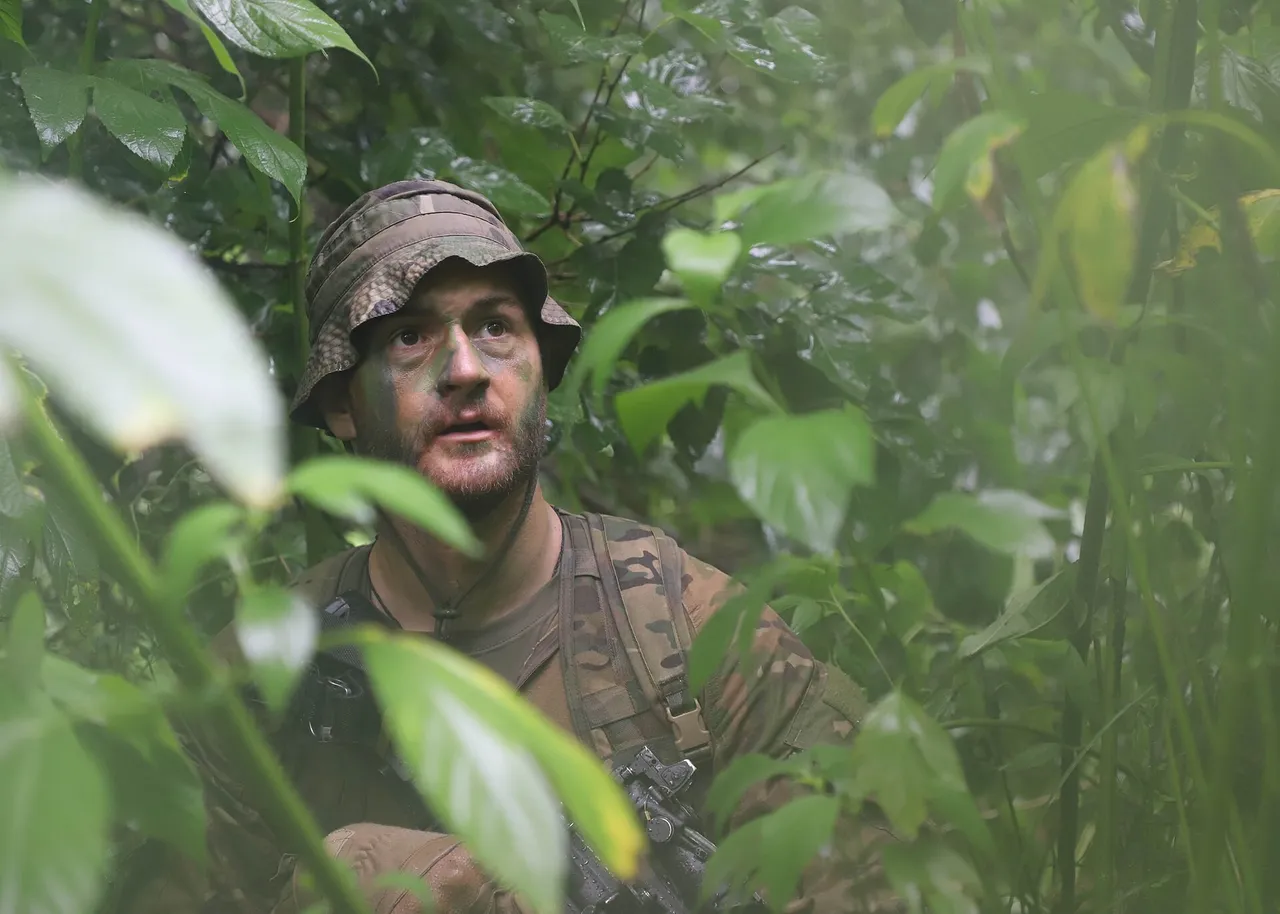
New Zealand's first military counter-drone system will not give full protection, Cabinet papers show
Released Cabinet papers show the NZDF chose a Danish-made jamming system over local options, with legal limits and naval protection still unresolved.
TaiwanDefence · 1h ago · 2 min read
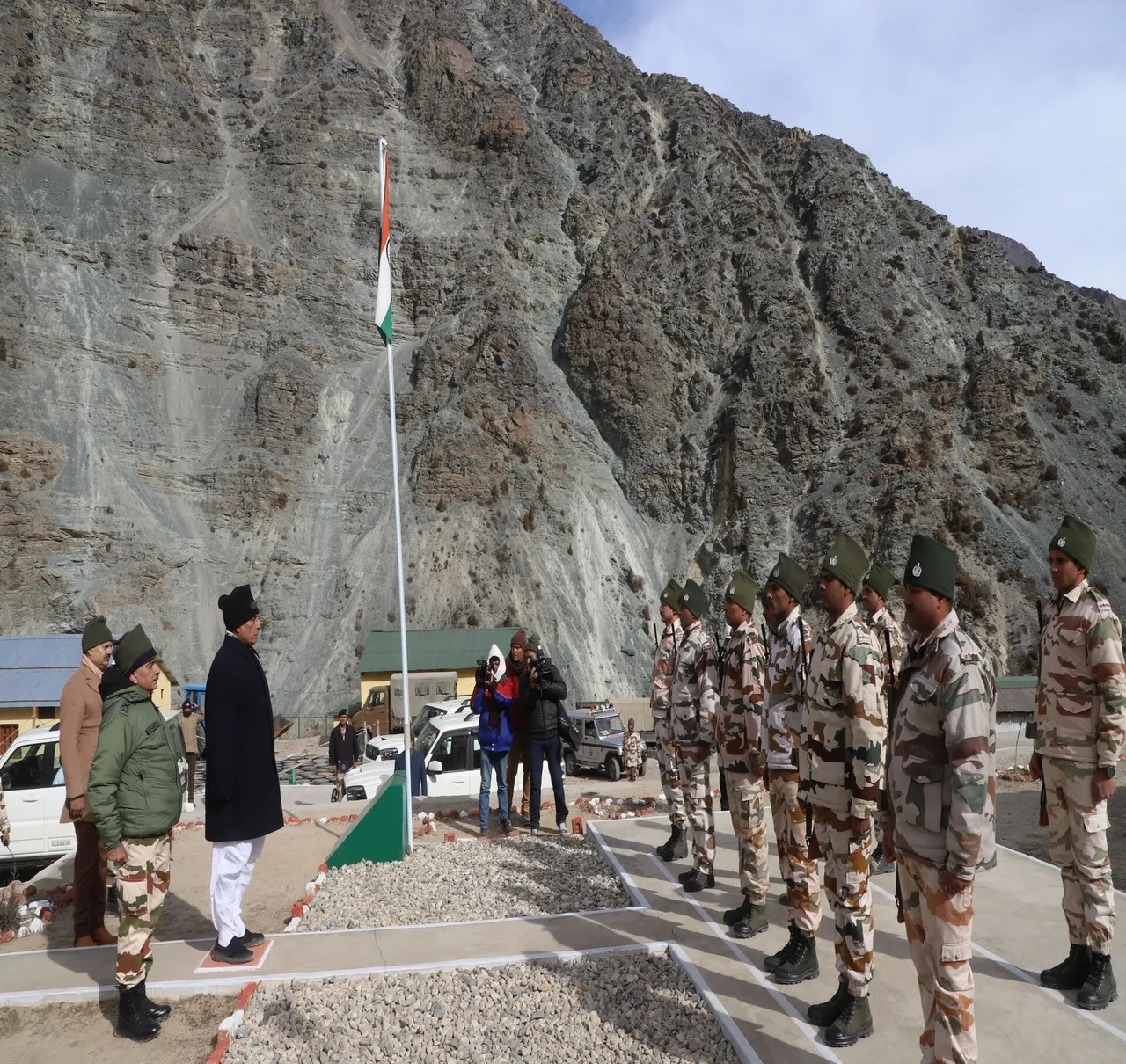
India's border force chief says face-offs with Chinese troops continue in Arunachal Pradesh
The ITBP's director general says confrontations with PLA troops are still under way at several sites, as the force adds drone platoons and plans underground border shelters.
TaiwanDefence · 4h ago · 3 min read
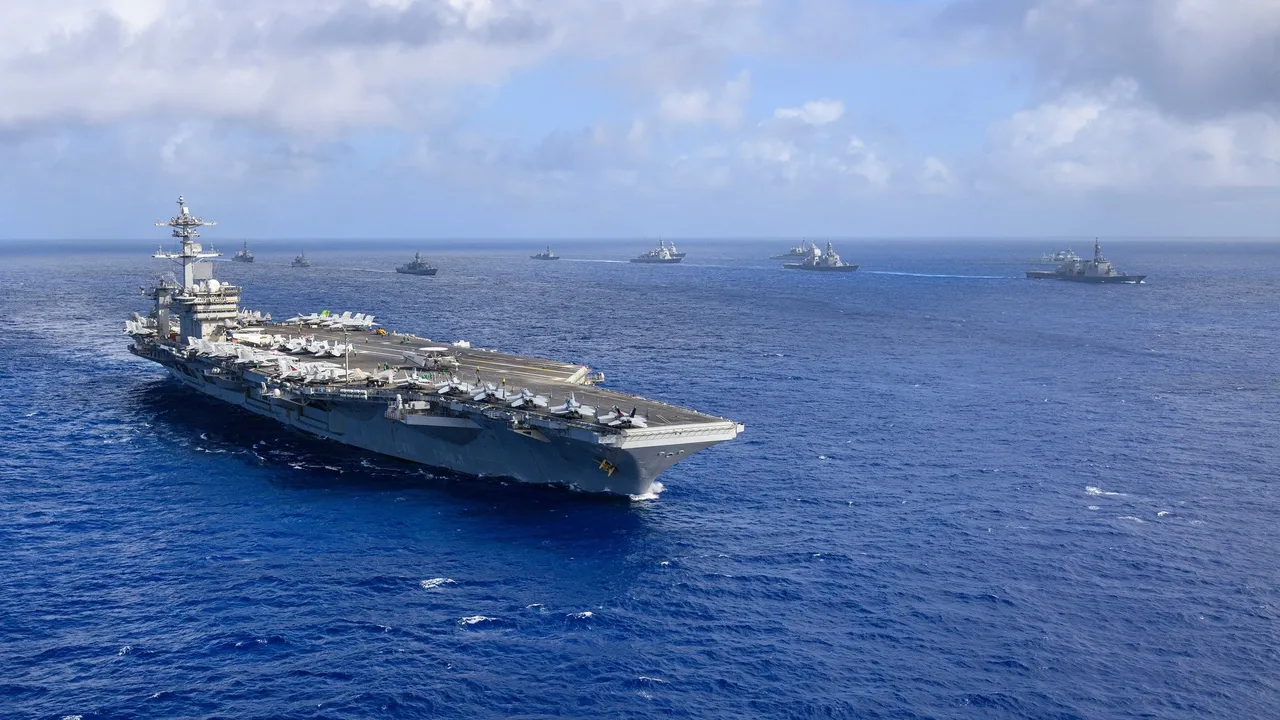
USS Theodore Roosevelt sails with Japanese, Australian, Canadian and French warships in Keen Sword
The US carrier strike group joined a five-navy formation in the Philippine Sea on 21 October as Keen Sword 27 moved to sea, with US F-22s flying from Kyushu.
TaiwanDefence · 6h ago · 3 min read
Discussion (0)
Comments are not currently available.