
India's border force chief says face-offs with Chinese troops continue in Arunachal Pradesh
The ITBP's director general says confrontations with PLA troops are still under way at several sites, as the force adds drone platoons and plans underground border shelters.
TAIPEI —
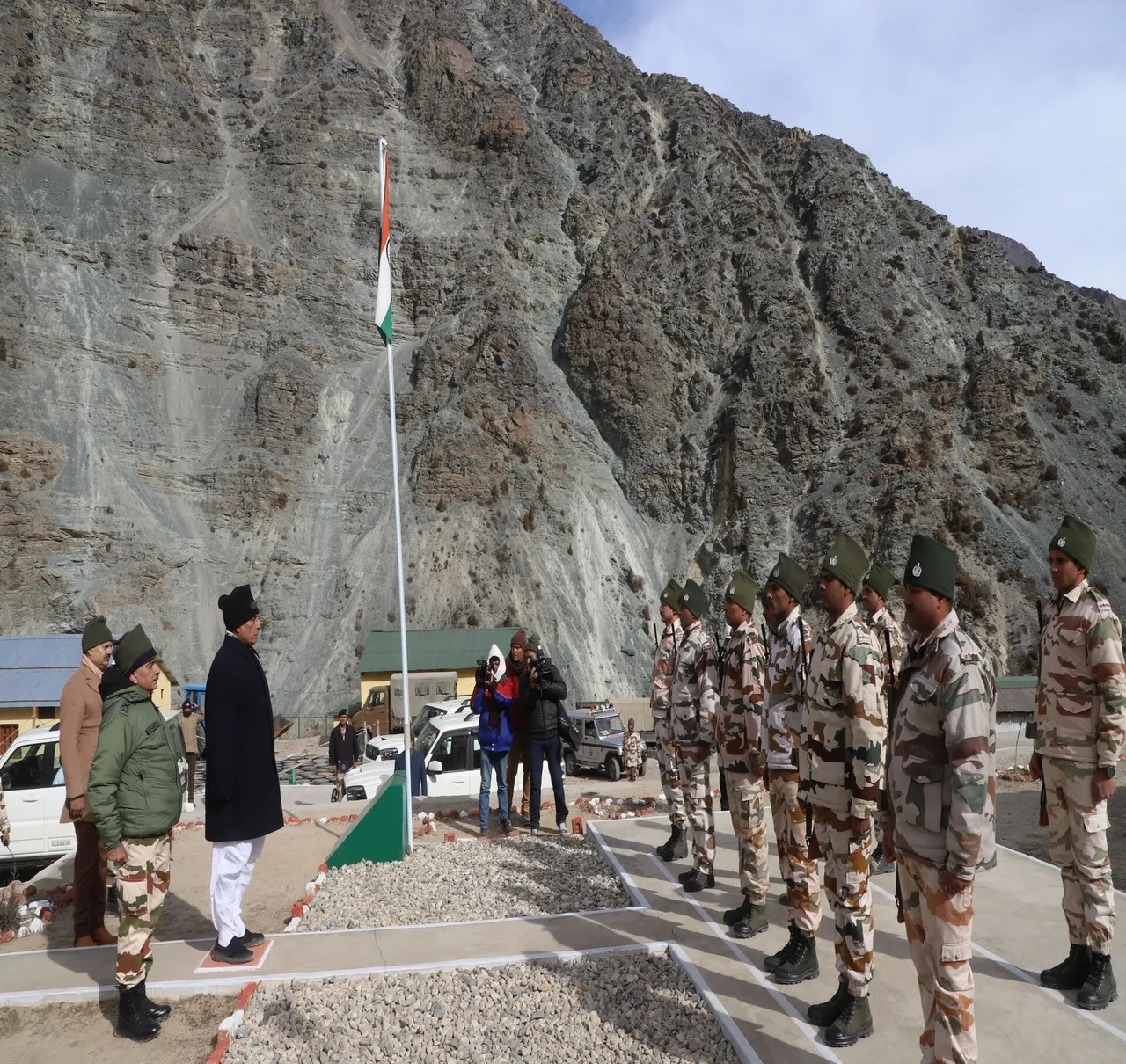
Indian border troops are still facing off with Chinese soldiers at several places along the disputed frontier in Arunachal Pradesh, the head of the Indo-Tibetan Border Police said on 22 October. Director general Shatrujeet Singh Kapoor, whose name The Hindu spells Kapur, told personnel at the force's Central Training College in Alwar, Rajasthan, that the confrontations had flared in recent days and had not ended. The Hindu described the remarks as the first official confirmation of the scale of tension on the north-eastern border since July.
Kapoor spoke at an annual awards ceremony held ahead of the force's 65th raising day on 24 October. He said a newly raised unit, the Shaurya commandos, had played a leading role in the ongoing face-offs with PLA troops, according to The Hindu and a Press Trust of India report carried by Rediff. He said the force would soon have a full battalion of these commandos, with a team in every border battalion, as part of a plan to turn the ITBP into a specialised high-altitude mountain fighting force distinct from the army.
Government sources told The Hindu that Indian and Chinese troops have been in a stand-off since late July at Asaphila, near Taksing in Upper Subansiri district. According to those sources, the two sides met during a routine patrol near the Maja company operating base in July and briefly confronted each other before both pulled back. PLA soldiers then returned in larger numbers a few days later and pitched tents on high ground about 6 to 7 kilometres inside the line India regards as the Line of Actual Control. These details come from unnamed officials and have not been confirmed by China. The newspaper said India has also increased its deployment along the border.
The stand-off has outlasted a run of diplomacy. Chinese President Xi Jinping attended the BRICS summit hosted by India from 11 to 13 September, and the two countries have held three high-level rounds of border talks since July: a meeting of the joint working mechanism on border affairs on 6 August, Special Representatives talks in Beijing on 26 August led on the Indian side by national security adviser Ajit Doval, and the first corps commander-level meeting in the eastern sector on 6 September at the Vacha-Damai border meeting point.
Kapoor also set out how the force is re-equipping. He said about 70 percent of a 400 crore rupee modernisation grant has gone to drones and counter-drone systems, that every border-guarding battalion now has a drone platoon, and that the force is training its own pilots and building some drones in-house. He said the Ministry of Home Affairs had given in-principle approval to a larger modernisation scheme, put at about 4,000 crore rupees by PTI and at 3,500 to 4,000 crore rupees by The Hindu, of which 1,000 crore rupees is to go to drone and anti-drone systems. He pointed to the war in Ukraine and the conflict between Iran and the United States as evidence that drones allow smaller forces to challenge larger ones.
The ITBP plans to build as many underground shelters as above-ground buildings at its border posts over the next three years, once pilot projects now under way in its companies settle the design, Kapoor said. He argued that any structure above ground can become a target in a hot war. According to PTI, a new training course named Strike is meant to prepare personnel for close-quarters clashes like the June 2020 fight in the Galwan valley, in which 20 Indian soldiers were killed, and the whole force is to complete it by the end of 2027. Kapoor added that some of the force's weapons are about 50 years old and are being replaced, along with new all-terrain and quick reaction vehicles.
The roughly 95,000-strong ITBP, which comes under the home ministry, guards the 3,488-kilometre Line of Actual Control with China alongside the Indian Army. Kapoor, who is due to retire on 31 October, described the China front as the force's most difficult border and China as India's biggest adversary. His account confirms that Chinese ground forces remain in close contact with Indian troops on the Himalayan frontier even as border talks continue.
Sources
More in Indo-Pacific
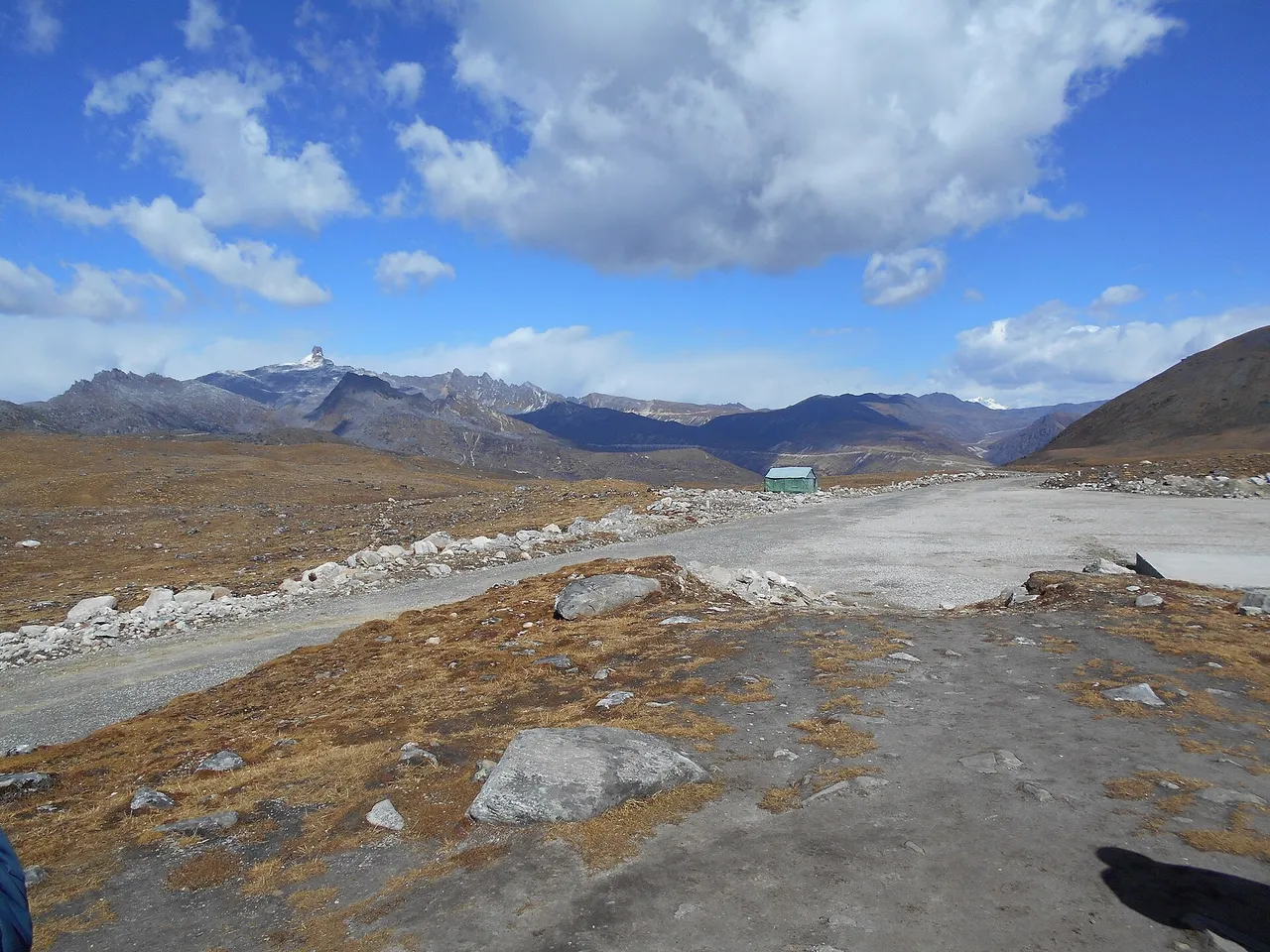
India's foreign ministry blames Chinese patrol deviations for trouble on the disputed border
New Delhi's first official comment since its border police chief disclosed face-offs in Arunachal Pradesh says the two sides will talk about how each reads the LAC.
TaiwanDefence · 17m ago · 3 min read
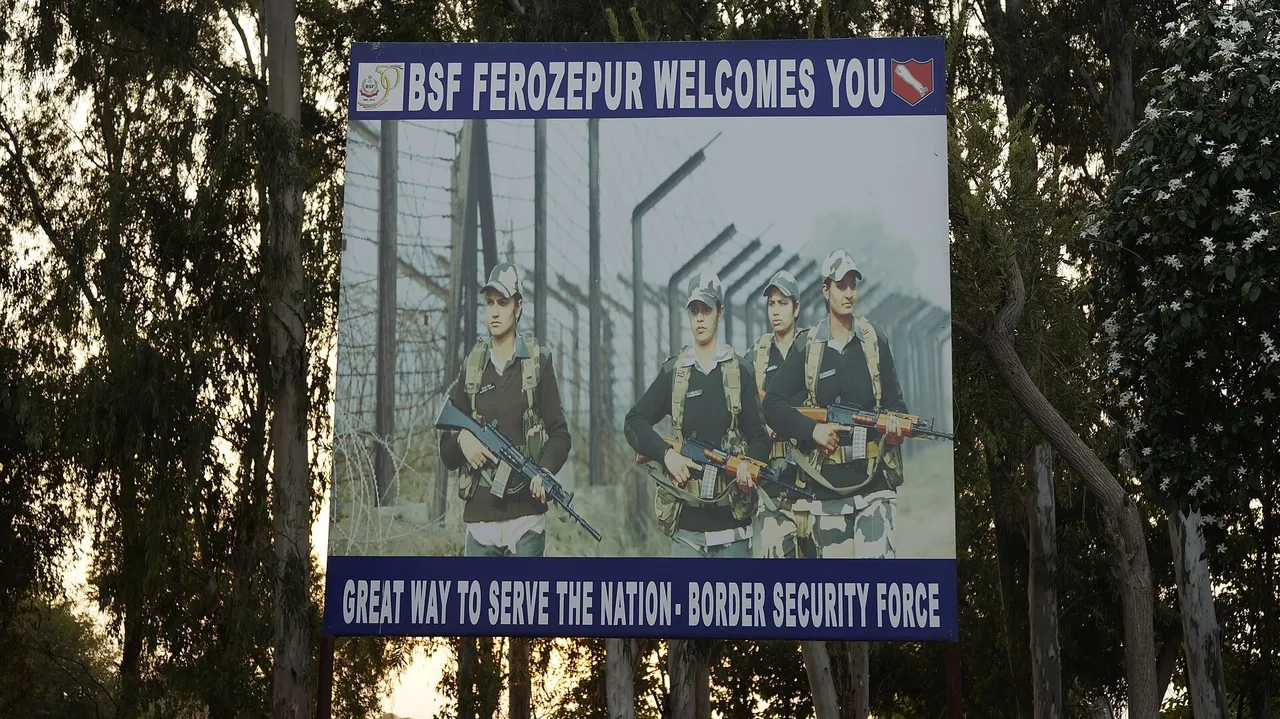
Indian Army intelligence and Punjab police arrest border couple accused of spying for Pakistan
Investigators say the pair from a Ferozepur border village passed details of army sites and depots to handlers linked to Pakistan's intelligence service.
TaiwanDefence · 2h ago · 3 min read
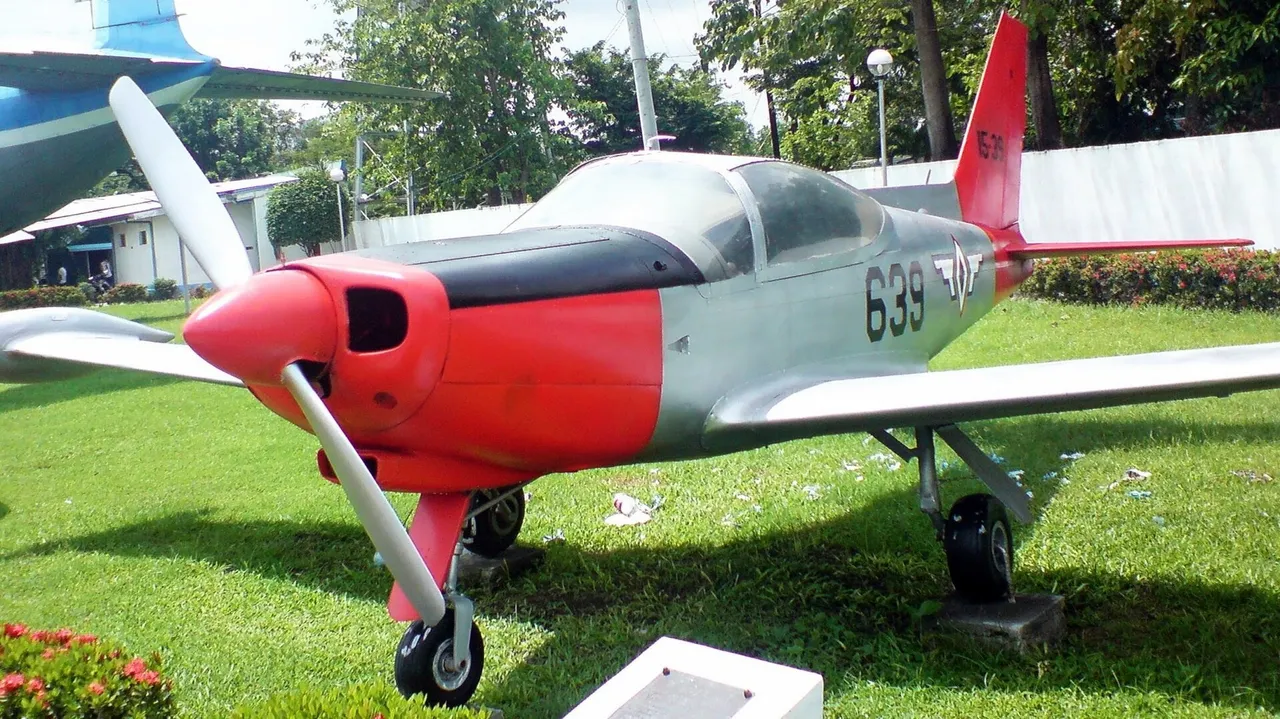
Two Philippine Air Force SF-260 trainers involved in an incident during a training flight at Lipa
The air force says response teams secured the site at Fernando Air Base in Batangas but has not said whether anyone was hurt, five months after a fatal SF-260 crash.
TaiwanDefence · 3h ago · 2 min read
Discussion (0)
Comments are not currently available.