
South Korean and US troops rehearse a counter-artillery fight with KTSSM, Chunmoo and ATACMS
About 4,100 soldiers from both armies ran a five-day counter-fire field exercise tied to Hoguk 2026, alongside drone-hunting air defence shoots in Boryeong.
TAIPEI —
South Korean and American soldiers spent five days rehearsing how they would find and destroy enemy artillery in a full-scale war on the Korean Peninsula, the South Korean Army's Ground Operations Command said on 23 October. The command reported that it ran a combined counter-fire field training exercise from 19 to 23 October as part of this year's Hoguk exercise, and that about 4,100 troops from both countries took part.
The Ground Operations Command also serves as the Combined Ground Component Command, the joint headquarters that directs the land forces of South Korea and of the United States Forces Korea when they fight together. The exercise was run by a task force built from intelligence and fire units of both armies under that combined headquarters, according to KBS and the Seoul Economic Daily.
Working from a scenario of all-out war, the task force practised moving into firing positions and following the procedures set for each phase of an operation. The Seoul Economic Daily reported that the units also linked their sensors and weapons to test the full chain of detecting a target, acquiring it and striking it.
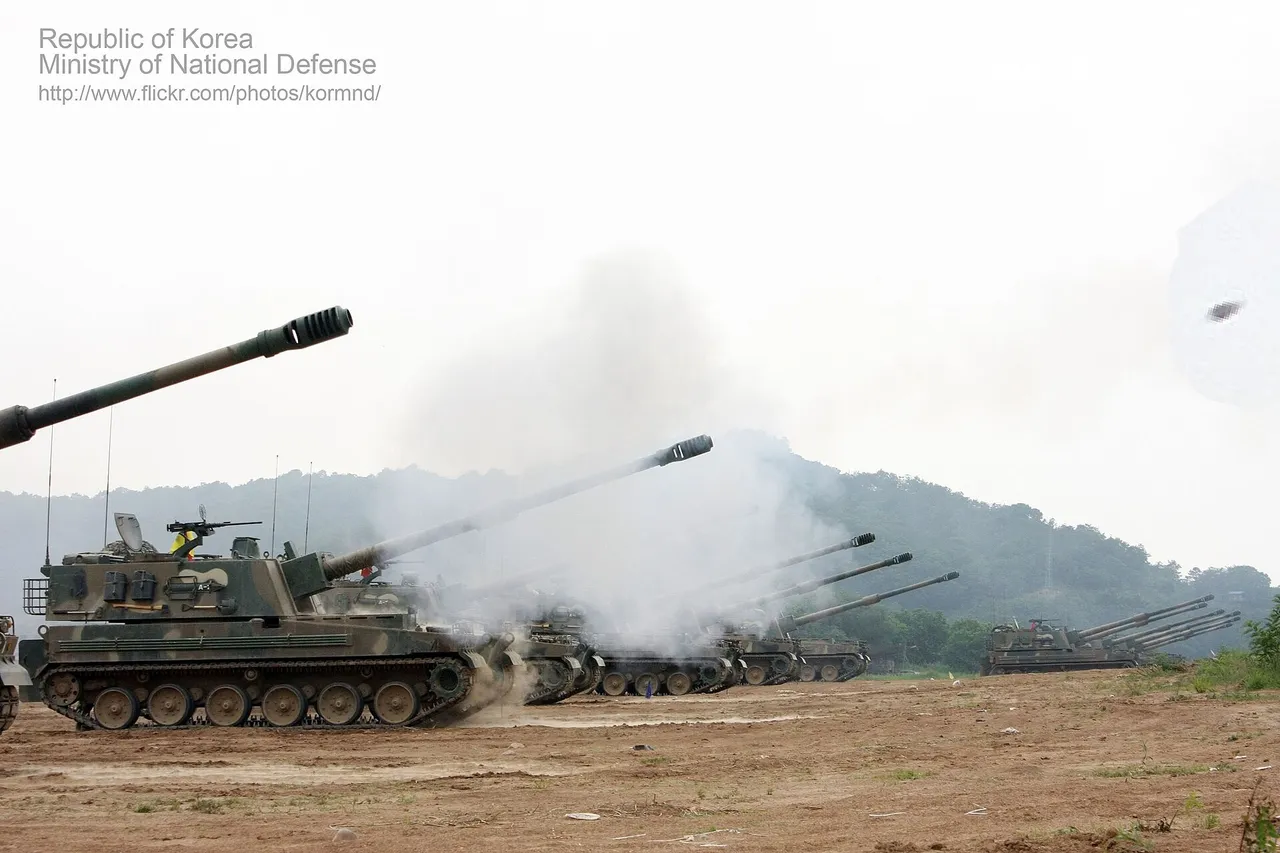
The sensors on the field included South Korean and American unmanned aerial vehicles, counter-battery radars that track incoming rounds back to the guns that fired them, and deep operations teams sent to watch areas far behind the front line. On the strike side, the two armies brought the Korean Tactical Surface-to-Surface Missile, the K9 self-propelled howitzer, the Chunmoo multiple rocket launcher and the American-made ATACMS tactical ballistic missile, both outlets reported.
Army photographs released with the announcement showed K9 batteries carrying out live firing at an artillery range in Cheorwon, in Gangwon Province near the inter-Korean border, during the field phase. The newspaper's captions dated that live-fire work from 20 to 23 October.
The drill was not limited to shooting. Crews rehearsed their response to enemy attacks on their own positions and to breakdowns in communication networks, two problems that would hit artillery units early in a real fight. They also practised the work that keeps guns firing over days rather than hours: digging and building positions, resupplying ammunition, and changing gun barrels and engines in the field.
Over the same five days, the command held a separate air defence live-fire event at a training range in Boryeong, South Chungcheong Province, also linked to Hoguk. Local air defence radars picked up simulated enemy drones in real time, and units then engaged the targets with surface-to-air guided weapons including the Biho Hybrid gun-missile vehicle and the shoulder-fired Shingung missile, the reports said.
Counter-fire is the task of locating enemy guns and rocket launchers soon after they open fire and destroying them, which is why the exercise tied drones, radars and observation teams to rockets, missiles and howitzers in one network. The Boryeong shoot addressed a different problem, small drones flying low enough to need radars and short-range weapons of their own.
The Ground Operations Command and the combined headquarters plan to hold an after-action review later this month. Lessons from that review will be fed into operational plans and future training to improve how the two armies fight together, according to both reports.
Sources
More in Indo-Pacific
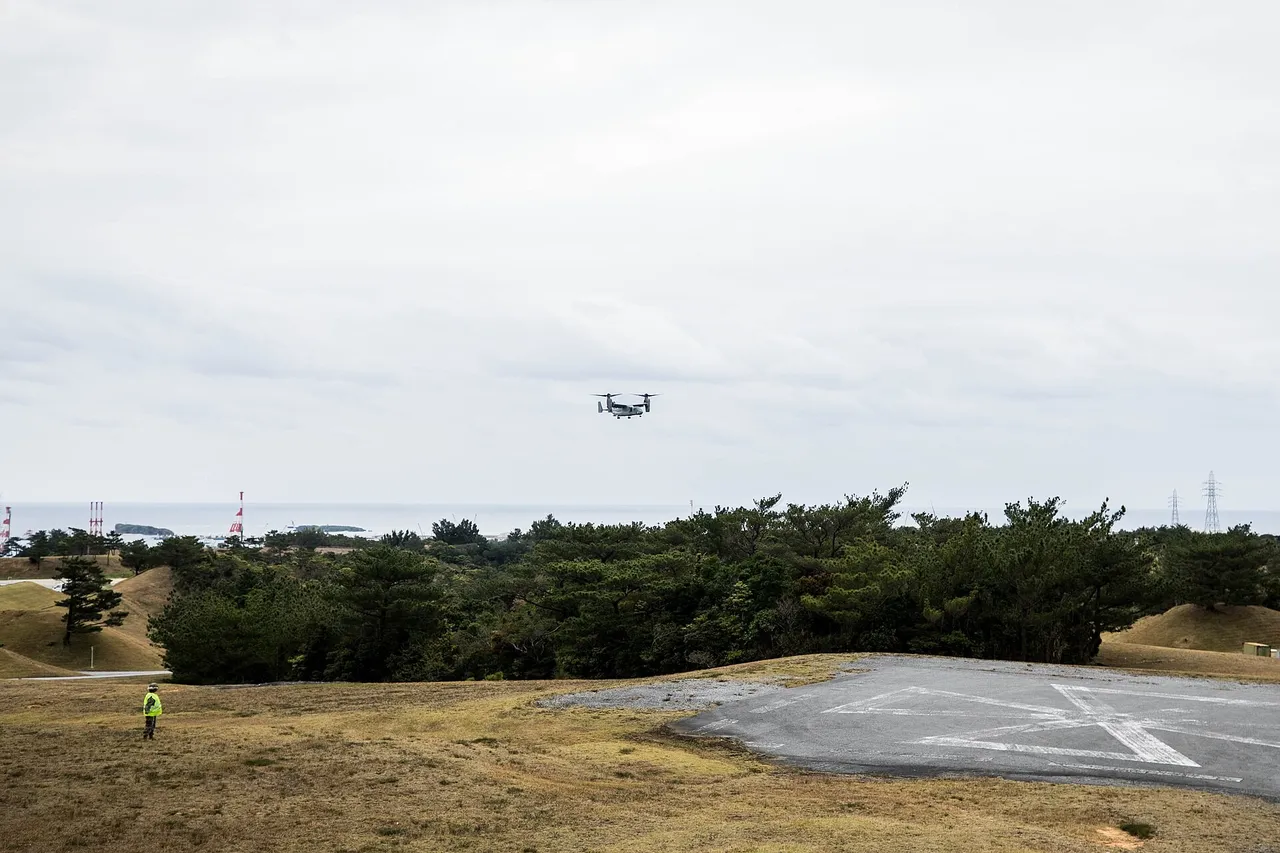
Japan and the US agree to close a Marine helicopter pad beside a college at Camp Schwab in Okinawa
Defence Minister Koizumi says LZ Phoenix near Henoko will shut once its functions move to a renovated landing zone about 1 km north inside the base.
TaiwanDefence · 28m ago · 2 min read
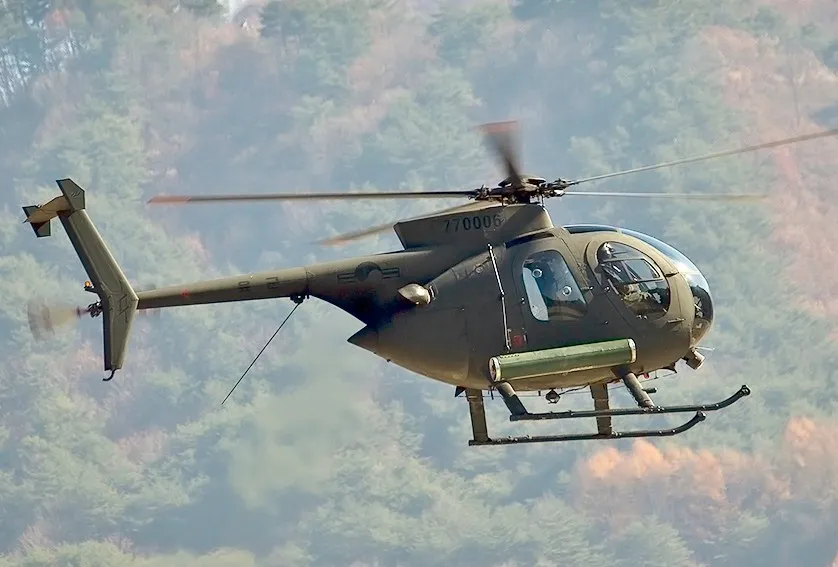
South Korea hands eight overhauled MD 500 military helicopters to the Kenya Army
Seoul's retired army helicopters, refitted in the United States, were handed over in Nairobi, fulfilling a 2021 pledge to support UN peacekeeping in Africa.
TaiwanDefence · 2h ago · 2 min read
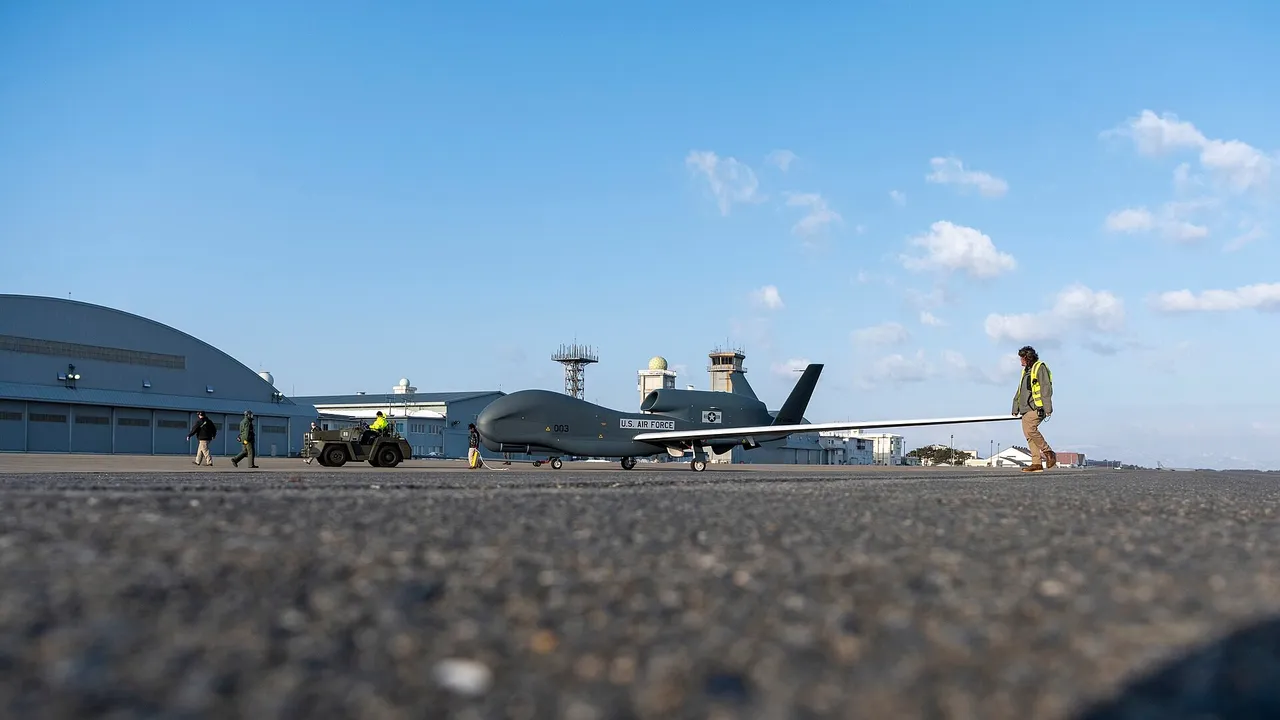
Japan's air force ends seabed recovery of its crashed Global Hawk and turns to finding the cause
The JASDF says it has raised all wreckage found underwater from the RQ-4B that went down off Tottori in September, while coastal searches go on.
TaiwanDefence · 3h ago · 2 min read
Discussion (0)
Comments are not currently available.