
Japan's air force ends seabed recovery of its crashed Global Hawk and turns to finding the cause
The JASDF says it has raised all wreckage found underwater from the RQ-4B that went down off Tottori in September, while coastal searches go on.
TAIPEI —
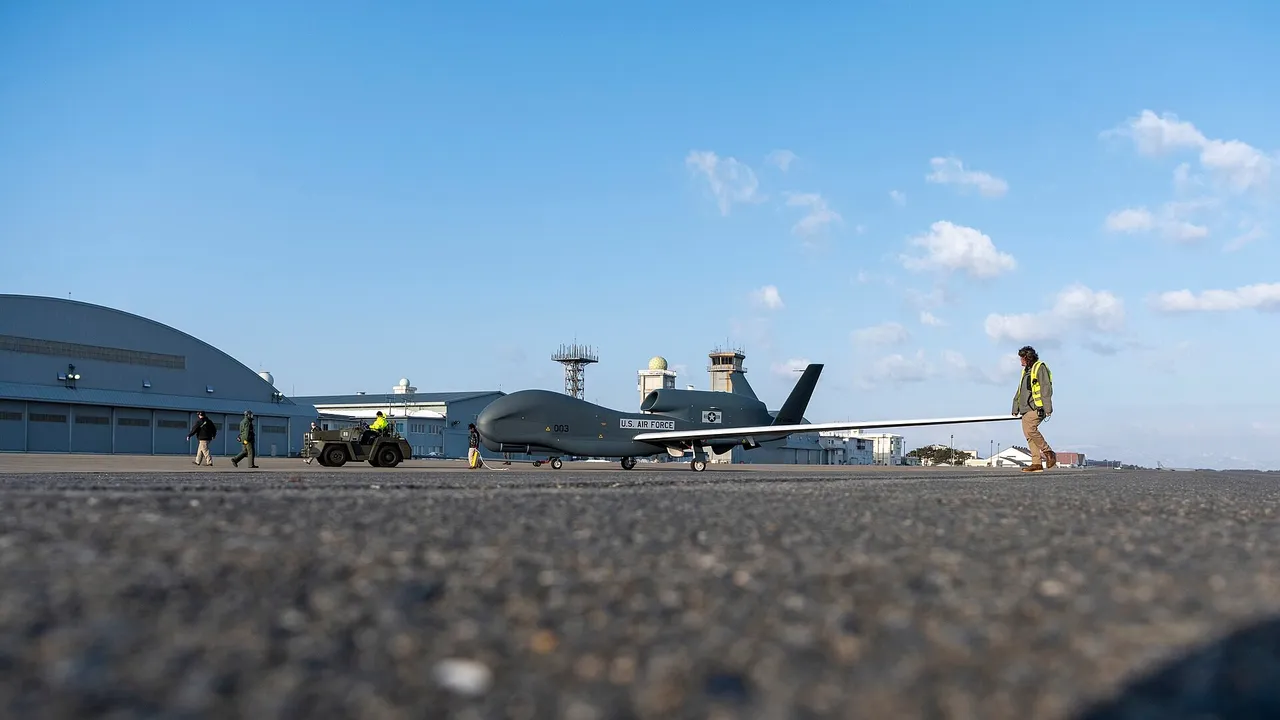
Japan's Air Self-Defense Force has finished pulling the wreckage of its crashed RQ-4B Global Hawk surveillance drone off the seabed in the Sea of Japan, ending a recovery effort that began in early October. The JASDF announced on 23 October that every part of the aircraft found underwater, including sections of a wing that had broken apart, had been brought up, according to Jiji Press.
The force said the main wing and fuselage had been recovered and that most of the airframe was now in hand, which is why it decided to stop lifting work from the sea on that day, TBS News Dig reported. NHK also reported that the lifting work had ended with the bulk of the aircraft recovered, and that the JASDF plans to analyse the recovered airframe to work out what caused the crash.
Searches and recovery along the coast are set to continue, both Jiji and TBS reported. The JASDF has not said when it expects to publish findings on the cause, and none of the reports named a likely explanation for the loss.
The large unmanned reconnaissance aircraft belonged to Misawa Air Base in Aomori Prefecture. It lost communications while flying a mission over the sea off Tottori Prefecture on 15 September and crashed, TBS said. The broadcaster noted that this is the first crash of an unmanned aircraft in the JASDF's history, and that investigators will look at the condition of the recovered parts as they examine what went wrong.
The recovery took several weeks. Lifting work started on 2 October after debris thought to be from the drone was found on the seabed about 50 kilometres off the city of Tottori and in other waters off the city, and some of that debris was raised on 8 October, FNN reported. On 13 October a privately owned recovery vessel of a little over 430 tonnes displacement joined the operation so that larger pieces could be raised, after the JASDF had used guard boats and an unmanned submersible to survey the area.
On 17 October the JASDF lifted an object believed to be part of the fuselage, Nippon TV affiliate RAB reported. It was found about 50 kilometres off Tottori at a depth of 200 to 300 metres, and the plan was to take it to Misawa to investigate the cause of the crash. Jiji gave the same location and depth for the fuselage section in its report on the end of the recovery.
Because the JASDF had never before lost an unmanned aircraft, the inquiry at Misawa will be its first into a drone crash, TBS noted. The reports said investigators will rely on the condition of the parts raised from depths of 200 to 300 metres, with the fuselage section due to be taken to the base for examination.
The end of the seabed work follows TaiwanDefence's earlier report on the lifting of the suspected fuselage section on 17 October. The next step is the cause investigation, which will rely on the parts now recovered from the sea and any further debris found along the coast.
Sources
More in Indo-Pacific
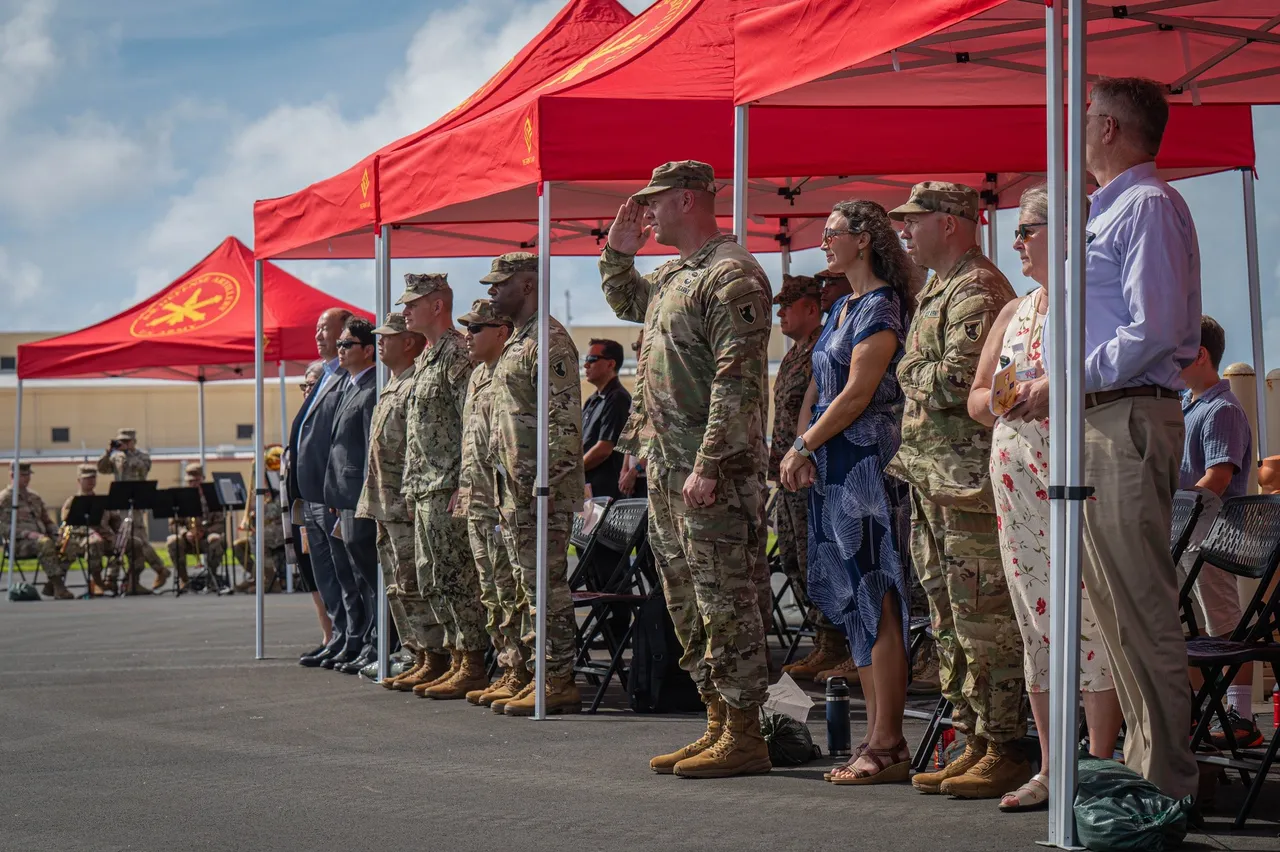
US Army activates a permanent air defence battalion on Guam against Chinese and North Korean missiles
The 3rd Battalion, 43rd Air Defense Artillery replaces Task Force Talon on Guam and is due to run Patriot, THAAD and counter-drone systems.
TaiwanDefence · 1h ago · 3 min read
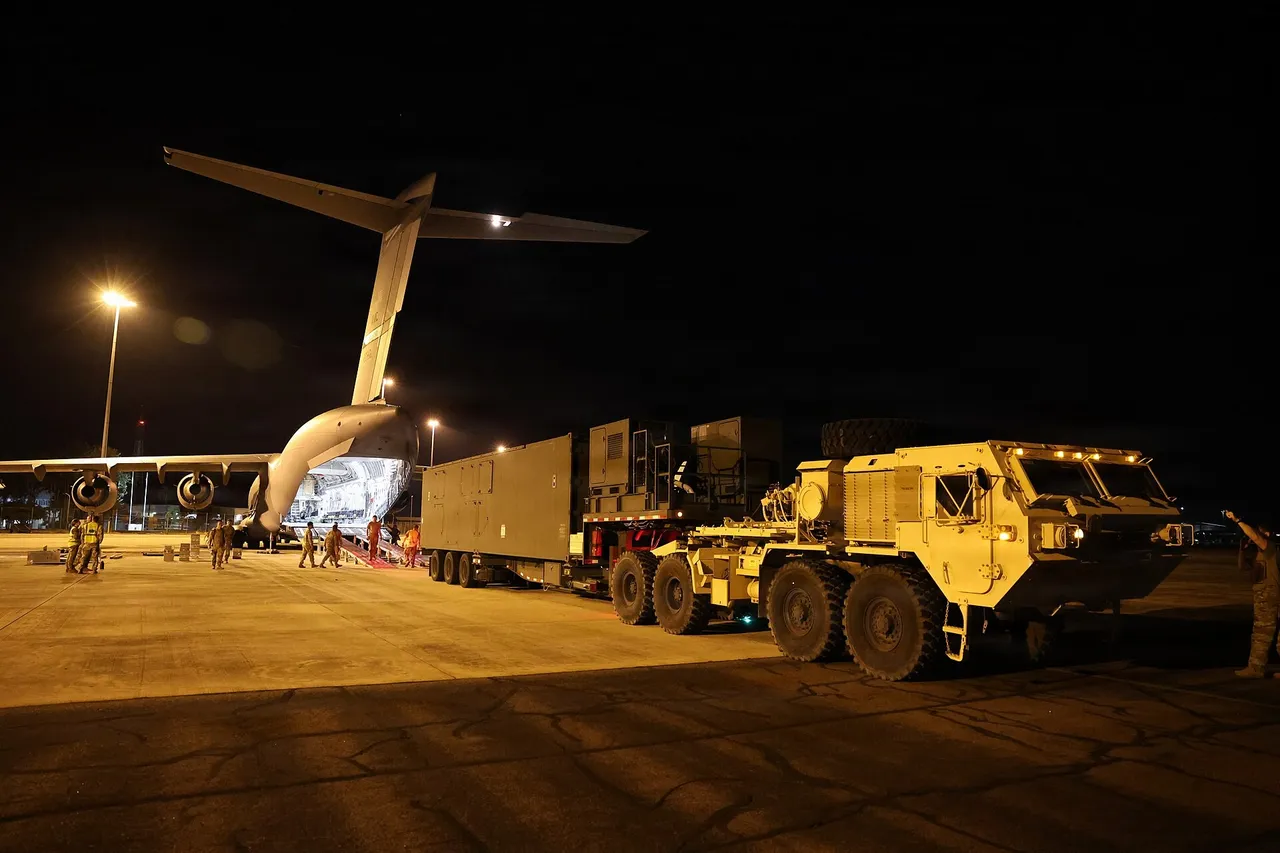
US Army's Typhon missile launcher arrives at Kadena Air Base on Okinawa for storage
Japan's Okinawa Defense Bureau says the Typhon launcher has moved from Kanoya in Kyushu to Kadena, where it will be stored with no end date given.
TaiwanDefence · 2h ago · 3 min read
India unveils new Army land warfare doctrine shaped by drones, AI and Operation Sindoor
Defence Minister Rajnath Singh released the doctrine in New Delhi, setting a framework for multi-domain war, unmanned teaming and joint operations.
TaiwanDefence · 4h ago · 3 min read
Discussion (0)
Comments are not currently available.