
India unveils new Army land warfare doctrine shaped by drones, AI and Operation Sindoor
Defence Minister Rajnath Singh released the doctrine in New Delhi, setting a framework for multi-domain war, unmanned teaming and joint operations.

TAIPEI —
India's Defence Minister Rajnath Singh released the Indian Army's new Land Warfare Doctrine on 23 October, on the final day of the army's twice-yearly Army Commanders' Conference in New Delhi. The state broadcaster's news service said the document is meant to give the army an overarching framework for getting ready for the changing character of warfare and for future conflicts.
The Times of India, citing unnamed sources, reported that the doctrine draws lessons from recent wars, including the fighting between Russia and Ukraine, the conflict between Iran and the United States, and India's own Operation Sindoor against Pakistan last year. According to the newspaper, those conflicts showed that unmanned systems, persistent surveillance, contested communications and information warfare have become critical factors on the battlefield.
The same report said the revised doctrine lays out a roadmap for a force expected to fight with advanced technology, drones, artificial intelligence, precision weapons and multi-domain operations. It is aligned with the armed forces' Defence Forces Vision 2047, stresses jointness among the services and the integration of capabilities across domains, and holds that land power remains central to achieving decisive military and political outcomes.
Other themes reported by the newspaper include giving individual soldiers more authority, teaming troops with unmanned systems, human leadership, resilient logistics and the ability to keep fighting when technology is jammed or degraded. The doctrine is also said to give commanders room to adapt their approach to the threat, the terrain and the mission, and to stress self-reliance in defence production and a whole-of-nation approach that links the military with national infrastructure and civilian institutions in wartime.
The launch was attended by Minister of State for Defence Sanjay Seth, Chief of Defence Staff General N. S. Raja Subramani, Army Chief General Dhiraj Seth and Defence Secretary Rajesh Kumar Singh, the Times of India said. Alongside the doctrine, the army is working on a five-year roadmap for multi-domain operations training, a three-level artificial intelligence skills programme for officers and a plan to make drone operation a secondary skill across the force.
In his address to the commanders, Singh asked the army's senior leadership to build a strategic vision covering the next 20 to 30 years while staying ready for immediate and emerging threats, BharatShakti reported. He said military strategy has to stay dynamic and flexible as the geopolitical and regional environment changes quickly, credited the success of Operation Sindoor to innovative thinking, closer coordination and advanced weapons, and called for faster adoption of artificial intelligence, autonomous systems, data analytics, cybersecurity and secure communication networks.
Singh also praised the army's ongoing restructuring, particularly its focus on drones and modern technology, according to the same report. He argued that even as air, maritime, space and cyber operations grow in importance, ground forces will remain indispensable, and that success in modern war depends on integrated multi-domain capability and seamless coordination among the services.
The three-day conference, chaired by General Dhiraj Seth, opened on 21 October. The Hindu reported at the time that the Ministry of Defence had described the release of the doctrine as a key highlight of the meeting, and that the chief of defence staff, the navy chief and the secretary of the electronics and information technology ministry were due to speak. All India Radio said Singh also honoured three army personnel for their service in United Nations peacekeeping missions.
The army's previous land warfare doctrine was issued in December 2018, after a joint doctrine for the armed forces in April 2017, the Times of India noted. That version covered hybrid warfare, multi-front operations, precision strikes, information and space warfare, and laid groundwork for strategy on India's northern and western fronts. Since then the army has been through a prolonged stand-off with China along the Line of Actual Control in Ladakh, while wars elsewhere have shown the growing role of drones, missiles and electronic warfare.
Sources
More in Indo-Pacific
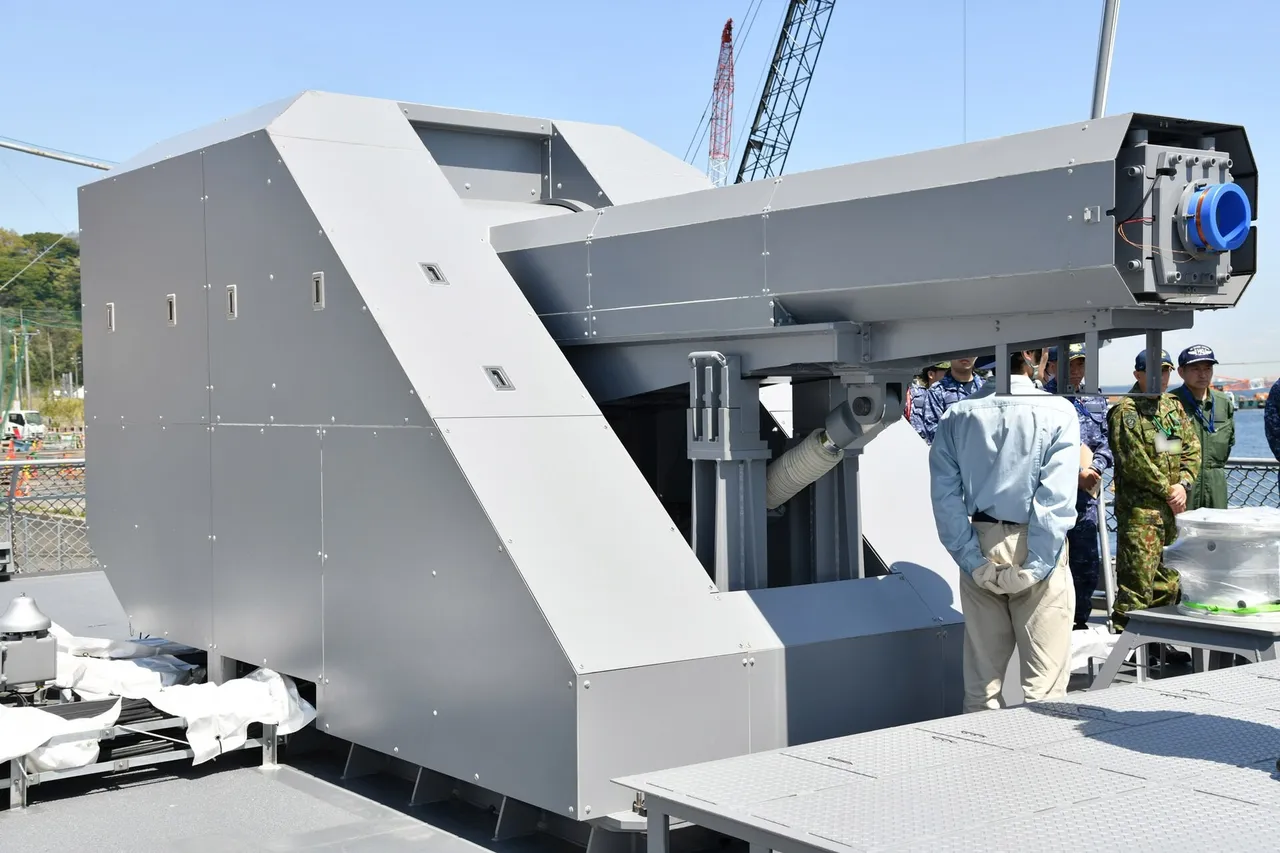
Japan's defence minister plans to rebuild military research labs around AI, cyber and command
Shinjiro Koizumi says the procurement agency's research institutes will be reorganised by function rather than by type of equipment, to speed up detection and decisions.
TaiwanDefence · 1h ago · 3 min read
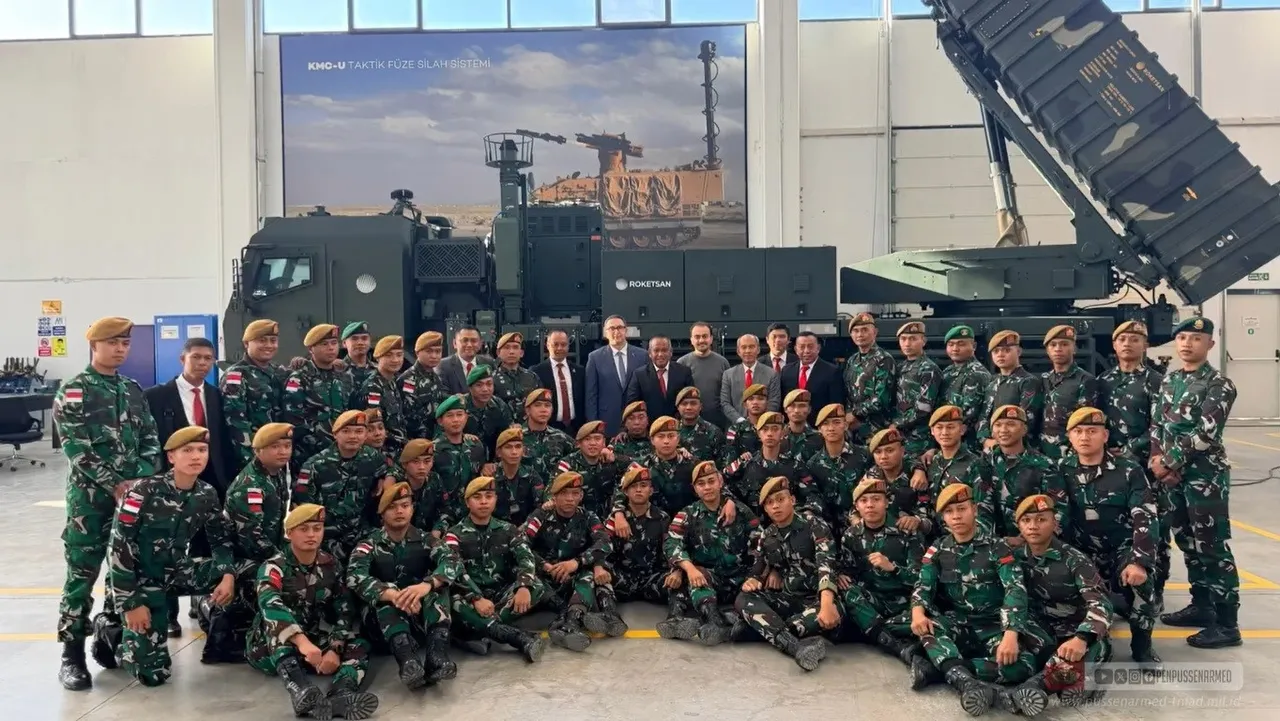
Indonesian Army test-fires guided TRG-122 rockets from its new Turkish launcher in East Kalimantan
A new artillery battalion fired three Roketsan guided rockets over two days as part of the army's purchase of the KHAN-based ITBM rocket and missile system.
TaiwanDefence · 2h ago · 2 min read
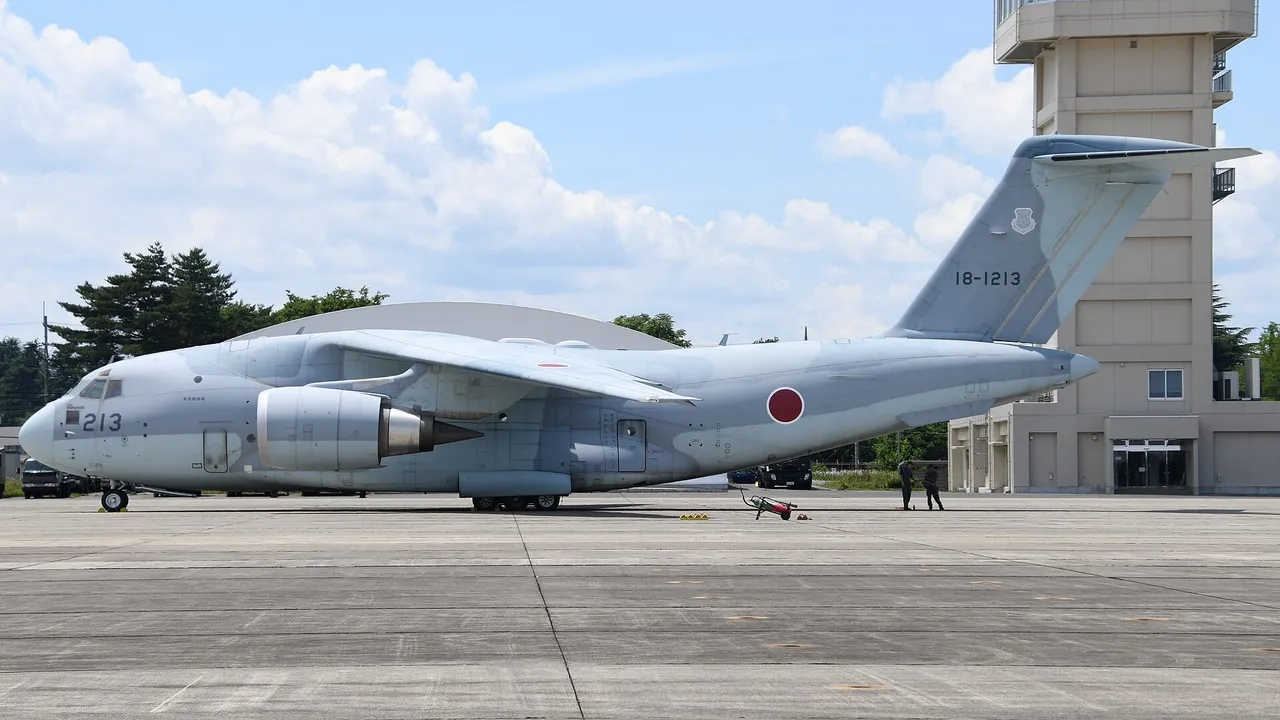
Japan and Germany rehearse wartime casualty evacuation in the largest SDF medical drill yet
About 300 Japanese, German and allied personnel practised treating drone and chemical attack casualties and flying them to hospitals at Iruma air base.
TaiwanDefence · 3h ago · 2 min read
Discussion (0)
Comments are not currently available.