
Japan and Germany rehearse wartime casualty evacuation in the largest SDF medical drill yet
About 300 Japanese, German and allied personnel practised treating drone and chemical attack casualties and flying them to hospitals at Iruma air base.
TAIPEI —
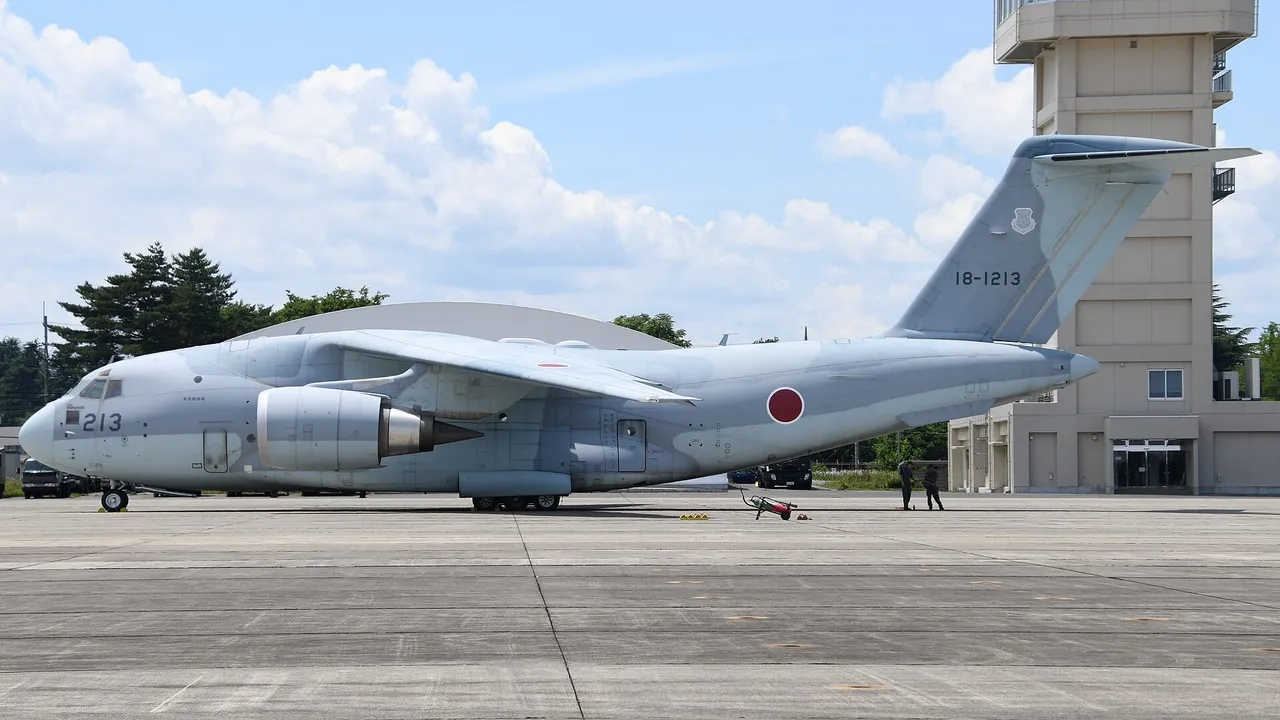
Japan's Self-Defense Forces on 23 October staged their largest medical training event to date, rehearsing how to treat and evacuate troops wounded in a wartime attack at Air Self-Defense Force Iruma Air Base in Saitama prefecture, north-west of Tokyo. The drill was part of Keen Sword, the joint exercise Japan holds with the United States, and brought in about 100 German military personnel. Sankei Shimbun put total participation at about 300 people, with forces from the United States, the Philippines and other partners also involved.
The scenario assumed that attack drones had caused multiple casualties at the front. Mixed Japanese and German teams worked on mannequins standing in for wounded soldiers, starting with rescue and bleeding control and moving on to cases contaminated by chemical weapons, with personnel in gas masks handling the decontamination steps. The sequence then followed casualties through emergency surgery in a field hospital and onward air evacuation from forward areas to the rear, ending with handover to a hospital.
According to Sankei, Japanese personnel studied German methods for dealing with chemical and similar attacks, an area in which the German military is regarded as more advanced. The two sides also loaded Japanese medical equipment onto a German military aircraft to practise treating patients while they were being flown. A Japanese officer who took part told the paper that the aim was to keep a chain of care unbroken from the front line through relay points to rear hospitals.
Germany's contribution centres on its armed forces medical service. A German specialist outlet reported before the drill that about 100 German medical personnel, chemical, biological and radiological defence troops and an Air Force A400M transport would take part between 19 and 29 October. The plan it described assumed a mass-casualty event on Okinawa handled first by Japanese, American, Philippine and New Zealand forces, with the A400M carrying medical supplies and blood products and simulating the transfer of wounded to Iruma, where a German field treatment facility would take over before patients moved to a Japanese military hospital.
Information that the regional defence bureau gave to the Saitama prefectural government listed about 100 staff from the SDF Iruma Hospital, about 150 Ground Self-Defense Force personnel with a UH-1 helicopter, a Maritime Self-Defense Force US-2 flying boat and an Air Self-Defense Force C-2 transport, plus about 20 US personnel and small teams from New Zealand, the Philippines and the Netherlands. It said casualties would be flown in from Naha Air Base and Kadena Air Base in Okinawa, and that the German A400M would stay at Iruma until 29 October.
Sankei said the SDF is moving quickly to strengthen battlefield medicine as Japan's security environment worsens, with the goal of raising survival rates among troops in real combat. Those efforts include building a system that can treat a casualty within ten minutes of being wounded and securing the military's own stocks of blood for transfusion.
Sources
More in Indo-Pacific
Japan moves to require state approval for land deals near military bases and on remote border islands
Tokyo's cabinet backs a bill that would bar foreign governments and military personnel from buying land within about 1 km of drone-vulnerable defence sites.
TaiwanDefence · 1h ago · 2 min read
Philippine defence chief says any forced Chinese towing of BRP Sierra Madre would be an act of war
Gilberto Teodoro answered a Manila Chinese-language paper's report that Beijing is weighing 10 countermeasures, including removing the grounded outpost ship.
TaiwanDefence · 4h ago · 3 min read
South Korea again asks North Korea for military talks to fix the border line and prevent clashes
Seoul's defence ministry wants to settle where the demarcation line runs, restore military hotlines and avoid accidental clashes, nearly a year after its first offer went unanswered.
TaiwanDefence · 5h ago · 3 min read
Discussion (0)
Comments are not currently available.