
Taiwan's missile institute finds suspected Chinese-made part in its air-launched Hsiung Feng III project
NCSIST says a filter connector used to test the jet-launched anti-ship missile's communications looked Chinese-made and it has called in the supplier to explain.
TAIPEI —
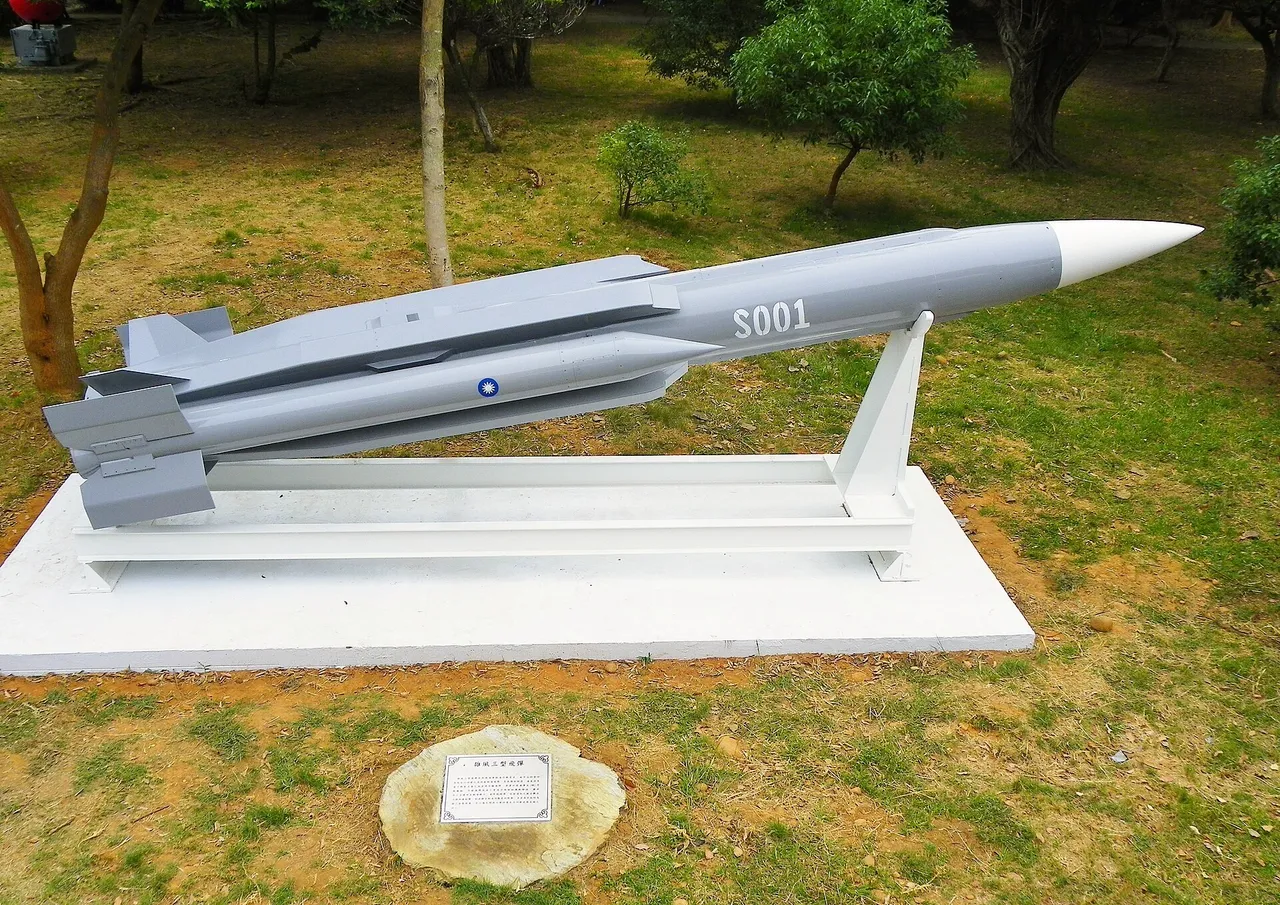
Taiwan's National Chung-Shan Institute of Science and Technology, the military research body that builds the island's missiles, has found a suspected Chinese-made part in its programme to fit the Hsiung Feng III supersonic anti-ship missile to fighter jets. The institute said on 23 October that the item was a filter connector used for communications testing, and that it had told the supplier to come in and explain where the part came from.
The problem was first reported by Storm Media, which said it had received a tip that a filter module meant for a long-range communications unit in the project had been supplied as a Chinese product by a domestic contractor. People familiar with the matter told the outlet that the institute always requires suppliers not to use Chinese-made components, and that the part should have been caught when the goods were accepted. The Liberty Times later reported the same finding and the institute's explanation.
According to both reports, the institute said the part turned up during checks it has stepped up to find Chinese-made components in its missile products. It described the item as a passive mechanical component made of a metal cavity, a resonant structure and connectors, machined to filter high-frequency signals. The institute said the part has no electronic components and no data transmission function. It added that the item is still going through environmental testing inside the institute and has not yet been installed in a communications unit or flown with an aircraft.
Storm Media reported that the institute will ask the contractor to explain itself under the terms of its contract. A person familiar with the case told the outlet that the supplier must produce a certificate of origin before the part can be used, and that the contract will be terminated if it cannot. The outlet's report also raised the concern that a Chinese part in sensitive equipment could put data at risk. The institute's description of a passive part with no transmission function is its answer to that concern.
The defence ministry runs the work under the code name Hsiung Chih, with the institute as developer. Storm Media said the project began in 2022 and combines development with low-rate production over six years. To fit under the wing of the Indigenous Defense Fighter, also called the Ching-kuo, the missile has been shrunk to about 5.5 metres in length and 0.36 metres in diameter, with a weight of roughly 900 kilograms. The reports give different weights for the ship-launched and ground-launched versions now in service, from about 1,300 to 1,500 kilograms.
The air-launched missile is meant for stand-off strikes on Chinese aircraft carrier groups or amphibious landing fleets. Both reports put its initial planned range at 250 to 400 kilometres, and say it could greatly extend the depth of Taiwan's defence once its operational test and evaluation is complete. The Hsiung Feng series is Taiwan's main family of anti-ship missiles.
Testing has progressed over the past year. The institute completed carriage and flight tests on the jet in 2025, and an Indigenous Defense Fighter dropped an inert test round off Taitung in December 2025. China Times reported on 1 July that a fighter numbered 1490 carried what appeared to be a live round for a test off the Jiupeng range in southern Taiwan, described then as the final stage before formal operational testing. The Liberty Times said the institute is still adjusting the missile's best configuration after several tests.
Chang Cheng, a former chief engineer of the Hsiung Feng III who now heads Taoyuan's economic development bureau, has written that upgrades to the Indigenous Defense Fighter between 2001 and 2017 strengthened its weapon hardpoints, mission computer and power bus with heavy munitions such as the air-launched missile in mind, the Liberty Times reported.
Sources
More in Industry
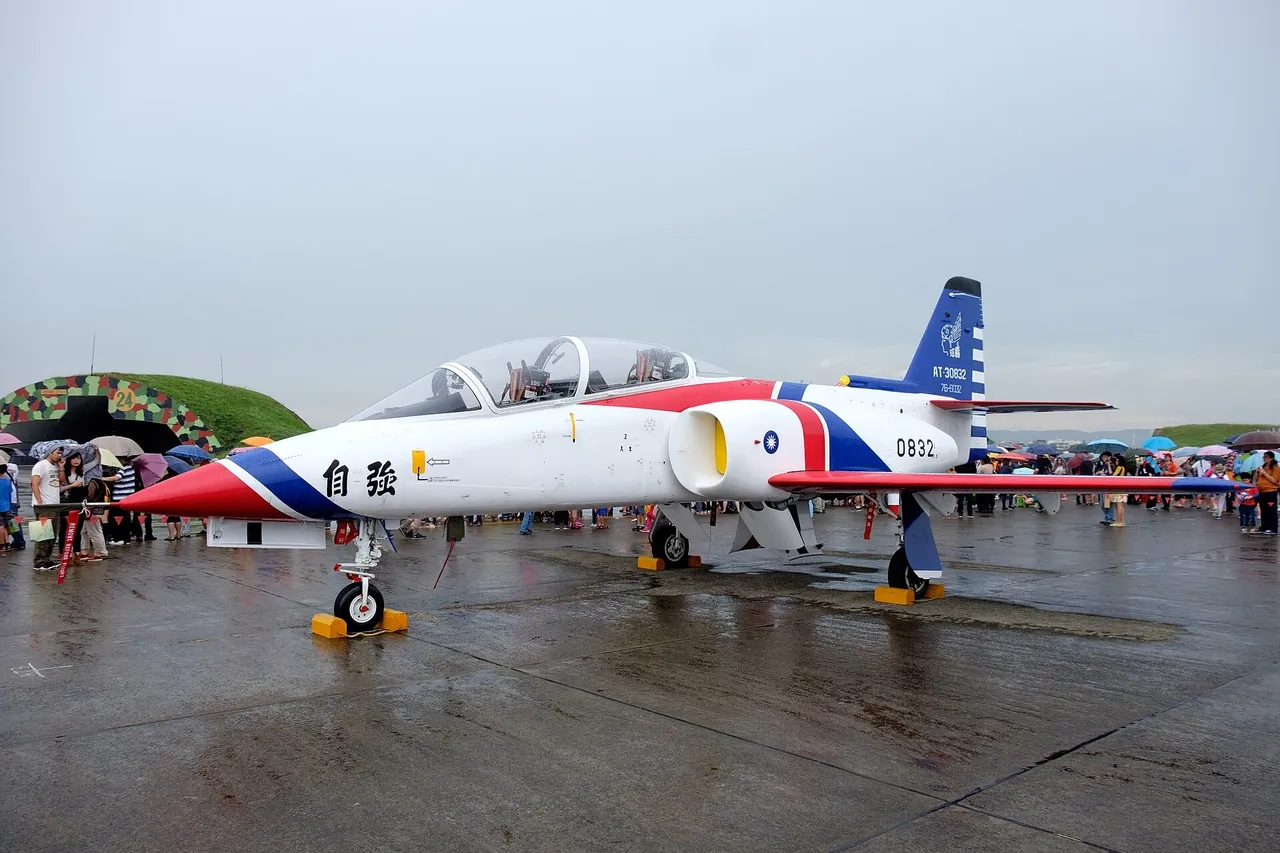
Paraguay's air force to receive 15 retired Taiwanese AT-3 jet trainers
Paraguayan air force sources say the retired AT-3s will arrive from mid-2027 and restore a jet combat capability the country has lacked since 2003.
TaiwanDefence · 9h ago · 3 min read
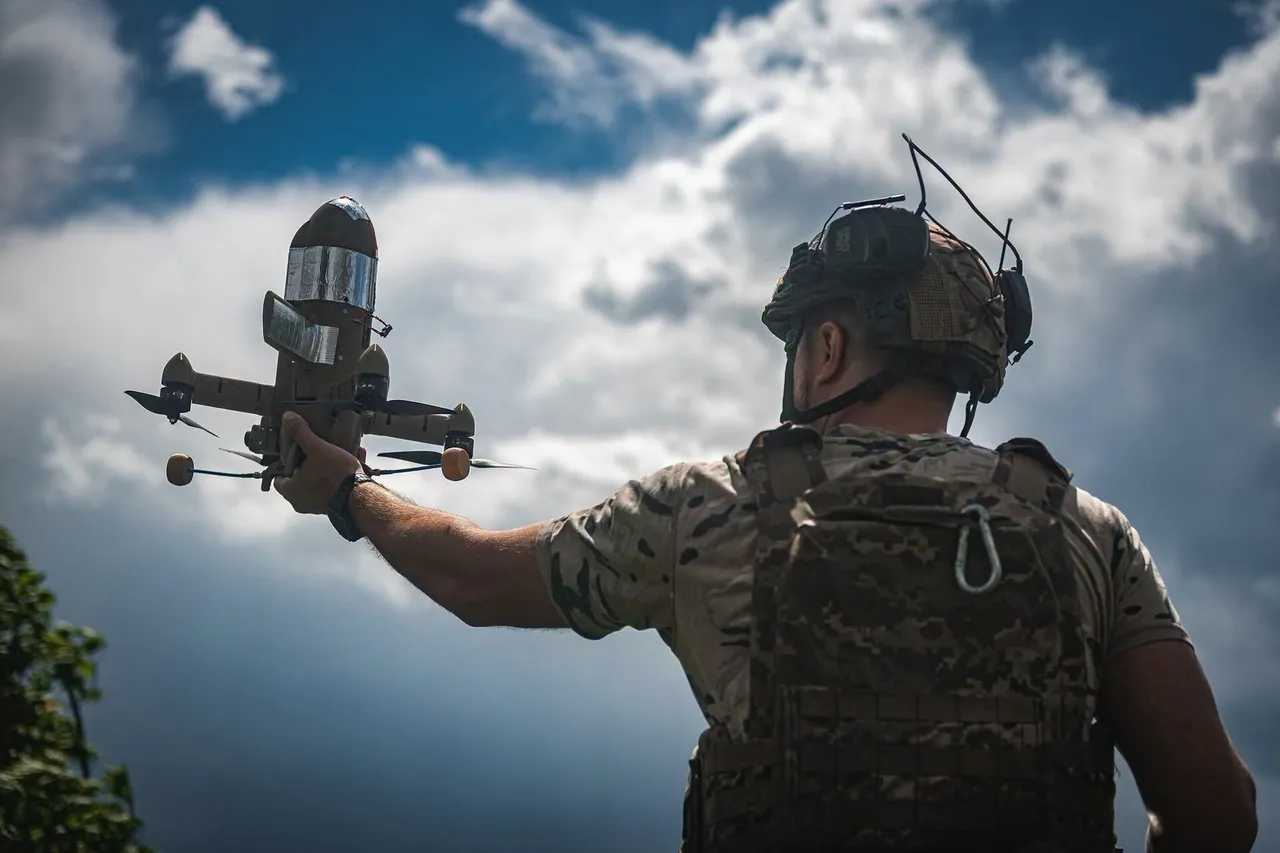
Russia threatens Japan with countermeasures after Terra Drone delivers interceptor drones to Ukraine
Moscow called the Japanese firm's delivery to Ukraine's military a hostile act and said drone plants in Ukraine are legitimate targets, raising the stakes for Japan's defence exports.
TaiwanDefence · 12h ago · 2 min read
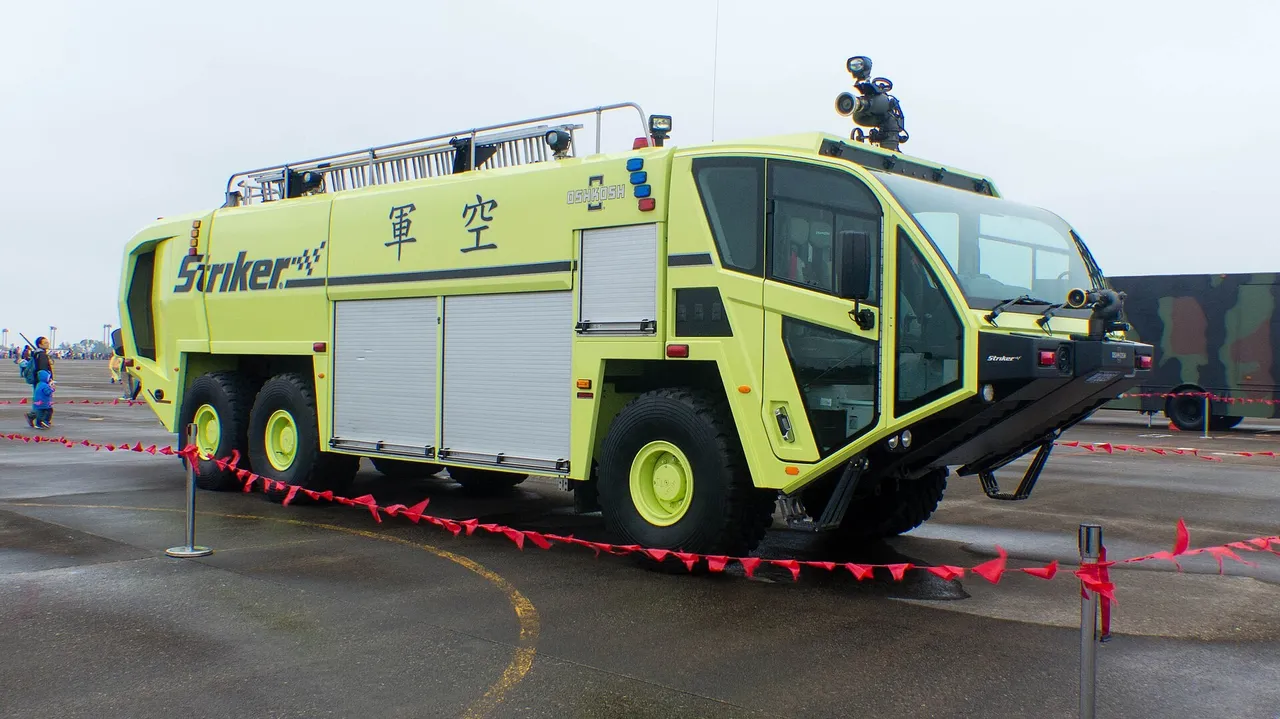
Taiwan's air force orders 18 US-built fire trucks to replace ageing airfield crash tenders
A NT$997 million contract awarded after a failed first tender will bring 18 new 3,000-gallon airfield fire trucks to air force bases by May 2028.
TaiwanDefence · 23h ago · 3 min read
Discussion (0)
Comments are not currently available.