
Paraguay's air force to receive 15 retired Taiwanese AT-3 jet trainers
Paraguayan air force sources say the retired AT-3s will arrive from mid-2027 and restore a jet combat capability the country has lacked since 2003.
TAIPEI —
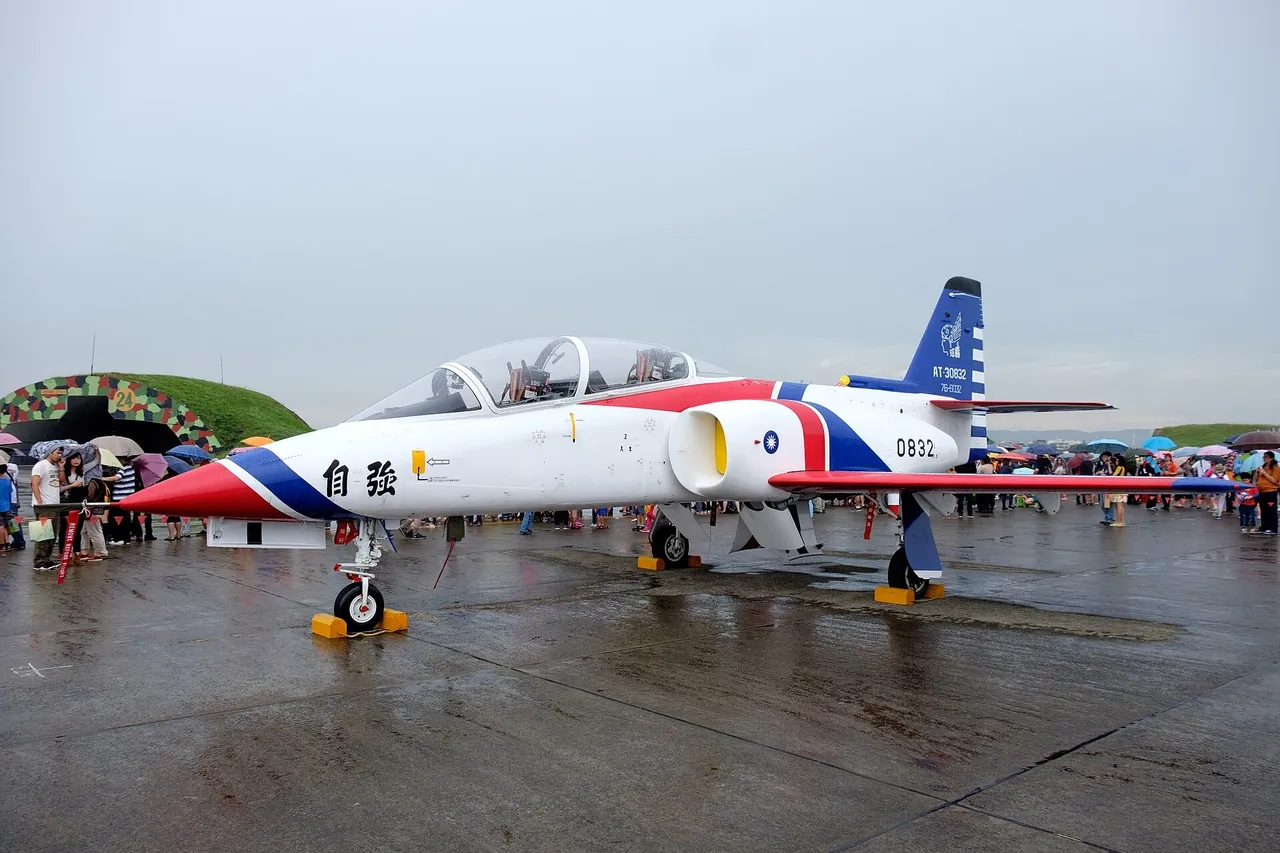
Paraguay's air force is set to receive 15 retired AIDC AT-3 Tzu Chung jet trainers from Taiwan, giving the South American country jet-powered combat aircraft for the first time in more than two decades. Air Data News reported on 22 October, citing the Argentine outlet Pucara Defensa and sources in the Paraguayan Air Force, that the aircraft are due to start arriving in Paraguay in disassembled form around the middle of 2027. The Brazilian defence site OP Magazine also reported on 22 October that the Paraguayan service had settled the transfer of 15 AT-3s, with deliveries planned from mid-2027.
According to the Air Data News account, four of the jets are expected to be flying with Paraguayan crews by the end of 2027 and all 15 should be assembled during 2028. Neither the Paraguayan nor the Taiwanese government has formally announced the transfer. Paraguay had earlier confirmed that it was negotiating with Taiwan for jet aircraft but had not named the type or the number.
The aircraft come from a fleet that Taiwan's air force no longer needs. The AT-3 completed its last flight-training missions with the Republic of China Air Force in late July and has been replaced by the locally built AIDC T-5 Brave Eagle advanced jet trainer, a source told Focus Taiwan in August. A formal decommissioning ceremony was to follow at a later date. At that time an air force official declined to comment on reports about Paraguay, saying only that military cooperation with the country follows Taipei's overall foreign policy.
Paraguayan President Santiago Pena, who is also commander-in-chief of the armed forces, announced in July that the air force would receive jet trainers under an agreement with Taiwan. Zona Militar reported that the announcement followed a visit to Paraguay by General Tian Zhong-yi, a deputy chief of the general staff of Taiwan's air force, who toured the First Air Brigade at Luque near Asuncion. At the time Taiwan still had 47 AT-3s on strength, according to that report.
Paraguayan planners also looked at retired Northrop F-5E/F Tiger II fighters from Taiwan. Air Data News said that option was dropped because of the fighter's operating costs, its limited remaining airframe life and the infrastructure Paraguay would need to support a supersonic jet. The AT-3s are expected to receive modifications before entering service, including new VHF radios.
The jets are to reactivate the Paraguayan Air Force's 1st Fighter Squadron. Plans also call for reopening an air base at Mariscal Estigarribia in the Chaco region, where a new combat group could eventually fly AT-3s alongside the force's Tucano and A-29 Super Tucano turboprops. Paraguay retired its last Embraer AT-26 Xavante jets in 2003 and has relied on propeller aircraft for training and combat since then. It received the last of six new A-29 Super Tucanos this month.
The AT-3 was developed in Taiwan with help from Northrop, first flew in 1980 and entered service in 1984 as an advanced trainer. Powered by two Honeywell TFE731 turbofans, it can reach about 898 kilometres per hour at low altitude and can carry bombs, rockets and short-range air-to-air missiles for light attack. Taiwan built 60 production trainers. Earlier cooperation between the two militaries supplied Paraguay with Bell UH-1H helicopters, Zona Militar noted.
Paraguay is one of the few countries that still recognise Taipei diplomatically, and the transfer would make Taiwanese-built combat jets the core of a partner air force abroad. For Taiwan, handing on aircraft it has already replaced costs little in front-line strength while giving its armed forces a visible role in keeping that relationship close.
Sources
More in Industry
Russia threatens Japan with countermeasures after Terra Drone delivers interceptor drones to Ukraine
Moscow called the Japanese firm's delivery to Ukraine's military a hostile act and said drone plants in Ukraine are legitimate targets, raising the stakes for Japan's defence exports.
TaiwanDefence · 3h ago · 2 min read
Taiwan's air force orders 18 US-built fire trucks to replace ageing airfield crash tenders
A NT$997 million contract awarded after a failed first tender will bring 18 new 3,000-gallon airfield fire trucks to air force bases by May 2028.
TaiwanDefence · 14h ago · 3 min read
Taiwan's Rui Yuan II maritime surveillance drone finishes its first build run as the navy plans 32
A Taiwanese contractor says it has delivered every Rui Yuan II drone under its NCSIST build contract, as the navy prepares to buy 32 of them by 2029.
TaiwanDefence · 17h ago · 2 min read
Discussion (0)
Comments are not currently available.