
Japan moves to require state approval for land deals near military bases and on remote border islands
Tokyo's cabinet backs a bill that would bar foreign governments and military personnel from buying land within about 1 km of drone-vulnerable defence sites.

TAIPEI —
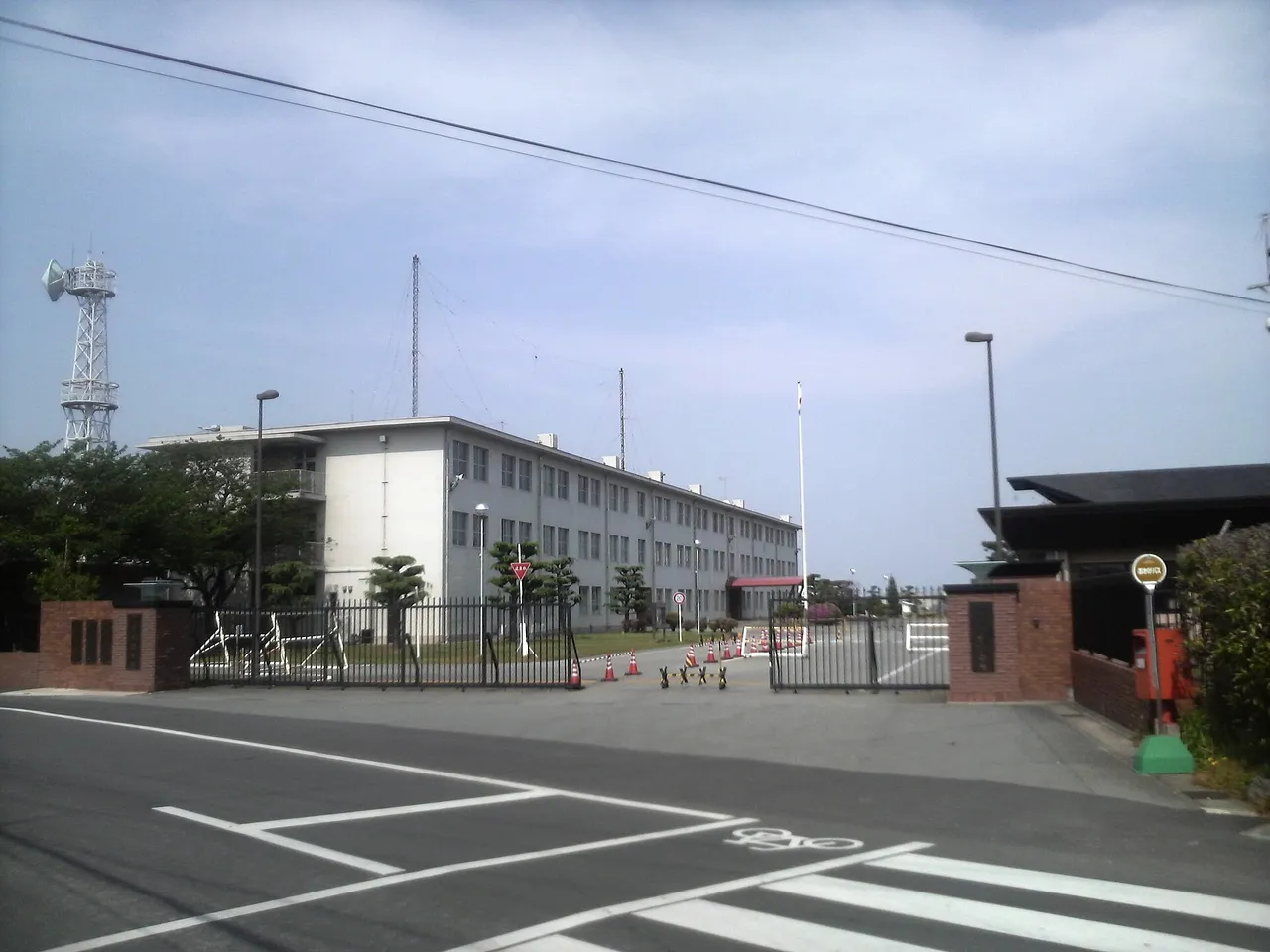
Japan's cabinet on 23 October approved a bill that would require advance government permission to buy or transfer land near Self-Defense Forces bases and other sites judged vital to national security. The bill would also ban, in principle, the sale of such land to foreign governments and foreign military personnel. Prime Minister Sanae Takaichi's government wants the Diet to pass it during the current session, which runs to mid-December.
The measure revises the existing law that regulates land use around important facilities. Under the current rules, people who plan to buy land around Self-Defense Forces and Japan Coast Guard sites, as well as nuclear facilities, only have to notify the government beforehand. The new bill would turn that notice requirement into a permission system in the most sensitive places.
Those places would be called regulated zones. According to the reports, they would cover land within roughly 1,000 metres of defence facilities whose work could be badly disrupted by a drone attack, along with uninhabited islands on Japan's outer borders. Jiji Press reported that the zones would be picked from the special monitored areas already listed under the current law, and that the defence and coast guard sites in question are those that host fighter aircraft or radar systems.
Inside the zones, ownership could not in principle pass to foreign governments, foreign military personnel or companies they effectively control. People who are legally obliged to help a foreign government gather intelligence would also be shut out. Deals made without permission would be void, and the land registry would refuse to record them. Breaking the rules could bring up to three years in prison or a fine of up to 3 million yen, about 19,000 US dollars.
The bill also deals with companies that become ineligible after a merger or a similar change. The government would order such a company to sell the land to a third party within a year, and could ask a court to auction it if the company does not comply. Cabinet Office officials would gain powers to carry out on-site inspections in the zones. Police could also inspect when needed and, if they find activity that hampers a designated facility, recommend that the prime minister seek corrective steps.
Ministers linked the change directly to drone warfare. Chief Cabinet Secretary Minoru Kihara told reporters that the war in Ukraine has shown new forms of fighting, and that land near key facilities could be used as a base for attacks with unmanned systems that had been hidden there in advance. Economic security minister Kimi Onoda said after the cabinet meeting that controls must start when land is bought, so that attacks launched by methods that are hard to detect can be stopped before they happen.
Jiji Press said the government also wants to stop information about important facilities from being stolen and to keep their functions from being disrupted as new threats emerge. The bill now goes to parliament, where it will need approval in both chambers before the permission system can take effect.
Sources
More in Indo-Pacific
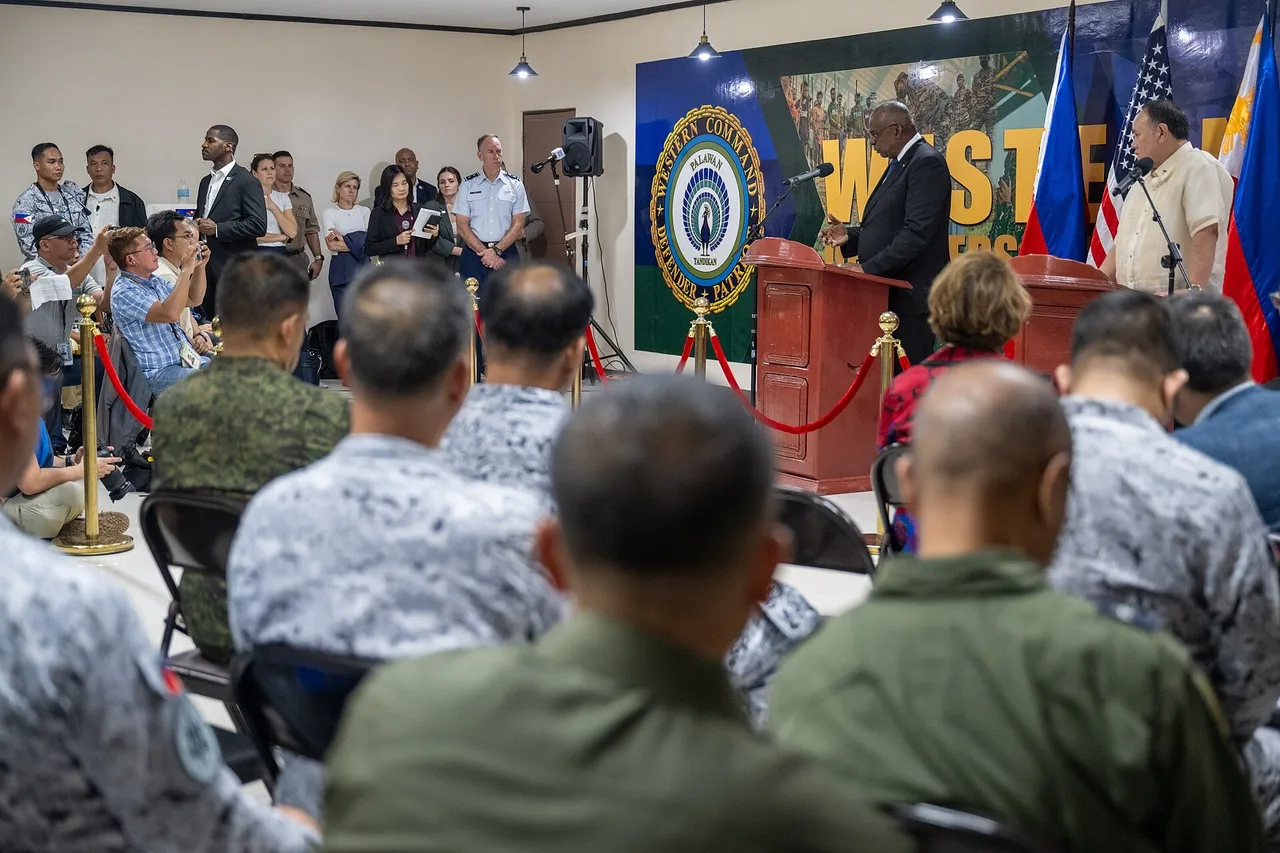
Philippine defence chief says any forced Chinese towing of BRP Sierra Madre would be an act of war
Gilberto Teodoro answered a Manila Chinese-language paper's report that Beijing is weighing 10 countermeasures, including removing the grounded outpost ship.
TaiwanDefence · 3h ago · 3 min read
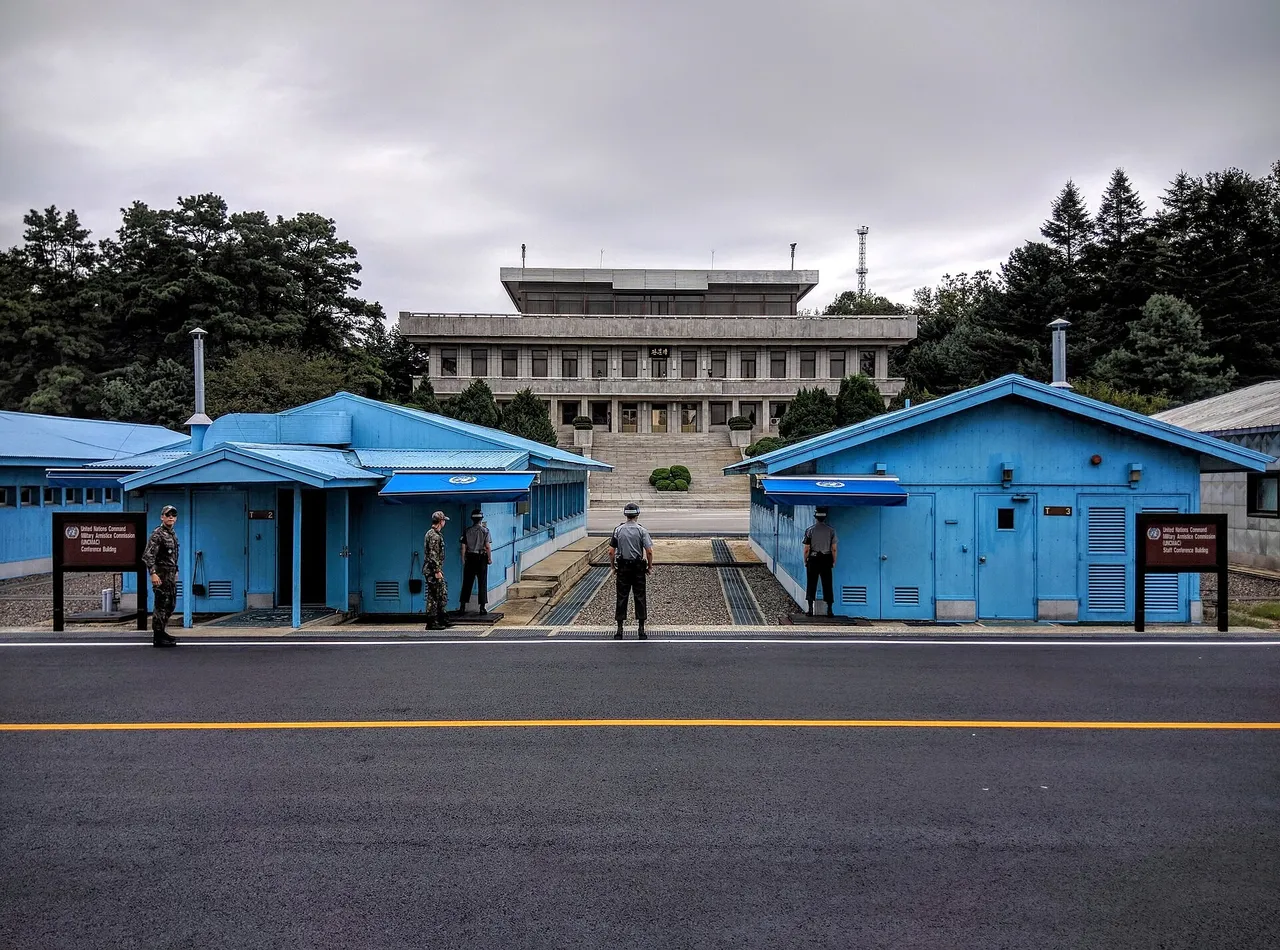
South Korea again asks North Korea for military talks to fix the border line and prevent clashes
Seoul's defence ministry wants to settle where the demarcation line runs, restore military hotlines and avoid accidental clashes, nearly a year after its first offer went unanswered.
TaiwanDefence · 4h ago · 3 min read

New Zealand's defence force chief resigns over a relationship he failed to disclose
Air Marshal Tony Davies quit with immediate effect after admitting an inappropriate relationship while in unit command; the Inspector-General of Defence will look into it.
TaiwanDefence · 6h ago · 2 min read
Discussion (0)
Comments are not currently available.