
Japan's defence minister plans to rebuild military research labs around AI, cyber and command
Shinjiro Koizumi says the procurement agency's research institutes will be reorganised by function rather than by type of equipment, to speed up detection and decisions.
TAIPEI —
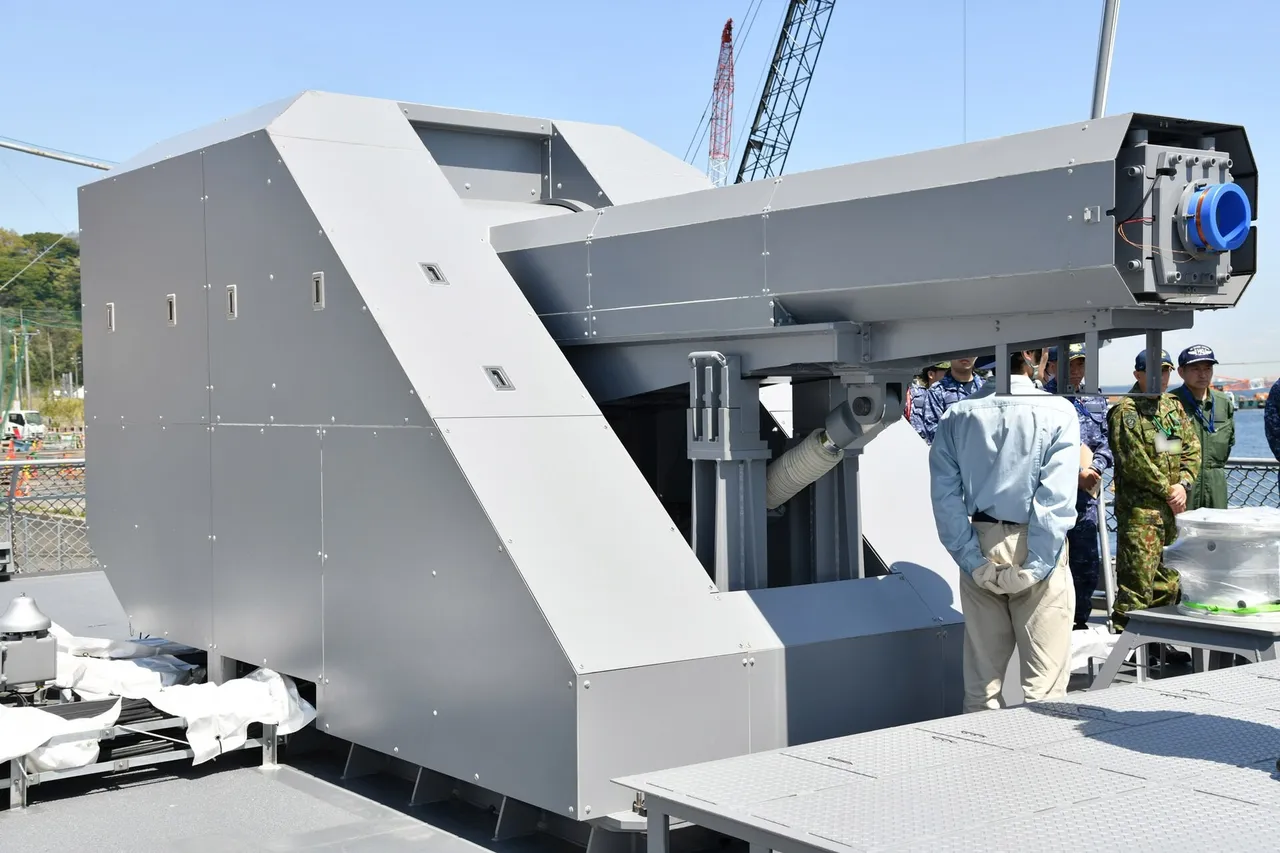
Japanese Defence Minister Shinjiro Koizumi said on 23 October that the research institutes run by the ministry's Acquisition, Technology and Logistics Agency, known as ATLA, will be fundamentally reorganised around military functions rather than types of equipment, with artificial intelligence and cyber capabilities among the priorities. He announced the plan in a speech in Tokyo at a security forum co-hosted by Nikkei and the Center for Strategic and International Studies, according to Sankei, Mainichi and Nikkei Asia.
ATLA's laboratories are currently divided by the kind of hardware they work on, with separate institutes for air, ground, naval and next-generation systems, Sankei reported. Mainichi described the air systems institute as carrying out research and testing on aircraft and guided weapons, and the naval systems institute as studying ships and underwater weapons. NHK said the change would cover the four research institutes that the agency oversees.
Under the new set-up, the institutes would be grouped around functions such as AI, cyber, command and control, and information and communications, Sankei said. Mainichi reported that Koizumi called AI and cyber fields that have come to stand for new ways of fighting, and said he wants the ministry to strengthen its research along those functional lines.
Koizumi tied the overhaul to speed in combat. Sankei reported that he said Japan must be able to find an opponent, make decisions and respond faster than that opponent can. Nikkei Asia likewise said the restructuring is meant to speed up the detection of threats and decision-making. None of the reports gave a timetable for the change or said how staff, facilities or budgets would be divided among the new institutes.
The minister also signalled more help for arms makers. Sankei reported that Koizumi said the government intends to revise the law in next year's session of the Diet to give the domestic defence industry stronger backing than it has had so far. The newspaper said the remark appeared to point to measures to bolster the national production base and to create an independent administrative agency that would promote defence research and development, though those details were Sankei's reading rather than specifics the minister set out.
Turning to the revision of Japan's three main security documents, including the National Security Strategy, which the government plans to complete within this year, Koizumi said one keyword would be denial capability, Mainichi reported. He described this as the ability to push back threats closing in on Japan without Japan itself going on the offensive.
The plan comes days after ATLA reported a jump in academic interest in its funding. The Japan Times reported on 20 October that the agency received a record 291 applications from universities and other educational institutions for its security technology research promotion programme this fiscal year, more than double the 123 of the previous year. Nineteen universities were selected, 11 of them for the first time, including Nagoya University, Osaka University and Keio University.
Koizumi told reporters at the time that academic attitudes toward the defence sector had clearly shifted, and that defence and civilian research could no longer be neatly separated. The Japan Times noted that the Science Council of Japan had criticised the programme in 2017 because it funds dual-use technology that could be applied to weapons, after which university applications fell to only around 10 over several years.
Sources
More in Indo-Pacific
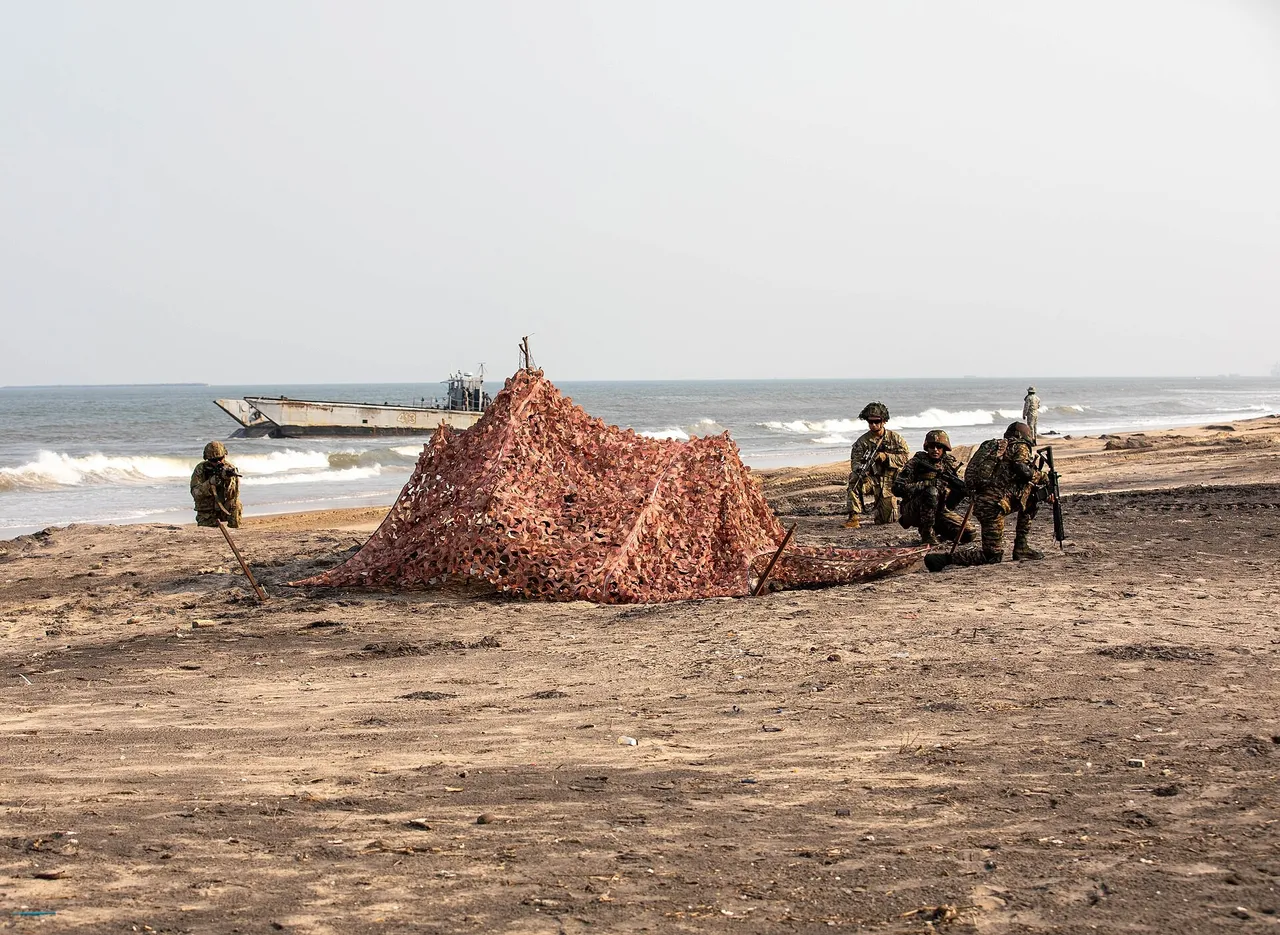
India unveils new Army land warfare doctrine shaped by drones, AI and Operation Sindoor
Defence Minister Rajnath Singh released the doctrine in New Delhi, setting a framework for multi-domain war, unmanned teaming and joint operations.
TaiwanDefence · 8m ago · 3 min read
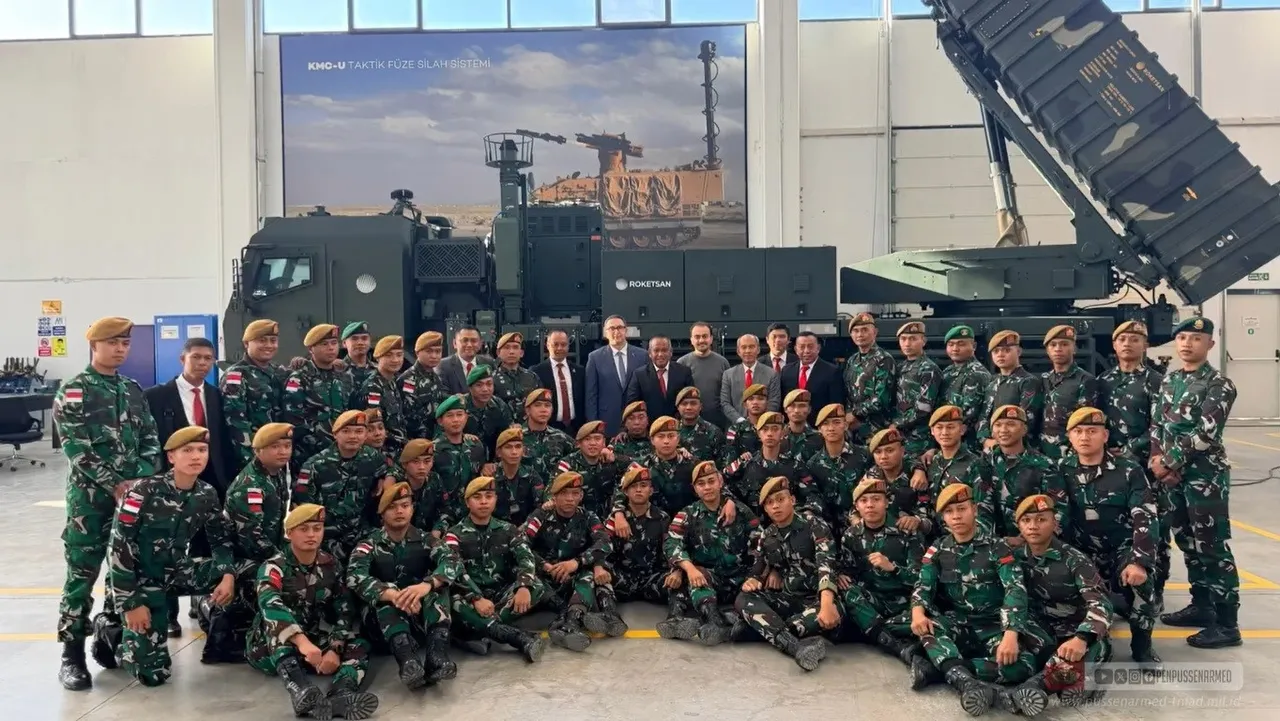
Indonesian Army test-fires guided TRG-122 rockets from its new Turkish launcher in East Kalimantan
A new artillery battalion fired three Roketsan guided rockets over two days as part of the army's purchase of the KHAN-based ITBM rocket and missile system.
TaiwanDefence · 2h ago · 2 min read
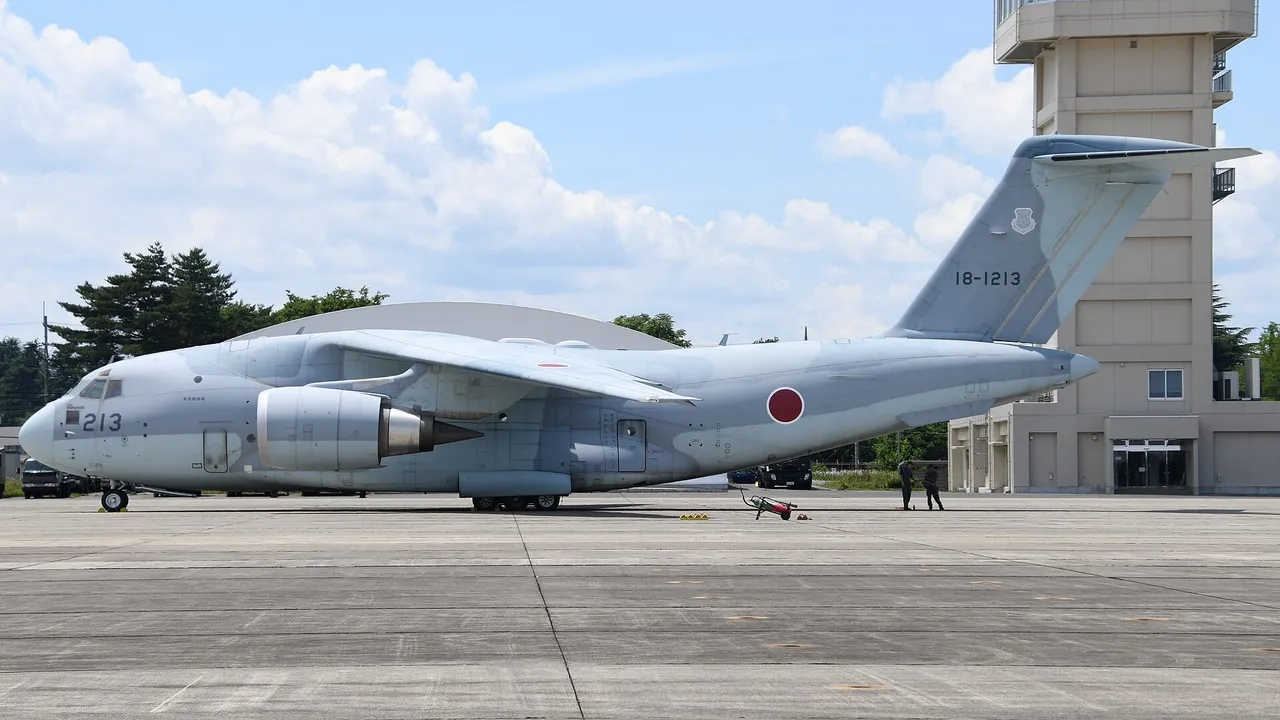
Japan and Germany rehearse wartime casualty evacuation in the largest SDF medical drill yet
About 300 Japanese, German and allied personnel practised treating drone and chemical attack casualties and flying them to hospitals at Iruma air base.
TaiwanDefence · 3h ago · 2 min read
Discussion (0)
Comments are not currently available.