
US Army activates a permanent air defence battalion on Guam against Chinese and North Korean missiles
The 3rd Battalion, 43rd Air Defense Artillery replaces Task Force Talon on Guam and is due to run Patriot, THAAD and counter-drone systems.
TAIPEI —
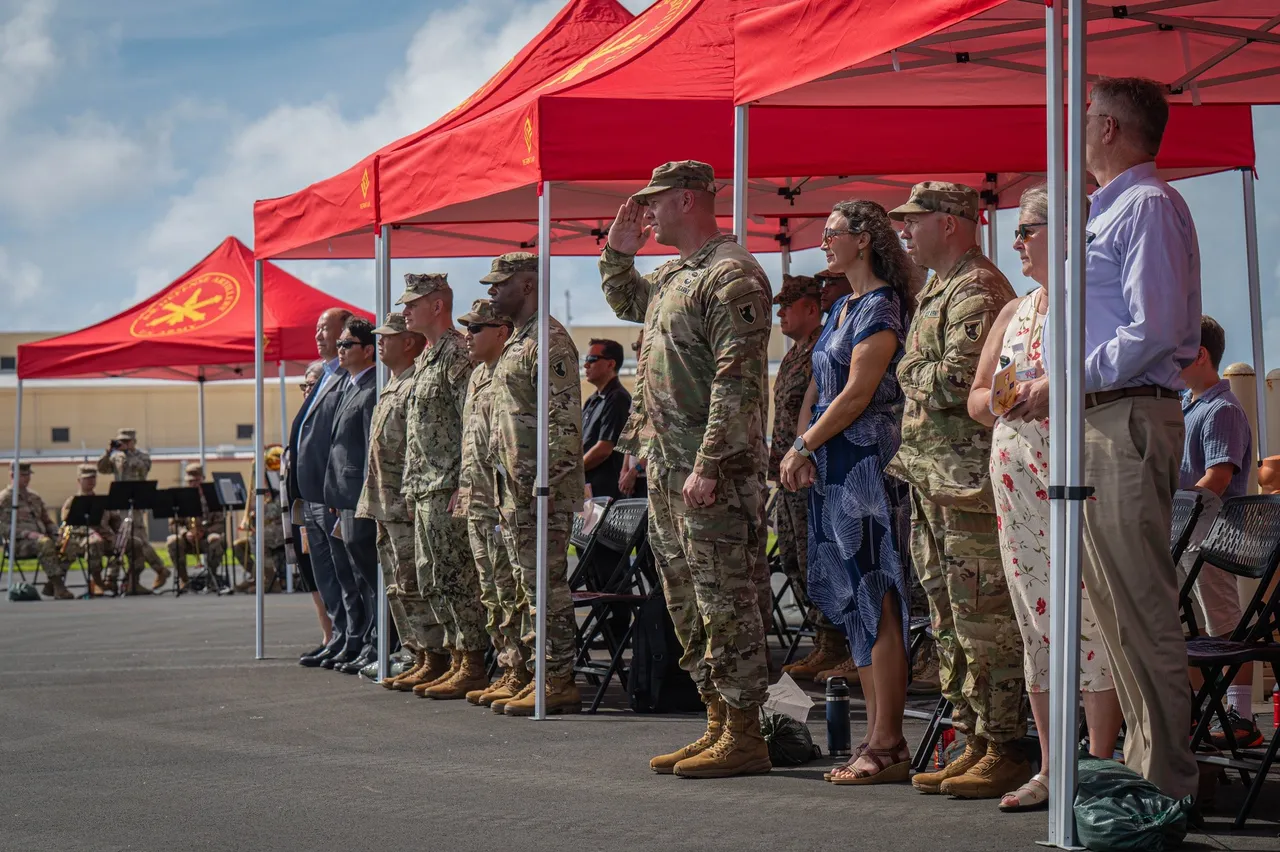
The US Army has activated the 3rd Battalion, 43rd Air Defense Artillery Regiment on Guam, giving the island a permanent Army air and missile defence unit in place of the rotational task force that had carried out the mission since 2013. The battalion, part of the 38th Air Defense Artillery Brigade and the 94th Army Air and Missile Defense Command, marked its activation at a ceremony at Andersen Air Force Base on 16 October, according to an Army release and official photographs published this week.
The Army said the battalion's task is to support the defence of Guam by keeping its forces ready and providing protection against air and missile threats. It said the island's location makes it an important part of US military operations across the region, so defending it from the air also protects the forces and infrastructure those operations depend on.
USNI News reported on 23 October that the unit is meant to shield the island from increasingly advanced air and missile threats fielded by China and North Korea. The outlet said the mission began as a hedge against North Korean ballistic missiles but has widened as the People's Liberation Army Rocket Force has grown, and that the Pentagon began planning the Guam Defense System in 2023 to defeat Chinese ballistic, cruise and hypersonic strikes.
Task Force Talon operated Guam's Terminal High Altitude Area Defense system, known as THAAD, from 2013, working with other services and the Guam Army National Guard, the Army said. The task force formally deactivated in July 2026. The Army described the move from a task force to a standing battalion as a sign of the Department of War's commitment to permanent air defence capabilities in the Indo-Pacific. The regiment traces its lineage to 1916, when a predecessor unit was formed in the Philippine Islands.
At the ceremony, Col. Moseph Sauda, commander of the 38th brigade, told the soldiers that their vigilance would have strategic consequences and that their readiness would help shape regional stability, according to the Army. The battalion commander, Lt. Col. Joshua Urness, said his soldiers had developed the procedures and integration needed to link sensors, command and control systems, launchers and interceptors into a single defensive architecture, and that the battalion now stands up the Army's contribution to the Guam Defense System.
The battalion is due to operate Patriot, THAAD and Indirect Fire Protection Capability systems, a spokesman for the 94th command told Stars and Stripes in August. THAAD is designed to hit ballistic missiles at high altitude in their final phase, Patriot covers lower-tier ballistic missiles, advanced cruise missiles and aircraft, and the Indirect Fire Protection Capability, or IFPC, is intended for lower-flying threats such as drones and cruise missiles.
Stars and Stripes said the battalion is one part of the wider Guam Defense System, a Defense Department effort of roughly 8 billion dollars to protect the island against missiles that could be launched in a conflict with China or North Korea. A Congressional Research Service report cited by the paper said the first IFPC equipment is due in the first quarter of fiscal 2027 and that the Army plans to have 20 IFPC launchers on Guam by the third quarter of that fiscal year. The command declined to give troop numbers, delivery dates for Patriot and IFPC equipment, or a date for full operational capability, citing operational security.
For now, Guam's defences rest on six Army THAAD launchers, with US Navy warships carrying the Aegis Combat System assigned as needed, USNI News said. Future plans call for a networked system able to detect and intercept air and missile threats from any direction.
The timeline has not been entirely clear. Stars and Stripes reported in August that the Army had already held a ceremony at Andersen on 1 July marking Task Force Talon's inactivation and the battalion's reactivation, and that the command had not explained how a planned October transition differed. The Army's latest release treats the 16 October ceremony as the battalion's activation.
Guam is home to Andersen Air Force Base, Marine Corps Camp Blaz and Naval Base Guam, including the submarine facility at Polaris Point. A permanent, layered Army air defence force there is meant to keep that hub working if China's long-range missile forces target it in a Western Pacific conflict.
Sources
More in Indo-Pacific
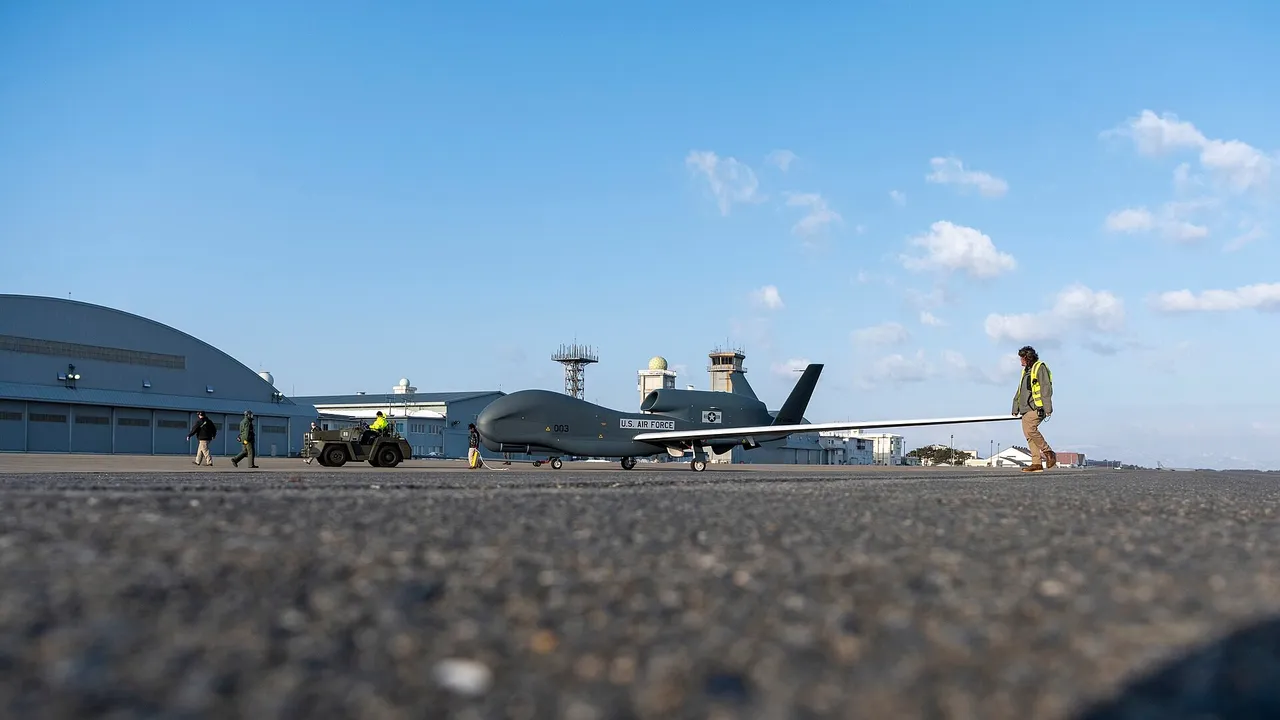
Japan's air force ends seabed recovery of its crashed Global Hawk and turns to finding the cause
The JASDF says it has raised all wreckage found underwater from the RQ-4B that went down off Tottori in September, while coastal searches go on.
TaiwanDefence · 2m ago · 2 min read
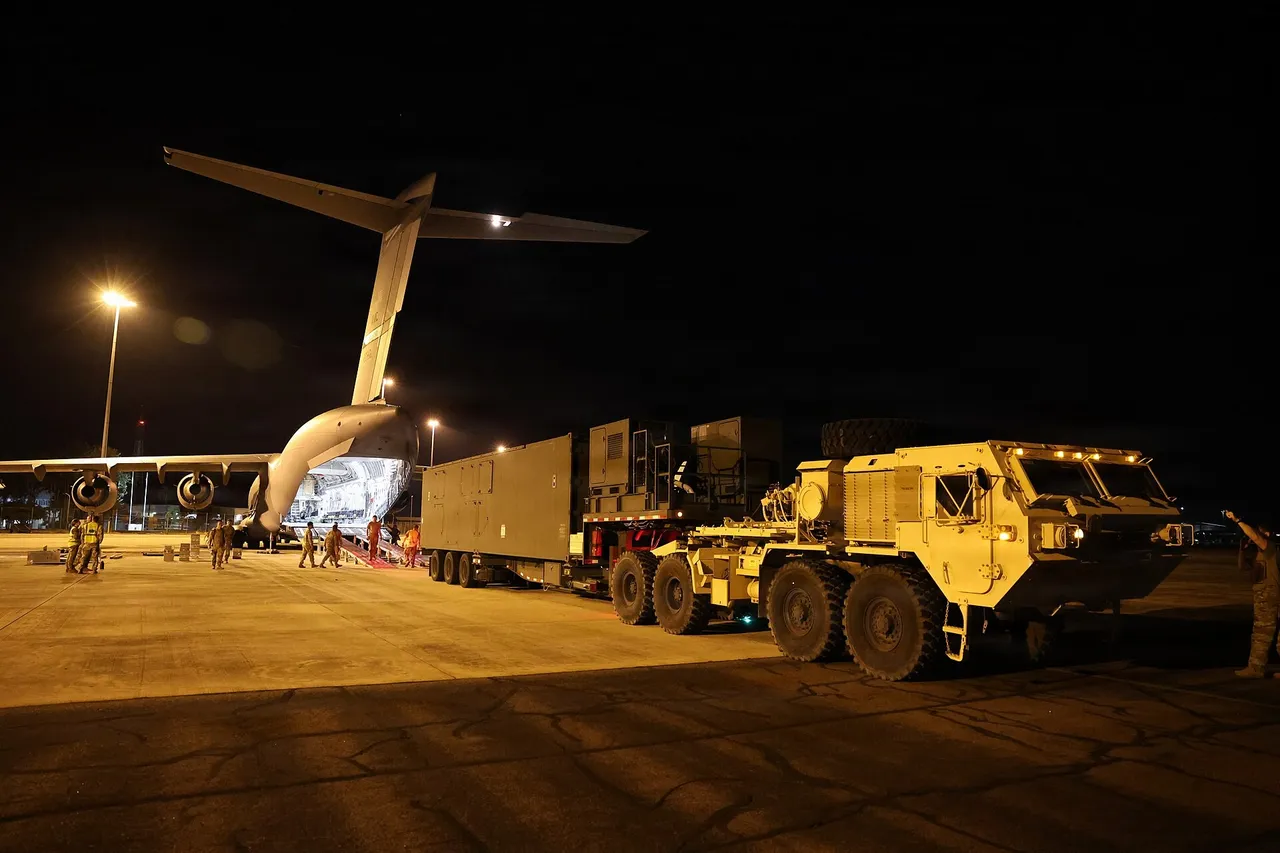
US Army's Typhon missile launcher arrives at Kadena Air Base on Okinawa for storage
Japan's Okinawa Defense Bureau says the Typhon launcher has moved from Kanoya in Kyushu to Kadena, where it will be stored with no end date given.
TaiwanDefence · 1h ago · 3 min read
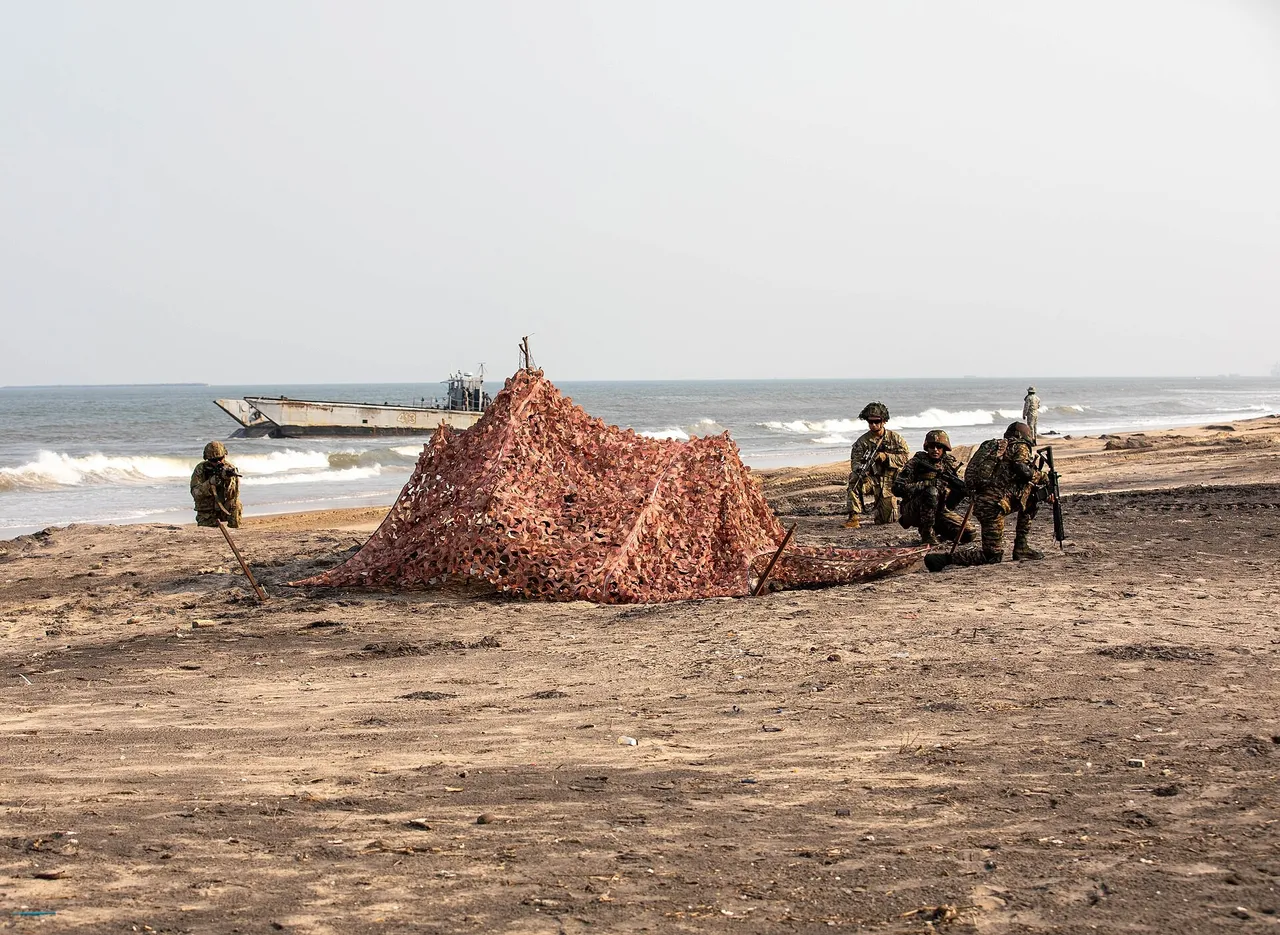
India unveils new Army land warfare doctrine shaped by drones, AI and Operation Sindoor
Defence Minister Rajnath Singh released the doctrine in New Delhi, setting a framework for multi-domain war, unmanned teaming and joint operations.
TaiwanDefence · 4h ago · 3 min read
Discussion (0)
Comments are not currently available.