
India's foreign ministry blames Chinese patrol deviations for trouble on the disputed border
New Delhi's first official comment since its border police chief disclosed face-offs in Arunachal Pradesh says the two sides will talk about how each reads the LAC.
TAIPEI —
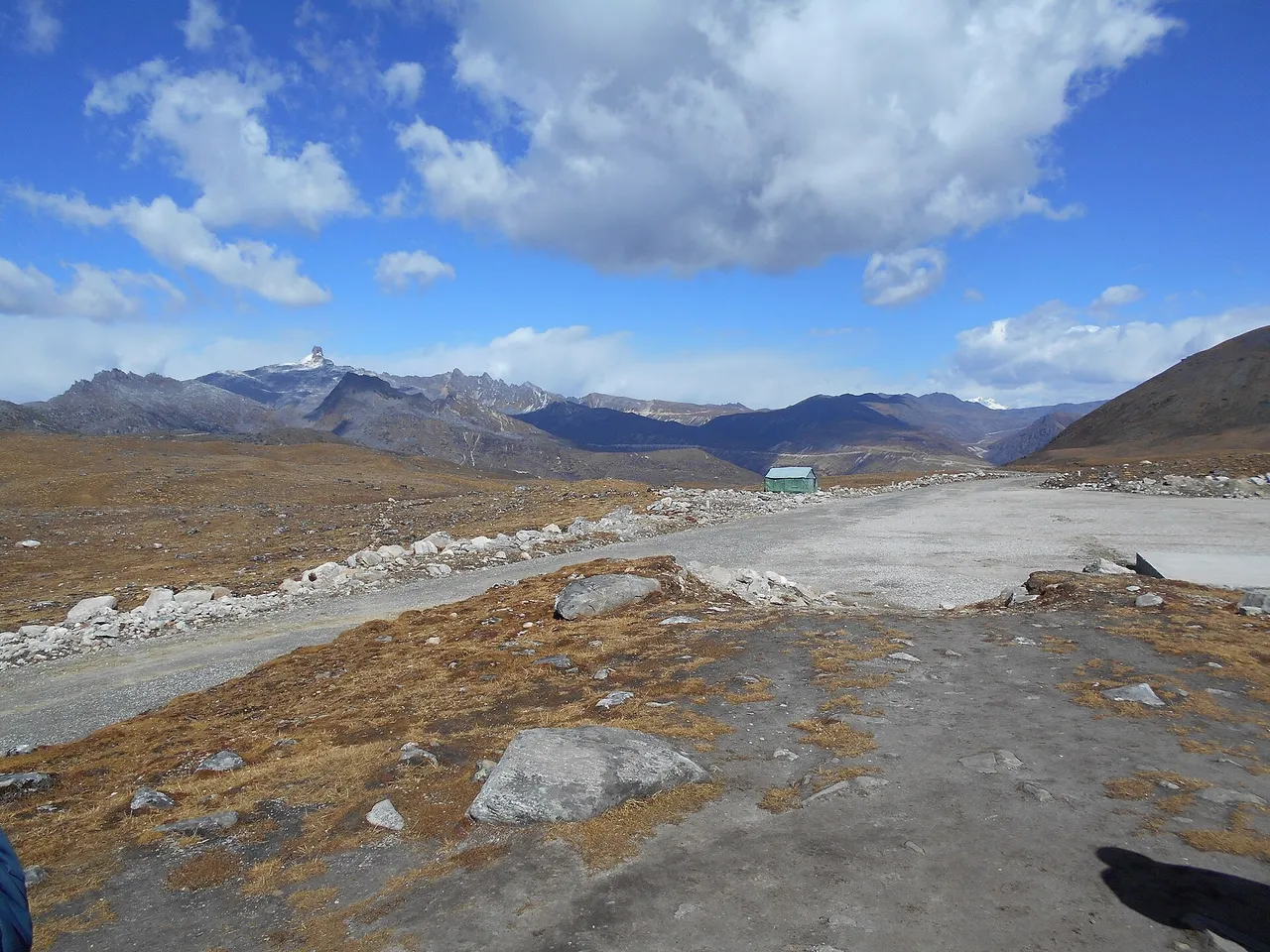
India's Ministry of External Affairs said on 23 October that the situation along the disputed border with China becomes disturbed from time to time when Chinese forces move away from established patrolling patterns. Spokesperson Randhir Jaiswal made the comment at a regular briefing in New Delhi, in reply to questions about a senior Indian border police officer's statement that face-offs with Chinese troops were still going on in Arunachal Pradesh.
Jaiswal said both countries keep using their existing diplomatic and military channels to settle outstanding issues and to avoid misunderstanding and miscalculation along the Line of Actual Control, the de facto border. He added that the two sides have agreed to discuss ways to improve their understanding of the line in appropriate areas, with the aim of better border management, and he repeated India's position that peace and calm on the border are essential for the wider relationship.
The spokesperson gave no details on where the reported confrontations took place, what form they took or whether they were still under way. He referred questions on the operational situation to the Ministry of Defence, according to The New Indian Express and The Hindu.
The questions followed remarks by Shatrujeet Kapur, the outgoing director general of the Indo-Tibetan Border Police, the force that guards much of the frontier with China. Speaking to his personnel at a ceremony in Alwar, Rajasthan, on 22 October, Kapur said there had recently been a face-off at several locations in Arunachal Pradesh that was still continuing, and he praised the work of the force's Shaurya commando teams there. The Hindu, which first reported the speech, said the face-offs had been under way since July 2026.
The Hindu described the ministry's answer as the first time the government had officially accepted that the border remains tense, more than two years after Prime Minister Narendra Modi and President Xi Jinping announced an easing between their militaries. The newspaper also reported that the video of Kapur's speech had been removed from the border police force's official YouTube channel. The remarks set off a political row, with the opposition Congress party attacking the government's handling of border security.
In the same speech, Kapur, who is due to retire on 31 October, said China had invested heavily in the People's Liberation Army and had made advances in conventional warfare, according to The Tribune. He argued that drones could act as an equaliser and said the force was building a specialised high-altitude mountain combat capability, with a full battalion of Shaurya commandos planned. He also said strike training for the whole force would be finished by the end of 2027, that equipment to handle clashes like the 2020 Galwan fight would reach all forward border posts, and that hardened underground facilities were being built along the front line.
The two countries have tried to steady their relations since an October 2024 understanding to disengage troops from the remaining friction points in eastern Ladakh, which ended a long military standoff. Modi attended the Shanghai Cooperation Organisation summit in Tianjin in August last year and held talks with Xi there, and the two leaders met again last month on the margins of the BRICS summit in New Delhi, The New Indian Express reported.
TaiwanDefence has not seen a response from China's foreign or defence ministries to the Indian statements. New Delhi's admission that PLA patrol behaviour is still causing friction in the eastern sector, combined with the border force's preparations for Galwan-style clashes, shows that the easing has not removed the military pressure China keeps on a second long frontier while its forces also press around Taiwan and in the western Pacific.
Sources
More in Indo-Pacific
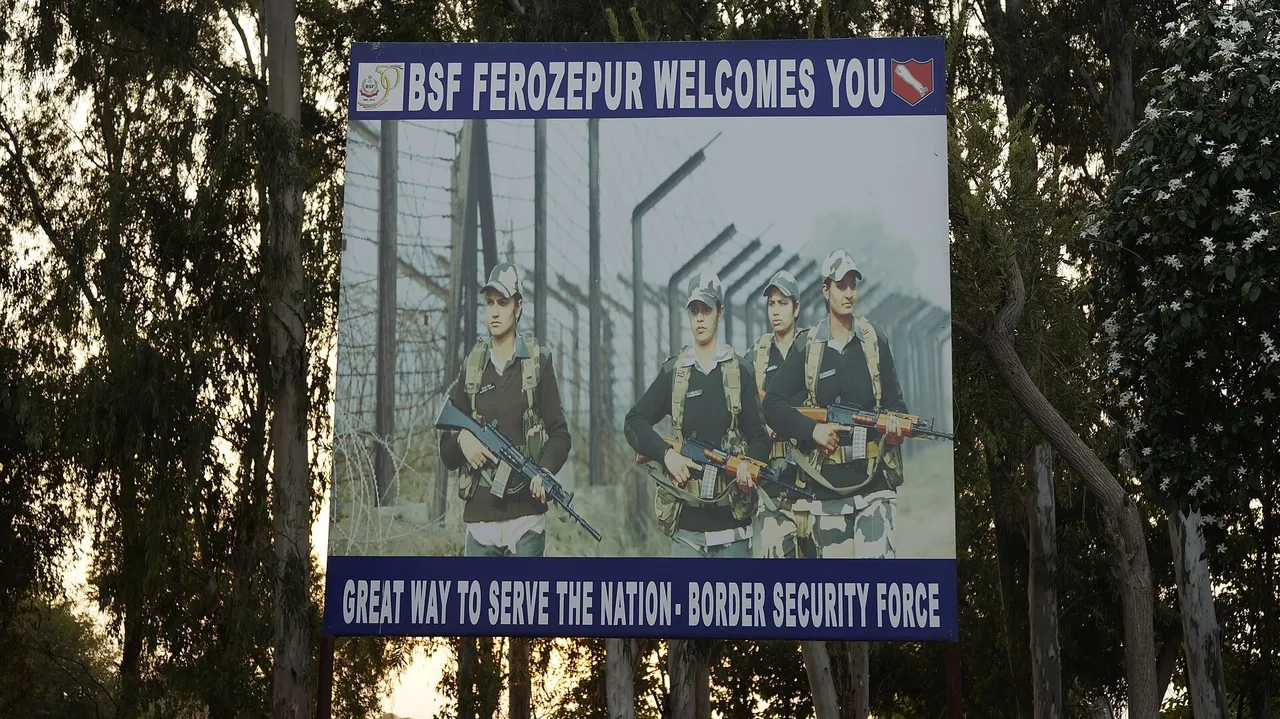
Indian Army intelligence and Punjab police arrest border couple accused of spying for Pakistan
Investigators say the pair from a Ferozepur border village passed details of army sites and depots to handlers linked to Pakistan's intelligence service.
TaiwanDefence · 3h ago · 3 min read
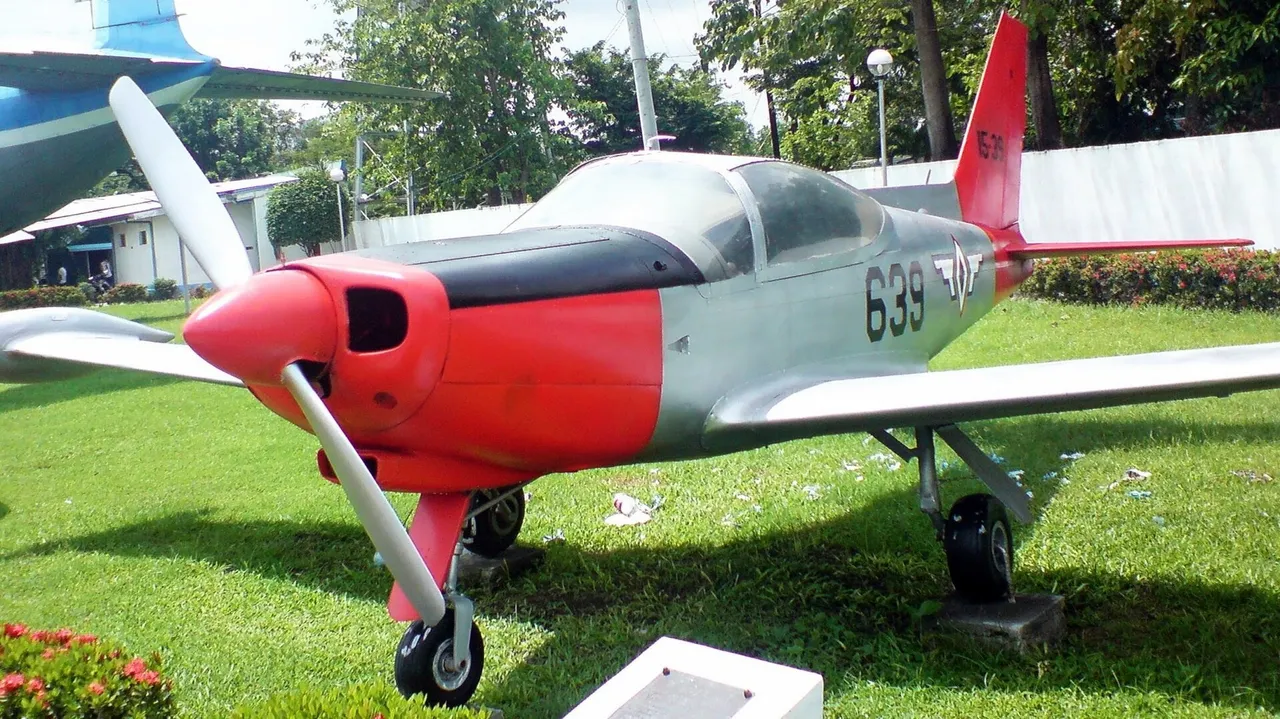
Two Philippine Air Force SF-260 trainers involved in an incident during a training flight at Lipa
The air force says response teams secured the site at Fernando Air Base in Batangas but has not said whether anyone was hurt, five months after a fatal SF-260 crash.
TaiwanDefence · 3h ago · 2 min read
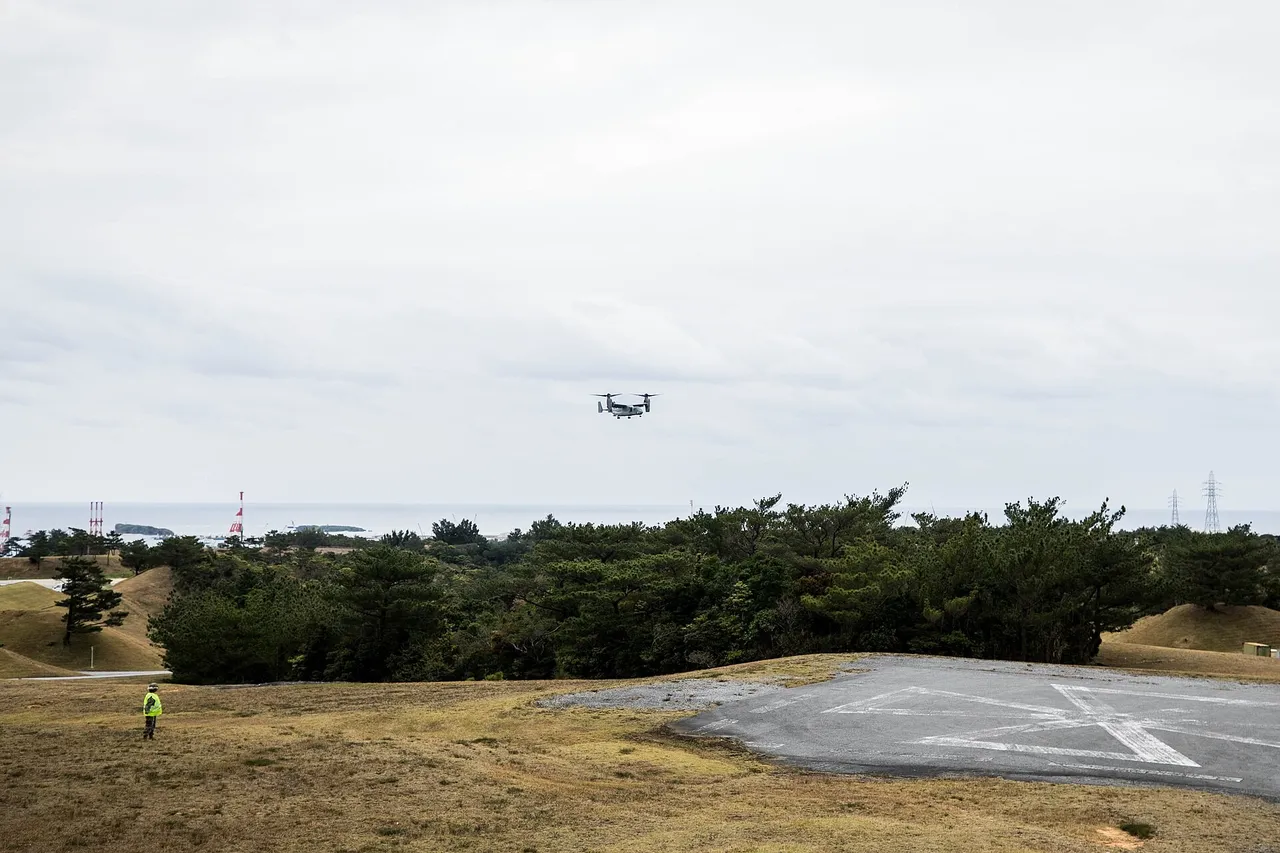
Japan and the US agree to close a Marine helicopter pad beside a college at Camp Schwab in Okinawa
Defence Minister Koizumi says LZ Phoenix near Henoko will shut once its functions move to a renovated landing zone about 1 km north inside the base.
TaiwanDefence · 4h ago · 2 min read
Discussion (0)
Comments are not currently available.