
Indian Army intelligence and Punjab police arrest border couple accused of spying for Pakistan
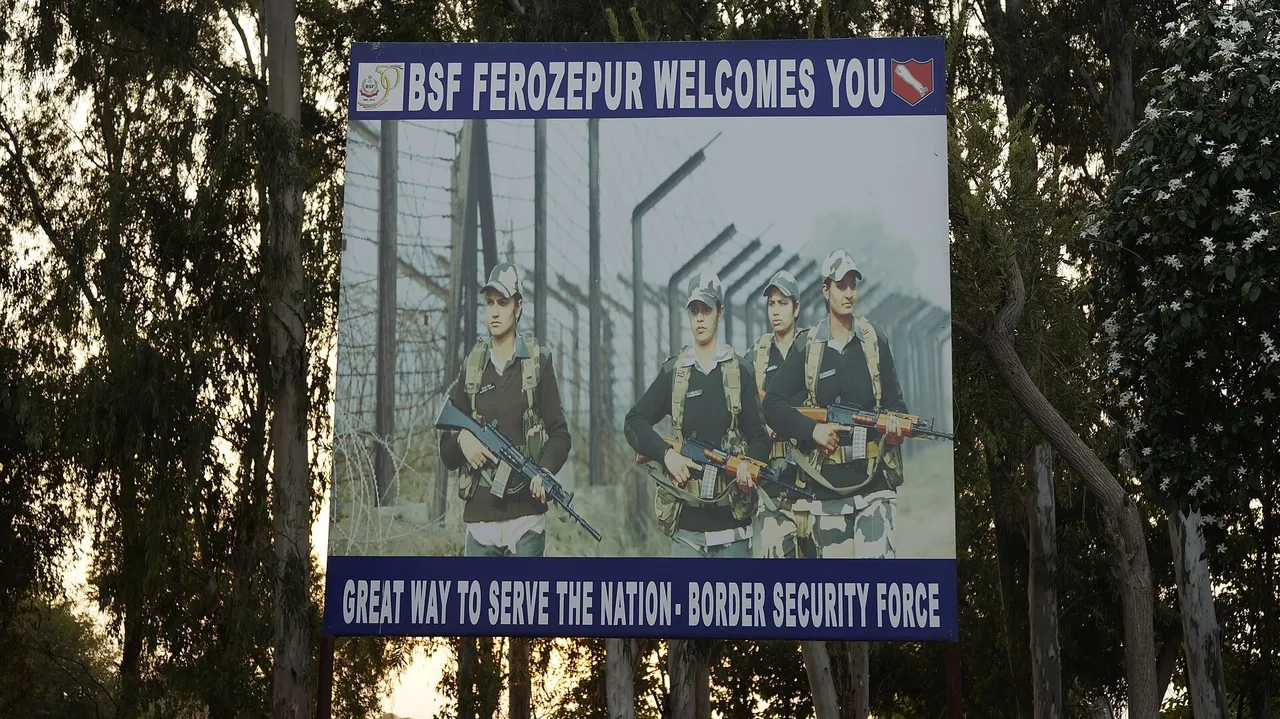
Investigators say the pair from a Ferozepur border village passed details of army sites and depots to handlers linked to Pakistan's intelligence service.
TAIPEI —
Indian Army Intelligence, working with the Punjab Police, has arrested a married couple from Kalu Wala, a village on the international border with Pakistan in Ferozepur district, on suspicion of running a spy network for handlers linked to Pakistan's Inter-Services Intelligence, according to Indian reports published on 23 October. The Times of India described Kalu Wala as the last Indian village before the border in that district.
The two suspects were named as Gurpreet Singh Gora and his wife, Harmanpreet Kaur. Ferozepur's senior superintendent of police, Bhupinder Singh, confirmed the arrests to The Tribune but would not give further details, saying the investigation was still under way. The couple were detained after intelligence tips that Army Intelligence and the police then checked, The Times of India reported.
According to the police account reported by The Times of India, the pair are accused of gathering and sending on sensitive material about Indian Army establishments. That allegedly included maps of military locations, details of weapons and ammunition depots, cantonment areas, and information on military readiness and security arrangements. The handlers who allegedly received it were said to be operating from Pakistan and Malaysia. The Daily Jagran, citing people familiar with the case, said the material also covered army movements and deployments near the border.
Investigators regard the wife's alleged role as the most sensitive part of the case. Police records cited by The Times of India say she presented herself as a police officer and used Instagram and Snapchat to approach army personnel, in what investigators suspect was an attempt to draw soldiers into relationships and extract military information from them. The Tribune reported that a police uniform was found at the couple's home.
The couple are also accused of passing information about surveillance on the border area to smugglers based in Pakistan, according to both The Times of India and The Daily Jagran.
Several mobile phones were seized and are undergoing forensic examination to establish what was sent and to whom. A case has been registered under sections 3 and 4 of the Official Secrets Act of 1923, and the two are being questioned by police and security agencies. Investigators are trying to trace the foreign handlers and to find out whether other people in the area were part of the network, the reports said.
The allegations have not been tested in court. None of the reports carried a response from the couple or from a lawyer acting for them, and TaiwanDefence has not seen a public statement from the Indian Army on the case.
It is the second military-linked espionage arrest near the Ferozepur stretch of the border this month. On 11 October, the counter-intelligence wing of the Punjab Police said it had arrested a woman from Faridkot near a bridge on the Hussainiwala border road and had booked two soldiers serving on the frontier with China. Police said the soldiers collected information on military zones and cantonments and the woman transmitted it, and that case was also registered under the Official Secrets Act, Deccan Herald reported.
Ferozepur district sits directly on the frontier, and The Daily Jagran noted that the area has seen repeated espionage cases involving cross-border agents. The latest arrests suggest that investigators see social media approaches to serving soldiers, rather than only watching troop movements from the border villages, as a channel that hostile handlers are trying to use.
Sources
More in Indo-Pacific
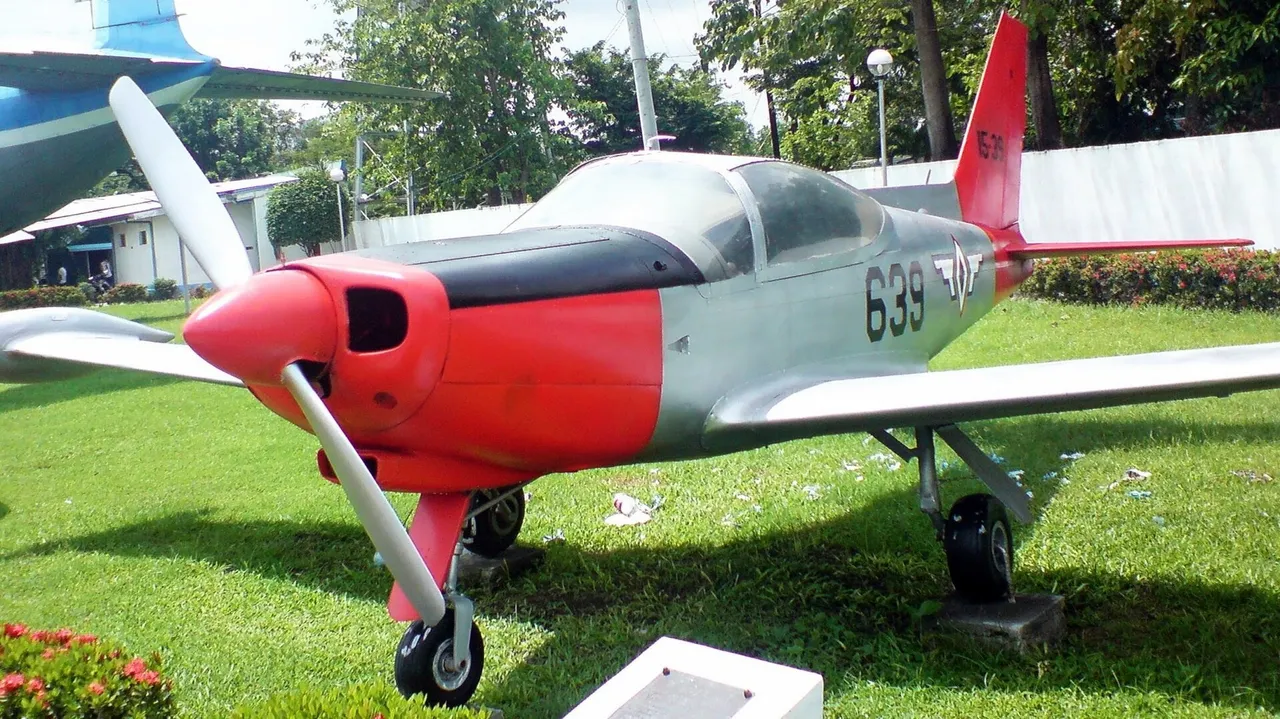
Two Philippine Air Force SF-260 trainers involved in an incident during a training flight at Lipa
The air force says response teams secured the site at Fernando Air Base in Batangas but has not said whether anyone was hurt, five months after a fatal SF-260 crash.
TaiwanDefence · 1h ago · 2 min read
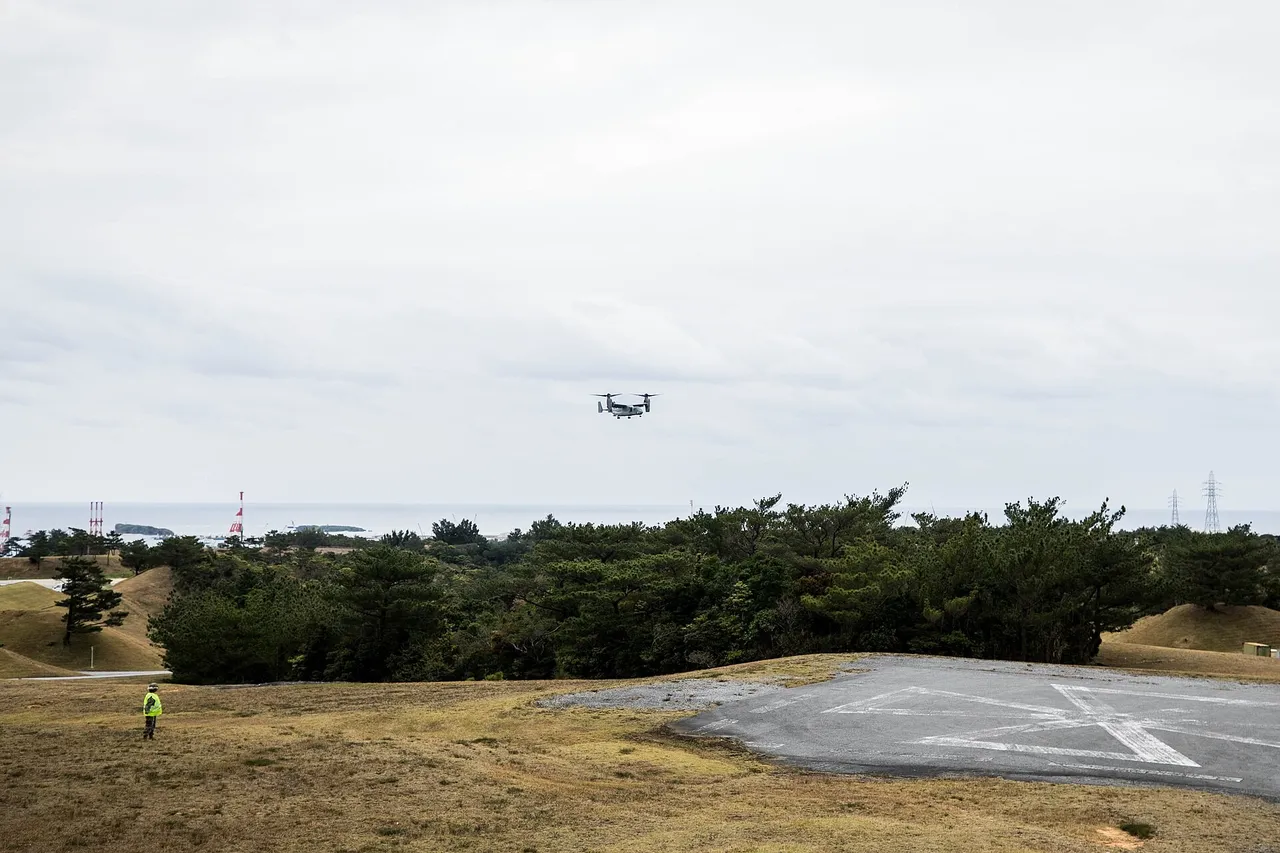
Japan and the US agree to close a Marine helicopter pad beside a college at Camp Schwab in Okinawa
Defence Minister Koizumi says LZ Phoenix near Henoko will shut once its functions move to a renovated landing zone about 1 km north inside the base.
TaiwanDefence · 2h ago · 2 min read
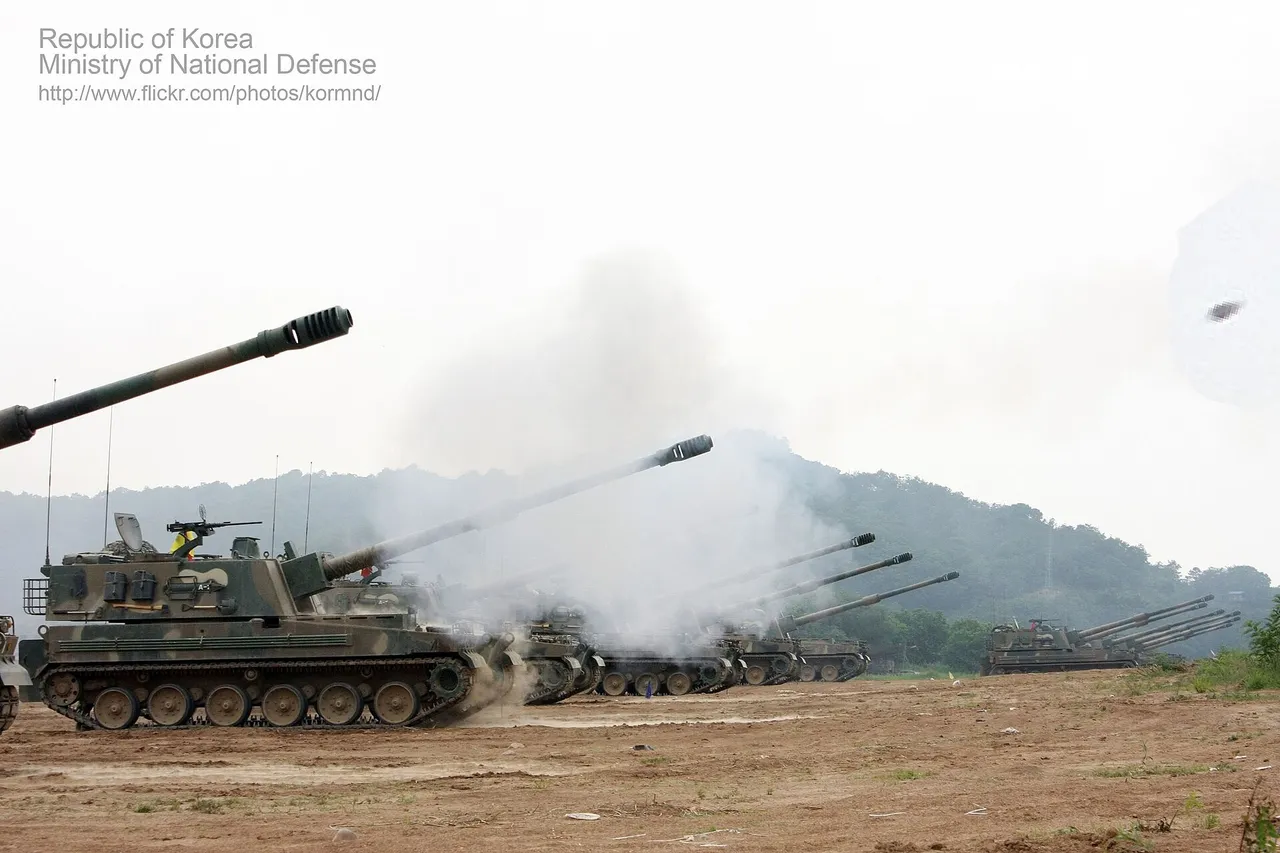
South Korean and US troops rehearse a counter-artillery fight with KTSSM, Chunmoo and ATACMS
About 4,100 soldiers from both armies ran a five-day counter-fire field exercise tied to Hoguk 2026, alongside drone-hunting air defence shoots in Boryeong.
TaiwanDefence · 3h ago · 2 min read
Discussion (0)
Comments are not currently available.